
When someone searches for tea in hindi, they’re often seeking more than just a translation — they’re looking for a deeper understanding of this beloved beverage from an Indian perspective. In Hindi, tea is called “चाय” (Chai), and it’s far more than a drink; it’s a bridge between culture, comfort, and community. In this guide, we’ll explore everything about tea in hindi — from types and traditions to honest reviews and brewing insights shaped by both heritage and modern tastes.
Whether you’re a beginner exploring India’s chai culture or a connoisseur comparing different varieties, understanding the subtleties behind tea in hindi can transform how you appreciate every cup. From the bustling streets of Delhi to serene Himalayan tea estates, every sip tells a story rooted in history, craftsmanship, and daily life. Let’s begin with where it all started, how it evolved, and what makes Indian chai so distinct in the global tea narrative.
The Cultural Essence of Tea in Hindi Households
In almost every corner of India, tea in hindi culture plays a vital role, symbolizing hospitality and rhythm in everyday living. When guests arrive, a steaming cup of chai is the first gesture of warmth. Families bond over evening tea sessions, and nearly every journey — by train, road, or conversation — features a pause for chai. This isn’t simply caffeine intake; it’s ritualistic bonding, where stories, politics, and poetry often ferment as richly as the brew itself.
The Roots and History of Tea in Hindi Traditions
Tea arrived in India through colonial trade routes, but its integration into the Hindi-speaking heartland is a remarkable story of adaptation. Initially grown in Assam and Darjeeling for export, tea slowly entered local kitchens, becoming “chai” — a milky, spiced drink unlike any other tea culture worldwide. Gradually, tea in hindi homes became synonymous with comfort and identity. The masala chai we now cherish evolved regionally: ginger-heavy in the north, cardamom-rich in Maharashtra, and smokier around Kolkata’s heritage cafés.
Evolution of Tea in Hindi Speaking States
Each Hindi belt state evolved its unique relationship with tea in hindi settings. In Uttar Pradesh, strong black tea brewed with buffalo milk dominates, often sweetened generously. Madhya Pradesh prefers simplistic versions served piping hot at local stalls. Bihar adds its earthy touch through clay kulhads — eco-friendly cups that impact flavor and aroma profoundly. This regional diversity reflects how chai embodies both unity and individuality within Indian households.
Popular Varieties of Tea in Hindi Regions
The term tea in hindi covers a range of preparations beyond standard chai. From spiced brews to herbal infusions, every variation has its purpose — energizing mornings, soothing afternoons, or aiding digestion post-dinner.
Masala Chai – The Quintessential Tea in Hindi Identity
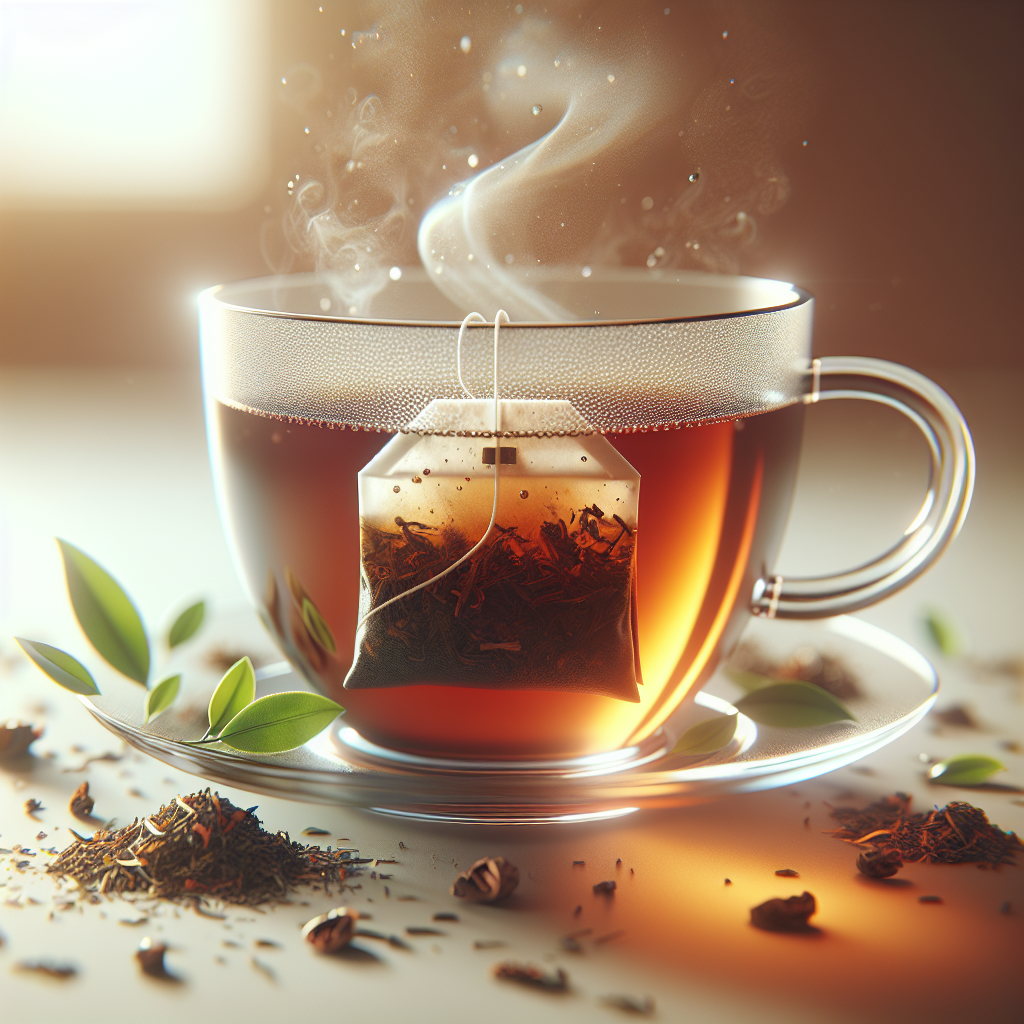
Masala chai is undoubtedly the heart of tea in hindi lifestyle. It’s a potent concoction of black tea, milk, sugar, and aromatic spices like cloves, cinnamon, ginger, and cardamom. This aromatic blend not only awakens the senses but also brings therapeutic benefits. For instance, ginger aids immunity, and cardamom cools acidity. Brewing masala chai can become an art — too little spice dulls the depth, too much overpowers the leaf’s aroma. A balanced cup warms the soul and symbolizes the nurturing, inclusive spirit of Indian culture.
Brewing Guide: Perfect Cup of Chai at Home
Here’s a step-by-step example for anyone looking to master tea in hindi style preparation:
- Boil 1 cup water and add a teaspoon of strong black tea leaves.
- Add freshly crushed ginger and cardamom pods.
- Pour ½ cup milk and sweeten to taste.
- Simmer until the aroma deepens, then strain and serve hot.
Serve it with savory snacks like samosas or crisp biscuits. The contrast between the tea’s warmth and the snack’s texture creates an inviting afternoon ritual loved across generations.
Green Tea and Wellness Conscious Tea in Hindi Enthusiasts
Not all varieties are about indulgence. Health-conscious tea drinkers have introduced green tea into the tea in hindi repertoire. From detox blends infused with tulsi to calming chamomile tea, these contemporary interpretations highlight a preference for well-being. Green tea’s popularity among younger audiences reflects a transitional phase — where ancient Ayurvedic principles meet modern nutrition insights. Balanced daily consumption enhances metabolism and focus without triggering caffeine spikes common in stronger brews.
Darjeeling and Assam: Pride of Tea in Hindi Conversations
Even outside their regions, Darjeeling and Assam teas dominate conversations about authentic tea in hindi narratives. Darjeeling delivers floral, muscatel flavors considered the “Champagne of teas.” Assam, bolder and malty, forms the backbone of Indian breakfast tea. Both varieties symbolize India’s excellence in cultivation, combining favorable climatic conditions with seasoned craftsmanship.
For more detailed background on these growing regions and historical aspects, you can visit Tea Board of India, an authoritative body preserving Indian tea heritage.
Modern Insights and Honest Reviews of Tea in Hindi Styles
The modern tea scene in India merges nostalgia with innovation. Café chains, small tea boutiques, and online ventures now offer diverse experiences around tea in hindi themes, from traditional kulhad chai to iced teas with fruit infusions. Honest reviews from tea lovers show how consumers are shifting from bulk powders to artisanal brands emphasizing purity and ethical sourcing.
The Rise of Organic and Specialty Blends
Urban markets witness increasing demand for authentic, non-adulterated products. Organic brands highlight fair trade sourcing, pesticide-free plantations, and sustainable packaging. Many young entrepreneurs curate local Hindi-inspired blends like rose chai or jaggery-sweetened teas to connect deeper with cultural aesthetics. A Delhi-based reviewer noted that organic Assamese blends deliver full-bodied satisfaction while allowing natural sweetness to shine through — a refreshing take on traditional tea in hindi expectations.
Online Communities and Their Role
Social media platforms and review forums now shape collective opinions. On Instagram and YouTube, home brewers share tasting sessions, while Reddit’s regional groups discuss finding the best street-side chai. These communities enhance awareness and also standardize quality expectations. New audiences learning about tea in hindi customs gain first-hand insights from real people, not just marketing narratives. This authenticity builds trust — an essential part of every honest review.
Tasting Experience and Consumer Perspective
When evaluating any tea in hindi product, reviewers often examine aspects like leaf aroma, brew strength, texture, aftertaste, and presentation. For example, handmade teas from Kangra often receive praise for mildness and freshness. Instant teas, meanwhile, divide audiences — convenient for some, compromising flavor for others. Feedback patterns consistently show that freshly brewed options still dominate preference charts across all Hindi-speaking states.
Tea and Ayurveda: A Wellness Connection
Ayurveda has profoundly influenced how people understand tea in hindi practices. Beyond enjoyment, many view chai as daily therapy. Spices commonly found in masala chai — ginger, black pepper, tulsi — align with Ayurvedic balancing principles. According to wellness experts, a cup consumed mindfully encourages mental clarity and digestive stability. Choosing proper combinations based on body type (Vata, Pitta, Kapha) also personalizes chai experiences. A sample practice includes sipping tulsi tea after meals to cleanse energy and enhance calmness.
For broader herbal references and benefits, explore educational resources like Healthline on Tea and Its Benefits.
Regional Tea Experiences Explained
Each state and locality imbues its characteristic flavor. A traveler exploring tea in hindi environments will notice subtle differences even across neighboring towns.
Street Tea Stalls – India’s Unofficial Social Network
Street vendors or “chai wallahs” represent the soul of Hindi-speaking cities. Their tea in hindi preparations typically combine economic practicality with high sensory satisfaction. These roadside joints serve tea in tall glasses or clay cups, packaged with small talk and local gossip. Such stalls often become informal offices, poetry corners, or even conflict resolution spaces. Their affordability ensures daily accessibility while honoring nostalgic charm.
High-Altitude Chai – Tranquility in Cups
Mountain regions like Himachal Pradesh and Uttarakhand add serene simplicity to the tea in hindi palette. Tea from Kangra Valley, grown in cool air and mist, produces light-bodied, fragrant cups suited to those who enjoy subtler notes. A common practice here includes sweetening with jaggery instead of sugar, maintaining balance between energy and wellness.
Modern Innovations Shaping the Future
From artisanal packaging to experiential tea tourism, the definition of tea in hindi culture has evolved notably. Tea lounges curate brewing workshops, while new-age startups explore eco-conscious farming and storytelling through sustainable branding. Hardly any beverage in India carries such multigenerational emotional significance. The future appears bright — young professionals, homemakers, and global travelers embracing chai equally, creating continuity between generations.
Tea Exports and Global Identity
Globally, Indian chai now trends across cafes from London to Tokyo. The taste of authentic tea in hindi blends often becomes a comforting reminder for expatriates and a discovery for foreigners. With growing fair-trade movements, more producers get recognition for ethical labor practices and biodiversity conservation. India’s tea exports stand not just for commerce but also cultural sharing through every cup shipped abroad.
Local Brands Worth Trying
Few emerging brands incorporate vernacular charm into their designs and names, honoring tea in hindi sentiments through local storytelling. Brands like Chai Point and Tea Trunk have reimagined traditional chai for younger demographics. Independent brewers now distribute directly through e-commerce platforms, focusing on freshness, transparency, and consumer engagement. Quality-conscious patrons increasingly assess not just taste but also brand ethics and community contributions.
Pairing Tea with Food – A Growing Trend
Pairing meals with appropriate tea in hindi combinations underscores evolving culinary intelligence. Strong Assam blends suit heavy parathas or pakoras, while floral Darjeeling complements lighter dishes like poha or fruit salads. Experimentation leads to rediscovery — home cooks creating personalized pairings that highlight both harmony and contrast between flavors.
Practical Buying and Storage Tips
When you plan to purchase tea in hindi markets, choose reputed sellers known for purity and freshness. Loose leaves generally retain natural oils and taste better than teabags. Always store your tea in airtight containers away from moisture and sunlight. Use small batches to maintain aroma. Buying directly from plantations or trusted brands ensures sustainable quality and fair compensation for farmers. Additionally, reading packaging labels for origin details and blending notes can help you identify authentic products versus generic blends.
Ethical Consumerism and Fair Trade
More Indians are becoming conscious of sustainability. Supporting brands that prioritize ethical farming and eco-friendly packaging reflects broader awareness within the tea in hindi community. Fair wages, women-led cooperatives, and organic certifications drive socio-economic change while improving flavor authenticity. Choosing mindfully sourced tea is a small yet meaningful step toward global responsibility.
Connecting Tea with Lifestyle and Mindfulness
Tea in hindi rituals promote mindfulness naturally. The process of boiling, simmering, and slowly sipping connects the practitioner with a rhythm that calms the mind. Morning tea routines foster focus, while evening tea rituals strengthen emotional bonds within families. A brief pause with tea daily encourages reflection amid modern chaos. Even in urban corporate routines, coffee machines increasingly share space with chai kettles, echoing cultural endurance.
Incorporating Tea into Daily Wellness
Many lifestyle influencers now recommend scheduling deliberate “chai pauses” — moments of grounding amid busy schedules. Drinking tea in hindi mindfulness settings encourages deep breathing and detachment from continuous digital input. Combined with classical music or reading, chai moments convert to everyday meditation. Such incorporation aligns with studies suggesting slower beverage consumption aids digestion and emotional regulation.
Internal References for More Reads
If you’d like to deepen your knowledge about brewing artistry, don’t miss related reads on Tea History and Tea Cultivation. These pieces explore how ancient legacies and agricultural mastery shaped our present-day chai landscape.
Frequently Asked Questions
What does tea in hindi mean and how is it pronounced?
Tea in hindi translates to “चाय” (Chai). Pronounced as “cha-aye,” it signifies not just a beverage but an emotion tied to daily life. The pronunciation carries melodic softness reflecting its soothing nature. In India, tea transcends boundaries — it unites offices, trains, and villages in shared conversation. Understanding tea in hindi helps learners connect with authentic Indian lifestyle values and gestures of warmth embedded in every serving of chai.
Which is the most popular type of tea in hindi culture?
Masala chai holds the number-one position across Hindi-speaking states. It’s an aromatic blend of strong tea, milk, sugar, and spices like cardamom and ginger. This signature style of tea in hindi landscape balances stimulation and relaxation beautifully. While flavors differ regionally, the emotional connection remains constant — every household crafts its unique version of comfort in a cup.
How can I make authentic tea in hindi style at home?
To recreate authentic tea in hindi flavor, start by boiling water with crushed spices like ginger and cardamom, then add black tea and milk. Adjust sweetness to preference, and let it simmer until rich aroma fills your kitchen. Strain before serving. Using fresh spices ensures depth and vigor, while locally sourced leaves add familiarity. Practice turns your technique smooth; with time, you’ll intuit precise proportions for perfect daily chai.
Is green tea popular in the tea in hindi market?
Yes, green tea has risen rapidly among health-aware consumers in the tea in hindi market. While older generations favor traditional chai, the younger crowd enjoys detox-friendly blends featuring tulsi or lemon. Green tea bridges ancient well-being traditions and modern lifestyles effectively. Companies now label Hindi names appealingly to retain cultural flavor while promoting wellness. This cultural evolution keeps tea relevant to all age groups.
Are there regional differences in tea in hindi flavors?
Absolutely. Every region within the Hindi-speaking belt adapts tea in hindi recipes distinctively. North India prefers thick, sweet, spicy versions; central India favors milder textures, while some urban circles add fusion touches like chocolate chai. Even terrain influences brewing methods — higher altitudes demand lighter teas due to cooler temperatures. These nuances demonstrate how chai perfectly mirrors socio-geographical diversity.
What are some honest reviews about tea in hindi cafés?
Reviews of contemporary chai cafés vary, but most emphasize authenticity and ambiance. Popular outlets score high for tea freshness, aroma, and presentation. Loyal patrons underline how premium leaf quality and hygienic preparation recreate homemade comfort. On feedback platforms, tea in hindi setups offering customizable spice levels and eco-friendly serve ware earn exceptional trust ratings — proof that tradition harmonizes wonderfully with thoughtful innovation.
How long should I store my tea in hindi leaves?
Ideally, high-quality tea in hindi leaves retain freshness for six months if preserved properly — airtight, dry, and shielded from sunlight. Storing smaller batches reduces flavor loss. Avoid plastic containers, as they absorb odor. Ceramic or tin boxes work best. Over time, aroma fades, altering brew depth. Monitoring color and fragrance before use ensures consistent taste. Regularly replenishing stock keeps your daily chai ritual rejuvenating and authentic.
Why is tea in hindi significant for travelers to India?
For travelers, exploring tea in hindi spaces offers cultural intimacy unmatched by monuments or museums. Sharing chai with locals becomes a spontaneous invitation into real India — candid conversations, quick recipes, and heartfelt hospitality. Every station stall or shop narrates regional personality. Understanding this humble beverage enriches journeys through flavor and feeling, connecting visitors directly to Indian warmth and tradition in every sip.


Leave a Reply