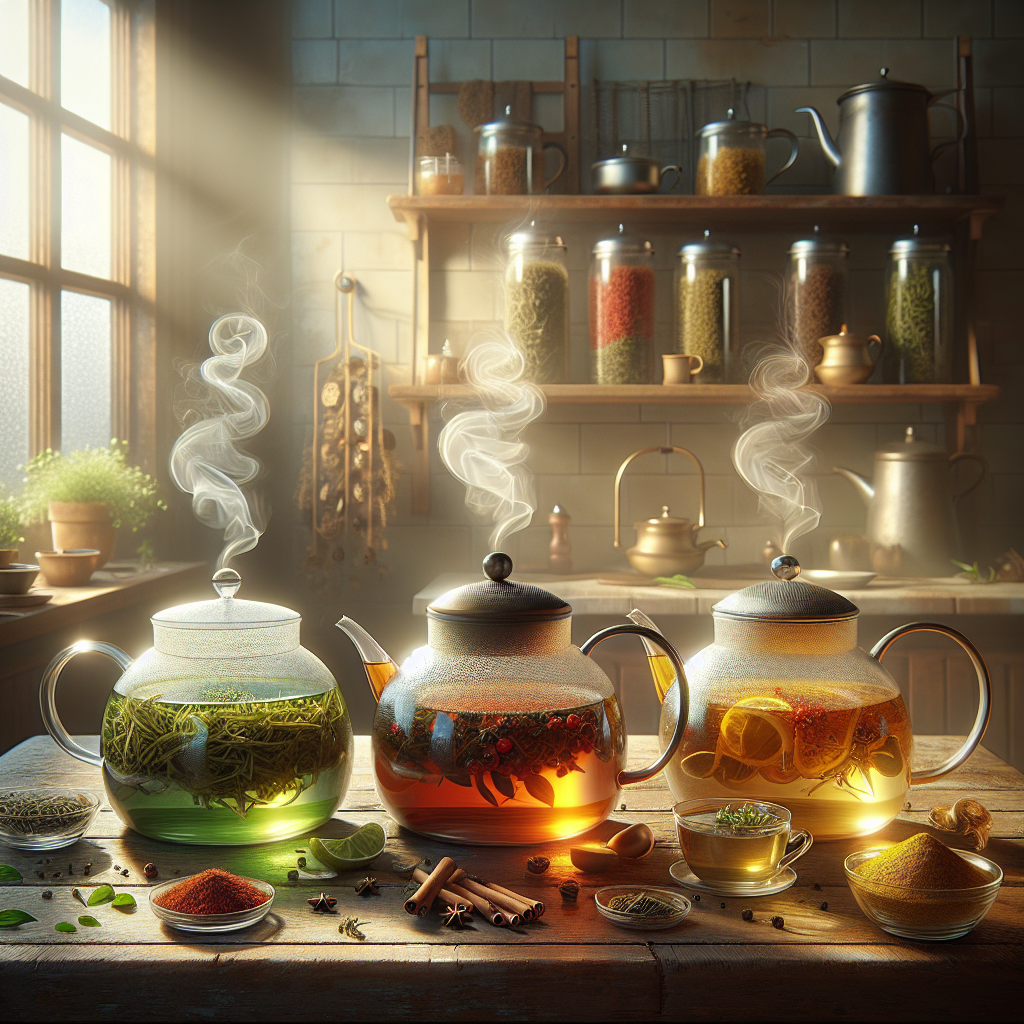
There’s something universally comforting about tea time — the ritual that slows us down and brings warmth to the day. Whether it’s a cozy morning moment, an afternoon pause, or a social gathering shared with friends, tea time means more than sipping from a cup; it’s an invitation to reflect, rejuvenate, and reconnect. In this guide, we’ll explore the art and timing of tea time across cultures, share honest reviews of tea varieties, discuss pairings, and offer grounded insights into making your personal tea experience meaningful and delightful.
Many people treat tea time as an indulgence, but it’s also an exercise in awareness. Choosing the right tea, preparing it properly, and savoring it mindfully can shift your mindset. Whether your goal is relaxation, energy, or a social connection, understanding tea time traditions and products can help you enrich your daily routine. This article blends objective reviews, cultural origins, and tried-and-true methods that bring balance to the practice of taking tea. Let’s begin with the roots of this globally beloved ritual and how you can make it your own.
The Heritage and Meaning of Tea Time
Tea has deep roots that reach beyond flavor and aroma. As a social tradition, tea time evolved differently across regions—each adding unique etiquette, food accompaniments, and philosophies. Tracing this heritage helps explain why today’s interpretations vary so much, from an elegant British high tea to a simple Japanese matcha moment.
Origins of the Ritual
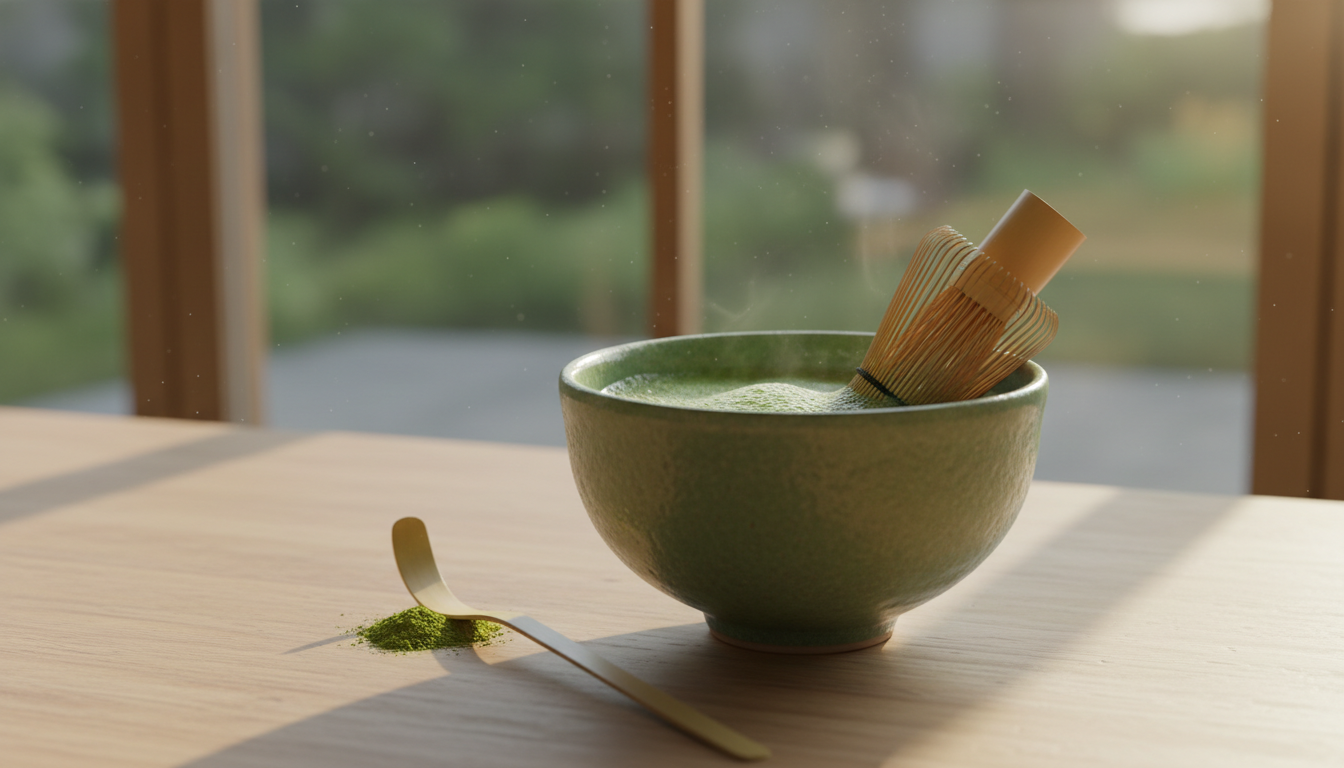
Origins of structured tea time likely emerged from the 17th-century British aristocracy. Afternoon tea, traditionally held between 3 PM and 5 PM, served as a bridge between lunch and dinner. Meanwhile, in China, the idea of enjoying tea as a daily ritual dates back thousands of years. The ceremony wasn’t just about refreshments; it reflected balance, mindfulness, and respect. In Japan, the tea ceremony elevated this even further, turning what might seem a routine act into a spiritual practice that honors simplicity and harmony.
Global Interpretations of Tea Time
Across the world, “tea time” has distinct identities. For example, British high tea features robust black teas like Assam or Darjeeling paired with savory dishes, while Moroccan tea time involves green tea and fresh mint symbolizing hospitality. The Indian concept of “chai time” blends spice, warmth, and daily connection, often found in homes and at every street corner. In Argentina, people gather for mate — not tea per se, but fulfilling the same communal purpose. The shared thread across all these moments: the act of pausing to nurture relationships and reflect.
Choosing the Right Tea for Your Tea Time
Your tea choice sets the tone for the entire experience. From caffeine-free herbal blends to energizing black teas, each variety has distinct benefits, aromas, and serving traditions. An ideal tea time experience begins by understanding the character of the leaves and what emotional or physical energy you hope to achieve from them.
Black, Green, Oolong, and Beyond
Black teas dominate traditional afternoon tea setups thanks to their strong flavor profile. Darjeeling, Ceylon, and Earl Grey are favorites for structured tea time events. Green teas, lighter and fresh-tasting, are ideal for reflective sessions or lighter snacks. Oolong provides a middle ground — rich yet smooth, offering versatility. Herbal teas, including chamomile and rooibos, work beautifully for evening tea time since they support calm and digestion.
Honest Product Reviews: Real Tea Brands to Try
Consumer feedback often shapes our opinions more than labels, so we sampled popular teas with transparency. For black tea lovers, Teapigs Everyday Brew impressed with strength and malty balance. For fans of organic herbs, T2 Tea offers flavorful wellness blends that deliver both taste and quality sourcing. Between budget-friendly and sustainably packaged options, our top honest insight: it’s less about brand prestige and more about freshness and how your taste buds react to leaf grade and brewing care.
Setting the Mood for Tea Time
The surrounding environment plays a subtle but vital role during tea time. Setting intentions, adjusting lighting, and curating sound helps complete the experience. Beyond the beverage itself, it’s about ambiance—one that encourages stillness and genuine enjoyment.
Creating Comfort with Space and Tools
Keep your setup simple but personal. Use familiar cups that feel good in hand. Clear counters of distractions; bring in natural light if possible. A clay teapot or porcelain set can subtly affect taste. Even small details—linen napkins, flowers, or candles—transform tea time from routine to ritual. Try playing soft music or simply allowing silence to deepen the sensory connection.
Digital Detox during Tea Time
Digital silence amplifies presence. Turning off notifications helps focus on texture, scent, and warmth. Many enthusiasts describe tea time as a form of “liquid meditation.” The practice offers a reset, creating moments of gratitude amidst the noise of contemporary living.
Perfect Pairings: What to Eat at Tea Time
Pairing food with tea enhances both flavor and enjoyment. Beyond traditional pastries, there’s artistry in choosing the right bite that complements your chosen brew. Sweet or savory, it’s about balance in temperature, aroma, and mouthfeel.
Classic Tea Time Food Matches
Light sandwiches, scones, and clotted cream remain afternoon staples. Sweet-lovers can add lemon drizzle cake or shortbread biscuits. For green teas, consider fresh fruit or sushi rolls that don’t overpower subtle notes. Oolong teas complement roasted nuts and soft cheeses. Herbal teas suit raw treats or honey-based desserts. Experimenting with pairings turns tea time into a small culinary adventure.
Exploring Seasonal Food and Tea Time Harmony
Seasonality refines each session. Spring welcomes jasmine and sencha alongside fresh berries. Summer calls for iced versions and citrus-light snacks. Autumn embraces chai with spiced breads, while winter tea time thrives on warming blends like ginger or cinnamon paired with hearty sweets. The aim isn’t perfection—it’s mindfulness and adaptation, an understanding of how the body and environment guide cravings and comfort.
Health and Mindful Benefits of Tea Time
Scientific studies affirm that regular tea consumption offers antioxidants, hydration, and soothing psychological effects. Tea time reinforces mindfulness, reducing stress through rituals of preparation and consumption. The sensory act of steeping, smelling, and sipping acts as a gentle unwind from overstimulation.
Cognitive and Emotional Wellness
Green and black teas contain L-theanine, promoting mental alertness without typical caffeine spikes. Herbal infusions, on the other hand, encourage relaxation. Making tea time a daily practice allows micro-moments of mindfulness akin to meditation. Observing the aroma release or watching leaves unfurl enhances grounding sensations, benefiting concentration and emotional balance.
Physical Health Benefits
Antioxidants from tea help combat free radicals, potentially improving skin, heart, and liver health. Replacing sugary beverages with tea during your tea time can aid hydration and reduce calorie intake. Those with digestive challenges often find that peppermint or ginger teas offer relief. A cup at the same time every day can sync with digestion cycles and reinforce healthy routines.
Hosting and Sharing Tea Time
Inviting others to tea time builds community. Whether it’s an informal catch-up or a themed high tea, the shared experience strengthens bonds. Serving tea reflects thoughtfulness; it’s a timeless symbol of hospitality across continents.
Successful Hosting Tips
- Experiment with two or three teas so guests can choose based on caffeine preference.
- Offer non-caffeinated options for late sessions.
- Thoughtfully layer presentation—neat trays, patterned serviettes, or small bites placed symmetrically enhance aesthetic pleasure.
- Encourage conversation about flavor notes; shared descriptions bring guests together around sensory appreciation.
Virtual Tea Time Gatherings
Modern work and social distances require adaptation. Virtual tea time experiences via video calls have gained popularity. Schedule short mid-afternoon breaks to connect over shared brews. Even digital gatherings keep the ritual alive, demonstrating that connection isn’t confined to physical presence but strengthened through shared intention.
Exploring Tea Cultures and Beyond
Diving deeper into the cultural diversity of tea enhances respect for ancestral wisdom. Learning tea ceremony elements from different heritages opens appreciation for subtle etiquette and style distinctions. Visit Tea History at teastory.blog for a comprehensive cultural perspective.
From Ceremony to Everyday Routine
Japanese and Chinese traditions treat tea time as art, with symbolic motion behind every pour. British customs emphasize companionship and civility. Moroccan and Indian practices highlight generosity. By weaving fragments from these legacies into personal routines, tea lovers can refine their own approach—a cross-cultural experience housed within one cup.
Learning the Deeper Purpose of Global Tea Time
Tea ceremonies often aim for tranquility and equality—everyone before the pot is the same. Understanding this helps modern hosts create inclusive atmospheres. While Western tea time leans toward indulgence, Eastern ceremonies draw focus inward. Both share an intent: to gather with intention, respect presence, and honor connection through the humble medium of tea.
Top Mistakes to Avoid During Tea Time
Even seasoned drinkers slip into habits that dilute the joy of tea. Recognizing common mistakes ensures a richer and more balanced experience each time you brew.
Over-Steeping or Under-Steeping
The most frequent issue in tea time preparation is inconsistent steeping. Over-steeping extracts bitterness, while under-steeping diminishes character. Each tea type demands different brewing durations and water temperatures. Green teas like sencha flourish at lower heat (70–80°C), while black teas require near-boiling water. Use timers if needed; consistency matters.
Neglecting Water Quality
Water represents over 95% of every cup. Hard or chlorinated water alters taste and fragrance. Use filtered water whenever possible. It’s a small adjustment, but the clarity it brings to your next tea time can transform the entire experience.
Integrating Tea Time into Modern Life
Building lasting routines creates emotional stability and mental clarity. Daily tea time rituals provide boundaries against chaos. With thousands of tea options and brewing methods, personalization becomes an act of self-care rather than obligation.
Tea Time for Professionals and Remote Workers
In corporate contexts, short tea time breaks can elevate productivity. Companies that encourage mindful pauses—replacing caffeine binges with balanced tea—report improved morale. Even a five-minute steep-and-sip ritual transitions the brain from stress response to focus mode. Keep a compact infuser at the office or create time-blocked reminder sessions to maintain balance.
Home Rituals and Reflection
Domestic tea time offers moments to realign. Morning cups can anchor beginnings; evening infusions can mark the day’s closure. Some families introduce a shared tea moment—children learning patience as leaves infuse, adults reconnecting in stillness. For inspiration, visit Tea Ceremonies on teastory.blog to learn how structure enhances serenity.
Tea Time Mindset for Personal Growth
Regular tea time teaches observation and gratitude. Watching how water transforms dry leaves is metaphorical—gentle heat turns potential into essence. Such mindfulness bleeds into other life aspects: empathy, patience, presence. Making time for tea becomes a practice of making time for oneself.
Conclusion: Redefining Tea Time in Your Own Way
Ultimately, tea time is personal, fluid, and free from rigid formulas. Honor tradition, but adapt it to your needs. Whether enjoyed alone at dawn or shared by candlelight, let every cup symbolize connection—with nature, culture, or company. Remember, quality tea and intentional space create the best results. Refresh both your palate and perspective regularly, for each tea time reflects not only flavor but the story of how you slow down to live well.
Frequently Asked Questions
What is the best time of day to enjoy tea time?
Tea time fits any hour based on personal goals. Early morning energizes with black or green tea, while afternoon helps refocus energy. Evening sessions with herbal infusions promote relaxation before bed. Traditionally, British tea time lands between 3 PM and 5 PM, inspired by a light hunger gap before dinner. In modern practice, flexibility rules: structure your tea time around when your body craves quiet and reflection rather than social convention.
How can I make my tea time healthier?
Swap sweeteners for natural options like honey or skip them entirely to appreciate pure leaf flavor. Add lemon for vitamin C, or choose green teas for antioxidants. Hydration increases when you drink water-based beverages like tea regularly. Consider caffeine-free blends at night to support rest. A balanced diet paired with mindful tea time moments creates both physical and emotional well-being, reinforcing digestive rhythm and minimizing late-day snacking temptations.
Which teas are ideal for beginners starting a tea time ritual?
Begin with classics such as English Breakfast, Earl Grey, or mild green teas like sencha. These provide reliable flavor balance without overwhelm. Herbal choices—peppermint or chamomile—offer gentle entry points too. Use short steep times first to adjust to bitterness levels. Over time, your palate will diversify naturally, revealing subtler complexities. Starting tea time requires curiosity, not perfection—light exploration keeps motivation alive while strengthening sensory mindfulness each day.
Can I include cold beverages in my tea time?
Absolutely. Iced variations work beautifully during warm months. Brew stronger portions and cool them naturally before serving with ice, lemon slices, or fruit. Many hosts celebrate summer tea time outdoors, presenting refreshing combinations like mint-green tea or hibiscus. The essence remains: pause, savor, and appreciate. Cold versions carry the same relaxation benefits as warm ones when approached with similar mindfulness.
What’s the difference between afternoon tea and high tea time?
Afternoon tea focuses on light snacks and an elegant atmosphere, while high tea was historically the working-class evening meal with hearty dishes and stronger brews. Today, people often confuse both terms. If you’re hosting an authentic afternoon tea, emphasize sweets and delicate finger foods. For high tea time, think savory pies, meats, and bread—more substantial offerings. Understanding these nuances ensures you create the right tone for your guests.
How do I photograph my tea time setup effectively?
Use natural light near windows, capture steam when visible, and aim for minimal clutter in the frame. Experiment with angles showcasing the cup and snack combination. Choose neutral props so the tea’s color shines. Add context with human hands or soft linens for warmth. Alt text might read “calming tea time setup beside window.” With patience, your photos reflect the serenity you feel while preparing and enjoying tea.
Why does my tea taste different each tea time I brew it?
Variations come from water quality, temperature, leaf amount, and steeping time. Even cup materials influence flavor subtly. Always note ratios and timings when you find a perfect brew. Using spring or filtered water ensures consistency. Slight environmental changes—like humidity or tea age—affect output too. Treat tea time like art: reproducible yet adaptable, where awareness improves result consistency over guesswork.
How can I make children appreciate family tea time?
Introduce caffeine-free blends such as rooibos or fruit infusions served lukewarm in colorful cups. Encourage storytelling or gratitude rounds as everyone sips. Make snacks simple yet engaging—for instance, dipping biscuits or arranging fruit plates together. Turning tea time into a gentle game fosters communication and shared learning moments. Children model adult behavior; witnessing slowing down around tea nurtures patience and emotional connection organically within family life.



Leave a Reply