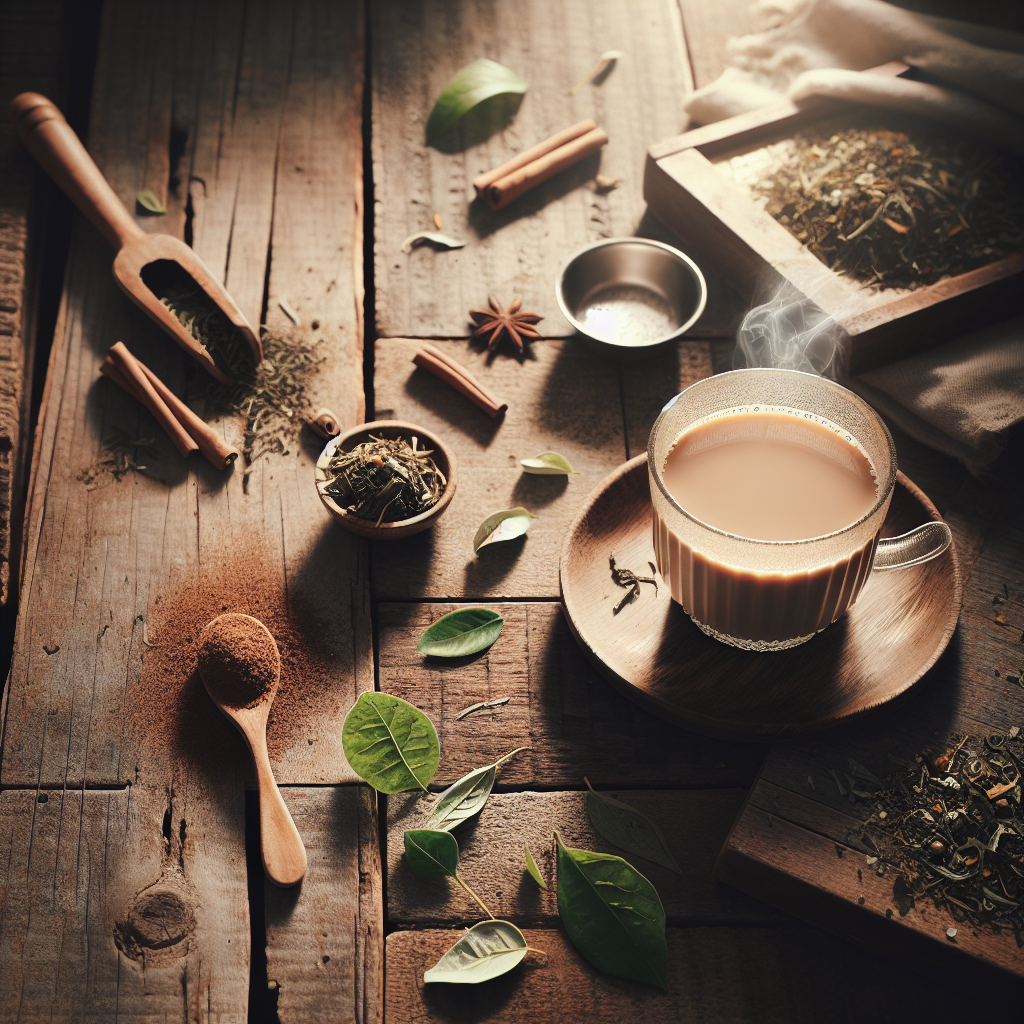
There’s something universally comforting about a warm cup of tea, yet the origin of that magic lies in something so small and humble—chai patti. This unassuming ingredient forms the backbone of every chai ritual, whether on a busy street corner or in the quiet corner of your home. People across the world have debated its taste for decades: earthy or sharp, rich or bitter, smooth or strong. The journey of chai patti is full of love and hate, shaped by how it’s brewed, blended, and enjoyed. Today, we dive into this complex world of flavor and culture.
In every household, chai patti defines character—strong tea drinkers insist on an extra spoonful, while others dilute it gently for a mellow warmth. The variety, the aroma, and the emotional value intertwined with it make chai patti more than just leaves in boiling water. It’s an experience, a story of craftsmanship that deserves a deeper look. This review explores its taste profile, diversity, and the divided opinions that keep chai enthusiasts talking.
Understanding the Essence of Chai Patti
Before reviewing the taste, we must appreciate what makes chai patti unique. It’s essentially black tea leaves, often crushed or granulated, sourced mainly from Assam, Darjeeling, and other parts of India. These regions produce tea leaves with bold flavor and strong color, forming the heart of traditional Indian chai. The way these leaves are processed—oxidized, roasted, and graded—affects the ultimate cup. Each batch of chai patti tells a different story depending on its terroir and treatment.
How Chai Patti Differs from Other Tea Leaves
Unlike loose-leaf teas meant for delicate sipping, chai patti has a practical purpose: to stand up to milk, sugar, and spices. Its robustness is intentional. Tea masters designed it for intense brewing, which brings out a layered fusion of malt and tannin. Compare this with the light floral notes in Darjeeling leaf teas, and the difference becomes instantly clear. Chai patti carries a punch, something that defines Indian chai’s personality.
The Taste Dynamics of Chai Patti
The taste of chai patti sits on a spectrum of sensations—bitterness intertwined with sweetness, smokiness layered with malt. Brew it lightly, and it releases mild woody undertones. Let it simmer longer, and you’ll discover toasted caramel characters. But the line between rich and oversteeped is fine; too long, and the brew gets overwhelmingly bitter. Many tea enthusiasts love that assertiveness; others find it harsh and a bit too bold. This polarity explains why chai patti is both adored and disliked, depending on one’s palate.
Chai Patti and the Art of Brewing
Perfecting chai patti is no simple task. The same leaves can yield vastly different results depending on technique. Water temperature, brewing time, and ratio all change its presentation. A little tweak can transform a flat cup into a velvety masterpiece. Those who treat chai patti as an art understand timing and patience are as critical as the ingredient itself.
The Role of Milk in Balancing Flavors
When combined with milk, chai patti becomes more than tea—it becomes comfort in liquid form. The fat in milk softens the tannins that make the tea sharp, creating harmony. Full-cream milk accentuates its richness, while skim milk brings lightness. For vegans, almond or oat milk alters the balance but still complements the robustness of chai patti. The beauty lies in customization. Each modification yields an entirely new flavor identity.
Common Mistakes When Brewing Chai Patti
While brewing chai patti seems straightforward, small errors can sabotage the taste. Overboiling burns the leaves, while underbrewing leaves the flavor underdeveloped. Many people fail to control sugar addition; adding it too soon masks the natural tea oils. Experts recommend adding sugar after straining the brew to retain clarity in taste. Another often-missed detail: water quality. If the water has high mineral content, it interferes with tea extraction and mutes the flavor complexity.
Chai Patti Brewing Ratios and Methods
Most tea vendors follow a 2:1 ratio of water to milk. For every cup, a heaping teaspoon of chai patti works best. Allow it to boil on moderate heat for two to three minutes. Add spices like cardamom or ginger for depth. Strain immediately once it reaches the desired color. This ensures balanced bitterness and aroma. A longer boil might deliver stronger flavor but at the cost of subtle sweetness. Authentic tea stalls across India follow this practice religiously—it’s how they achieve consistency cup after cup.
Why People Love and Hate Chai Patti
The emotional divide surrounding chai patti runs deep. For some, it signals nostalgia—the familiar scent of home mornings. For others, its intensity feels overpowering. The same boldness that defines it can also repel those who prefer mild green teas. The “love-hate” relationship mirrors cultural distinctions in taste.
Reasons People Adore Chai Patti
- **Rich aroma:** The immediate burst of earth and malt brings warmth and satisfaction.
- **Strong caffeine kick:** Perfect for busy mornings, chai patti delivers an alert start to the day.
- **Versatility:** Works seamlessly with spices like cloves, cinnamon, or tulsi.
- **Cultural symbolism:** For many families, chai-making represents unity and social bonding.
People appreciate chai patti because it feels real, uncomplicated, and deeply personal. It has an identity that brings people together regardless of background.
Why Some Dislike the Flavor
Its strong tannins can feel rough on the taste buds if not brewed carefully. Minimalist tea drinkers often view chai patti as overpowering, claiming it masks nuanced flavors. In premium cafés, where delicacy rules, chai patti’s boldness rarely fits the mood. Still, critics agree that brewing skill, not the ingredient itself, determines taste happiness.
Temperature Sensitivity in Taste Perception
The perception of chai patti flavor varies with temperature. If served piping hot, bitterness dominates. As it cools, nutty notes surface. An ideal tasting experience begins around 65–70°C, allowing full release of oils without overwhelming bitterness. This insight helps both lovers and skeptics fine-tune appreciation for this staple ingredient.
Chai Patti Across Regions and Brands
Regional identity plays a massive role in shaping chai patti preferences. A cup brewed in Kolkata differs from one poured in Delhi or London. Each region adapts it to match local palettes, climate, and cultural rhythm.
Assam and Its Malty Contribution
Assam’s humid climate fosters thick, golden leaves that yield strong color and body. Its variety of chai patti boasts a rich, malt-forward taste—dense, earthy, slightly sweet. This character makes it ideal for mixing with milk and spices. Major brands often blend Assam leaves with others to maintain consistency while retaining strength.
Darjeeling’s Elegant Influence
Darjeeling’s version of chai patti surprises many: lighter, floral, aromatic. Though not the standard base for traditional masala chai, some tea connoisseurs love its fragrant elegance. Mixing it with black pepper or nutmeg offers an exotic flavor twist. Still, it must be treated gently since overboiling eliminates its subtlety.
Blended Chai Patti and Market Variants
Commercially, brands experiment heavily with blending chai patti. From cardamom-infused packs to strong-cut CTC variants, shelves overflow with choices. Marketing aside, the real secret lies in finding the blend your taste buds love. Homemade blends often surpass packaged ones because they capture freshness. Some households mix 80% Assam leaves with 20% Nilgiri for a balance between bite and aroma.
Health Aspects Linked with Chai Patti
While taste dominates conversation, health cannot be ignored. Chai patti carries antioxidants like catechins and theaflavins, known to reduce oxidative stress. Drinking moderately supports heart health and mental alertness. However, excessive intake—especially with sugar—counteracts its benefits. Moderation is the golden rule.
Benefits of Regular Consumption
- Improves alertness through natural caffeine.
- Acts as an antioxidant, aiding in cell protection.
- Supports digestion when paired with certain spices like ginger.
- Encourages hydration while offering a comforting daily ritual.
Potential Downsides
For sensitive individuals, overuse of chai patti may trigger acidity due to tannins. Adding excessive sugar compounds health concerns. People managing iron absorption should avoid drinking it immediately after meals. Nevertheless, balanced consumption remains safe and beneficial.
Chai Patti and Mindful Drinking
Creating awareness around your brew deepens appreciation. Observing the color change, inhaling aroma, and sipping slowly makes you mindful. This mindfulness elevates chai patti from a casual drink into an intentional daily pause, enhancing overall well-being.
Sustainability and Ethical Considerations
Behind each box of chai patti is an ecosystem—farmers, packers, and exporters. Fair wages, organic farming, and sustainable practices shape its ethical backbone. Conscious consumers increasingly check certifications to ensure their chai doesn’t come at human or environmental cost.
Supporting Fair Trade Chai Patti
Fair Trade-certified chai patti ensures farmers receive equitable pay. Many small estates in India and Sri Lanka now adopt eco-friendly harvesting, limiting pesticide use. Multinational buyers collaborate with these estates for transparent supply chains. It’s not just about ethical comfort—it affects taste purity. Cleaner leaves taste fresher and more authentic.
Environmental Impact of Production
Intensive tea monoculture threatens biodiversity. Sustainable brands rotate crops and use natural compost instead of chemical fertilizers. Choosing such brands makes a tangible difference. According to Tea Association of the USA, global consumers increasingly favor ethically grown teas, marking a strong positive trend.
How Consumers Can Contribute
Simple choices—buying from responsibly sourced labels or directly from farms—support sustainable systems. Online platforms highlight origin transparency, listing estates of origin. Learn about heritage practices through resources like Institute of Tea. Awareness empowers appreciation beyond flavor.
Comparative Taste Review: Loved and Hated Aspects
To understand the divided opinion, we canvassed tea aficionados and everyday drinkers. Consensus reveals that chai patti divides based on brewing intensity, freshness, and blend proportions. Those who prefer strong flavor find unmatched satisfaction, while advocates of subtlety lean toward lighter infusions.
Case Example: Street Vendor vs. Home Brew
In Indian street stalls, chai patti boils fiercely with milk and masala; the result is bold and addictive. Home brewers tend to use less intensity for smoother finishes. Each method satisfies its audience differently—no single “correct” version exists. These contrasts make the review landscape endlessly fascinating.
Expert Tasters’ Verdict
Professional tasters describe good chai patti as having briskness, balance, and body. Poor-quality leaves, however, taste dull or rubbery. The verdict? When treated with care, chai patti stands unrivaled in depth and soul. Its imperfections are part of its charm.
Practical Tips to Enhance Chai Patti Experience
To enjoy the best possible cup, align technique and preference. Adjust ratios, use fresh water, and avoid reheating. The smaller details often decide whether a cup delights or disappoints.
Storage and Freshness
Keep chai patti in airtight containers away from sunlight and moisture. Exposure to air diminishes flavor oils within weeks. Glass jars or tins with inner seals are ideal. Never refrigerate, as condensation ruins texture and aroma.
Pairing Chai Patti with Food
Pairing food enhances the chai patti experience. Snacks like samosas, biscuits, or tea cakes balance its tannins. For adventurous pairings, try spicy nuts or cheese crackers—the contrast heightens the sensory pleasure.
Experimenting with Modern Flavors
Baristas today remix chai patti with cocoa, vanilla, or rose petals. Iced variations attract younger audiences globally. Such experiments show its versatility beyond traditional brewing and challenge perceptions about what chai patti “should” taste like.
Internal Connections and Further Reading
Explore stories about regional heritage in Tea History or learn new recipes from Tea Recipe collections. These perspectives deepen understanding of chai culture and its evolution through generations.
Frequently Asked Questions
What is chai patti and how is it different from regular tea?
Chai patti refers to the granulated black tea used predominantly for Indian milk tea or masala chai. Unlike loose-leaf teas, it’s processed as CTC (crush, tear, curl), which extracts stronger flavor when boiled with milk and sugar. Regular teas, such as green or oolong, emphasize subtlety and clarity, not heaviness. Chai patti’s robustness stands up to additional spices like cardamom or ginger, forming an entirely distinct beverage identity. Its strength and body are what differentiate it from lighter infusions popular in other cultures, giving chai lovers their characteristic intense morning brew.
Why do some people say chai patti tastes bitter?
Bitterness in chai patti often arises from overbrewing or using excessive quantity. The tannins, responsible for its signature kick, intensify with longer boiling times. If left unattended beyond a few minutes, they dominate the cup, creating unpleasant sharpness. Using soft water, precise timing, and balanced sugar removes this harsh edge. Furthermore, combining chai patti with milk softens the effect naturally. Those who find it bitter may prefer lighter Assam blends or shorter steeping. Remember, bitterness isn’t a flaw—it signals concentration, which many ardent drinkers intentionally seek for its bold impact.
What is the best method to store chai patti for freshness?
To maintain potency, keep chai patti sealed in a cool, dry place. Avoid storing near spices, as strong aromas easily infiltrate tea leaves, altering flavor. Use airtight metal tins with internal seals or UV-protected glass jars. Do not refrigerate; condensation leads to flavor loss and microbial moisture buildup. If buying in bulk, divide portions into smaller containers for convenience. Label purchase dates and consume within six months for optimal freshness. Proper care ensures your chai patti retains its full-bodied aroma, delivering consistent satisfaction in every brew without unwanted staleness or dullness.
Can chai patti be combined with herbal ingredients?
Yes, chai patti pairs beautifully with herbal elements like tulsi, lemongrass, cinnamon, and dried ginger. These additions bring therapeutic as well as aromatic benefits. Herbal infusions mellow the caffeine impact while amplifying restorative flavor profiles. Many regional households have signature blends that merge chai patti robustness with calming herbs. For instance, lemongrass-chai combos dominate coastal India. Just remember to add herbs during boiling, not steeping, for balanced infusion. This creative approach helps personalize your daily cup while connecting traditional taste with modern wellness preferences in every comforting sip.
Is chai patti suitable for people sensitive to caffeine?
Chai patti naturally contains caffeine but in moderate amounts compared to coffee. Those sensitive may reduce quantity or choose decaffeinated versions available in select markets. Another option is to blend chai patti with herbal teas or lessen boiling time—this minimizes caffeine extraction. Reusing brewed leaves once also reduces concentration. Though gentle, sensitivity varies by metabolism, age, and overall diet. If caffeine disrupts sleep or causes palpitations, consumption should be limited to mornings. Consulting healthcare professionals helps establish safe intake levels tailored to individual energy needs and lifestyle considerations.
How does chai patti quality affect chai’s final flavor?
Quality dictates experience. High-grade chai patti with even-sized granules ensures balanced infusion. Inferior or dusty grades extract unevenly, producing bitterness and muddy texture. Sourcing from reputable brands that disclose origin guarantees better control over flavor. Freshly packed teas outperform long-shelved ones significantly. Specialty vendors sometimes highlight the harvest season; first flush teas often carry floral vibrancy, while later flushes provide depth. Paying attention to quality means you can replicate your perfect cup consistently, elevating chai from a daily habit into a sensory ritual worthy of appreciation and respect every time.
Can chai patti be reused for a second brew?
Technically, yes—but it’s not ideal. Chai patti’s crushed structure releases nearly all flavor in the first boiling. A second brew yields a weaker, flatter cup with diminished aroma. However, some thrifty drinkers reuse it for light evening tea or recipes requiring subtle infusion. For the best taste experience, always use fresh chai patti. Doing so guarantees optimal extraction and satisfaction. If sustainability concerns motivate reuse, composting the spent leaves benefits gardens significantly, turning residual organic matter into nutrient-rich soil, completing the cycle of respect for nature and flavor together.
Does chai patti expire? How can you tell it’s gone stale?
While chai patti doesn’t technically “expire” like dairy, it does lose potency over time. Stale leaves appear pale and smell faintly woody instead of fragrant. The brewed color turns light brown instead of amber. Expired chai patti lacks punch and tastes flat regardless of preparation. Always check packaging for “best before” dates. Store properly and finish within six months of opening. If unsure, brew a small amount; fresh leaves yield brisk aroma instantly. Replacing old stock ensures you experience chai as intended—full-bodied, aromatic, and comfortably familiar, cup after satisfying cup.


Leave a Reply