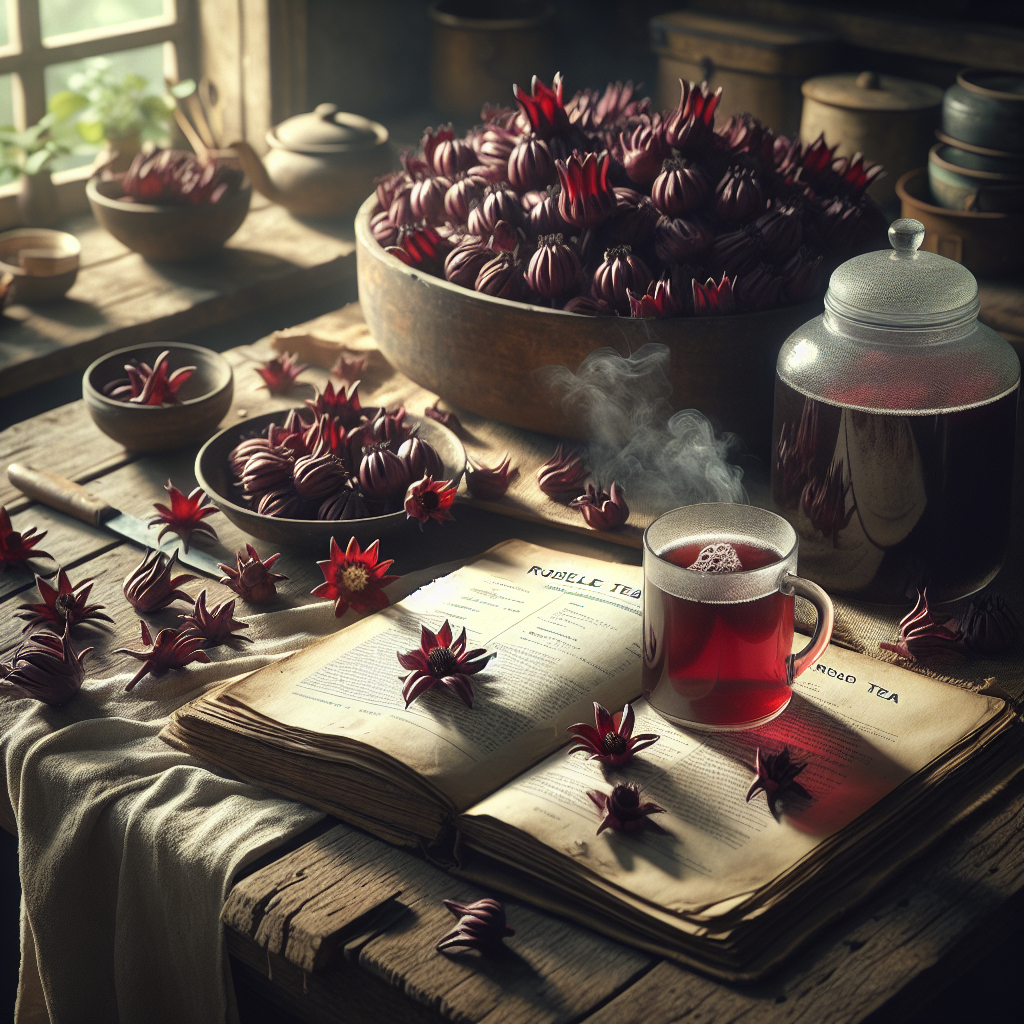
Roselle herbal infusions have surged in global popularity, not only for their vibrant crimson color but also for their refreshing tartness and numerous health benefits. Among enthusiasts and home brewers alike, the roselle tea recipe stands out as a timeless favorite because it’s naturally caffeine-free and remarkably simple to prepare. Yet, few realize that behind this deceptively simple brew lies a set of techniques and secrets that elevate it from a common herbal concoction to a restorative, aromatic delight. In exploring the roselle tea recipe in detail, we’ll peel back those secrets, revealing how small variations in processing, steeping time, and pairing can transform flavor and potency.
In traditional households across Africa, the Middle East, and Asia, roselle—also known as Hibiscus sabdariffa—has been a cultural staple for generations. From Egyptian karkadé to Caribbean sorrel drinks, the foundational roselle tea recipe has adapted to countless regional tastes. Each version holds a thread of heritage, representing stories of hospitality, healing, and community. Whether you drink it hot for comfort or iced for rejuvenation, the way you craft this crimson brew can say much about your culinary approach. This piece unveils how you can make your own batch just right—balanced, potent, and utterly captivating.
The Origin and Cultural Significance of the Roselle Tea Recipe
Before diving deep into crafting your infusion, understanding the historical route of the roselle tea recipe helps one appreciate its evolution. Roselle was native to West Africa and gradually spread through trade routes to India, Southeast Asia, and the Caribbean. Its tart calyces quickly became integral to both ritual and daily nourishment, cherished for their bright hue and refreshing acidity. For centuries, this brewing art reflected not only flavor preference but local identity, symbolizing hospitality wherever it was served.
Traditional Variations Across Continents
In Egypt and Sudan, “karkadé” refers to a version of the roselle tea recipe commonly served during weddings and festive occasions. It’s boiled to a deeper concentration, resulting in an almost wine-like hue. In Jamaica and the Caribbean, locals refer to it as “sorrel,” often brewed with ginger, cloves, and sugar—delivering a spiced tang perfect for holiday celebrations. Meanwhile, in Thailand, roselle tea leans lightly floral, sometimes cooled with crushed ice and honey for tropical relief. The global footprint of this tea underscores its adaptability and universal appeal.
Essential Ingredients and Equipment
To execute the classic roselle tea recipe successfully, selecting quality ingredients and proper equipment makes a tangible difference in aroma and color retention. Below are the main essentials every home brewer should gather.
Ingredients You’ll Need
A basic recipe calls for just a few ingredients:
- 1 cup of dried roselle calyces (Hibiscus sabdariffa flowers)
- 4 cups of filtered water
- Natural sweetener such as honey, palm sugar, or agave syrup to taste
- (Optional) Slices of ginger or a stick of cinnamon for a spiced variant
- (Optional) A squeeze of lime or orange to enhance zest
Equipment Checklist
You’ll need:
- A stainless steel pot or glass kettle
- Fine mesh strainer
- Glass pitcher or teapot
- Serving cups or chilled glasses
Although these may seem simple, their material makeup influences the outcome of your roselle tea recipe. Metal pots without protective lining can sometimes react with the hibiscus acidity, altering taste. For the best result, choose non-reactive containers like glass or ceramic for steeping and storage.
Step-by-Step Method: Crafting Your Perfect Roselle Tea Recipe
Once ingredients are gathered, attention shifts to syrup extraction and steeping management. The roselle tea recipe thrives under precise temperature and timing.
Classic Hot Infusion Method
1. Rinse your dried roselle calyces to eliminate dust.
2. Boil water, then lower the heat before adding the calyces.
3. Simmer gently for 8–10 minutes; the tartness intensifies with steeping time.
4. Turn off the heat and allow the brew to rest for another 5 minutes.
5. Strain the mixture to remove solid flowers.
6. Add sweetener while warm; stir thoroughly until dissolved.
7. Serve hot or let cool and refrigerate for a refreshing iced drink.
Cold Brew Technique
For a smoother tone and preservation of antioxidants, many enthusiasts prepare a cold version of the roselle tea recipe.
- Place 1 cup dried calyces in a glass pitcher filled with 4 cups cold water.
- Cover and refrigerate for at least 8 hours (or overnight).
- Strain and sweeten as desired before serving over ice.
Cold-brewing reveals subtler notes—less acidity, more floral layers—and can last up to three days if refrigerated properly.
Secret Enhancements That Transform Your Roselle Tea Recipe
Here lies the “shocking secret” behind the best roselle tea recipe: the interplay between flavor infusions, mineral balance in water, and post-brewing rest. Small tweaks can produce dramatic differences in hue and aroma.
Secret #1: Pre-toasting for Bold Flavor
Gently toasting dried calyces in a dry skillet for one minute releases deeper red pigments and caramel-like undertones. This step enriches the overall profile without requiring additional sweetener, making your brew naturally fuller-bodied.
Secret #2: Use Structured Water or Mildly Alkaline Water
Roselle thrives in slightly acidic conditions, yet starting with mildly mineralized or alkaline water stabilizes anthocyanins (the pigments responsible for its red hue). This keeps color vibrant and prevents dull browning after refrigeration.
Secret #3: Resting the Brew
Allow your finished tea to rest uncovered for fifteen minutes before refrigerating. This lets volatile acids balance out, turning astringency into refined tang. Those short moments separate an ordinary roselle tea recipe from a refined botanical drink worthy of a tearoom shelf.
Secret #4: Combine Sweet, Sour, and Spice Harmony
Blend flavors by layering unexpected spices. Common examples include star anise, fennel seeds, or dried orange peel. Sweetened versions can mimic fruit punch; unsweetened ones resemble gourmet tonics. Experimentation makes the roselle tea recipe a creative ritual.
Health Benefits Unveiled
Beyond visual and sensory pleasure, spending time refining your roselle tea recipe brings numerous health benefits. Rich in flavonoids and anthocyanins, it promotes cardiovascular balance, may help moderate blood pressure, and supports liver function. Traditional medicine prizes it as a cooling remedy for fatigue and mild inflammation.
Scientific Backing and Expert Insights
Research from the USDA and various international nutrition journals reveals that daily hibiscus infusions may modestly reduce systolic blood pressure and lower oxidative stress markers. According to data presented on
NIH Integrative Health (Hibiscus Tea), consistency and moderation remain key. Instead of treating it as a cure, view your roselle tea recipe as part of a balanced lifestyle focusing on hydration, mindfulness, and natural vitality.
Complementary Pairings
Roselle harmonizes beautifully with foods rich in minerals, such as leafy greens and grilled fish. Serving a cup alongside light snacks can complement salty and sweet arrays alike. Professional sommeliers have even experimented with roselle as a non-alcoholic alternative for wine pairings due to its deep aroma.
Modern Twists and Global Inspirations
As culinary creativity expands, global mixologists and chefs reinterpret the roselle tea recipe in distinctive ways. Urban tea bars now integrate it into craft mocktails, coupling the sour base with ginger beer or soda for effervescence.
Roselle Latte
Yes, you can transform a simple hibiscus infusion into a visually alluring latte. Blend cooled tea concentrate with frothed coconut milk, drizzle with honey, and enjoy a pink-cream masterpiece. Instagram-worthy and naturally vegan, this version combines photogenic appeal with light tanginess.
Fermented Roselle Kombucha
Brew strong tea using your base roselle tea recipe, mix with sugar, and use as the base liquid for kombucha fermentation. After a week, the flavors merge—tart, fizzy, and probiotic-rich. The shock lies in how hibiscus pigments evolve during fermentation—a living beverage that changes hue from ruby to garnet.
Roselle Iced Sparkler
For a quick summer refresher, pour concentrated roselle infusion over sparkling water, garnish with mint and citrus slices. This lighter interpretation of the roselle tea recipe offers hydration, style, and an unforgettable tangy sparkle.
Common Mistakes to Avoid When Making a Roselle Tea Recipe
With such a sensitive plant-based drink, missteps can occur easily. Consistency comes from avoiding these common issues.
- Overboiling: It can cause bitterness and a muddy color.
- Ignoring water quality: Chlorinated tap water dulls both aroma and brightness.
- Wrong storage: Keep in a sealed glass jar away from light to prevent flavor loss.
- Adding sweetener too early: It caramelizes under heat, masking floral tartness.
Understanding these missteps solidifies the foundation of your roselle tea recipe and ensures every batch maintains its lively balance.
Roselle Tea Recipe Serving Rituals
Serving goes beyond pouring tea into a cup; presentation influences perceived taste. The ritual around the roselle tea recipe intertwines culture, aesthetics, and mindfulness.
Hot Service Etiquette
Traditionally, many households pour the tea high from the pot to create foam. This aeration intensifies aroma. Use small transparent cups to highlight the radiant color. Accompany it with light snacks like candied ginger or sesame cookies.
Cold Service Elegance
Serve over crushed ice, with fresh mint, lemon wheel, or edible flower petals. Professionals suggest adding a pinch of sea salt for electrolyte balance and flavor contrast—a secret few share but transforms hydration appeal.
Preservation and Storage Secrets
Long-term enjoyment of your crafted roselle tea recipe depends on proper storage. Dried calyces should stay sealed in airtight glass containers, away from humidity. Once brewed, refrigerate and finish within 72 hours for optimal color and freshness. For longer lifespan, freeze into cubes—ideal for cocktails and punches. You can also transform leftover concentrate into syrups for desserts or frozen pops.
Further Learning and Exploration
If you wish to explore the cultural contexts of tea-making beyond the roselle tea recipe, visit the
Tea Culture Network.
For internal continuity, related reads include
Tea History through the Ages and
Tea Cultivation Techniques, both of which amplify understanding of how terroir and processing influence outcomes. Each offers valuable insight supporting experimentation with roselle and other herbal infusions.
Frequently Asked Questions
What makes a traditional roselle tea recipe unique among herbal teas?
The secret lies in its naturally high acidity paired with bold anthocyanins. Unlike most herbals, the roselle tea recipe delivers a natural ruby color and fruit-forward tartness without synthetic flavoring. Its distinctive floral-pomegranate note arises from hibiscus calyces, setting it apart from chamomile or lemongrass infusions. When steeped correctly, roselle tea balances tang, aroma, and restorative hydration. Its appeal extends globally because it unites simplicity with cultural heritage—an herbal ritual enjoyed equally in Caribbean celebrations and Asian afternoon lounges.
How can I make a roselle tea recipe that tastes more floral than sour?
To soften tartness, introduce dried rose petals or a touch of orange blossom water during steeping. The cold brew method of the roselle tea recipe naturally diminishes sharp acidity. Another important adjustment is reducing steeping duration to six minutes and incorporating sweet floral accents rather than heavier spices. This yields a nuanced bouquet reminiscent of fruit blossoms rather than citrus tang—ideal for sensitive palates seeking refinement. Allow the brew to mellow overnight in the refrigerator to deepen its perfume.
Is there a caffeine-free alternative using the roselle tea recipe for children?
Absolutely. The roselle tea recipe itself is naturally caffeine-free, making it suitable for children when lightly sweetened. For a playful version, combine the brew with apple juice or honey syrup. Keep acidity levels balanced by diluting with extra water or crushed ice. Beyond being a visually enticing drink, it’s a wholesome vitamin C booster, helping kids stay hydrated during warm months. Just avoid adding too much citrus if serving to toddlers with sensitive digestive systems.
How long can I store the prepared roselle tea recipe safely?
When kept in a sealed glass container inside the refrigerator, a fresh roselle tea recipe batch remains stable for up to 72 hours. Over time, oxidation may slightly darken its color and mute flavor. Freezing as cubes or converting leftovers into syrup can extend usability to several weeks. However, avoid metal storage, as acidity interacts with the surface leading to an undesired metallic aftertaste. Always label your brew date to ensure consistency and freshness.
What are the most effective sweeteners for balancing a roselle tea recipe?
Natural sweeteners marry best with roselle’s delicate structure. Palm sugar, agave, organic cane sugar, or wildflower honey yield clean results. Artificial sweeteners can introduce bitterness. The golden tip for achieving harmony in the roselle tea recipe is gradual adjustment: dissolve minimal sweetness first, taste, then refine. For sparkling variations, honey syrup or date sugar add subtle caramel depth without overwhelming aroma. The balance of sweetness enhances overall drinkability and prolongs satisfaction.
Can I mix my roselle tea recipe with other teas or herbs?
Yes! Hibiscus blends remarkably with green tea, lemongrass, or mint. Adding such combinations layers complexity and function. For instance, a half teaspoon of green tea yields a mild caffeine boost, while adding mint cools the palate. Herbalists often recommend combining dried roselle with cinnamon and clove in winter infusions. The roselle tea recipe’s adaptability supports endless creativity, and experimenting within temperature and proportion limits ensures a balanced and holistic beverage.
Why is my roselle tea recipe turning brown instead of red?
Unstable water quality or excessive boiling often causes color loss. The anthocyanins in roselle are sensitive to prolonged high heat or metal-induced oxidation. For optimal results, brew gently below boiling point and use filtered or mineral-balanced water. Once brewed, cool quickly and store in glass. Following these practices restores the rich tone essential to a standout roselle tea recipe. Color retention is a sign of both freshness and attention to brewing technique.
Are there any contraindications for consuming the roselle tea recipe daily?
For most people, moderate consumption of the roselle tea recipe is considered safe and beneficial. However, individuals on antihypertensive or diuretic medications should consult healthcare professionals, as roselle may mildly affect blood pressure and kidney function. Pregnant or breastfeeding individuals are advised to enjoy it occasionally rather than daily. As with any botanical infusion, awareness and moderation matter more than restriction. Overall, roselle tea remains a flavorful, nourishing beverage supporting well-being.


Leave a Reply