
There’s something truly comforting about preparing a chai tea recipe from scratch — the aroma of spices blooming in a warm pot, the way milk swirls into dark tea, and the balance of sweet and strong that feels both soothing and invigorating. This isn’t just a drink; it’s a ritual passed down through generations, each household tailoring its blend of cardamom, cinnamon, and cloves to create a signature cup. In this guide, we’ll walk you through not only how to make a chai tea recipe from scratch, but also explore what gives this beverage its depth, history, and health significance. The taste may surprise you — and the simplicity of making it might shock you even more.
Unlike ready-made mixes, crafting a chai tea recipe from scratch allows you to control every element. You decide on the intensity of the spice, the level of sweetness, and how strong the black tea should brew. This not only leads to a better cup but also connects you to centuries of tradition. Whether you are new to chai or an enthusiast, learning to prepare it from the ground up adds authenticity and mindfulness to every sip.
The Origins and Essence of the Chai Tea Recipe from Scratch
To understand why making chai yourself is so meaningful, it’s essential to look at the roots. Chai, simply translated, means “tea” in many parts of the world, but in India, it refers to a spiced, sweetened tea made with milk. The chai tea recipe from scratch evolved from ancient Ayurvedic traditions that valued herbs and spices for their healing properties. Over time, as black tea became more accessible through colonization and trade, the combination of tea with these traditional spices gave birth to what we now call ‘masala chai.’
Why Homemade Chai Holds More Authentic Flavor
A chai tea recipe from scratch invites you to revisit the old ways of preparation, where no two households brewed the same blend. A store-bought chai concentrate might taste fine, but it lacks the character that fresh spices bring. Grinding whole cardamom pods or crushing fresh ginger releases volatile oils that pre-ground mixes simply can’t preserve. Making chai by hand also heightens the sensory experience — the first crackle of spices in the pan, the sweet steam that rises when milk meets the spiced brew, and finally, the first sip that feels like a journey in a cup.
Key Ingredients in a Traditional Chai Tea Recipe from Scratch
Every chai lover swears by their own combination, but at the core of a classic chai tea recipe from scratch, you’ll find:
- Black tea leaves: Assam is ideal for its robust flavor and malty base.
- Fresh ginger: Adds gentle heat and freshness.
- Cardamom pods: Lends floral aroma and a touch of sweetness.
- Cinnamon stick: Balances spice and warmth.
- Cloves and peppercorns: Provide depth and spice kick.
- Whole milk: Traditional, but plant-based alternatives work too.
- Sweetener: Brown sugar or honey brings harmony.
Step-by-Step Guide to Crafting Your Perfect Chai
Now that the foundation is set, let’s carefully prepare the chai tea recipe from scratch. This method ensures a balance between strength, smoothness, and spiced complexity.
Step 1: Bloom Your Spices
Start by lightly crushing cardamom pods, cloves, peppercorns, and a small cinnamon stick. Add them to a small pot with a cup of water. Bring to a gentle simmer and allow the spices to infuse for at least five minutes. This step is what transforms plain tea into chai — blooming the spices coaxes out essential oils, intensifying flavor and aroma. Making a chai tea recipe from scratch without this step would leave the taste flat and unbalanced.
Step 2: Add the Tea Leaves
Once the spices are fragrant, add strong black tea leaves — typically 1 to 2 teaspoons per serving. Reduce the heat and simmer again for 3–4 minutes. Remember that real chai has depth, a slightly tannic body balanced by milk and sugar. Choosing a good-quality Assam or Darjeeling enriches the entire cup. According to the Tea Association of the USA, black teas from India remain prized for their hearty, flavorful profiles, perfect for chai blends.
Step 3: Add Milk and Sweetener
Pour in the milk — traditionally equal parts to water for a creamy texture. Bring this mixture to a slow boil, stirring occasionally. At this stage, add brown sugar, jaggery, or honey depending on preference. Allow the chai to froth gently, then lower heat. When you make a chai tea recipe from scratch, this simmering step determines richness. The longer you simmer without scalding, the thicker and silkier your drink becomes.
Step 4: Strain and Serve
After another few minutes, strain the tea into mugs. Breathe in before sipping. The aroma alone is worth the effort — a comforting reminder of spice bazaars and early morning street vendors. You can garnish with a dust of nutmeg or a cinnamon stick for presentation. Don’t underestimate the simple pleasure of slowly drinking tea you crafted entirely by hand.
Adjusting Spices and Flavor Profiles
A chai tea recipe from scratch adapts beautifully to personal taste. Here’s how you can experiment without losing authenticity.
Balancing Spice and Sweetness
If your chai feels too spicy, a small spoon of condensed milk softens it. If it’s too sweet, add an extra dash of black tea or a small piece of dried ginger. Every small tweak teaches you balance. Over time, you’ll create your signature blend — much like experienced chai wallahs who never measure but always know when it’s right.
Regional Spice Variations for Chai Tea Recipe from Scratch
Across India, chai traditions shift by climate and culture:
- North India: Heavier on cardamom and ginger for warmth in cold regions.
- Gujarat: Sweeter chai with notes of fennel and anise.
- Maharashtra: A bolder tea, richer in black pepper and clove.
- South India: Sometimes brewed with crushed lemongrass or mint for freshness.
Each version reminds us why making a chai tea recipe from scratch is an art — not a formula.
Health Benefits of Homemade Chai
Beyond taste, chai carries notable wellness benefits. Ayurveda has long recognized the digestive and immune-supporting properties of the basic chai spices. Modern research from India’s Tea Board continues to explore these benefits in detail.
Digestive and Metabolic Support
Ginger aids digestion and helps soothe inflammation. Black pepper enhances absorption of nutrients. Cinnamon may support blood sugar balance. When you prepare a chai tea recipe from scratch, you consume these natural compounds in their freshest form, maximizing their therapeutic potential without additives.
Stress Relief and Mindfulness
The simple act of boiling tea and spices serves as a mindfulness exercise. Pouring, stirring, and waiting calm the mind and prepare you to savor the finished drink fully. In a world of instant gratification, slow brewing embodies patience and gratitude — both key elements of a holistic tea experience.
The Science of Flavor in a Chai Tea Recipe from Scratch
Each spice carries volatile aromatic compounds that interact with tea tannins and milk proteins differently. When balanced properly, they produce the multi-layered taste we associate with traditional chai. Consider the chemistry: gingerols add heat, eugenol from cloves provides depth, and linalool from cardamom brings brightness. Brewing time and temperature transform these oils into a unified flavor structure. Making your chai from scratch allows full control of flavor release and concentration.
Temperature and Timing
Water heated between 95–100°C best extracts tea tannins and spice oils. However, milk added too early can suppress infusion. Try adding milk after initial spice extraction for optimal balance. Keeping this awareness makes your chai tea recipe from scratch consistently smooth and rounded.
Enhancing Your Chai Ritual
A perfect cup involves more than ingredients. Presentation, companionship, and setting matter. Serving chai in clay cups (kulhads) enhances its earthy character, while pairing with light snacks — like samosas or biscuits — creates a cultural experience. Whether enjoyed alone with a book or shared among friends, the ritual nurtures comfort and connection.
Creative Twists to Modernize the Classic
Once you master the traditional chai tea recipe from scratch, you can play with flavors. Add a splash of vanilla, a pinch of nutmeg, or a drizzle of caramel for a dessert version. Mix cold brew chai with ice for summer. Plant-based milk lovers can use oat or almond milk for softer textures — each one brings a distinct twist.
Photography and Serving Tips

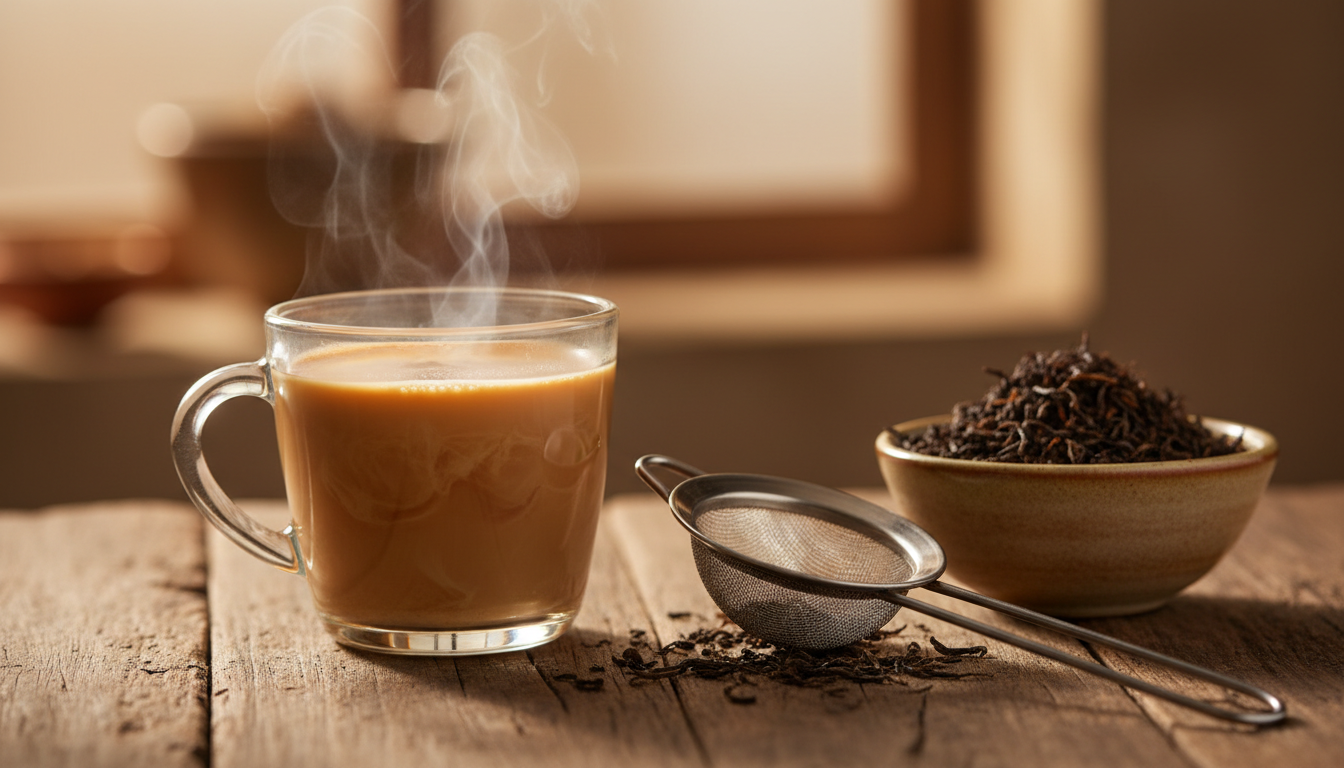
Serve in small mugs or transparent glasses to show off its creamy tone. Photographing chai near warm natural light enhances its inviting look. Add crushed cardamom pods or cinnamon sticks on the side for texture in presentation.
Common Mistakes and How to Fix Them
Even seasoned brewers might overboil, underspice, or over-sweeten. Here’s how to correct common issues:
- Bitter taste: Brewed too long; reduce tea leaf quantity or heat time.
- Bland flavor: Spices not fresh enough; always toast or crush freshly.
- Curdled milk: Avoid adding cold milk directly to boiling tea; simmer gently first.
- Too watery: Equal parts milk and water generally provide the right creaminess.
Each mistake refines your technique. The more you adjust and taste, the closer you get to your version of perfection in a chai tea recipe from scratch.
Pairing, Storage, and Sustainability
After brewing, refrigerate leftover chai for up to two days. Reheat gently — never boil again — to preserve its texture. For sustainability, buy loose tea and spices in bulk, store them in airtight jars, and compost used tea leaves. You can even reuse certain spices once if they’re not over-boiled. To explore ethical tea sourcing further, visit this tea cultivation article from teastory.blog.
Perfect Food Pairings
Try your chai with lightly sweet treats like almond biscotti, banana bread, or Indian snacks like pakoras. Savory and spicy foods contrast beautifully with the creamy sweetness of the chai base. The concept of balance between spice, salt, and sweet is key to the cultural appreciation of chai across the globe.
Linking Tradition and Modern Taste
Many cafés now highlight the cultural heritage behind this drink. Learn more about the storytelling aspect of chai on Tea History, where the evolution of this tea journey is explored in depth.
Conclusion: Rediscovering Comfort through Chai
When you take time to make a chai tea recipe from scratch, you rediscover what makes tea culture timeless — patience, sensory awareness, and affection for small details. Each ingredient has a purpose, each step adds harmony. The result: a cup that feels authentically yours. This process trains not just your palate, but your appreciation for craft and calm. In every steep and simmer lies an ancient rhythm, one that continues to soothe modern life, one cup at a time.
Frequently Asked Questions
What makes a chai tea recipe from scratch different from store-bought chai?
Making a chai tea recipe from scratch means controlling the freshness and balance of spices. Store concentrates often rely on artificial flavors and sweeteners. When preparing chai yourself, you unlock volatile oils and natural antioxidants from real ingredients. This customization is why homemade chai delivers stronger aroma and more authentic taste compared to pre-mixed versions that lose integrity over time or during packaging.
How can I store spices for my chai tea recipe from scratch?
Keep spices in airtight containers away from sunlight and humidity. Whole spices last longer than ground varieties. For maximum flavor, crush small batches right before use. If you consume chai daily, buy smaller quantities more frequently. Proper spice care ensures that every chai tea recipe from scratch keeps tasting bright and complex, not stale or muted.
Can plant-based milk work in a chai tea recipe from scratch?
Yes. Almond, soy, or oat milk can replace dairy milk easily. Oat milk adds creaminess, while almond milk gives a subtle nuttiness. The trick is to avoid overheating, as plant-based milks can curdle when boiled. Warm them separately, then combine near the end. This practical tweak allows everyone to enjoy a chai tea recipe from scratch that fits dietary choices without compromising quality.
Does caffeine content change when making chai tea recipe from scratch?
It depends on the tea base and steeping time. Strong Assam teas contribute higher caffeine, while shorter brewing or lighter teas give mild results. Because chai also includes milk and spices, caffeine absorption feels gentler. Those seeking less stimulation can use decaffeinated black tea. A homemade chai tea recipe from scratch lets you adjust both energy levels and flavor depth effortlessly.
What is the best sweetener for a chai tea recipe from scratch?
Traditionalists prefer jaggery or brown sugar for their caramel undertone, but honey and maple syrup offer softer sweetness. Test small quantities until you find your ideal balance — remember that milk and certain spices already bring natural sweetness. The goal of every chai tea recipe from scratch is harmony, where no single note, not even sugar, overpowers the rest.
Can I make a cold version of a chai tea recipe from scratch?
Absolutely. Brew double-strength chai, strain, and chill for several hours. Serve over ice with a dash of milk and sweetener. Cold chai brings freshness and satisfies during warm months. You can even add vanilla or whipped foam for a café-style twist. The flexibility of a chai tea recipe from scratch ensures you can enjoy it in every season.
Why is my homemade chai not as fragrant as expected?
This usually means the spices weren’t fresh or adequately bloomed. Always crush cardamom and cloves right before brewing. Simmer them gently — do not boil vigorously. Overheating can dull aromas. Using aged tea also mutes scent and flavor. For the most striking fragrance, treat your chai tea recipe from scratch like a culinary craft; balance heat, timing, and freshness together.
Is there a specific order to add ingredients in a chai tea recipe from scratch?
Yes, the order enhances both structure and taste. Always start with spices in water first, then add tea leaves, and finally milk and sweetener. This sequence allows each component to steep correctly without overwhelming others. Following this trusted process will make your chai tea recipe from scratch consistently flavorful and aromatic across every batch.



Leave a Reply