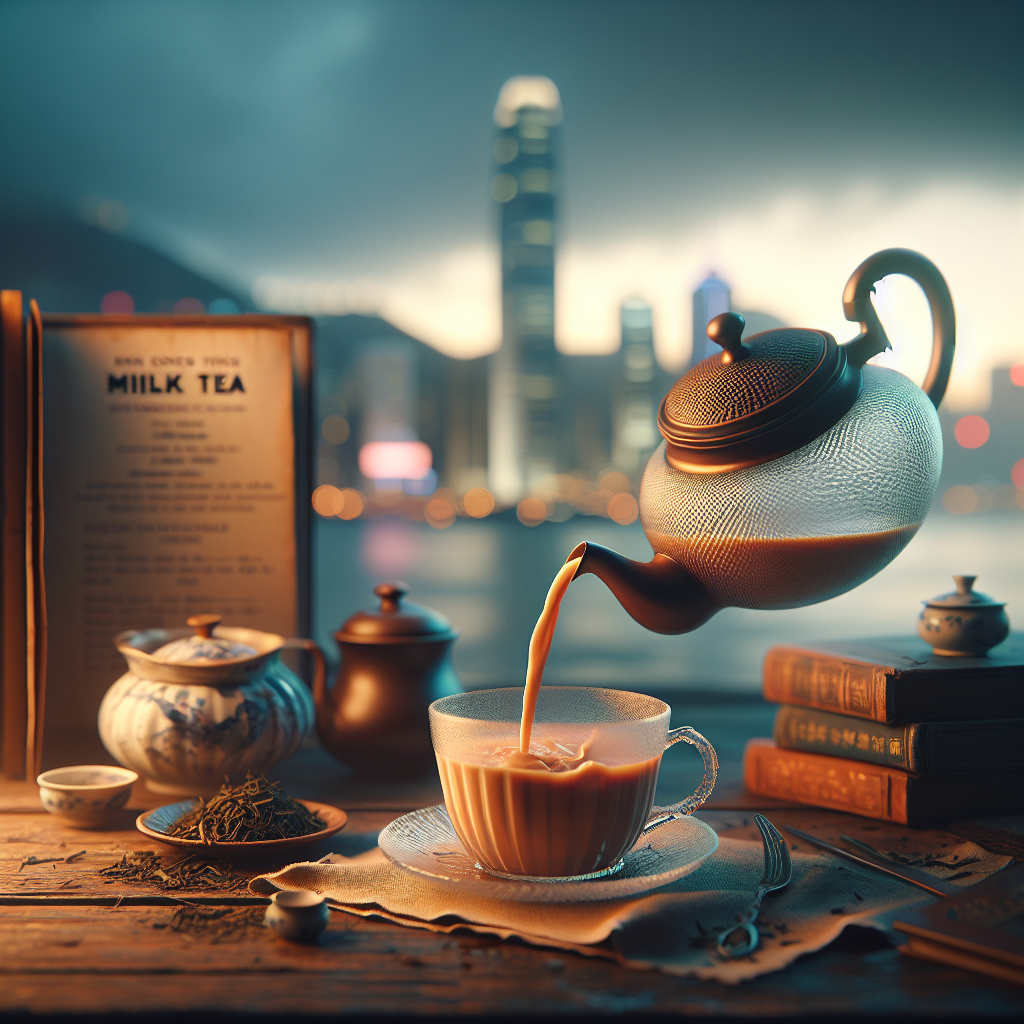
There’s a mystery behind the world-famous cup that defines Hong Kong’s café culture — the hk milk tea recipe. Known for its velvety texture, rich aroma, and unapologetically strong finish, this drink is not merely an everyday beverage; it’s a story steeped in colonial history and local innovation. Many have tried to master it, but few achieve that perfect blend of bitterness, strength, and smoothness. In this article, we’re going to reveal the shocking secrets behind the authentic hk milk tea recipe, exploring its origins, brewing science, and expert techniques for home preparation. You’ll learn why its “silk stocking” method isn’t just a quirky name, and why every detail — from tea leaf to pour — matters more than you think.
Before diving into the actual steps, it’s worth understanding that the hk milk tea recipe is more than a procedural guide; it’s a craft that resonates with culture, patience, and precision. Whether served in a traditional cha chaan teng (Hong Kong-style café) or brewed at home for a slow afternoon, this drink has earned its reputation as an art form. The following sections blend practical instruction with deep insight, guiding you toward the kind of result that surprises even professionals. Every sip of hk milk tea carries a layered flavor profile: robust Ceylon leaves, deep tannins, and the creamy linger of evaporated or condensed milk.
Understanding the Origins of the hk milk tea recipe
This beverage took root during British colonial times, when afternoon tea was a social staple. Locals adapted the Western method by combining black tea with canned milk instead of fresh dairy, creating a hybrid drink uniquely suited for Hong Kong’s fast-paced environment. What resulted was a deep amber concoction that balanced strength and smoothness. The evolution of the hk milk tea recipe reflects Hong Kong’s identity itself — East meets West, tradition fused with modern efficiency. Each serving is a microcosm of cultural adaptation and flavor innovation.
The Colonial Crossroads of Taste
The hk milk tea recipe reveals much about how colonial influence reshaped local preferences. Originally, British tea culture emphasized refinement; Hong Kong street cafés transformed it into an accessible ritual. Traditional cafés use tools born from necessity — long-spouted kettles, mesh bags resembling silk stockings, and lightweight enamel cups that retain warmth yet remain easy to handle. Through these adaptations, Hong Kong created a national drink that merges British heritage and Cantonese practicality.
The “Silk Stocking” Myth Debunked
One of the most misunderstood elements of the hk milk tea recipe is the so-called “silk stocking.” Despite the name, no actual silk is used. The term refers to the color and texture of the cloth filter after repeated uses; with time, the nylon or cotton filter darkens and softens, achieving a silk-like smoothness. This filtration process removes harsh notes and unifies flavors, giving the tea its signature mellow finish. Some veteran brewers swear their filters carry years of flavor memory, likening it to seasoning a cast iron pan.
Essential Ingredients for an Authentic hk milk tea recipe
The balance of strength and smoothness depends primarily on the choice of tea and milk. Three key components anchor every authentic version: quality black tea, evaporated milk, and precise ratios. Inferior tea leaves or using fresh milk instead of evaporated can derail the entire drink’s harmony.
Choosing the Right Tea Blend
At its heart, the hk milk tea recipe relies on strong-bodied Ceylon black teas. Many expert brewers mix multiple grades for depth and aroma. A typical blend may include Ceylon Orange Pekoe for body, Broken Orange Pekoe for sharpness, and a touch of Assam for color. The goal is consistency: when brewed, the tea should be dark enough to resemble copper, not black ink. When in doubt, opt for teas certified by the Tea Board of India to ensure quality and provenance.
Tea-to-Water Ratio Secrets
For an ideal hk milk tea recipe, proportions matter. The general rule is 1 tablespoon of loose leaf tea for every 100ml of water. Adjust by one or two grams to fine-tune intensity. Over-steeping creates bitterness; under-steeping yields weak flavor. Authentic cafés brew in large pots and strain repeatedly, mixing the batches to ensure balanced potency throughout service. Home brewers can mimic this by pre-brewing two batches and blending them for smoother texture.
Why Evaporated Milk Defines Texture
Contrary to assumptions, condensed milk is not typically used in the base hk milk tea recipe; it adds excessive sweetness and disrupts texture. Evaporated milk offers richness without overpowering fragrance. When added to hot tea, it leaves a silky finish that coats the palate. For comparison, the same volume of fresh milk would thin the drink, dulling the distinctive caramel undertone. Popular brands in Hong Kong have become synonymous with quality due to their balanced fat content, which makes or breaks this beverage’s body.
Step-by-Step Brewing Method for the hk milk tea recipe
The following procedure represents the authentic brewing cycle practiced by professional vendors. Repetition, precision, and timing are key.
Step 1: Preparing the Tea Base
Boil fresh filtered water to 100°C. Add the blended tea leaves, reduce the heat slightly, and simmer for 5 minutes. Stir occasionally to release essential oils. The liquid should darken steadily without clouding. Once the aroma becomes dense and woodsy, your base tea is nearly ready.
Step 2: The “Pulling” Technique
Now comes the hallmark of the hk milk tea recipe: pulling. Pour the tea from one pot to another at arm’s length, repeating this motion about four to five times. This introduces oxygen, cooling the tea slightly and producing microbubbles that yield a smoother finish. It also homogenizes the flavor layers. Skilled brewers often perform this move with flair, reinforcing the beverage’s cultural showmanship.
Step 3: Filtering for Smoothness
Pour the tea through a clean, seasoned cloth filter. If you’re reusing your filter, ensure it’s rinsed but not soaped—the fabric should retain a hint of previous brews that enhance depth. The repeated strainings refine the mouthfeel, transforming rough tannins into silkiness. If done right, you’ll notice an even density throughout the pour.
Step 4: Integrating the Milk
To perfect the hk milk tea recipe, allow the tea base to sit for ten seconds after filtering. Then, in a separate metal mug, add 50ml of evaporated milk per 150ml of tea. Stir in a continuous swirl rather than a back-and-forth motion. Serve immediately while hot, without added sugar—traditionalists believe sweetness dulls the flavor spectrum. If you must sweeten, dissolve sugar in hot water first; never stir granulated sugar directly into the cup.
Step 5: Optional Cooling Variations
Cold hk milk tea is a summer essential. Pour the finished hot version into a tall glass filled with large ice cubes. The taste will differ slightly—sharper, with diluted caramel notes—but still satisfying. Some cafés shake the chilled version vigorously in metal tumblers to generate foam, giving the tea a café latte-like allure.
Shocking Secrets Behind Perfect Brew Consistency
Even long-time baristas guard their brewing formula. The consistency of the hk milk tea recipe lies in subtle hacks that go beyond ingredient lists and ratios. Let’s uncover these nuanced tricks that transform good into great.
Water Hardness and Mineral Influence
Water quality dramatically affects extraction. Tap water with high calcium content can produce cloudy tea, dulling its brilliance. Serious brewers use soft filtered water, maintaining mineral balance for clarity. One secret some masters rely on: adding a small pinch of baking soda to soften hard water subtly, resulting in a clean taste after brewing.
Double Brewing: The Café Secret Weapon
Most ordinary recipes stop after one boil, but the real hk milk tea recipe demands double extraction. Brew a concentrated batch first, then mix one-third of it with fresh water and reboil for three minutes. This deepens tea strength without bitterness, yielding a bolder profile. It’s a signature trick in decades-old tea stalls where consistency is paramount.
Temperature Control for Flavor Integrity
Never allow the tea leaves to sit in direct heat for too long between pulls. Excessive boiling burns tannins, producing a metallic aftertaste. Instead, alternate between high heat during simmering and a brief resting phase between pulls. The resulting temperature stability maintains the tea’s integrity and prevents bitterness from emerging prematurely.
Common Mistakes When Making an hk milk tea recipe
While the process seems straightforward, novices frequently stumble due to a few recurring missteps. Awareness of these will refine your brewing journey significantly.
- Over-steeping the tea base, causing acridness.
- Using sweetened condensed milk instead of evaporated milk.
- Skipping the pulling stage, resulting in a flat taste.
- Neglecting filter maintenance after multiple uses.
- Adding sugar granules directly to the hot tea base.
Every misstep alters texture and mouthfeel, emphasizing why the hk milk tea recipe requires mindfulness. Like artisan coffee, the smallest oversight can spoil the experience entirely.
Health and Lifestyle Insights Around hk milk tea recipe
Though rich and indulgent, milk tea can fit into a balanced lifestyle if prepared thoughtfully. Use moderate milk levels and avoid artificial flavorings. The antioxidants in black tea provide several health benefits, including support for heart health and metabolism enhancement. Evaporated milk adds calcium and protein, while low-fat versions can reduce fat content without sacrificing true flavor. Remember, the hk milk tea recipe existed before diet trends — yet it has naturally stood the test of time.
Modern Upgrades Without Losing Authenticity
Some contemporary brewers are exploring vegan adaptations, substituting oat or almond milk while retaining the pulling and filtering methods. Others incorporate cardamom or nutmeg to elevate aroma. These innovations expand the hk milk tea recipe into global fusion territory while honoring its traditional principles. Such creativity ensures the drink remains relevant for new generations worldwide.
Pairing Ideas and Cultural Enjoyment
In Hong Kong, this beverage rarely stands alone. It’s paired with iconic dishes like pineapple buns, macaroni soup, or French toast dripping with syrup and butter. Together, they embody the city’s spirit — unpretentious yet inventive. Preparing the hk milk tea recipe at home connects you to that culture, one that values precision disguised as simplicity.
Where to Experience the Best Versions
Travelers can savor iconic renditions at heritage cafés like Lan Fong Yuen and Mido Café. These spots guard their brewing formulas closely. For deeper insight into tea craftsmanship, explore Tea Society International or visit local communities documented on Tea Story Blog: Tea History. Comparing regional variations heightens appreciation for the meticulous skill each brewer invests in their daily craft.
Advanced Experimentation with hk milk tea recipe
Once you master the classic, try modifications that align with personal preference. Some connoisseurs introduce smoky lapsang souchong to deepen aroma or a splash of Irish cream syrup for evening indulgence. We recommend logging your adjustments — steeping time, milk ratios, or leaf brand — to refine a signature house blend. Over time, these experiments transform your home practice into an ongoing exploration, bridging tradition and creativity.
Matching Tea Storage with Quality Retention
Preserve tea freshness by keeping leaves in airtight, opaque containers away from spices. Use within six months for optimal potency. The hk milk tea recipe loses its signature balance if the tea’s volatile compounds fade. Cooling, dark storage is crucial for long-term reliability, ensuring every brew retains its layered depth.
Serving Presentation Tips
Hong Kong cafés traditionally serve in porcelain cups showcasing a light caramel hue through the rim — the mark of ideal concentration. A small saucer collects any drips, honoring the etiquette imported from British high tea but made more casual. For home serving, you can imitate the classic look with delicate glass cups to reveal the drink’s creamy swirl. Add a light foam layer for modern appeal, inspired by coffee culture fusion.
Linking Heritage and Sustainability
True mastery of the hk milk tea recipe also demands social awareness. Sustainable sourcing supports the livelihood of tea farmers and protects the environment from overharvesting. Choose estates engaged in fair trade or organic certification. Learn about cultivation techniques and their environmental impact through Tea Story Blog: Tea Cultivation. Supporting responsible production not only elevates your drink’s ethical value but also safeguards flavor traditions for future generations.
Frequently Asked Questions
What makes an authentic hk milk tea recipe different from regular milk tea?
An authentic hk milk tea recipe stands out due to its use of strong black tea and evaporated milk combined in precise proportions. Regular milk teas often rely on premixed powders or fresh milk, which dilute the taste. Hong Kong’s version follows a unique pulling and filtering sequence that aerates the tea, adding smooth depth and removing harsh bitterness. Its origin in British colonial influence makes it a fusion of Western technique and local invention, setting it apart as a meticulously crafted daily drink rather than a simple refreshment.
Can I replicate the hk milk tea recipe without special equipment?
Yes, you can brew an impressive hk milk tea recipe with basic household tools. Use any fine mesh strainer if you don’t own a nylon tea sock. Two metal pots or stainless mugs can substitute for the professional pulling method. The key lies in maintaining brewing control — timing, temperature, and proportion. While café tools enhance consistency, home methods can achieve similar results by imitating the process carefully. What truly counts is using quality black tea, the right milk, and repeating the pull sequence for silky mouthfeel and layered aroma.
Which tea brands or origins work best for the hk milk tea recipe?
For the hk milk tea recipe, select premium Ceylon black tea from Sri Lanka for its medium body and crisp finish. Complement it with small doses of Assam for color and Indonesian or Kenyan leaves for aroma. Blending creates complexity; single-origin teas often lack depth. Authentic Hong Kong brewers usually avoid flavored or perfumed varieties. Always verify freshness by checking harvest dates and storing away from moisture. Loose-leaf tea consistently outperforms bagged versions, ensuring better extraction and richer texture when mixed with evaporated milk.
Is it possible to make a vegan version of the hk milk tea recipe?
Absolutely. Replace evaporated milk with barista-style oat, soy, or cashew milk. These plant-based alternatives provide creaminess without losing balance. The rest of the hk milk tea recipe remains identical — strong tea base, repeated pulling, and filtering. Vegan adaptations have gained popularity in modern cafés embracing sustainability. For enhanced resilience, test multiple brands of plant milk to find one that can withstand heat without splitting. Sweeten gently with raw sugar or agave syrup to maintain flavor integrity and echo the silky texture of classic Hong Kong milk tea.
How should I store tea leaves for the hk milk tea recipe?
Proper storage safeguards the quality of your hk milk tea recipe. Keep leaves in airtight, non-transparent containers stored in a cool, dark environment. Avoid glass jars exposed to light or humid kitchens. Refrain from refrigeration, which causes condensation and aroma loss. Ideal conditions extend shelf life and preserve volatile oils, leading to a richer brew. Label your container with purchase date and finish within six months. Remember that stale leaves yield a flat drink lacking signature sharpness. Reliable storage ensures consistency across every cup.
Does the temperature affect the hk milk tea recipe flavor?
Temperature plays a pivotal role in shaping flavor balance. For the hk milk tea recipe, boiling water ensures strong extraction, while over-boiling extracts undesirable bitterness. The ideal method alternates between active simmering and controlled cooling. Pulling also regulates temperature naturally, reducing harsh heat. Experienced brewers use intuition — watching steam levels rather than thermometers. Maintaining gentle consistency brings out caramel and malt undertones without metallic sharpness. Never brew lukewarm; only vigorous boiling releases the signature robust character that defines authentic Hong Kong-style milk tea.
Why do some versions of the hk milk tea recipe taste different at various cafés?
The variation stems from differences in tea blends, water quality, and brewing rhythm. Each café has its secret formula, adjusting ratios by sight, smell, or tea leaf freshness. Even brand of evaporated milk can influence mouthfeel. Furthermore, pulling style and filter seasoning cause subtle texture changes. The hk milk tea recipe relies on craftsmanship rather than mere measurement. So each location delivers a signature tone — some lighter with floral hints, others darker with smoky edges. Exploration is part of the drink’s enduring charm across generations.




Leave a Reply