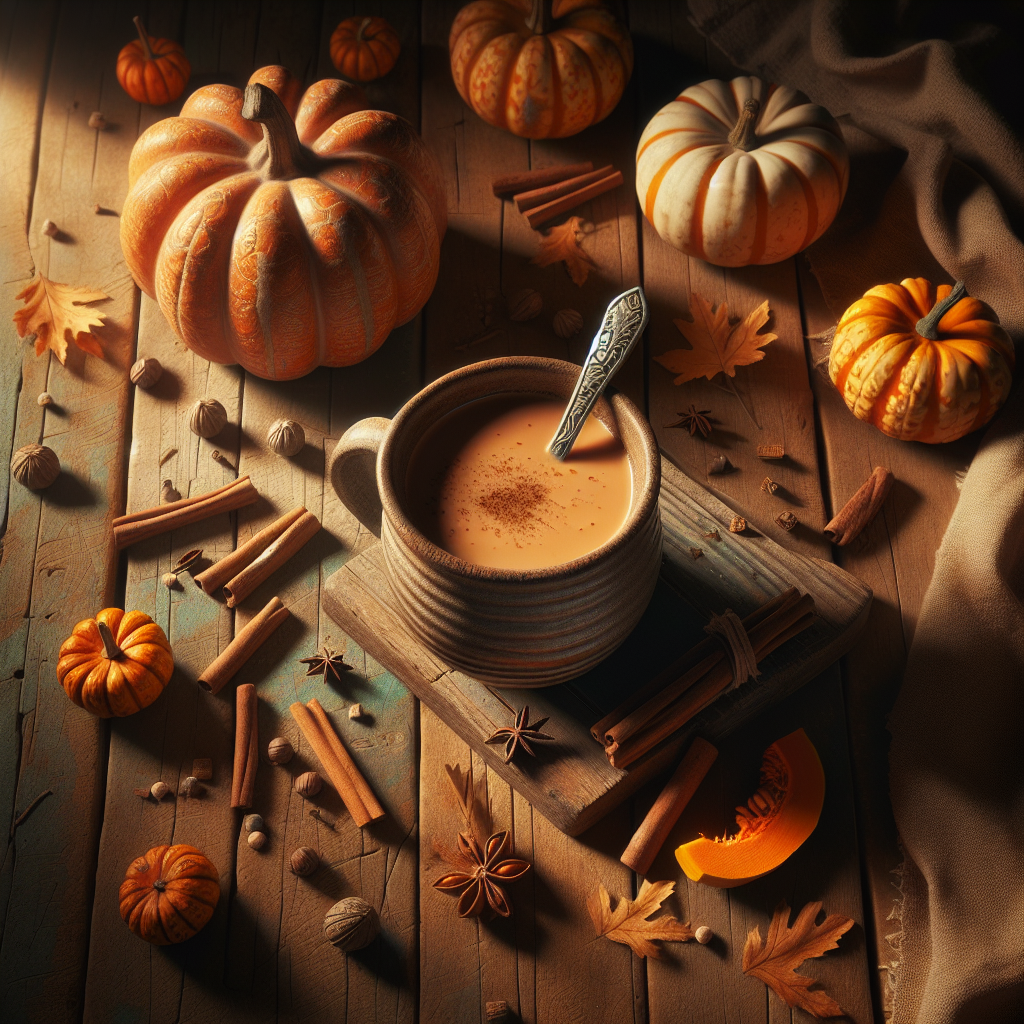
There’s something uniquely comforting about sipping a warm cup of pumpkin chai on a crisp autumn morning. The aroma alone is enough to stir nostalgia – hints of spiced pumpkin pie blended with the gentle warmth of black tea and milk. Yet, not everyone agrees on how it tastes. For every devotee who calls pumpkin chai the ultimate fall indulgence, there’s someone who insists it’s too sweet, too artificial, or just plain overhyped. In this review, we explore this love-hate dynamic by tasting, analyzing, and uncovering what makes pumpkin chai such a hotly debated seasonal beverage.
The cultural obsession with seasonal drinks is nowhere more apparent than in coffee shops each year when the first chill hits the air. Pumpkin chai steps into that world as tea’s answer to pumpkin spice lattes — a beverage that promises warm spice, depth, and coziness without the coffee buzz. But does it deliver? Through this review, we’ll explore not only the flavor itself but also how it fits into the broader landscape of spiced beverages, why tea enthusiasts are divided, and what it reveals about flavor trends today.
What Makes Pumpkin Chai Unique
Pumpkin chai stands out because it merges two distinct traditions: the bold, spiced notes of classic Indian masala chai and the nostalgic sweetness of North American pumpkin pie. This fusion creates a sensory profile that feels both exotic and familiar. A well-crafted pumpkin chai offers an aromatic bouquet of cinnamon, nutmeg, clove, ginger, and often a smooth undertone of vanilla or caramel to round the edges.
The Core Flavor Components
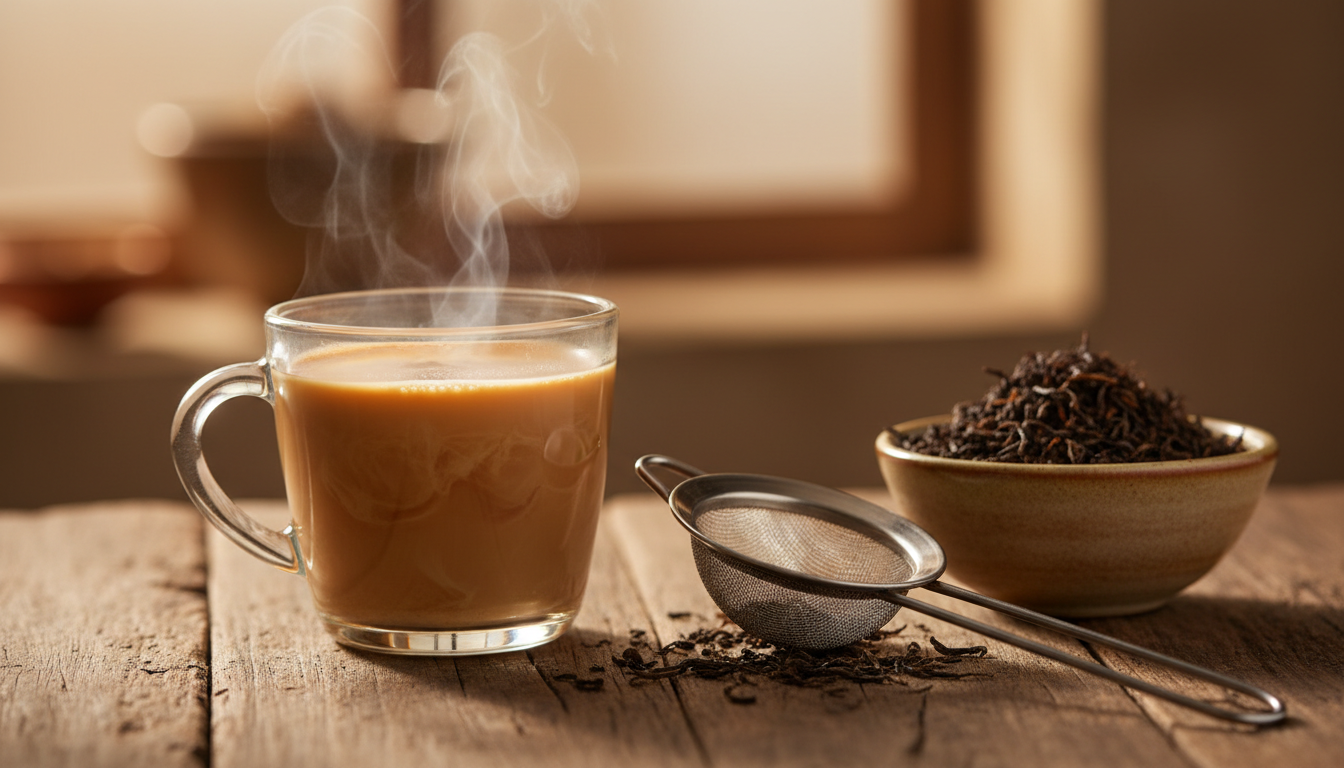
At the heart of any pumpkin chai lies a strong black tea base, usually Assam or Ceylon, renowned for their robust character. These teas can hold up well against rich spices and milk. To this foundation, tea blenders add dried pumpkin or pumpkin essence, sweet spices, and sometimes natural flavor oils. The addition of pumpkin imparts a subtle creaminess, giving the drink that cozy fall signature.
- Black Tea: Provides caffeine structure and depth.
- Pumpkin Essence: Adds a mild, earthy sweetness.
- Spices: Cinnamon for warmth, ginger for heat, clove and nutmeg for complexity.
- Optional Additions: Sweeteners, vanilla, or caramel flavor to elevate comfort.
Aromatic Experience and Visual Appeal
A big part of what makes pumpkin chai delightful – or divisive – is its multisensory nature. Visually, the blend shows off an inviting mix of amber leaves speckled with orange chunks or spice flecks. When steeped, it turns into a rich russet brew. The aroma is enveloping: imagine opening the oven door to a freshly baked pumpkin bread. That’s what loyal fans love most. For detractors, however, this same richness borders on overwhelming.
Why People Love Pumpkin Chai
To understand the affection many feel for pumpkin chai, you need to appreciate the emotional role of seasonal rituals. Every autumn, the arrival of limited-edition teas sparks joy akin to holiday celebrations. Pumpkin chai, in that context, isn’t just tea; it’s a symbol of sweater weather, golden leaves, and comfort.
Emotional Connection and Nostalgia
Many enthusiasts link their first sip of pumpkin chai to moments of calm and connection — chatting with friends in cozy cafés or reading by the window while rain trickles down the glass. This beverage engages nostalgia without being cloying, provided the balance of spices is right. That psychological warmth can turn casual tea drinkers into loyal customers who await its seasonal comeback each year.
Depth in Flavor and Psychological Warmth
There’s a real phenomenon at play here known as “olfactory memory.” The smell of pumpkin chai triggers memories associated with holidays, home baking, or family gatherings. In blending tea and pumpkin spice, the drink acts as a sensory bridge between everyday tea drinking and festive indulgence. For some, that emotional layering transforms it from an ordinary beverage into an experience worth seeking out each fall.
Why Others Dislike Pumpkin Chai
Of course, not everyone is charmed by pumpkin chai. Critics often cite artificial flavoring, excessive sweetness, or the overpowering dominance of spice over actual tea. Some purists resist the idea that tea should mimic dessert, arguing that chai should remain with its traditional blend and not bend toward Westernized flavors.
Overpowering Flavors and Imbalanced Sweetness
When pumpkin chai is poorly blended, the flavors can feel more like syrup than spice. Artificial pumpkin notes can drown the subtler presence of the tea leaves. In blind taste tests conducted across social forums and tea communities, participants have described bad versions of pumpkin chai as “candy-like” rather than complex.
Traditionalists’ Viewpoint
For traditional chai drinkers from India, adding pumpkin may seem unnecessary. Their beloved masala chai already relies on intricate spicing and perfect tea extraction. Many point out that the essence of chai lies in its balance — a unity of tannin, spice, and sweetness that doesn’t rely on novelty. To them, pumpkin chai feels like a cultural rebranding rather than an innovation.
How to Brew the Best Pumpkin Chai
Proper preparation makes the difference between a syrupy pumpkin chai and a perfectly balanced one. Brewing technique, milk choice, and spice ratios determine whether the drink achieves harmony or falls flat.
Brewing Ratios and Techniques
To make pumpkin chai at home, steep 1 teaspoon of tea per cup in freshly boiled water (around 95°C). Let it brew for 4–5 minutes to draw out the spice oils without infusing bitterness. Then add warm milk — dairy or oat milk both complement pumpkin nicely — and a touch of sweetener if desired. The goal is to let the tea lead, not the sugar.
- For light spice: 3 minutes brew time
- For bold richness: Up to 5 minutes
- For latte style: Froth milk separately and pour slowly
Adding a pinch of freshly grated nutmeg or cinnamon before serving enhances aroma without overpowering the base. Some tea lovers also sprinkle a little crushed cardamom for sophistication.
Pairing Pumpkin Chai with Food
Pairings can elevate the tasting experience. Pumpkin chai aligns well with baked goods but can also shine beside savory snacks. Try the following complementary foods:
- Buttery scones or shortbread for creamy contrast
- Sharp cheddar or mild goat cheese for savory balance
- Roasted nuts for texture play
- Dark chocolate desserts for deep spiced harmony
Through these pairings, pumpkin chai transitions from “just a drink” to a curated tasting moment, enhancing both tea and treats.
Cultural and Market Impact
Pumpkin chai’s growing popularity reflects the globalization of taste. Once confined to café specials, it’s now a staple across supermarkets and online shops. Brands worldwide, from artisan blenders to mainstream names, market their takes on pumpkin chai with creative twists: some add turmeric, others introduce smoky lapsang blends for depth.
Influence of Social Media Trends
Instagram and TikTok helped drive the pumpkin chai craze. Hashtags showcase cozy mugs and aesthetic flat-lays, fueling the beverage’s image as both lifestyle accessory and indulgence. For marketing teams, this visual culture became gold. A beautiful swirl of foam atop a cup tagged #pumpkinchai can reach thousands of viewers in minutes, reinforcing seasonal excitement.
Expansion into Year-Round Consumption
Interestingly, while pumpkin chai was originally marketed as a seasonal product, some cafes now offer it year-round due to consistent demand. Consumers seeking comfort during different life seasons associate it with mindfulness and self-care. This shift suggests pumpkin chai has transcended its autumnal roots to become a contemporary ritual beverage.
Health Considerations and Benefits
Beyond flavor, pumpkin chai offers several wellness advantages when brewed thoughtfully. The black tea base provides antioxidants that may support heart health, and the spices contribute anti-inflammatory properties. Pumpkin itself — when included in natural form — adds a mild dose of vitamins and fiber.
The Health Factor Behind the Cup
Moderate consumption of pumpkin chai delivers both comfort and potential benefits. Ginger may improve digestion, cinnamon helps regulate blood sugar, and cloves support immunity. However, pumpkin chai mixes with heavy syrups or synthetic flavors can contain excessive sugar, undermining these positive effects. Reading labels or making your own loose-leaf blend helps preserve its wholesome potential.
Mindful Enjoyment
Approaching pumpkin chai mindfully — savoring its aroma, sipping slowly, and appreciating each spice note — enhances well-being far beyond caffeine. Tea sessions built around this ritual nurture calm and connection. Health, in this context, becomes not only physical but also emotional, as the beverage encourages slowing down and engaging the senses.
Taste Test Review: The Verdict
After multiple tastings from both commercial brands and small-batch sources, the verdict on pumpkin chai remains split. That diversity of opinion is exactly what makes it interesting. The best blends strike balance: a tea-forward base, natural pumpkin character, and spices that express warmth without clinging too heavily to sweetness.
Our Favorite Blends
Among standout versions are craft teas using organic pumpkin flakes and hand-ground spices. They offer genuine complexity absent in syrupy commercial renditions. One widely admired blend comes from a small artisan producer that partners with sustainable farms — a fine example of how ethics and flavor converge.
For further exploration of traditional tea origins, see this look at Tea History on teastory.blog. And for creative brewing inspirations, try the Tea Recipe collection for seasonal variations that incorporate pumpkin chai ideas.
Balancing Expectation and Reality
Ultimately, pumpkin chai proves that taste is subjective. It may never bridge the divide between chai purists and novelty seekers, but when brewed well, it accomplishes something rare — it brings warmth, conversation, and reflection. Even those who claim to dislike it often admit they enjoy at least one cup each fall, almost as a cultural ritual.
Global Variations and Innovations
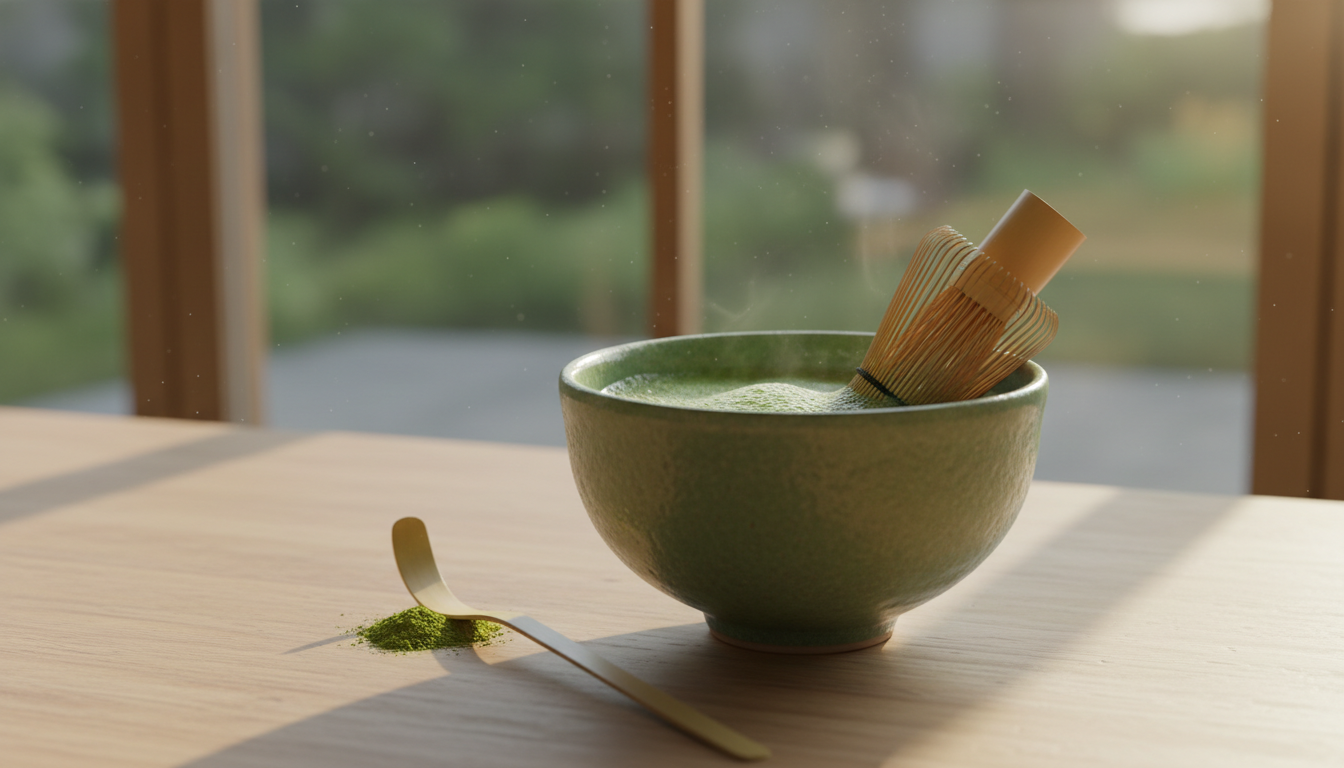
As pumpkin chai expanded worldwide, regional interpretations emerged. In the UK, versions tend toward creamier mixtures using full milk or cream. In Japan, matcha-pumpkin fusions blend earthy tea with gentle spice. In Canada, maple-sweetened variants deliver a distinctive Northern twist. These adaptations showcase how pumpkin chai evolves within different culinary contexts.
Creative Twists from Tea Artists
Some contemporary tea houses play with texture, adding a thin foam layer topped with dusted nutmeg hearts — photogenic yet sophisticated. Home baristas create iced pumpkin chai for warm months, blending brewed tea with cold oat milk, pumpkin puree, and crushed ice. These innovations expand accessibility, letting pumpkin chai migrate beyond its autumn reputation.
Blending Tradition and Experimentation
The best of these innovations still respect chai’s roots. Even when flavors shift, the spirit of communal drinking and spice harmony remains central. Whether hot, iced, or blended, pumpkin chai continues to symbolize creativity meeting comfort, authenticity meeting adaptation.
External Resources and Continued Learning
If you’d like to go deeper into tea studies and sustainable sourcing, websites like Tea Association of the USA and TeaClass.com offer solid educational groundwork. They provide credible references for anyone curious about how beverages like pumpkin chai fit within broader tea culture and industry ethics.
Frequently Asked Questions
What does pumpkin chai actually taste like?
Pumpkin chai tastes like a harmonized blend of creamy pumpkin notes, aromatic spices such as cinnamon, nutmeg, and clove, with a smooth black tea foundation. When prepared correctly, the sweetness is gentle rather than sugary. The pumpkin introduces an earthy sweetness that grounds the spices, creating balance instead of overwhelm. Fans describe it as “dessert in a cup,” while others highlight its depth when brewed strong and unsweetened. Like any spiced tea, the final taste relies heavily on the balance of ingredients and brewing method. Every brand’s pumpkin chai interpretation varies slightly in spice boldness.
Is pumpkin chai caffeinated?
Yes, most pumpkin chai blends use black tea as the base, so they naturally contain caffeine — usually about half the amount of coffee per serving. That makes it stimulating without being jittery. Decaffeinated or rooibos-based versions exist for those preferring a caffeine-free treat but still wanting that signature autumn flavor. Whether hot or iced, pumpkin chai offers the ritual and aroma of chai with a milder energy lift that fits cozy, mindful afternoons or early mornings before work.
Can I make pumpkin chai without dairy?
Absolutely. Pumpkin chai works beautifully with non-dairy alternatives like oat milk, almond milk, or coconut milk. Oat milk is often favored for its natural sweetness and silky body, complementing pumpkin’s smoothness. Coconut milk adds richer texture but can slightly mute the spice. Experimentation is key: adjust temperature and frothing to achieve the desired creaminess. Dairy-free pumpkin chai retains the same comforting aroma, allowing lactose-intolerant drinkers to enjoy the fall ritual without compromise.
Is pumpkin chai healthy or sugary?
Health depends on how it’s made. A pure loose-leaf pumpkin chai brewed with minimal sugar offers antioxidants from black tea and potential anti-inflammatory benefits from spices. However, pre-made latte mixes sometimes contain syrups and sugar-heavy additives. Making pumpkin chai at home gives control over sweeteners and milk choice, letting the natural flavors stand out. For a lighter approach, use a drizzle of honey or none at all. Balance and ingredient transparency are the keys to turning pumpkin chai from indulgence to wellness-friendly beverage.
What food pairs best with pumpkin chai?
Sweet-spiced notes in pumpkin chai invite both complement and contrast. Try it with pastries like cinnamon rolls or pumpkin muffins for a cozy pairing. For something savory, lightly salted snacks or soft cheeses balance spice beautifully. Breakfast lovers enjoy it alongside oatmeal or granola for aromatic depth. Dessert pairings include dark chocolate mousse or apple pie, both resonating with warm autumn flavors. Pumpkin chai’s versatility makes it an adaptable beverage across meal times, showing off balance between sweet and spice in every sip.
Can I drink pumpkin chai year-round?
Yes, more people are now enjoying pumpkin chai well beyond autumn. While originally a seasonal product, its comforting taste makes it suitable anytime. In winter, it complements cold evenings; in spring or summer, iced versions refresh and rejuvenate. Its adaptability proves that pumpkin chai isn’t merely a holiday novelty but an evolving staple for everyday mindfulness. Many global tea cafés keep it on menus due to consistent demand, reflecting how consumers have embraced its soothing yet exciting profile throughout the year.
Where can I buy authentic pumpkin chai blends?
You can find quality pumpkin chai through specialty tea retailers, both online and in physical stores. Look for brands listing natural ingredients rather than “flavor syrup.” Artisan tea makers often source sustainable black teas and use real pumpkin flakes for authenticity. Reputable online sources like local tea merchants or established brands ensure freshness. Reading consumer reviews or consulting sites like the Tea Association of the USA can also guide you toward trustworthy suppliers. Selecting loose-leaf over powder mixes often yields a more authentic and balanced pumpkin chai experience.
What’s the best way to photograph pumpkin chai for social media?
Presentation enhances appeal. Natural lighting is key – shoot your pumpkin chai near a window to capture its warm amber tones. Use autumnal props like cinnamon sticks, orange leaves, or wooden spoons for atmosphere. Pour slowly to form a gentle foam swirl; this catches light beautifully. Select mugs with contrasting color to highlight the tea’s hue. Adding texture such as linen napkins adds coziness. Ultimately, authenticity beats perfection: the emotion behind your cup should shine through the image, capturing what people love most about pumpkin chai.



Leave a Reply