
The debate around starbucks chai never seems to end. For some, it’s a warm hug in a cup, soothingly spicy with a dash of nostalgia. For others, it’s a sugary echo of what chai once stood for—authenticity lost in translation. No matter which side of the argument you’re on, this drink continues to spark conversation among tea lovers and coffee house enthusiasts alike. Whether you’ve had it hot, iced, or turned into a latte, the appetite for understanding the true essence of starbucks chai is growing stronger than ever.
In this taste review, we’ll take a balanced look at what makes starbucks chai both loved and hated. From its aroma and texture to the blend of spices and milk ratio, we’ll dissect each element with an honest, experienced perspective. Having tasted chai in traditional homes, local tea stalls, and global cafés, I’ll share what truly stands out about starbucks chai—and where it falls short for purists. Let’s dig deep into the cup that has created such a fascinating divide in the tea-drinking community.
Why starbucks chai Stands Out (and Sometimes Falls Flat)
At first sip, starbucks chai often impresses those new to the world of masala spice teas. The familiar lusciousness of steamed milk blended with fragrant spices feels comforting. However, for traditional chai drinkers, it can feel overly sweet and lacking the depth found in handcrafted versions. Understanding this balance helps explain why starbucks chai remains polarizing yet enduring.
The Signature Flavor Blend
The base flavor of starbucks chai comes from a pre-prepared concentrate combining black tea, cinnamon, cardamom, cloves, and black pepper. This blend replicates the essence of Indian masala chai while remaining accessible for a global palate. Compared to authentic recipes that are brewed fresh and customized, the standardized syrup means every store offers the same reliable taste. Yet that reliability also brings criticism—flavors can seem a bit uniform, missing the unpredictable charm of hand-ground spices simmered slowly over a stove.
- Pros: Consistent flavor across locations, easily customizable, and convenient.
- Cons: Often high in sugar, limited in spice complexity, and somewhat artificial in aftertaste.
Understanding the Aroma
One of the defining points of starbucks chai is its aromatic profile. The moment you open the cup lid, you’re met with waves of cinnamon and clove, a pleasant if slightly sweet aroma that invites curiosity. The drink’s scent has a universal appeal, even to those who don’t typically gravitate toward spiced beverages. But traditional chai often relies more heavily on freshly crushed spices releasing layered notes that evolve with every sip. In comparison, starbucks chai offers a one-note aromatic experience that satisfies mainstream drinkers but leaves connoisseurs asking for more complexity.
Analyzing the Taste and Texture of starbucks chai
Every starbucks chai has two critical components: the tea base and the milk integration. Unlike custom-brewed chai, the café’s version uses a premixed syrup combined with steamed milk or cold milk for the iced variant. This convenient design influences the texture: ultra-smooth but sometimes syrupy. For beginners, that smoothness is part of its charm. For seasoned tea fans, it might seem processed.
Sweetness Levels and Customization
One of the most divisive aspects of starbucks chai is its sweetness. The default chai latte leans toward dessert levels of sugar. Yet savvy consumers often request “half pumps” of chai concentrate or a blend with extra shots of espresso—the famous “dirty chai”—to tone down sweetness and boost flavor depth. This flexibility makes the drink versatile for multiple tastes, though some argue that too many modifications steer it even further from authentic chai traditions.
Finding the Right Balance in Your starbucks chai
If the goal is to capture a closer-to-home chai experience, ask your barista to use fewer pumps of concentrate or opt for oat milk for a creamier, spicier finish. Add a dash of cinnamon on top and avoid extra sweeteners. Over time, personalizing your starbucks chai can turn a mass-produced drink into something delightfully personal. That adaptability might just be why so many people remain loyal, even amidst critique.
Temperature and Mouthfeel
Whether served hot or iced, temperature subtly alters the starbucks chai experience. The hot version releases more spice oils, bringing warmth and fragrance. The iced chai highlights sweetness and creaminess but mutes deeper notes. A hot version feels indulgent during winter, whereas the chilled one works beautifully in summer. Still, neither perfectly replicates the slow-boiled consistency of traditional stovetop chai, which tends to be creamier and more robust.
The Emotional Connection Behind starbucks chai
For many, starbucks chai isn’t merely a beverage but a moment of comfort. It’s something that anchors people during early commutes or study sessions. That emotional factor plays a large role in its popularity. People crave routine, and starbucks chai delivers reliability wrapped in warmth. It’s the same everywhere you go, which gives a sense of familiarity—something calming in an unpredictable daily life.
Nostalgia vs. Modern Preference
Some chai purists fondly remember family kitchens bursting with the sound of boiling tea and the clinking of metal spoons. The ritual mattered just as much as the flavor. Starbucks, in contrast, industrialized chai for convenience. The shift from heritage charm to instant accessibility symbolizes our modern pace—fast, efficient, and globally uniform. But with that modernization came the inevitable trade-off between spirit and simplicity.
The Cultural Lens on starbucks chai
Evaluating starbucks chai through a cultural lens reveals how globalization reinterprets traditional flavors. Starbucks introduced chai to audiences who might never have experienced South Asian tea rituals otherwise. While this expansion enriched global curiosity about spices, it simultaneously diluted some cultural authenticity. However, this cross-cultural exposure inspired thousands of new chai innovations, expanding interest in spice-infused beverages across continents.
Comparing starbucks chai with Authentic Chai
It’s difficult to compare a global chain’s beverage with homemade chai brewed from scratch. Authentic chai typically uses loose-leaf Assam tea, blended whole spices, fresh ginger, and milk simmered together for minutes until it reaches a rich consistency. Starbucks chai, on the other hand, focuses on quick serving time and flavor uniformity. Below is a closer analysis.
Brewing Technique Differences
Traditional chai brewing is an art. Each region in South Asia modifies the recipe—stronger black tea in the north, lighter infusions in coastal areas. Meanwhile, the café version uses pre-packaged tea concentrate for efficiency. The U.S. Tea Association explains that tea extraction intensity depends largely on brewing temperature and duration, elements missing from concentrated syrup versions. Thus, the authentic preparation produces a more multidimensional flavor, while starbucks chai delivers a standardized sweetness appealing to larger audiences.
Ingredient Quality and Flavor Perception
Fresh spices drastically alter chai’s character. Grinding cardamom pods or toasting cloves releases aromatic oils that no concentrate can match. Starbucks chai provides hints of these flavors, yet lacks the rustic liveliness of fresh ingredients. It compensates with creamy milk texture that softens spice edges, which might explain its strong following in Western markets. Traditional recipes may appear bolder, but starbucks chai wins over those preferring smoother profiles.
Pairing Food with starbucks chai
Interestingly, pairing plays a role in how drinkers rate their satisfaction. The sweetness of starbucks chai complements savory baked goods like cheese danishes or breakfast wraps. On the other hand, authentic Indian chai often pairs with samosas or biscuits that contrast rather than mirror sweetness. Starbucks aligns its chai offerings with its bakery lineup—simple, Western-friendly, and perfectly Instagrammable.
Health Considerations Around starbucks chai
Beyond taste, health-conscious consumers often question whether starbucks chai aligns with balanced nutrition goals. The drink’s calorie count depends on milk type, syrup volume, and any added toppings like whipped cream. Standard versions average around 240–300 calories for a tall size with whole milk. Reducing the number of syrup pumps or substituting with almond milk can easily lower that figure.
The Role of Sugar and Dairy
High sugar remains the biggest concern. Regular consumption might contribute to blood sugar spikes, particularly if ordered with full sweetness daily. Switching to unsweetened milk options and cutting syrup volume transforms it into a more moderate indulgence. On the dairy side, oat or soy milk alternatives maintain creaminess while reducing saturated fat. These simple tweaks make starbucks chai a treat that can fit into mindful diets.
Antioxidants and Tea Benefits
Despite sugar concerns, starbucks chai does contain black tea extract, which provides antioxidants like theaflavins and catechins. These compounds support cardiovascular health and boost alertness gently without the jittery side effects of coffee. The spice blend—especially cinnamon and ginger—also offers anti-inflammatory properties. While the concentration might be milder than homemade versions, it still adds subtle wellness benefits. For more on tea’s health properties, visit National Geographic’s coverage of global tea culture.
Consumer Sentiment: Why Opinions Differ
The online discourse around starbucks chai reveals fascinating psychological patterns. A portion of consumers associate it with warmth, productivity, and self-care. Others criticize it as overhyped. Interestingly, both groups express emotional ties—the lovers through joy, the critics through frustration over authenticity. This emotional polarization keeps the drink in constant conversation.
Social Media Impact
On TikTok and Instagram, variations like iced starbucks chai with pumpkin cold foam trend seasonally. Visual appeal and sweetness amplify engagement, making it a staple for content creators. Yet, under most comment threads, traditional chai enthusiasts voice contrasting opinions. This dynamic has indirectly educated audiences about authentic chai-making techniques and encouraged experimentation at home, often linking back to cultural origin stories shared virally.
Community Insights
Dive into discussion forums, and you’ll find parallel groups—those sharing loyalty tips and those crafting homemade “fixes.” Posts frequently recommend adding espresso shots, cinnamon dolce syrup, or a scoop of vanilla protein for reinvented versions. The internet thus became a playground transforming starbucks chai from a static product into a customizable canvas.
Expert Recommendations for Enjoying starbucks chai
Baristas and tea educators suggest treating starbucks chai as a base rather than a boundary. You can amplify or soften its flavor with minor adjustments tailored to mood and season. Many enthusiasts even bring their own spice sachets to mix in a pinch of cardamom or nutmeg for added authenticity.
Smart Ordering Tips
- Request fewer syrup pumps for balanced sweetness.
- Opt for plant-based milk to highlight spice tones.
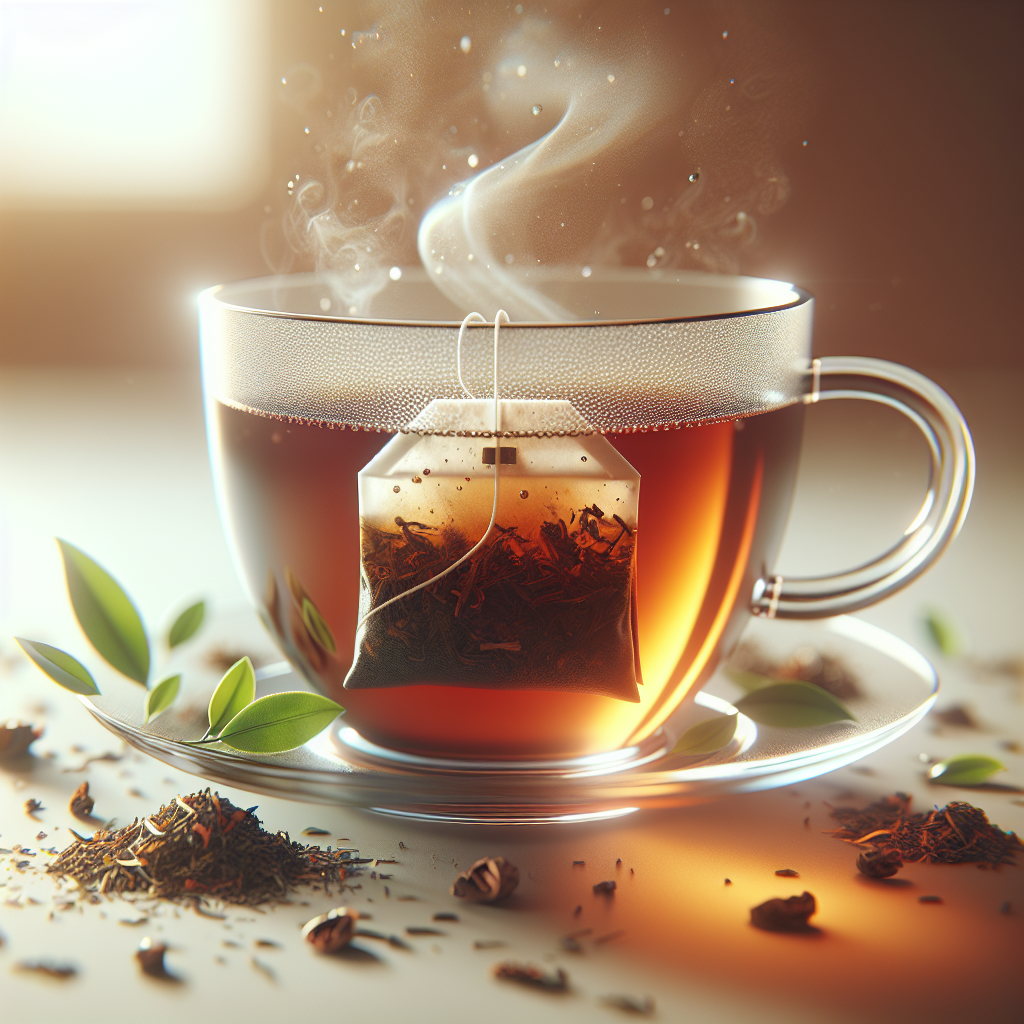
- Sprinkle ground cinnamon or add a chai tea bag for intensity.
- Try blending with espresso for a “dirty” kick.
- Pair it with mild snacks to avoid flavor clash.
Learning from Traditional Practices
To deepen appreciation, study authentic chai-making rituals. Understanding how spices are layered and milk is frothed enhances how you modify your starbucks chai order. Explore cultural tea insights through internal resources like Tea History on TeaStory.blog and Traditional Tea Recipe Guides. These backgrounds provide perspective on why certain flavor notes matter more than sweetness.
Conclusion: The Complex Charm of starbucks chai
Ultimately, starbucks chai symbolizes both evolution and nostalgia. It’s not authentic in the strict cultural sense, yet it opens doors for curiosity about tea traditions globally. The drink embodies how global brands reinterpret heritage flavors for mass appeal. Love it or not, the aroma of starbucks chai now forms part of modern café life—bridging continents through a cup that sparks endless discussion and devotion.
Frequently Asked Questions
Is starbucks chai authentic compared to traditional masala chai?
Not entirely. Traditional masala chai involves brewing loose black tea with fresh spices and milk directly on the stove, allowing the flavors to mingle intimately. Starbucks chai uses a pre-made concentrate, creating a consistent but simplified taste profile. While it captures essence through key spices like cardamom and cinnamon, it lacks the nuanced layering of freshly ground ingredients. That said, the drink democratized chai appreciation by introducing it to international audiences who might not otherwise encounter South Asian tea traditions.
How can I make my starbucks chai taste spicier?
Ask your barista for an extra pump of concentrate, or better yet, sprinkle a blend of ground ginger and nutmeg over the foam. You can also steep a chai tea bag in hot water before adding your regular latte on top for amplified spice. Oat milk enhances spice expression due to its creamy texture. At home, customizing starbucks chai with additional clove or black pepper powder can make each sip more reminiscent of authentic frameworks while keeping sweetness manageable.
Does the iced starbucks chai taste different from the hot version?
Yes, the iced version emphasizes sweetness whereas the hot starbucks chai brings out spice warmth. Cold milk dulls spice perception, making it smoother and dessert-like, while hot milk releases essential oils from the spice blend. The iced drink suits warmer climates or midday refreshers, but the hot one delivers comfort during cold mornings. Deciding between them depends on whether you prioritize creaminess or depth of spice. Each variation offers its own emotional and textural charm.
Is starbucks chai considered healthy?
It can be, depending on modifications. The default recipe is relatively high in sugar, but asking for “less chai base” or choosing almond or oat milk lowers calories and improves macros. The tea component provides gentle caffeine and antioxidants. Spices like cinnamon offer modest anti-inflammatory benefits. Treat it as an occasional comfort beverage rather than a daily necessity. When customized thoughtfully, starbucks chai delivers enjoyment without straying far from balanced consumption habits.
What’s the best food to pair with starbucks chai?
The sweetness of starbucks chai pairs wonderfully with lightly salted or nutty snacks. Savory croissants, breakfast wraps, or oatmeal bars complement it well. If you prefer contrast, try it with plain tea biscuits or buttery scones. Avoid sugary pastries unless you consciously want a dessert pairing. For an interesting homemade combination, serve starbucks chai with spiced roasted nuts to intensify its aromatic profile while managing overall sweetness.
Can I recreate starbucks chai at home?
Absolutely. Blend strong black tea with milk, sugar, and ground spices such as cardamom, cinnamon, clove, and ginger. For an even closer replica, simmer everything together for robust integration. To match consistency, reduce simmering time slightly to resemble the smoothness of the store version. Experiment until you reach your desired spice-to-sweet balance. Recreating starbucks chai at home gives you control over sugar and authenticity while saving cost in the long run.
Why do people have such mixed opinions about starbucks chai?
The divide stems from expectations. Those unfamiliar with traditional chai often fall in love with the comforting sweetness and simplicity of starbucks chai. Purists, by contrast, miss the strong tea base and freshly crushed spices. The brand’s version targets global drinkers seeking approachability more than authenticity. Additionally, emotional associations—like routine comfort or nostalgia—greatly shape perceptions, explaining why people either adore or critique it passionately.


Leave a Reply