
Few beverages straddle tradition and modernity as gracefully as chai. Beyond its symphony of warm spices and creamy texture lies a deeper curiosity that intrigues both tea lovers and casual drinkers alike — chai caffeine. This singular element informs its energy delivery, taste notes, and even emotions surrounding its consumption. Some adore it for its lively lift, while others find its intensity overpowering. In this article, we unfold the layered relationship between chai caffeine, its taste, and how it divides opinions among enthusiasts. Expect honest assessments, physiological insights, and grounded recommendations rooted in culture and science.
When discussing chai, we often think of sweetened comfort in a cup, yet the truth about chai caffeine reveals more complexity. Understanding how caffeine interlocks with spices like cardamom, ginger, cinnamon, and clove can explain why each sip can feel bold, smooth, or occasionally over-stimulating. The intrigue around chai caffeine isn’t purely academic; it touches lifestyle and personal wellness. As global consumers experiment with variations—strong masala chai in India or delicate chai lattes in the West—the balance of flavor and stimulation continues to shape debates in coffee shops and households everywhere.
The Science Behind Chai Caffeine and Its Stimulating Edge
Before falling into the nuances of preference, it’s essential to clarify what chai caffeine truly entails. Traditionally, chai is brewed using black tea leaves—Assam and Darjeeling being two common bases—each harboring natural caffeine content. Depending on steeping time, leaf quality, and companion ingredients, the final chai caffeine level varies between 30 and 80 milligrams per cup. The presence of milk and spices often moderates how quickly this caffeine interacts with the body, offering a smoother energy curve compared to coffee’s sharper spike.
How Chai Caffeine Works in the Body
Once consumed, chai caffeine passes through the digestive system and is absorbed into the bloodstream. It begins to influence the adenosine receptors, which are responsible for feelings of sleepiness. This gentle block creates alertness. However, because chai often combines caffeine with tannins and L-theanine from tea leaves, the result is less jittery energy. People sensitive to coffee frequently turn to chai caffeine as their middle ground—stimulating but not overwhelming. Some scientists have noted that the polyphenols present may even aid in extending this balanced alertness while supporting antioxidative functions.
The Taste Connection Within Chai Caffeine
Taste perception intertwines with chemistry. Chai caffeine adds a characteristic bitterness underneath the layered spices. Black tea’s tannins reinforce this bitterness, while milk and sugar cushion it. Together they form what sensory experts call a “rounded finish.” For some, the earthy bitterness enhances authenticity; for others, it clashes with the sweetness of the spices. Therefore, the personal threshold for enjoying chai caffeine depends not only on taste preference but also on physiological response to caffeine’s stimulating effects. Enthusiasts claim this duality gives chai its soulful spirit—comfort yet power in a single sip.
The Cultural Evolution and Global Appeal of Chai Caffeine
From Indian streets to global cafés, the story of chai caffeine illustrates cross-cultural adaptation. In South Asia, chai symbolizes connection; nearly every conversation, negotiation, or train journey begins with it. Its caffeine element fuels long workdays and social evenings alike. When exported globally, Western cafés slightly redefined it into “chai latte,” a blend softened by steamed milk but retaining caffeine’s backbone. This hybrid form expanded chai’s recognition but also divided connoisseurs who argue that too much milk mutes authentic chai caffeine flavors.
The Relationship Between Tradition and Modern Interpretation
Historically, the original use of chai caffeine came from using robust Assamese teas combined with spice blends known as “karha.” The high caffeine content was practical; it countered fatigue from physical labor and monsoon weather. In contrast, modern drinkers often seek psychological comfort more than functional stimulation. Variations like decaffeinated chai or herbal rooibos chai emerged to satisfy those who love the taste but not caffeine’s buzz. Still, many traditionalists stand firm that chai without caffeine lacks soul—a sentiment echoing the passionate divide between lovers and critics.
Why Some Love and Others Hate Chai Caffeine
The love-hate relationship surrounding chai caffeine is as emotional as it is sensory. Admirers praise the invigorating fragrance and the slow-building energy. They describe it as a meditative alertness—perfect for creative work or reflective mornings. Critics, however, call out the heaviness, arguing that spices amplify the bitterness of caffeine. They also note digestive discomfort when chai is consumed excessively. These polarized views emphasize that chai caffeine defies neutrality: it invites intensity and depth, appealing to those who enjoy complexity but alienating those preferring milder beverages.
Tasting Notes: Understanding Balance and Mouthfeel
A true chai experience depends on aligning spices, milk, and chai caffeine harmoniously. Baristas often adjust steeping time and spice ratio to balance bitterness and sweetness. A shorter brewing, for example, yields less caffeine but lighter body, whereas extended simmering deepens color, thickens mouthfeel, and enhances caffeine extraction. In professional taste reviews, chai caffeine contributes to perceived “body” and “finish.” The lingering aftertaste—a gentle buzz combined with spice warmth—distinguishes chai from purely herbal infusions.
Crafting the Perfect Cup with Chai Caffeine in Mind
Practitioners recommend boiling water mixed with milk in a ratio of roughly 2:1 before adding black tea leaves and pre-ground spices. Controlling heat is crucial; a rolling boil extracts more chai caffeine but also increases astringency. If the aim is rounder flavor with manageable stimulation, simmer gently for four to five minutes. Sweeteners like jaggery or honey soften caffeine’s bite without masking spice complexity. Each ingredient’s interplay determines whether the caffeine’s bitterness complements or clashes with the profile. Artisanal cafés often use tasting notes like “bright wakefulness” or “grounded warmth” to describe positive caffeine expression.
Comparing Brew Methods and Regional Twists
In northern India, longer simmering yields thick, caramelized chai caffeine releases, beloved for morning starts. Down south, lighter versions highlight cardamom and reduce caffeine’s strength, suiting humid climates. Western variants—especially the American chai latte—extract shorter but incorporate frothy texture, making caffeine less perceptible. Comparing regions underlines how the same ingredient, chai caffeine, molds itself to cultural expectations. It’s not just the energy element; it’s a chosen symbol of identity and rhythm. Whether one prefers dense street-side versions or café refinements, caffeine remains the invisible architect shaping the experience.
Health Insights: The Impact of Chai Caffeine on Mind and Body
Beyond taste, chai caffeine influences the body’s alertness, metabolism, and even emotional state. A moderate intake can enhance focus and cognitive response, while excess may disrupt sleep cycles. The composition of milk and spices acts as a natural buffer against harsh stimulation. For instance, ginger aids digestion, and cardamom soothes aftertaste discomfort. Therefore, chai caffeine presents a compelling dual characteristic—it energizes while grounding the system through complementary herbs.
Moderation and Adaptation
Experts often cite approximately two cups per day as an ideal quantity for reaping benefits without overstimulation. Each body metabolizes caffeine differently, meaning the same chai caffeine dose affects two individuals unequally. Those with slow caffeine metabolism may benefit from lighter chai or reduced steeping. Decaf blends can preserve traditional aromas minus intensity. Regular drinkers sometimes alternate between traditional and herbal versions to retain ritual while balancing health. This flexible relationship mirrors broader dietary awareness where personalization supersedes strict rule-following.
Scientific Findings About Chai Caffeine
Recent research links moderate caffeine, including chai caffeine, with improved mental performance and reduced fatigue perception. Conversely, researchers note that concentration surpassing 400 milligrams daily may heighten anxiety in sensitive individuals. Given chai’s varying strengths, understanding your own threshold becomes key. The antioxidant framework of tea catechins also works alongside caffeine to stabilize heart rate and enhance mood resilience. This synergy suggests that when consumed responsibly, chai caffeine holds more wellness promise than risk—a conclusion supported by studies from reputable tea research councils and nutrition departments (Tea Association of the USA).
Practical Guide: Choosing Chai Based on Caffeine Preferences
Standing before rows of tea labels can be daunting. Whether in loose-leaf boutiques or supermarket shelves, decoding the right chai caffeine style depends on your tolerance and taste style. Bold black chais with full-bodied Assam commonly carry higher caffeine levels. Darjeeling-based chai delivers elegance with moderate intensity. Green or oolong-based chai hybrids provide subtler stimulation, ideal for evenings. Herbal rooibos chai, though technically caffeine-free, can mimic the warmth without the buzz—best for those avoiding caffeine yet attached to chai’s signature spice medley.
Tips for Managing Energy Through Chai Caffeine Choices
Use these strategies to fine-tune daily rhythm:
- Replace morning coffee with chai caffeine for gentler awakening and digestive comfort.
- In afternoon slumps, try lighter steeps—less than 3 minutes—to avoid overshooting energy peaks.
- For evening relaxation, switch to decaf alternatives with similar spices.
- Hydrate sufficiently since caffeine can have mild diuretic effects.
- Pair chai sessions with mindful breaks rather than multitasking to experience steady energy.
These actions reframe caffeine consumption as conscious enjoyment instead of dependence. Balanced awareness heightens pleasure while preserving sleep quality.
Pairings That Highlight or Diminish Chai Caffeine’s Impact
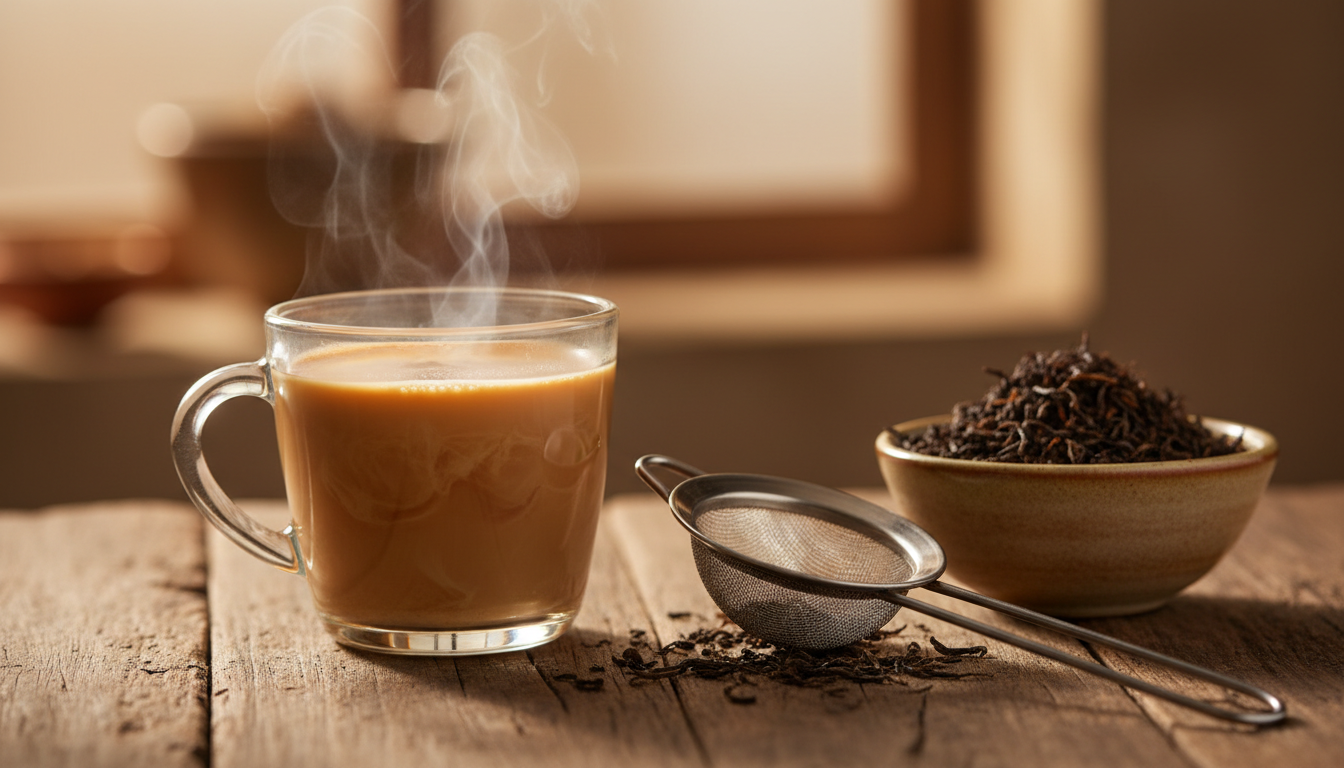
Pairing food with chai can change how chai caffeine behaves. Savory pastries like samosas deepen the perceived energy due to carbohydrates fueling metabolism. Sweet treats like cardamom cake soften bitterness and extend comfort. Dairy moderates, while citrus-based snacks accentuate caffeine’s sharpness. Understanding this culinary interdependence highlights chai’s versatile social role—capable of adjusting energy and satisfaction according to the moment. Pictures of aromatic tea stalls and steaming cups ( ) symbolize this adaptability across meals and moods.
Real-World Examples: Voices from the Community
To ground the discussion, consider real testimonials. Priya from Mumbai calls chai caffeine her “morning meditation,” explaining that the rhythm of boiling and straining helps her recalibrate before work. By contrast, Dylan, a university student in Seattle, admits he quit chai after noticing restlessness at night, acknowledging sensitivity to caffeine. Restaurateurs also weigh in: many keep low-caffeine chai for dinner service to accommodate diverse guests. These stories reveal why chai caffeine cannot be generalized. Its reception depends on emotional context, climate, routine, and physiology.
Consumer Trends and Market Reflections
Data from global beverage markets indicate a continued surge in chai-based beverages. Between 2019 and 2023, chai latte popularity increased significantly, partly due to perceptions of “healthier caffeine.” Brands label servings transparently, attracting mindful consumers who want control over chai caffeine amounts. Specialty shops now highlight milligrams per cup, echoing coffee’s third-wave transparency. Even online influencers compare caffeine experiences, bridging traditional sensibilities with digital curiosity. As people question their coffee intake post-pandemic, chai caffeine emerges as the appealing middle route: comforting ritual plus functional energy.
Learning from Historical Roots
To grasp future directions, one must revisit origin stories. According to Tea History archives, Indian rail vendors popularized masala chai using affordable black tea supplied under colonial trade. Thus, chai caffeine symbolized both colonial commerce and local independence—it sustained workers yet built communal identity. Understanding this dual meaning enriches appreciation beyond flavor. From colonial trains to modern coffee bars, caffeine in chai continues bridging livelihoods, craft, and identity. Every sip echoes historical endurance—a reminder that beverage culture often mirrors society’s evolution.
Balancing Ritual and Responsibility
Today’s consumer must interpret tradition with discernment. Chai caffeine still nourishes productivity, but overstimulation should not replace introspection. Practicing moderation preserves the charm of ritual. Align consumption with meals, respect sleep cycles, and choose quality leaves over quantity. Learning from sustainable cultivation initiatives (Tea Cultivation insights) ensures both ethical sourcing and balanced chemistry. Reflective chai drinking aligns with global mindfulness trends where well-being equals responsible pleasure. Thus, the cup becomes a microcosm of intentional living—energizing, grounded, and eco-considerate.
Frequently Asked Questions
How much chai caffeine is typically found in a cup?
A standard cup averages between 30 and 80 milligrams of caffeine, depending on factors like leaf origin, strength of brew, and addition of milk or sugar. Strong Assam-based blends produce the higher range, whereas lighter Darjeeling or oolong versions drop lower. Understanding chai caffeine levels helps adjust energy intake. Steeping time is key; longer pulls more caffeine. Those wishing for minimal stimulation can shorten brewing without compromising essential aroma, striking equilibrium between satisfaction and wakefulness.
Is chai caffeine stronger than coffee caffeine?
Generally, coffee contains more caffeine per equivalent volume, averaging 95 milligrams in eight ounces. However, the experience of chai caffeine feels different because tea’s compounds interact with amino acids like L-theanine, moderating the rush. The synergy creates sustained mental clarity without abrupt spikes. When comparing, coffee delivers instant punch, while chai caffeine promotes smoother, calmer focus. Many users who switch report fewer jitters yet consistent productivity, making chai a suitable long-term alternative for sensitive systems seeking steady stimulation.
Does milk reduce the effect of chai caffeine?
Yes, milk can slightly temper perceived intensity of caffeine. The fats and proteins in dairy bind modestly with caffeine molecules, slowing absorption. That’s why traditional masala chai—richer in milk—feels gentler than pure black tea. This doesn’t fully neutralize chai caffeine, but moderates how quickly one senses alertness. Plant-based milks act similarly, though not identically. Choosing thicker milk varieties helps create smoother caffeine curves while preserving vibrant spice. The goal isn’t eliminating caffeine’s presence, but harmonizing it with flavor texture.
Can I drink chai with caffeine before bed?
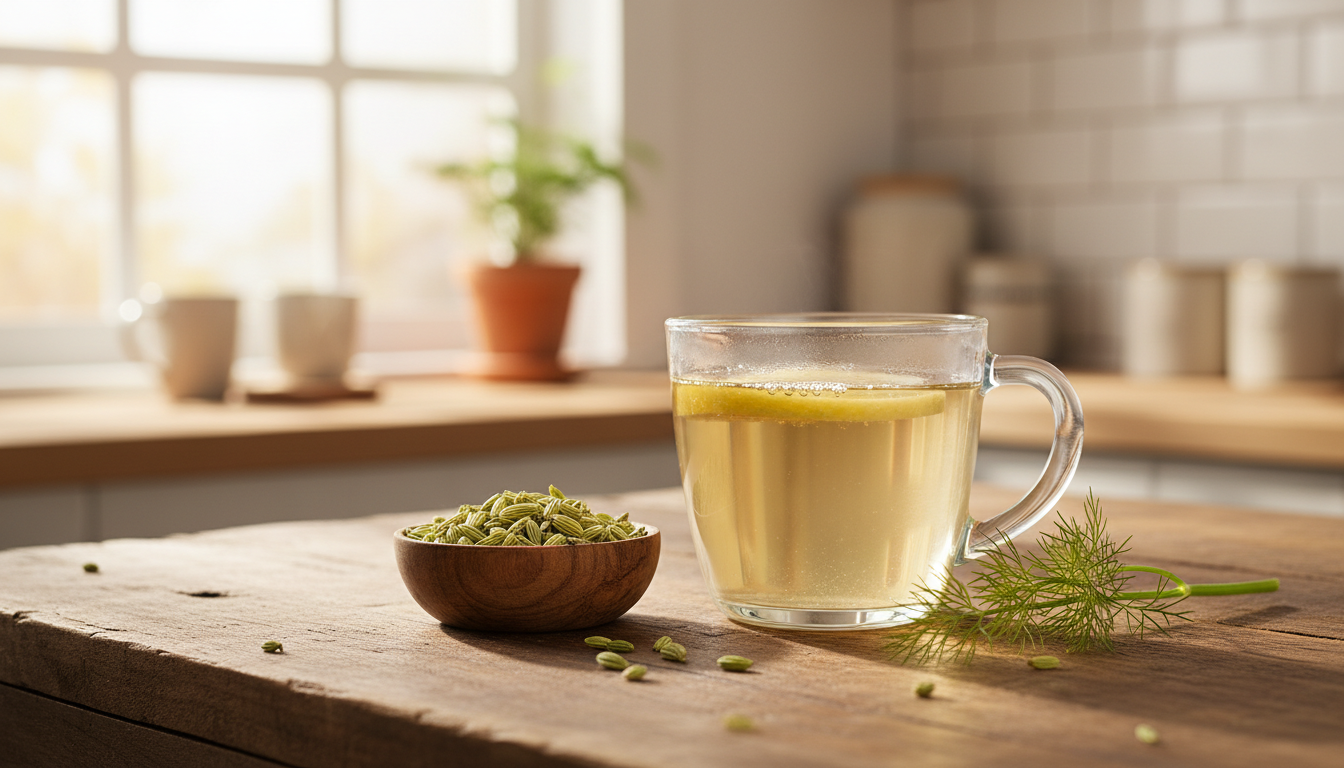
While chai caffeine levels vary, even moderate quantities may disrupt sensitive sleepers if consumed close to bedtime. For restful nights, it’s advisable to enjoy your final cup at least four hours before sleeping. Some cultures do serve milder bedtime versions using decaf tea or added herbs like fennel and nutmeg to relax the body. Listening to your own rhythm is vital. If evening chai is part of routine, reduce steeping time or choose herbal variants that mimic aroma minus stimulating components.
Does chai caffeine have health benefits?
Moderate consumption has associations with improved alertness, reduced fatigue, and enhanced cognitive performance due to caffeine and antioxidants. The synergistic presence of spices like ginger and cardamom further promotes digestion and circulation. However, overdependence can cause restlessness or acidity for susceptible individuals. Research on catechins suggests antioxidants combat oxidative stress, making chai caffeine both energizing and health-supportive when enjoyed responsibly. Hence, balance defines benefit; neither excess nor total avoidance guarantees well-being.
How do I measure my tolerance to chai caffeine?
Observe body feedback after drinking consistent portions for several days. If you experience jitteriness, rapid heartbeat, or sleep issues, your caffeine threshold may be low. Try shorter steeps or partial blends mixing decaf with caffeinated chai. People process cafeine at distinct metabolic rates, influenced by genetics, hydration, and diet. Logging reactions helps tailor appropriate chai caffeine levels that enhance alertness without discomfort. The art lies in mindful experimentation—listening, adjusting, and letting the ritual serve wellness rather than compulsion.
What is the best way to enjoy chai caffeine without side effects?
Enjoy it consciously: moderate portions, sufficient hydration, and attentive brewing time. Avoid empty stomach consumption since caffeine acidifies digestion. Pairing chai with light snacks blunts sharp effects. If anxious tendencies exist, opt for mid-morning servings rather than early dawn or late-night. Selecting balanced spice mixtures also helps; calm spices like cardamom soothe caffeine’s liveliness. Thus, the optimal experience from chai caffeine blends comes through balance—steady stimulation within mindful ritual rather than impulsive repetition.
In conclusion, chai caffeine embodies more than a stimulant—it’s a cultural thread, sensory craft, and introspective ritual. Loved by many and resisted by others, it carries both fire and comfort. Understanding its dual nature—flavor and energy—empowers drinkers to align enjoyment with wellness. Whether energizing dawns or enriching conversations, chai caffeine continues its timeless journey between calm and vitality, uniting generations under the soft steam of shared cups.



Leave a Reply