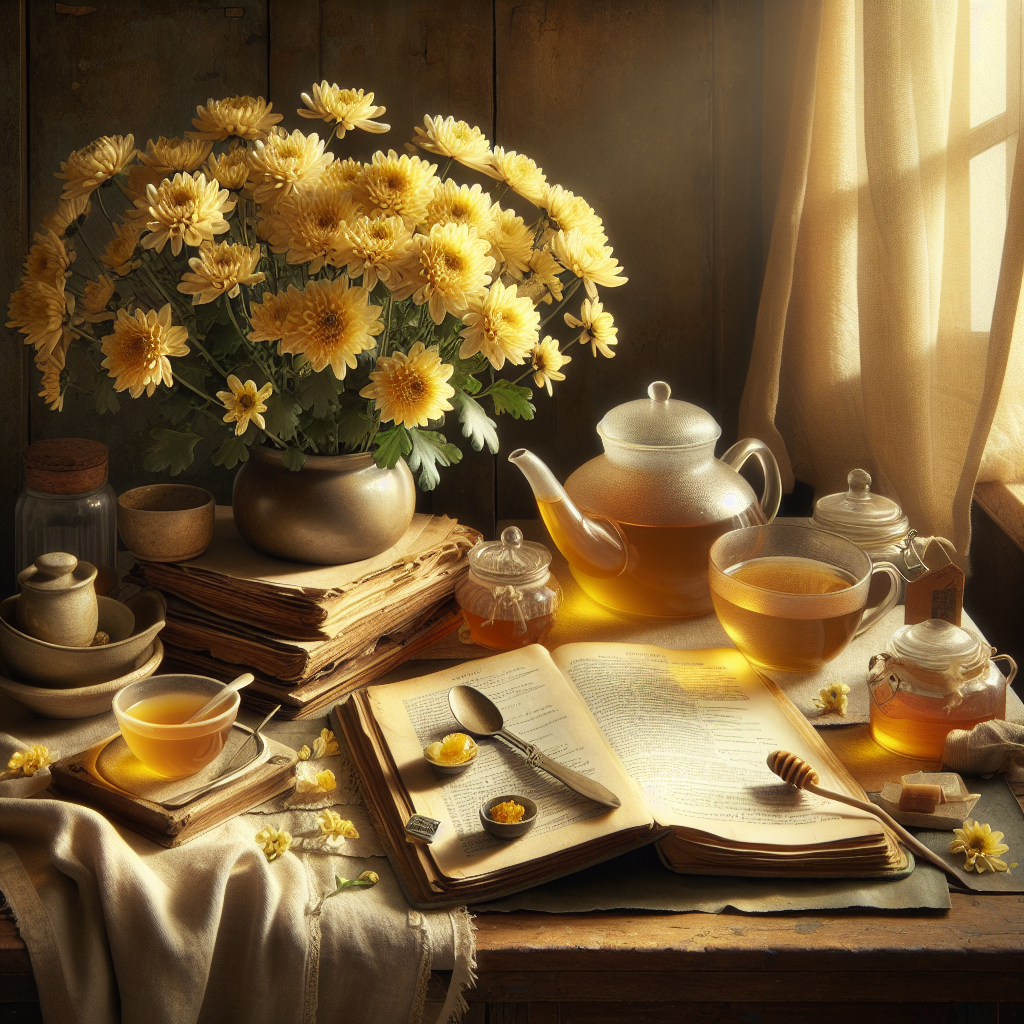
There’s something intriguingly serene about brewing your own cup of floral tea, and the chrysanthemum tea recipe embodies that tranquility more than most. For centuries, this gentle infusion has been valued not just for its soothing, honey-sweet flavor but also for the care and ritual that accompany each steep. When people talk about hidden culinary treasures, few realize that what makes this tea special lies not merely in the petals themselves, but in the nuances of water temperature, quality, and the perfect steeping time. In this chrysanthemum tea recipe, you’ll discover a few surprising details that might change the way you think about herbal tea altogether.
In traditional Chinese medicine, Chrysanthemum (Ju Hua) has long been revered for its cooling and detoxifying qualities, making it ideal for anyone seeking calm clarity and inner balance. Yet, even if you have no interest in health philosophies, the simple pleasure of crafting this tea at home holds its own reward. Whether you’re drawn by its history, aroma, or aesthetics, a properly prepared chrysanthemum tea recipe can turn an ordinary moment into a mindful experience.
Understanding the Essence of a Chrysanthemum Tea Recipe
The first step to mastering a chrysanthemum tea recipe is appreciating why it stands apart from other herbal teas. Unlike green or black tea, the infusion here is delicate—there are no leaves from Camellia sinensis, only blossoms. The chrysanthemum flower imparts a fragrance both floral and subtly bittersweet, while the color deepens to a golden hue as it steeps. That stunning appearance is not accidental but rather part of centuries of refinement in how the blooms are harvested and dried.
Origins and Cultural Significance
The roots of any authentic chrysanthemum tea recipe are steeped in Chinese imperial history. During the Tang and Song dynasties, chrysanthemum tea became a symbol of elegance and longevity, often served at courtly gatherings. Over time, it spread across East Asia—finding homes in Japan and Korea—each culture adapting the method slightly to local preferences. In China, a light golden infusion was preferred; in Korea, honey was occasionally added; the Japanese version sometimes featured a mix with other dried flowers.
The Modern Rediscovery
Today’s revival of traditional teas has brought the chrysanthemum tea recipe back into the global wellness spotlight. Cafés in cities like Singapore, Seoul, and San Francisco now feature chrysanthemum blends alongside artisanal oolongs. The draw? Its anti-inflammatory properties, caffeine-free nature, and unmistakably calming flavor. Food researchers have even examined how chrysanthemum varieties—like Hangbaiju and Gongju—yield slightly different aromatic profiles and antioxidant levels.
Step-by-Step Chrysanthemum Tea Recipe and Techniques
A proper chrysanthemum tea recipe doesn’t demand advanced equipment, but it rewards careful attention to detail. Let’s break it down step by step to ensure you capture the tea’s authentic flavor and bright golden clarity.
Choosing the Right Blossoms
Purity begins with the blooms. Dried chrysanthemum flowers can vary in size, color, and aroma depending on where they were grown. The best flowers maintain their shape even after drying, with no brown spots or dusty residue. Organic blossoms are preferable—especially from trusted farms that don’t use chemical preservatives. For reference, reputable tea merchants like TeaClass.com often carry certified dried chrysanthemum flowers. Quality dictates flavor, so investing in proper blossoms is worthwhile.
Ingredients and Proportions
- 6–8 dried chrysanthemum flowers (per cup)
- 250 ml hot water (about 90°C or 194°F)
- Optional: rock sugar, honey, or goji berries
Some variations of the chrysanthemum tea recipe recommend pairing with wolfberries or red dates. The key, however, is restraint—too many additives can mask the subtle floral notes.
Brewing Method
1. **Rinse the Blossoms:** Place the flowers in a clean bowl and rinse quickly with cool water. This step removes residual dust but keeps the petals intact.
2. **Heat the Water:** Use filtered or spring water if possible; chlorinated tap water flattens the aroma.
3. **Steep Thoughtfully:** Pour the water gently over the flowers in a clear glass teapot or cup. Watch as the petals bloom fully. Steep for 3 to 5 minutes, depending on your preference. Longer steeping will intensify bitterness.
4. **Sweeten (Optional):** Add rock sugar or honey while the infusion is warm if you desire a hint of sweetness.
Chrysanthemum Tea Recipe Adjustments for Unique Flavors
Experimenting with infusion length, temperature, and ingredients is where the shocking secret truly lies. Instead of heating the water to near-boil, try cooler temperatures—around 80°C—and steep slightly longer. You’ll notice a mellower, cleaner taste. Another overlooked trick is **cold-brewing** the chrysanthemum tea recipe overnight in the refrigerator. This approach creates a crystal-clear drink, with less bitterness and a deeper floral scent. You can even infuse with slices of Asian pear or a squeeze of lime for a modern twist.
Health Benefits Found in a Chrysanthemum Tea Recipe
Beyond its gentle taste, a chrysanthemum tea recipe provides more than comfort—it’s a functional beverage grounded in herbal pharmacology and modern nutritional evidence. Its potential benefits span from antioxidant support to eye health and relaxation.
Cooling and Detoxifying Effects
Traditional Chinese medicine classifies chrysanthemum tea as “cooling,” meaning it helps balance the body’s internal temperature, reducing heat-related discomfort. People often enjoy it after spicy meals or exposure to summer heat. The infusion’s natural compounds, such as flavonoids and chlorogenic acid, assist in combating oxidative stress, furthering the tea’s growing popularity as a detox beverage.
Studies on Chrysanthemum Varieties
Two major varieties dominate the classic chrysanthemum tea recipe: Gongju and Hangbaiju. Research has shown Gongju tea tends to carry slightly higher polyphenol concentrations, offering stronger antioxidant activity. Hangbaiju, however, delivers a more floral aroma and gentle flavor, making it ideal for beginners. For those pursuing detailed analysis, the World Tea News site regularly discusses scientific findings on floral teas like these.
Holistic and Emotional Well-Being
Part of the charm in any chrysanthemum tea recipe is the experiential process. The steeping ritual encourages mindfulness, slowing the pace of modern life. When enjoyed before bedtime, this caffeine-free infusion calms both the mind and body, promoting deeper rest and better mood regulation. Drinkers often report decreased eye strain—a benefit noted by scholars who studied ancient records linking chrysanthemum preparations to vision clarity.
Advanced Tips for Perfecting a Chrysanthemum Tea Recipe
Enhancing your chrysanthemum tea recipe requires experimentation and observation. Here are key insights from tea masters who’ve refined this tradition for generations.
Temperature Control Secrets
The temperature of the brew is one of the most crucial yet often overlooked aspects. Too hot, and the delicate petals lose their essence; too cool, and the infusion remains weak. Experts recommend using a digital thermometer or electric kettle with preset modes. Remember—the flowers should bloom naturally without “cooking.”
Choosing Vessels and Presentation
Serve the tea in a transparent glass pot or cup to enjoy its visual beauty. Presentation is part of the chrysanthemum tea recipe experience. When the flowers bloom in hot water, their soft yellow hue and intricate petal design create a miniature artwork in your teacup. Some people even enjoy photographing this step before sipping.
Pairing Foods with the Chrysanthemum Tea Recipe
Pairing light pastries—like almond cookies, white sesame rolls, or mooncakes—can complement the tea. A hint of savory balance enhances the tea’s floral notes. Avoid strong flavors such as aged cheese or chocolate, which easily dominate the delicate aroma.
The Shocking Secret Behind the Chrysanthemum Tea Recipe
Many assume the magic of this tea originates solely from the flowers, yet the unspoken secret lies in the **rest period** after steeping. Once the tea is fully brewed, let it rest uncovered for about 30 seconds before your first sip. This pause allows volatile aromatic compounds to stabilize, giving a rounder, more balanced taste. This subtle waiting period, often overlooked, was historically observed in temple ceremonies across China and Korea. In short, the secret ingredient is patience itself.
Modern Interpretations and Flavored Innovations
Chefs and mixologists have turned this ancient beverage into a modern culinary muse. Innovative recipes pair chrysanthemum tea with citrus zest or use it as a base for iced cocktails. The infusion also appears in pastries, panna cottas, and syrups. For a summertime treat, freeze your brewed chrysanthemum tea recipe in ice cube trays and add them to sparkling water for a fragrant, golden fizz.
Preserving and Storing Your Dried Flowers
Maintaining the integrity of your tea ingredients will define how your chrysanthemum tea recipe performs over time. Dried petals can lose fragrance quickly if exposed to humidity, sunlight, or air.
Storage Guidelines
Place your dried flowers in an airtight glass jar and store them in a cool, dark location. Do not refrigerate, as moisture can cause deterioration. Label the harvest date; ideally use within eight months. Mixing batches leads to inconsistent flavor. For enthusiasts who purchase in bulk, consider vacuum-sealed packages.
Reviving Aged Flowers
If flowers seem stale, reawaken them with a quick steam over warm water to release trapped oils. You can also lightly roast them in a dry pan for 30 seconds. Though unusual, this trick rejuvenates the aroma without harming the medicinal value, offering one more way to improve your chrysanthemum tea recipe outcomes.

Common Mistakes to Avoid
Even simple recipes come with pitfalls. Avoid these to ensure your chrysanthemum tea recipe tastes as it should:
- Using boiling water – damages aroma and flavor.
- Oversteeping – leads to bitterness.
- Reusing flowers more than twice – weakens infusion and alters color.
- Adding milk or citrus directly – the acids can dull the floral profile.
Serving Rituals and Aesthetic Experience
In many East Asian households, sharing chrysanthemum tea symbolizes hospitality and clarity of intent. The host first observes the unfurling bloom before offering a cup—a moment of quiet reflection. Incorporating similar rituals into your own table elevates a simple act of brewing into a mindful celebration. You can also explore related customs in the traditional tea ceremonies section of TeaStory Blog.
Chrysanthemum Tea in Seasonal Context
The tea refreshes in the heat but also offers comfort during the cooler seasons. Add a slice of ginger in winter for warmth or mellowness. Each adaptation breathes fresh life into this timeless chrysanthemum tea recipe while keeping its calming undercurrent intact.
Chrysanthemum Tea Recipe for Wellness and Beauty
Modern wellness routines increasingly embrace natural floral infusions. The anti-inflammatory compounds present in this beverage make it a favorite for skin hydration and detox support. Beauty professionals recommend consuming it as part of a balanced hydration plan, especially beneficial for people who spend long hours in front of digital screens, where eye fatigue is common. Integrate one serving of this chrysanthemum tea recipe into your morning hydration ritual and observe the subtle restorative results over a few weeks.
Preserving Tradition in a Modern Age
The chrysanthemum tea recipe reflects a larger narrative—bridging old herbal wisdom with modern health consciousness. As fast lifestyles grow more demanding, turning toward ancient simplicity brings grounding. For those interested in delving deeper into tea’s evolution, the Tea History article at TeaStory Blog provides further cultural and historical insights into how infusions like chrysanthemum became iconic worldwide.
Frequently Asked Questions
What makes a chrysanthemum tea recipe different from regular herbal teas?
Unlike general herbal blends that incorporate many leaves, roots, or spices, a chrysanthemum tea recipe focuses solely on the dried flower of the chrysanthemum plant. This single-ingredient focus ensures a clean, aromatic cup with a natural floral sweetness. The flavor resembles a mix of chamomile and honey but ends on a slightly earthy note. Because it’s caffeine-free, it’s ideal for late-evening relaxation or when you need to calm the senses after a hectic day. Its heritage also gives it a more refined aesthetic compared with ordinary blends.
Can I customize my chrysanthemum tea recipe for a modern taste?
Yes, the chrysanthemum tea recipe is incredibly versatile. Consider infusing it with mint, lemongrass, or green apple slices. These additions lend layers of freshness and complexity. Over time, you can experiment with honey, rock sugar, or even cinnamon sticks during winter months. Another popular variation is serving it chilled with lemon and ice—turning the classic hot brew into an elegant summer beverage. The secret is gentle balance; too many potent ingredients will easily overpower the flower’s subtle fragrance and clarity.
Why does my chrysanthemum tea recipe turn too bitter?
Bitterness in a chrysanthemum tea recipe usually comes from oversteeping or using overly hot water. The delicate compounds in chrysanthemum petals break down easily at high heat, releasing tannin-like notes. To correct this, steep at around 90°C and limit brewing to 3–4 minutes. If you prefer a stronger infusion, increase the flower quantity slightly instead of brewing longer. Selecting premium, clean-dried blossoms also makes a noticeable difference, as lower-quality ones may already possess bitter undertones from improper drying.
Is it safe to drink a chrysanthemum tea recipe daily?
For most people, yes—it’s quite safe and even beneficial to enjoy the chrysanthemum tea recipe daily. The beverage contains no caffeine and minimal calories while offering antioxidants and soothing properties. Still, moderation is key. Those allergic to daisies or similar blooms should perform a small test first. In traditional usage, one or two cups a day provides relaxation and gentle detoxification. Listen to your body and alternate with other herbal teas if sensitivity occurs, ensuring your wellness remains balanced.
How do I identify quality flowers for a chrysanthemum tea recipe?
High-quality flowers should retain their color, usually pale yellow or golden, and display a full, unbroken petal structure. They must not smell musty or dusty. When soaked briefly, they should bloom completely, releasing fragrance and clarity. Flowers sourced from certified organic farms or reputable tea specialists ensure better taste and fewer contaminants. You’ll notice a smoother texture and cleaner aroma. Paying attention to these small details ensures that your chrysanthemum tea recipe tastes fragrant and authentic each time.
Can I reuse the flowers in a chrysanthemum tea recipe?
Absolutely. Most people brew the same flowers two to three times before discarding them. The first infusion delivers brightness, the second deepens the body, and the third tends to be lighter again. To reuse effectively, pour slightly hotter water for subsequent infusions. However, discard after the flowers lose color and sink fully. Overused petals can make later cups bland or cloudy. Experiment to find your personal balance within your chrysanthemum tea recipe routine—it’s an art refined over time.
Can I mix a chrysanthemum tea recipe with other teas like green tea or oolong?
Mixing is possible and quite enjoyable. Combining a chrysanthemum tea recipe with a mild green tea results in a fuller-bodied cup with grassy undertones, while pairing it with oolong introduces a deeper aroma. Just maintain balanced ratios—usually two parts chrysanthemum to one part leaf tea—to ensure the floral sweetness remains dominant. Adjust steeping time as leaves and flowers infuse differently. Such blends are common in tea houses aiming to innovate without compromising tradition, adding new flair to a timeless classic.



Leave a Reply