
The art of preparing a perfect karak chai recipe reveals more than the comfort of a warm beverage—it uncovers a centuries-old tradition of balance, patience, and precision. Loved across the Middle East and South Asia, this creamy, spiced tea has become a cultural symbol of hospitality and mindfulness. The true karak experience isn’t in following steps mechanically, but in understanding why each ingredient plays a vital role in shaping the deep flavor and soul-soothing aroma that millions cherish daily.
While countless households claim the finest version of the karak chai recipe, few know that subtle shifts in ingredients, ratios, or even boiling duration can dramatically change the drink’s texture and strength. This article explores the recipe in its most authentic form, revealing surprising techniques passed down through generations, using both traditional and modern inspirations to help you achieve perfect consistency every time. You’ll also discover “shocking secrets” that tea masters rarely share, from steeping times that enhance tannins to spice layering methods that balance boldness with sweetness.
Whether you’re a new enthusiast or a seasoned chai devotee, this deep dive will give you every detail needed to craft your own signature karak chai recipe — professional enough to impress, yet comforting enough to remind you of home. Let’s uncover the hidden layers of this world-famous tea one step at a time.
Understanding the Heritage Behind Karak Chai Recipe
The roots of the karak chai recipe trace back to a fusion of Indian masala chai traditions and Gulf coffeehouse culture. The name “karak” itself comes from the Hindi word “kadak,” meaning strong or robust. Early traders traveling through the Arabian Peninsula introduced spiced teas carried from India, and locals soon developed their own take—richer milk, stronger tea, and a tighter concentration of spices.
In countries like the UAE, Qatar, and Oman, roadside stalls called “karak stations” became part of everyday life. Workers, travelers, and friends gathered around steaming cups, debating politics or simply escaping the bustle of the day. This humble beverage quickly turned into an identity—where each stall’s unique karak chai recipe became a family secret guarded like treasure.
Evolution Through Cultural Exchange
Historically, tea leaves came via trade routes linking Ceylon and India to the Arabian Gulf. As recipes evolved, locals experimented with condensed milk for creaminess and cardamom for fragrance. These adaptations transformed what started as Indian-style tea into the now-iconic karak chai recipe celebrated across modern cafés and homes.
The Role of Tea in Everyday Life
Beyond its flavor, karak chai serves social, spiritual, and cultural functions. It’s offered as a gesture of respect to guests, used as a morning energizer, and shared during night gatherings. The beverage bridges generations—elders teach youths not only how to prepare it but how to appreciate the pauses between each sip.
Ingredients for the Perfect Karak Chai Recipe
Every karak chai recipe depends on careful balance. The ingredients are fewer than you might expect, but precision matters:
- Black tea leaves – ideally strong Assam or Ceylon varieties, for their rich tannins and dark liquor.
- Evaporated or full-fat milk – gives creaminess without overpowering.
- Cardamom pods – the fragrant heart of the blend.
- Sugar – adjusted for taste, though the sweetness enhances spice complexity.
- Optional spices – saffron, ginger, cinnamon, or clove for regional twists.
- Water – filtered or spring water ensures clarity and purity of taste.
Choosing Quality Tea for Your Karak Chai Recipe
The base determines everything. Always choose teas labeled “strong brew” or “breakfast blend.” Loose-leaf tea offers control over strength, whereas tea bags offer convenience. For the richest karak chai recipe, one tablespoon of loose leaves per cup suffices, ensuring that balance between flavor extraction and bitterness remains optimal.
Tea quality can be explored further in references like Tea Association of the USA for evidence-based guidance on sourcing and brewing dynamics.
Step-by-Step Karak Chai Recipe with Traditional Method
The difference between average tea and memorable karak lies in timing, heat control, and consistency. Let’s go through the authentic process step by step.
Step 1: Boil the Tea
Start by pouring water into a heavy-bottomed pan. Add tea leaves and bring to a steady boil. Let it bubble for 3–4 minutes, releasing the robust color and fragrance. The base of every good karak chai recipe begins with this strong infusion.
Step 2: Add Spices and Sweetness
Insert crushed cardamom pods and sugar. If desired, sprinkle in optional spices. Let simmer another 2 minutes. This step allows spices to blend seamlessly, adding layers of depth that define a traditional karak chai recipe.
Step 3: Mix the Milk
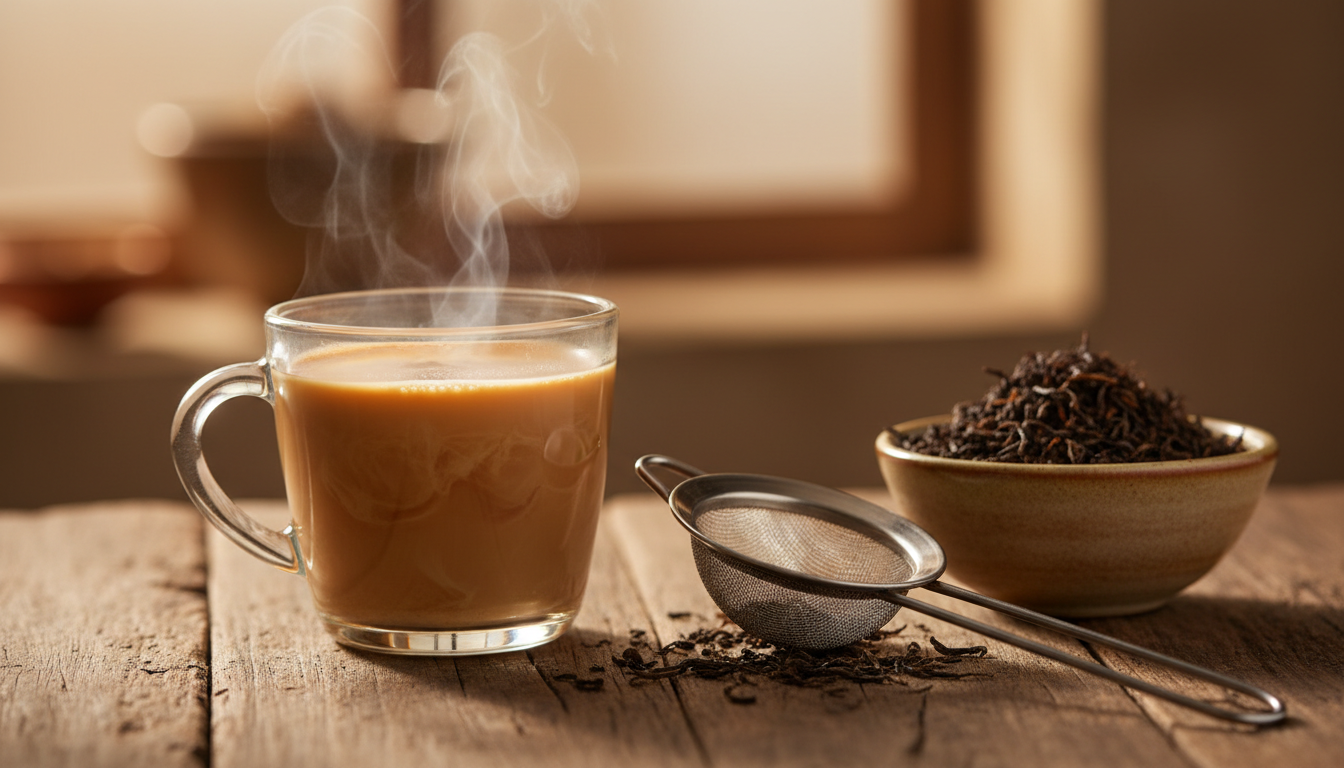
Pour in evaporated milk or whole milk. Return to boil, then lower heat and simmer. Keep stirring lightly; this prevents curdling and brings silky consistency. Simmer for 3–5 more minutes, until color turns into a deep caramel tone—a signature of well-brewed karak chai.
Step 4: The Secret Pulling Technique
The most shocking yet delightful secret in the karak chai recipe is the pulling technique, locally known as “karak pulling.” The tea is poured back and forth between two vessels from a height. This not only cools it slightly but also incorporates air, resulting in a velvety top foam. True tea masters can tell a cup’s quality by the texture of this foam.
Modern Variations and Creative Twists
As global palates change, tea artisans experiment with creative takes on the karak chai recipe. Each variation respects tradition while adding a fresh touch.
Gulf-Style Karak
Popular in the UAE and Qatar, it uses evaporated milk and heavy sweetness, often with a hint of saffron for royal coloring. Served in disposable cups at roadside stalls, Gulf-style karak transforms everyday routines into moments of cozy indulgence.
Indian-Inspired Masala Karak
In India, the karak chai recipe meets masala chai heritage. Cumin, ginger, and black pepper blend with cardamom to create a sharper, spicier punch. It’s ideal for colder mornings and often accompanies breakfast pastries or savory snacks.
Vegan and Health-Friendly Versions
Modern wellness culture inspired dairy-free takes using plant milks such as oat or almond. Coconut milk versions infuse tropical sweetness, complementing spice complexity. Reducing sugar and using raw honey or date syrup has also gained favor among the health-conscious, all while retaining the essence of a dependable karak chai recipe.
Secrets to a Flawless Karak Chai Experience
Several underestimated details separate good from great. These “shocking secrets” come from professional tea brewers who’ve perfected the process through repetition and cultural understanding.
- Timing is everything: Simmer too short, and flavors stay muted. Simmer too long, and bitterness overshadows creaminess.
- Crush, don’t grind, spices: Keeping them coarse lets essential oils release gradually.
- Use aged tea: Slightly older batches produce smoother results with fewer tannic edges.
- Adjust flame control: Switching between high and low heat amplifies flavor diffusion.
Learning these aspects transforms your karak chai recipe from ordinary to memorable.
Expert Tip: Cooling Phase
After pulling, let the tea rest briefly. This stabilizes froth and allows flavors to meld. Experts note that this resting moment can improve mouthfeel and mellow harshness naturally.
The Science Behind Karak Chai Recipe
Beyond tradition lies chemistry. The karak chai recipe achieves harmony through controlled emulsification and aromatic compound release. When milk proteins interact with tea’s polyphenols, they create smoother textures. Meanwhile, cardamom’s essential oils act as aromatic carriers, enhancing the sense of warmth perceived by the palate.
Understanding the Flavor Matrix
Each element has a defined scientific purpose:
- Tannins: bind with milk proteins to moderate bitterness.
- Lactose: sweetens naturally and improves viscosity.
- Essential oils: from spices provide aroma through volatile compounds.
Temperature Control
Experts suggest maintaining consistent medium flame. Fluctuations in heat influence extraction levels and lipid emulsification. Watching how the froth forms tells you if heat is correct—steady bubbles indicate balanced brewing. These micro-details matter in a precise karak chai recipe.
Pairings and Serving Rituals
Serving style completes the ritual. A perfect karak chai recipe feels incomplete without thoughtful presentation and pairing. Freshly baked biscuits, samosas, or even buttered toast enhance its creamy warmth. In cafés across Doha and Dubai, karak is served in small glass cups, emphasizing visual satisfaction of its rich golden hue.
For deeper understanding of traditional pairings and ceremonies, you may read Tea Ceremonies Explained and Tea History: Origins and Influence.
Hospitality and Symbolism
Serving karak embodies respect. In the Gulf, hosts ensure guests’ cups are refilled before emptying—a gesture echoing generosity and warmth. During family gatherings, everyone contributes: one boils water, another crushes cardamom—each taking part in preserving an unspoken cultural bond through the karak chai recipe.
Common Mistakes and How to Fix Them
Even experienced brewers stumble. Below are frequent issues observed when preparing the karak chai recipe and practical solutions to correct them:
- Tea tastes bitter: Reduce boiling time; lower tea quantity slightly.
- Chai lacks color: Simmer longer or choose stronger tea varieties.
- Too watery: Check milk-to-water ratio—should favor slightly more milk for karak character.
- Insufficient aroma: Use freshly crushed spices and avoid storing them in humid environments.
Consistency is built through adjustment, not perfection. The joy lies in refining your own karak chai recipe until it feels truly personal.
Nutrition and Health Insights
Surprisingly, the karak chai recipe is not merely indulgence—it carries nutritional benefits. Black tea provides antioxidants like theaflavins and thearubigins, known to improve cardiovascular health. Milk contributes calcium and protein, supporting bone integrity. Cardamom aids digestion and promotes detoxification through its natural diuretic properties.
Moderation remains key. Reducing refined sugar or replacing it with natural sweeteners elevates both taste and nutritional profile. For more health-oriented exploration, refer to studies from the National Tea Day UK initiative promoting balanced tea consumption.
Conclusion: The Soul of a Karak Chai Recipe
Mastering the karak chai recipe isn’t just about following directions—it’s about embracing rhythm, aroma, and storytelling. Each cup holds cultural identity, chemistry, and heart. From the cooling pull to the shared laughter among friends, this treasured beverage continues to bridge worlds one sip at a time. When prepared with curiosity and respect, your cup of karak becomes an experience that transcends taste—it becomes an emotion brewed perfectly for the moment.
Frequently Asked Questions
What makes a traditional karak chai recipe different from regular milk tea?
The distinction lies in intensity and spice layering. A classic karak chai recipe demands a stronger brew, thicker milk ratio, and prolonged simmering, giving it a deeper color and a luxurious mouthfeel. Regular milk tea, by contrast, often skips the spices or uses lighter concentration. Karak chai’s unique cardamom fragrance and pulling technique create its signature texture and strength, making it a richer, more aromatic beverage suited for leisurely enjoyment rather than a quick caffeine fix.
Can I prepare a quick karak chai recipe without compromising taste?
Yes, but the trick is precision. When adapting a karak chai recipe for quick prep, pre-boil concentrated tea decoction and store it refrigerated. When ready, mix with hot milk and freshly crushed cardamom. Although this method saves time, avoid microwaving; instead, reheat gently to preserve aroma. The key lies in maintaining brew intensity. While traditional simmering deepens texture, smart preparation can mimic authentic results efficiently without cutting the soul from the drink.
Is condensed milk better than regular milk for a karak chai recipe?
Condensed milk provides sweetness and creamy thickness that enriches the karak chai recipe. It’s particularly favored in Gulf-style karak for its luxurious tone. However, it can overpower subtle spice notes if overused. Regular full-fat milk offers more balance, allowing the aroma of tea and cardamom to shine through. Many households blend both—half condensed, half regular milk—for an equilibrium of sweetness, texture, and depth that honors traditional taste while offering versatility.
Why is cardamom essential in every karak chai recipe?
Cardamom defines the soul of any authentic karak chai recipe. Its oils open flavor receptors and complement the tannins in black tea, while the floral undertones balance milk’s heaviness. Without cardamom, chai risks losing aromatic dimension. Additionally, cardamom contributes digestive benefits and a cooling aftertaste that elevates every sip. Though optional spices may vary—like saffron or cloves—cardamom remains the irreplaceable anchor that connects aroma, culture, and emotional nostalgia within the experience.
How can I store leftover karak chai recipe safely?
Leftover karak chai recipe should be chilled immediately in a sealed container, lasting up to 24 hours in refrigeration. Avoid reheating directly on high flame; instead, warm slowly on low heat or in a water bath to prevent milk separation. If spices settle, stir gently before serving. Never freeze karak chai as ice crystals distort texture. Storing small pre-portioned bottles helps keep flavor integrity intact, ensuring each reheated cup tastes freshly brewed and satisfying.
Can the karak chai recipe be made caffeine-free?
Absolutely. For a caffeine-free karak chai recipe, substitute black tea with rooibos or decaffeinated Ceylon. These provide similar color and mild tannins without the stimulating effect. You’ll still get the spiced depth and creamy richness typical of karak chai. Adjust brew time—rooibos needs longer steeping—to build comparable intensity. The result is a soothing drink fit for evenings or late gatherings, offering comfort and flavor harmony while avoiding the jitters associated with caffeine intake.
Which desserts pair best with a karak chai recipe?
Sweet accompaniments elevate the karak chai recipe experience. Traditional pairings include Arabic dates, cardamom cookies, or saffron cake, each amplifying the tea’s spice profile. Modern cafés pair karak chai with cheesecake slices or butter croissants, creating fusion indulgence. The guiding rule: contrast texture and balance sweetness. Soft cakes complement karak’s dense flavor, while crunchy biscuits provide playful contrast. Experimentation enriches the ritual—just ensure desserts enhance, not overshadow, the chai’s warm and complex bouquet.



Leave a Reply