
Few beverages evoke the same warmth, ritual, and sense of calm as a cup of coffee tea. Whether you are a devoted coffee enthusiast, a tea connoisseur, or someone curious about how these two worlds blend, understanding what makes coffee tea so distinctive can transform your daily brew into a moment of mindful enjoyment. In recent years, coffee tea has emerged as a fusion drink—naturally caffeine-rich, smooth, aromatic, and layered in flavor. More than just a trend, it represents a growing appreciation for crossover beverages that celebrate both the energy of coffee and the serenity of tea.
This comprehensive guide explores coffee tea from multiple angles: what it is, how it’s made, which versions are worth trying, and how it fits into wellness and sustainability practices. Here you’ll find insights based on experience, real-world testing, and consumer reviews. The goal is to help readers make informed choices about their next brew and appreciate its complexity beyond the label. Whether you drink it from a traditional teacup or a modern pour-over mug, coffee tea reflects how taste and lifestyle are evolving globally.
Understanding What Coffee Tea Really Is
Before diving into blends, it helps to clarify what coffee tea is and why it holds its own special category among infusions. This beverage is not simply coffee-flavored tea. Rather, it often involves steeping dried coffee leaves, cascara (the pulp of the coffee cherry), or blending tea and coffee grounds in balanced proportions. The result is a brew with a unique profile: lighter and less bitter than standard coffee, yet deeper and more aromatic than most teas.
Origins and the Cultural Fusion Behind Coffee Tea
The story of coffee tea begins on coffee farms, particularly in Ethiopia and Yemen, where producers discovered that the leaves and pulp of coffee plants could be steeped like tea. Farmers would brew the leaves to stay refreshed during harvests—a simple act of sustainability that later became a global trend. As coffee exports grew, cascara tea found a second life in specialty cafés, offering a new way to appreciate the coffee plant’s full potential without waste.
At the same time, East Asian tea traditions influenced how this new beverage was brewed—focusing on water temperature, steeping time, and the balance of aromas. In Japan, for example, some experimental cafés pour coffee tea in elegant kyusu teapots, highlighting umami and sweetness much like a rare oolong.
Flavor Profiles and Brewing Characteristics
A major reason people explore coffee tea is flavor. It often sits between black tea and light roast coffee in terms of taste, offering a natural sweetness with subtle fruit, floral, or caramel notes. There’s a freshness you don’t find in a conventional espresso—sometimes with a hint of spice or honey, depending on region and preparation.
For brewing, temperatures hover around 90°C, and steeping time ranges from three to five minutes. If you steep too long, bitterness can arise, but a balanced brew delivers a complex, layered flavor that feels both grounding and refreshing. Some even experiment with cold brewing or pairing the drink with milk for a smoother finish.
Popular Varieties and Honest Product Reviews
Not all coffee tea is created equal. Some are sourced from premium cascara, while others involve creative blends of loose-leaf tea and finely-ground coffee. Below are several varieties currently popular among discerning drinkers, along with an evaluation of their strengths and weaknesses based on consumer experience and testing.
Single-Origin Cascara Coffee Tea
One standout choice comes from small-batch producers in Central America. This type of coffee tea is made from the dried fruit husks of the coffee cherry. It brews into a light copper color with a naturally fruity aroma reminiscent of hibiscus and dried dates. Sustainability advocates love it because it repurposes coffee waste. However, because cascara is delicate, proper storage is essential; otherwise, the flavor fades quickly.
Blended Coffee Leaf and Black Tea
Blends combining roasted coffee leaves with black tea offer a bolder character. The caffeine level is moderate, ideal for people who want gentle stimulation without the jitters of espresso. Expect subtle smokiness balanced by a tannic finish. When prepared in a French press, it becomes stronger and more aromatic—perfect for morning rituals.
Flavored Coffee Tea Infusions
Manufacturers also create flavored varieties, such as vanilla, caramel, or citrus-infused coffee tea. While these are more commercial and less traditional, some consumers appreciate the dessert-like fragrances. If you enjoy experimenting with flavored beverages, they can serve as entry-level introductions. However, purists might prefer unflavored types for their natural integrity.
Seasonal and Premium Coffee Tea Editions
Every few months, specialty roasters introduce seasonal versions of coffee tea using micro-lots of coffee cherry or rare tea bases. For instance, Ethiopian heirloom cascara might be mixed with Taiwanese high-mountain oolong, yielding a deep floral complexity. These versions are typically limited and more expensive but offer genuine depth of character. Enthusiasts who treat tea tasting like wine tasting often find them worth the price.
Health Benefits and Nutritional Insights
Beyond flavor, coffee tea carries meaningful nutritional qualities that make it appealing to modern wellness-minded drinkers. It tends to be lower in caffeine than standard coffee yet higher in antioxidants than many teas, particularly due to polyphenols from both plants.
The Balanced Caffeine Profile
The moderate caffeine level provides attentiveness without the over-stimulation associated with espresso or energy drinks. Many office workers and students find coffee tea perfect for sustaining focus during long study sessions. Because cascara contains theobromine—similar to the compound found in dark chocolate—it offers a smoother and longer-lasting sense of alertness.
Antioxidants and Anti-Inflammatory Properties
Antioxidants in coffee tea help neutralize free radicals, supporting cardiovascular and cellular health. Studies from the Nature journal highlight that coffee leaves contain more bioactive compounds than many green teas. Regular consumption may assist in improving metabolism and promoting skin vitality. Naturally, one should still moderate intake, as balance remains the key to any health regimen.
Digestive and Detox Benefits of Coffee Tea
Traditional drinkers in Ethiopia often describe coffee leaf tea as calming to the stomach. The mild acidity aids digestion after hearty meals. There’s anecdotal evidence and emerging research suggesting that coffee tea may also help in reducing bloating and mild inflammation in the gut. Combined with hydration and a balanced diet, it forms part of a mindful wellness lifestyle.
Practical Brewing Guides and Serving Tips
Brewing coffee tea is both an art and a science. The method you choose will determine whether you capture its delicate flavor or drown it in excess bitterness. Here’s a clear walkthrough to help ensure consistency.
Essential Equipment
You’ll need a high-quality strainer or teapot, a thermometer, and ideally filtered water. A digital scale helps with precision, as a ratio of 4 grams of coffee tea per 250 ml of water usually yields the best results. Choose ceramic or glass over metal teapots to prevent flavor contamination.
Step-by-Step Brewing Method
- Heat filtered water to 90°C (just below boiling).
- Add the measured coffee tea leaves or cascara into the pot.
- Pour hot water over the blend gently to release aroma.
- Steep for about 4 minutes, adjusting for personal preference.
- Strain and serve immediately to preserve the bouquet.
Small details—like swirling the pot gently before pouring—help release volatile compounds that define its layered aroma. For iced variations, brew double strength and pour over ice cubes to maintain flavor integrity.
Pairing Coffee Tea with Food
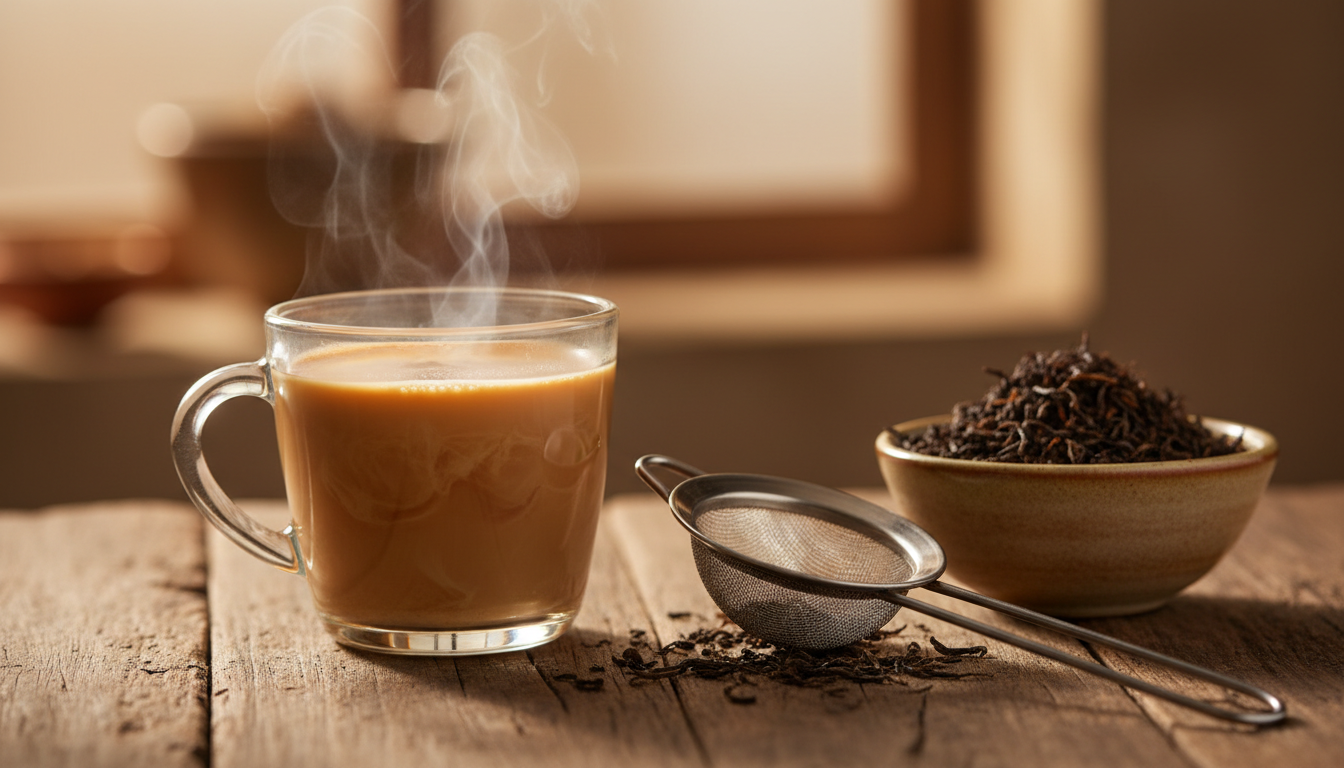
Pairing can elevate the experience. Lighter cascara versions complement pastries, fruit salads, or yogurt parfaits. Stronger coffee-tea blends go beautifully with dark chocolate desserts or nuts. In Southeast Asia, some cafés even blend it with condensed milk and serve it as an afternoon indulgence reminiscent of local milk tea culture.
Sourcing Ethically and Supporting Sustainability
One of the lesser-known stories behind coffee tea is its contribution to sustainable agriculture. Using the coffee cherry pulp or leaves minimizes waste and supports farmers who can now profit from parts of the plant once discarded. Buying from transparent supply chains ensures that small producers benefit fairly.
Ethical Purchasing Decisions
When shopping, look for certifications like Fairtrade, Rainforest Alliance, or direct-trade partnerships. Reliable brands list origin, harvest date, and processing method on their packaging. Traceability is a sign of responsible production. For deeper context on cultivation, visit this article on tea cultivation from Tea Story Blog.
Reducing Environmental Impact
Because most coffee tea requires less processing than ground coffee, it uses fewer resources overall. Some producers dry cascara using solar techniques instead of mechanical dryers, further reducing emissions. Opting for compostable packaging and supporting cafés that source from smallholder farms enhances positive impact.
Community Projects and Collective Value
In parts of Africa and South America, cooperatives now cultivate both coffee and tea side by side. This not only diversifies income but also improves soil health through polyculture. Supporting such producers can make every cup of coffee tea a statement in favor of more regenerative systems.
Trends and the Future of Coffee Tea
The beverage industry is moving toward innovation, collaboration, and sensory exploration. Coffee tea fits perfectly into this narrative—bridging two ancient drinks into one modern ritual. Specialty cafés have begun hosting tasting flights that allow customers to compare cascara-based infusions with light-roast cold brews.
Creative Blends and Culinary Applications
Chefs and mixologists have started experimenting with coffee tea as an ingredient in cocktails, mocktails, and desserts. Imagine cascara syrup drizzled over panna cotta or an iced coffee tea mojito. Restaurants featuring sustainable gastronomy see it as a bridge between comfort and creativity.
Expanding Access Through Online Communities
Online forums and specialty tea clubs have amplified awareness around coffee tea. Drinkers share recipes and sourcing tips, while influencers spotlight its eco-benefits. Educational platforms and tastings—like those offered by international tea associations—help more people explore its nuances. A good reference can be found at World Tea News, covering the beverage’s global growth.
The Role of Education and Heritage
As the popularity of coffee tea grows, understanding its cultural roots becomes essential. It’s not merely an exotic novelty; it’s part of agricultural history. Learning workshops now combine Chinese tea ceremony techniques with cascara tasting, inviting participants to honor both origins. For readers interested in historical context, review the tea history section on Tea Story Blog.
Conclusion: Crafting Your Perfect Cup
Whether you favor cascara’s fruit-forward sweetness or the earthy depth of coffee leaf blends, coffee tea encourages mindful consumption and a deeper appreciation for the farmers behind every sip. It invites experimentation without intimidation and embodies an evolving beverage culture revolving around sustainability and craftsmanship. From selecting ethical sources to experimenting with flavor, every drinker can find their personal balance within this hybrid tradition. Treat your next cup of coffee tea not just as a drink, but as an invitation to slow down, reflect, and connect with a timeless ritual adapted for the modern age.
Frequently Asked Questions
What exactly is coffee tea and how does it differ from regular coffee or tea?
Coffee tea is a beverage made by steeping coffee leaves, cascara (the dried coffee cherry), or a blend of coffee and tea components. It’s distinct from regular coffee, which is brewed from roasted beans, and from tea, which uses camellia sinensis leaves. The result is a cup that’s smoother and less acidic than coffee but more complex than tea. Many describe it as gently energizing with fruity undertones and subtle sweetness. It’s ideal for people who enjoy experimentation and seek a balanced caffeine experience that nourishes rather than overstimulates.
How much caffeine does coffee tea contain compared to coffee and green tea?
On average, coffee tea offers about half the caffeine of brewed coffee and slightly more than green tea. A typical serving has between 40–60 mg of caffeine, depending on whether it’s made from cascara or coffee leaf. This makes it a perfect mid-afternoon drink—stimulating yet smooth. Those sensitive to caffeine often tolerate coffee tea better because its natural theobromine content promotes steady alertness without the rapid crash associated with espresso or strong black tea.
Can I brew coffee tea using regular coffee beans at home?
Not exactly. Coffee beans are intended for roasting and extraction, not steeping. However, you can brew coffee tea from packaged cascara or dried coffee leaves sold by specialty roasters. Most come with clear measurements. Use four grams per 250 ml water, steep at 90°C for around four minutes, and enjoy. Grinding roasted coffee beans will create traditional coffee, not coffee tea. For experimentation, some people mix a small spoon of ground coffee with black tea, though it won’t replicate cascara’s smooth sweetness.
Does coffee tea have any health benefits beyond energy boosting?
Yes. Coffee tea contains polyphenols, antioxidants, and natural compounds like chlorogenic acid, which support metabolism and protect cells from oxidative stress. Many drinkers report better digestion, less bloating, and a subtle calming effect thanks to theobromine. Unlike heavily processed bottled drinks, freshly brewed coffee tea offers hydration with functionality. As with any source of caffeine, moderate intake is recommended, but its antioxidant density makes it an appealing daily beverage for wellness enthusiasts.
Is coffee tea environmentally sustainable?
Absolutely. Because it uses parts of the coffee plant that would otherwise become waste, coffee tea directly supports sustainability. Farmers add value and reduce environmental impact through upcycling cascara and coffee leaves. Buying certified or direct-trade options ensures fair compensation. Moreover, cascara processing requires minimal resources compared to roasting or grinding beans. When consumers choose responsibly sourced coffee tea, they contribute to a circular model that benefits both producers and ecosystems, reducing global food and agricultural waste.
What are some ideal food pairings for coffee tea?
Coffee tea pairs beautifully with desserts, breakfast pastries, fruit dishes, or even mild cheeses. Light cascara types complement buttery croissants or granola, while roasted blends go well with nutty cookies or chocolate mousse. During cold weather, it harmonizes with cinnamon spice snacks, enhancing cozy flavors. Its versatility allows it to accompany both savory and sweet plates, making it suitable for brunches, afternoon tea sessions, or after-dinner sipping.
Where can I buy high-quality coffee tea online?
Many boutique coffee roasters and specialty tea companies now offer coffee tea options. Look for transparent labeling, recent harvest dates, and sustainable practices. Shops focused on quality sourcing often highlight the farm and altitude on packaging. You can also find it from direct producers in Ethiopia, Honduras, and Thailand. Online specialty stores provide detailed tasting notes, ensuring an informed purchase. Once ordered, store it away from sunlight to maintain freshness and prolong its aromatic life cycle.
Can I mix coffee tea with milk or sweeteners?
Yes, coffee tea can be adapted to your preference. While purists enjoy it plain to appreciate the layered flavors, it also pairs nicely with milk, honey, or light syrups. Creamier additions bring out caramel tones, especially in darker blends. For iced coffee tea, a touch of oat or almond milk adds body without masking fragrance. Sweeteners should be minimal so as not to overpower the delicate fruit notes characteristic of quality cascara-based versions.




Leave a Reply