
There’s something irresistibly comforting about sipping on a warm cup of chai in a bustling street corner or a cozy café nook. Yet when it comes to the lively and flavor-packed experience of chai chatt, opinions are often polarized. This culinary trend, a fusion of spiced tea and chaat-style ingredients, has sparked heated debates among food lovers. Some praise its inventive layers of sweet, tangy, and spicy notes that redefine what tea can be, while others see it as a wild mismatch of flavors that challenge traditional palates. Either way, chai chatt has become a conversation starter across cities and social feeds.
The growing fascination with chai chatt has led to a surge in experimental stalls, pop-ups, and restaurants where food adventurers line up for their own taste of chaos in a cup. For traditional tea drinkers, it can be a shock to the system — how could you mix something as sacred as chai with crunchy chickpeas, tamarind, or yogurt? But for others, chai chatt represents the future of fusion food, a playful culinary escapade that celebrates diversity one sip at a time. In this review, we dive deep into its taste, cultural roots, preparation styles, and why it has become loved and hated in equal measure.
The Origins and Philosophy Behind Chai Chatt
Like most modern fusions, chai chatt emerged from the streets — where experimentation often beats tradition. The idea likely originated from South Asia’s thriving chai culture intertwined with the ubiquitous street food staple, chaat. Both are social foods, designed to be enjoyed amidst conversation and chaos. Combining them was both inevitable and innovative. The first recorded appearance of chai chatt was in small street corners in Mumbai and Delhi, where vendors blended leftover tea with crunchy toppings and tangy syrups, offering a novelty drink meant to surprise unsuspecting customers.
At its core, chai chatt embodies the vibrancy of South Asian street life. It’s not just a beverage; it’s an experience — the fusion of warmth, spice, and unpredictability. The creators wanted to capture that thrilling contrast between sweetness and tang, much like life’s mix of comfort and challenge. Over time, the dish spread internationally, with cafés in London, Toronto, and Dubai offering their own modern interpretations.
How Chai Meets Chaat: The Creative Experimentation
To appreciate chai chatt, it’s essential to understand the two worlds it bridges. Chai is known for its deep comfort: aromatic tea leaves brewed with milk, cardamom, ginger, and sugar. Chaat, in contrast, is an explosive combination of textures — crispy fried dough, chickpeas, tangy tamarind, and fresh herbs. Blending the two challenges the very definition of both.
When vendors craft chai chatt, they usually start with masala chai as a base and introduce ingredients like puffed rice, sev, spice blends, or even pomegranate seeds. Some recipes go further with chilled or semi-warm variations, turning a familiar hot drink into a layered, savory beverage. Although the texture might shock a newcomer, this juxtaposition is what makes chai chatt so fascinating. It’s culinary storytelling served in a cup.
The Flavor Breakdown of Chai Chatt
So what does chai chatt actually taste like? Imagine the creaminess of spiced tea combined with the tang of tamarind, the crunch of sev, and the zest of cilantro. It’s not always harmonious — the bitterness of tea can conflict with the sweetness of chutneys. Yet, the dissonance is often what keeps people talking. Food critics have described chai chatt as a flavor rollercoaster, while traditionalists often brand it a culinary contradiction. Both camps are right in their own way.
Regional varieties further complicate the flavor map. In Kolkata, chai chatt includes jaggery for sweetness, whereas in Delhi, it leans on yogurt for tang. In Bengaluru’s newer cafés, western influences bring in mocha or cocoa-infused versions — a nod to millennial experimentation. Every cup tells a story of adaptation, challenge, and acceptance.
Why Chai Chatt Divides Opinions
No other beverage seems to spark as many arguments as chai chatt. For purists, chai should remain a sacred ritual of warmth, patience, and familiarity. Infusing it with crunchy elements might seem disrespectful. For innovators, however, the controversy itself makes it exciting. Let’s explore both sides of the debate.
The Lovers: Creativity in a Cup
Supporters of chai chatt hail it as a celebration of modern taste. It’s an Instagram-friendly, cross-cultural beverage that appeals to adventurous palates. Younger generations especially love its novelty — each sip brings unexpected surprises. Culinary influencers and food vloggers cite examples of how chai chatt became a talking point at fusion cafés, elaborating that the experience goes beyond flavor; it’s about curiosity. A Toronto-based shop even introduced seasonal flavors like mango mint chai chatt, selling out within days of launch.
- **Textural Adventure:** The combination of smooth chai and crunchy bits makes it multi-sensory.
- **Visual Appeal:** Bright garnishes create a photogenic look that drives social media engagement.
- **Cultural Storytelling:** Mixing Eastern tea tradition with local street snacks globalizes an everyday food idea.
To the fans, chai chatt is about rewriting boundaries. It feels like a new social ritual where playfulness is mandatory and tradition meets innovation.
The Critics: When Tradition Gets Stirred
The other camp views chai chatt as culinary heresy. For them, chai represents calm — a break in the day, a meditative act. To pair it with tangy chutneys or crunchy elements disrupts that calm. They argue that the sharp flavors overpower the delicate balance of tea, leaving little room for subtlety. Critics also point out that not all combinations work harmoniously, and sometimes, the sensory overload simply fails the palate.
Tea artisans often worry that gimmicks like chai chatt dilute the cultural respect for authentic tea craftsmanship. They fear that consumers might start associating chai with shock value rather than depth. This controversy, however, keeps the beverage in public discourse, making chai chatt one of the most talked-about trends in modern street food culture.
Case Studies and Customer Reactions
Several cities have conducted small taste-test events featuring chai chatt. In Mumbai, 60% of participants said they “enjoyed the novelty,” but only 30% said they would drink it regularly. In London, where fusion food leads the market, cafes offering chai chatt saw a spike in first-time visitors, but regular conversion rates remained low. The taste, while exciting initially, demands a mood and mindset — it’s not for everyday drinking.
Social media reviews amplify this divide. Food bloggers share contrasting opinions: “a flavor revolution” versus “chaos in a cup.” Yet regardless of stance, chai chatt continually finds itself in viral discussions, keeping the beverage culturally relevant and commercially intriguing.
Crafting the Perfect Chai Chatt at Home
If curiosity has already bitten, trying to make chai chatt at home is an adventure worth attempting. The key is balance — maintaining the spirit of chai while borrowing elements from chaat. It’s an exercise in restraint and creativity alike.
Ingredients and Basic Preparation
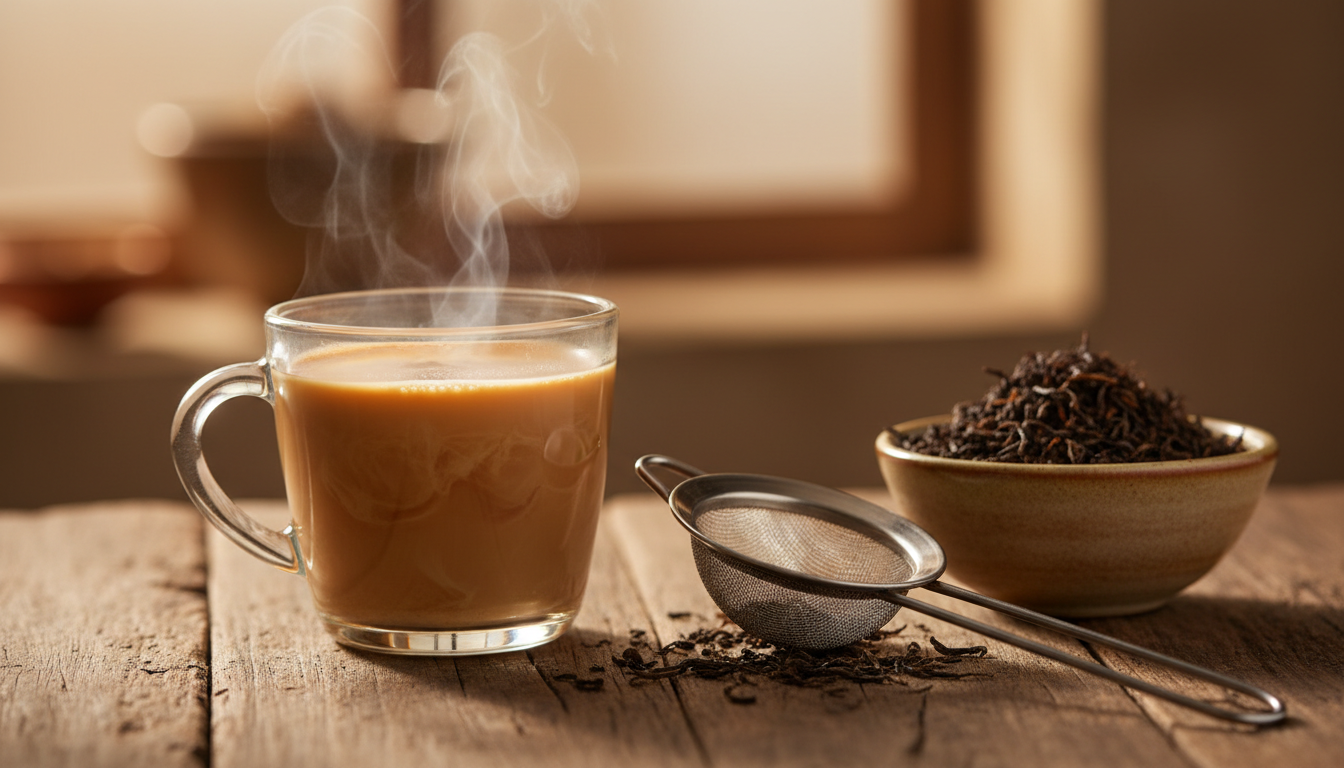
Begin with your favorite masala chai. Ensure it’s slightly strong to counterbalance the additional flavors. Classic components include:
- Tea leaves (Assam or Darjeeling blends work best)
- Milk and sugar to taste
- Chaat spices (cumin, black salt, and pepper)
- Tamarind or mint chutney for a tangy kick
- Sev, puffed rice, or small boondi for texture
- Fresh herbs like coriander for color
Once your chai base is ready, pour it into a deep bowl or glass. Sprinkle chaat toppings lightly; they should float without turning soggy. Serve warm or at room temperature. The idea isn’t to overpower your chai but to create interaction among the ingredients. For chilled variations, refrigerate the mix and top it with crushed ice just before serving.
Tips from Street Vendors
Street sellers often emphasize timing and proportion. Add crunchy elements at the very last second — too early, and your chai chatt loses its texture. The key lies in creating fleeting crunchiness against creamy warmth. In Delhi’s Connaught Place, some vendors even torch the top layer lightly to create caramelized edges, enhancing aroma. If experimenting at home, consider pairing your chai chatt with simple dishes like khasta kachori or spicy samosas.
For readers looking to refine their chai-making base, check out Tea Recipe for brewing techniques and Tea History for cultural backgrounds that enrich your understanding of this evolving fusion beverage.
Global Adaptations of Chai Chatt
Interestingly, chai chatt has traveled far beyond South Asia. In cafés across London, New York, and Dubai, professional mixologists reinterpret the tradition using global ingredients. The result is a fascinating interplay of cultures, enhancing the global image of chai.
Fusion Versions Across the World
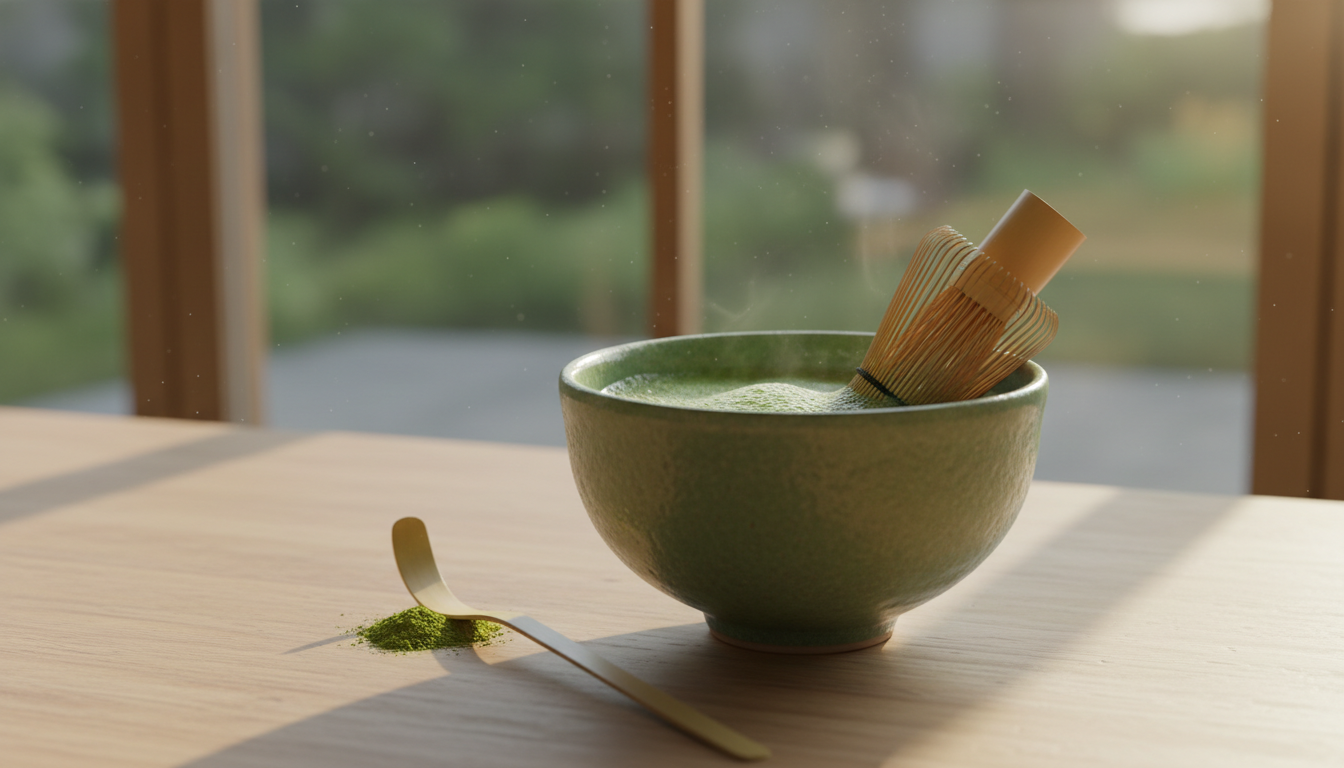
In Canada, baristas combine maple syrup and masala to deliver chai chatt with a local twist. In the Middle East, date syrup replaces chutneys to produce a more dessert-like flavor. Meanwhile, in Japan, versions featuring matcha and crispy rice exemplify East-meets-East creativity. Every adaptation reflects local preference while respecting the spirit of experimentation that defines chai chatt.
Linking Tradition with Modern Food Culture
This global evolution highlights how food traditions continue to evolve. What started as a humble street-side experiment now inspires a cross-border culinary movement. The fusion attracts tea lovers looking for diversity while inviting skeptics to rethink how tea can transcend boundaries.
For more on how tea shapes social customs globally, explore research at Tea USA and heritage documentation by The Tea Council UK. These organizations emphasize cultural respect in innovation — something the chai chatt movement occasionally struggles to maintain but always provokes discussion around.
The Nutritional and Sensory Perspective
Beyond taste, chai chatt offers an intriguing mix of ingredients that can deliver both benefits and drawbacks. The tea provides antioxidants and mild caffeine, while chickpeas, sev, and yogurt contribute protein and probiotics. However, sugary chutneys and fried additions add calories. Understanding these aspects helps balance indulgence and wellness.
Sensory Science of Chai Chatt
Food scientists often analyze why chai chatt works (and fails) for different people. The human palate perceives five tastes: sweet, sour, salty, bitter, and umami. Chai chatt simultaneously stimulates many of these, hence the sensation overload. The warmth of the beverage and crunch of toppings activate separate sensory zones, which to some feels exciting, and to others, confusing.
Pairing Suggestions and Serving Etiquette
Pairing chai chatt with subtle snacks preserves its complexity. Avoid heavy desserts; instead, opt for crisp samosas, puff pastries, or lightly salted nuts. When hosting, serve chai chatt in transparent glasses to display its layers — visual appeal plays a huge role. For professional service, use wide-mouthed tumblers or clay kulhads to emphasize aroma.
Cultural Symbolism and Market Evolution
More than just a beverage, chai chatt captures contemporary urban culture’s character — daring, expressive, and unpredictable. It mirrors how youth interpret tradition: reimagined, not rejected. Markets have caught up fast, introducing ready-to-mix sachets and café versions aimed at creating a lifestyle statement rather than mere refreshment. Analysts predict chai chatt could define a new subcategory in the global tea industry, bridging tradition with innovation.
Social Media and Branding Trends
On platforms like Instagram and TikTok, the hashtag #chaichatt racks up thousands of posts weekly. Cafés use vibrant plating, slow-pour videos, and customer reactions to market the novelty. The phenomenon also illustrates how sensory experiences drive online engagement: people love showcasing something surprising. Whether this trend sustains or fades will depend on constant reinvention and public curiosity.
Frequently Asked Questions
What is chai chatt and why do people love or hate it?
Chai chatt is a fusion drink blending masala tea with chaat flavors like tangy chutneys and crunchy toppings. Fans adore it for its layered flavors and textural play, describing it as an edible adventure. Critics dislike the clash between spicy-sour notes and comforting tea warmth. The polarization comes from sensory overload and cultural expectations — what feels creative to one person might seem chaotic to another. Regardless, chai chatt sparks conversation, uniting both camps in their fascination with how food evolves through experimentation and modern trends.
Where did chai chatt originate and how has it evolved?
The concept first appeared in India’s street markets, particularly in Mumbai and Delhi, as an experimental spin on chai and chaat. Vendors began mixing leftover tea with snack toppings to create an unexpected treat. Over time, global cafés adopted and refined the formula. Now, chai chatt is found across Europe, North America, and the Middle East, with each region adding local ingredients like maple syrups or date pastes. Its evolution shows how traditional street snacks can reinvent themselves inside high-end cafés and cultural festivals alike.
How can I make chai chatt at home?
Making chai chatt at home requires strong masala chai, chaat spices, and crunchy additions like sev or puffed rice. Start with robust tea, mix in your preferred level of milk and sweetness, then lightly garnish with savory toppings. The trick is balance — the chai should still dominate while the toppings add texture. It’s best served immediately to preserve crunchiness. For those curious about authentic brewing, explore tea crafting insights on teastory.blog for technique guidance and regional adjustments to achieve a harmonious chai chatt.
Is chai chatt healthy?
It depends on how it’s made. Chai chatt contains beneficial antioxidants from tea and protein from legumes or yogurt if included. Yet it can also be calorie-dense due to fried snacks and sugary chutneys. When prepared thoughtfully — using baked toppings, natural sweeteners, and low-fat milk — it remains a reasonably balanced indulgence. Moderation is key. Many cafés now promote lighter versions for health-conscious customers, blending nutrition with novelty without compromising the essence of chai chatt’s flavorful identity.
Why is chai chatt considered controversial among tea lovers?
Chai chatt divides opinion because it pushes against the longstanding traditions of chai drinking. Purists believe that chai should remain simple, while experimentalists see no reason not to blend it with the playful energy of street chaat. The cultural reverence attached to tea ceremonies means that such innovation can feel irreverent. Yet others view it as a meaningful expression of evolving food culture. In practice, chai chatt simply reveals how dynamic and emotionally connected people are to their tea heritage.
What foods pair best with chai chatt?
Light, savory snacks complement chai chatt beautifully. Think samosas, baked rolls, or spiced peanuts. These side dishes amplify the tea’s spice without overshadowing its character. Avoid heavy sweets as their sugar content may clash with the tangy flavors. During experimental tastings in modern cafés, pairing chai chatt with grilled sandwiches or fusion wraps has proven popular. Presentation also enhances experience — layering ingredients visibly and serving in tall glasses allows the colors and textures to shine through, turning chai chatt into edible art.
Can chai chatt become a sustainable food trend?
Potentially yes, if ethical sourcing and waste management practices accompany its popularity. Since chai chatt uses tea and local vegetables or legumes, it can leverage regional suppliers effectively. By choosing reusable serving cups, organic teas, and eco-friendly toppings, vendors can transform it into a sustainable culinary movement. As discussions around responsible dining expand, chai chatt’s visibility offers an opportunity to highlight mindful consumption and creative reuse of ingredients — ensuring that its bold experiment contributes to taste innovation and environmental awareness simultaneously.



Leave a Reply