There’s something enchanting about a cookie that blends the cozy warmth of spiced tea with the buttery crispness of dessert. That’s exactly what chai cookies promise: a sensory mix of tradition and indulgence that has inspired both adoration and controversy among dessert lovers. As the sweet aroma of cinnamon, cardamom, cloves, and sugar curls through the kitchen, opinions tend to divide sharply. Some find chai cookies to be the perfect balance of spicy comfort and nostalgic sweetness, while others consider them too bold or “confused,” teetering between a tea ritual and a guilty pleasure. This review dives into both sides of that argument, exploring why chai cookies are loved, hated, and undeniably fascinating.
In this sensory exploration, we’ll look at how taste, texture, and cultural perception shape the chai cookies experience. We’ll also analyze how recipes vary, why some versions delight the palate, and what makes others disappointing. Whether you’re a seasoned baker steeped in chai traditions or simply a curious snack enthusiast, understanding chai cookies is like opening a flavorful dialogue between East and West—one that tastes different depending on who’s sitting at the table.
The Complex Flavor Profile of Chai Cookies
Before deciding whether chai cookies deserve their ongoing hype, it’s essential to understand their personality. Unlike a standard sugar or butter cookie, chai cookies carry a layered spice profile inspired by the beloved masala chai. cardamom adds floral notes; cloves bring a sharp edge; cinnamon contributes warmth; while black pepper adds a subtle heat. When folded into a buttery dough, these flavors compete and harmonize in complex ways. The result can be magical or overwhelming, depending on ratio and technique.
The Sensory Appeal of Spices
Many fans describe the first bite of chai cookies as an “awakening.” The spice blend doesn’t just linger on the tongue—it blooms in waves. Cinnamon greets first, followed by the deeper whisper of ginger and cardamom. The sugar balances the heat, creating an experience that mimics sipping on milky chai, only crunchier. But some critics argue that if not carefully balanced, these spices can create a muddled aftertaste, where sweetness and spice clash rather than blend.
Texture plays an equally crucial role. The ideal chai cookies should be slightly crisp on the edges and chewy within. Achieving this texture takes precision in baking time and moisture retention. Overbaked versions turn dry and amplify the spice bitterness; underbaked ones lose flavor clarity and structural appeal. That delicate balance is why these cookies inspire both devotion and disappointment.
Why Some People Love Chai Cookies
To lovers of spiced desserts, chai cookies represent more than a snack—they’re a memory in edible form. For those with South Asian roots, it recalls the ritual of an afternoon chai with traditional snacks like nankhatai or cardamom biscuits. For Western audiences, it feels exotic yet familiar, offering a cozy twist on the sugar cookie with a sophisticated touch.
Cultural Resonance and Comfort
When one enjoys chai cookies, there’s often an emotional layer at play. The smell of simmering spices is tied to hospitality, warmth, and mindfulness. Even outside their origin cultures, chai cookies feel like a passport to a different world. People who love them often mention that they remind them of traveling through India or being wrapped in a blanket on a rainy day with a hot mug in hand. This connection between flavor and feeling makes chai cookies an evocative dessert few can forget.
Versatility in Pairings
Another reason for their fans: versatility. Chai cookies pair beautifully with beverages—especially, unsurprisingly, tea. A cup of authentic chai tea enhances the spices, while a glass of cold milk softens them. They also work well as a base for ice cream sandwiches or crumbled over vanilla yogurt. Chefs experimenting in bakeries often glaze them with condensed milk or drizzle them with spiced icing for added luxury.
Why Others Dislike Chai Cookies
While fans wax poetic, detractors find chai cookies divisive for their intensity. Some dislike the strong spice combination, calling it “too perfumed.” Others struggle with the idea of transforming a beverage into a baked good—arguing that chai should remain sacred as a drink, not a dessert. Then there’s the issue of uneven quality: poorly executed chai cookies often taste flat or bitter.
Common Complaints and Missteps
One widespread criticism lies in over-spicing. Amateurs sometimes dump equal portions of every spice, resulting in an abrasive, peppery bite rather than a nuanced blend. Another issue arises from the wrong fat base—margarine instead of butter dulls richness and creates an artificial aftertaste. Even flour type can make or break chai cookies; whole-wheat flour, while healthier, can sometimes mask the fine subtleties of cinnamon and cardamom. When done wrong, the cookie loses identity and purpose.
Understanding Flavor Balance in Chai Cookies
Balance is everything. Chai cookies should echo the harmony of a well-brewed masala chai. Too much ginger and it becomes medicinal; too much clove and it turns harsh. The viscosity of dough should allow the spices to integrate fully. Bakers who master this balance often use the “aroma-first method”: toasting spices before mixing them, letting the fragrance guide ratio choices. Those who skip this step risk ending up with something that smells promising but tastes hollow.
Texture and Craftsmanship
The tactile experience defines how chai cookies stand apart. A well-crafted batch is soft but structured, like shortbread’s resilient cousin. That textural delight emerges from careful mixing and perfect timing. Creaming the butter just enough—without over-aerating—gives chai cookies their rich crumb. Meanwhile, adding a hint of brown sugar deepens the cookie’s flavor and color.
Technical Precision: What Professionals Advise
Pastry chefs often treat chai cookies like miniature experiments in spice chemistry. The correct ratio between fat, sugar, and spice ensures the recipe’s “flavor diffusion.” One pro tip is to rest the dough overnight to let the spices bloom. Another professional trick: coating the cookies with a thin spice sugar mixture right after baking to enhance the aroma. Skilled bakers say chai cookies have a voice—they “speak back” with a crackle when ready, a sign that both texture and taste meet in harmony.
Global Interpretations of Chai Cookies
Across the world, diverse cultures have adopted chai cookies with their own flair. In artisanal cafés from London to Toronto, bakers experiment with gluten-free flours, coconut sugar, or oat milk adaptations. In India, the cookies sometimes mirror nankhatai recipes with chai spice infusions. In the United States, they often appear alongside pumpkin spice varieties in fall, becoming a seasonal favorite. These adaptations reflect how global comfort foods constantly evolve, shaped by geography and preference.
Fusion Experiments
Creative recipes include chai cookies with white chocolate chunks, chai sandwich cookies with cream filling, or vegan versions using coconut oil. Bakers in San Francisco have produced a gluten-free almond variant known for its subtle nutty undertone. Meanwhile, boutique bakehouses in Delhi now sell minimal-sugar chai cookies marketed as mindful indulgences, popular among tea-house patrons.
Pairing and Presentation Ideas
Presentation matters. Serving chai cookies on ceramic plates, accompanied by warm spiced milk, elevates the experience. Garnishes like cardamom dust or rose petals offer sophistication. Some cafés feature them in tasting menus at tea ceremonies, bridging traditional rituals with modern pastry art. Curious readers interested in those roots can explore more in Tea History articles detailing how regional tea traditions evolved into culinary inspiration.
The Love-Hate Nature of Chai Cookies
Ultimately, chai cookies mirror a philosophical truth: flavor is subjective. While lovers celebrate the creative fusion, purists question authenticity. This divide makes the cookie culturally resonant and discussion-worthy. It stands at an intersection—heritage meeting globalization, subtlety meeting sweetness. Chai cookies don’t aim to please everyone; they simply spark conversation through aroma and memory.
Personal Experiences and Community Opinions
Home bakers on forums describe emotional attachments to their chai cookies recipes, noting that they remind them of moments shared with family or cozy evenings reading books. Yet the same threads include detractors who call the flavor “divisive.” These polar reactions boost the dessert’s mystique. Food bloggers note that digital platforms often amplify the debate: should chai cookies lean subtle or spicy, crunchy or chewy? There’s beauty in that tension—it makes people think about what they taste and why.
Health and Ingredient Integrity
Nutrition-wise, chai cookies can be both indulgent and wholesome depending on choices. Using organic spices and minimally processed sugar enhances the experience and limits aftertaste. While not a health food, chai cookies can fit into balanced eating when portioned wisely. Swapping refined sugar for coconut sugar or combining butter with ghee preserves authentic taste without heaviness.
Clean Label and Sustainability Aspects
Modern consumers value transparency. Ethical sourcing of spices—especially cardamom and cloves—is gaining attention. According to The Tea Association of the USA, sustainable tea and spice farming maintain biodiversity and provide fair trade benefits for small growers. Conscious cookie makers are now labeling their chai cookies to indicate spice origins, enhancing trust through traceability.
Visual and Aromatic Appeal
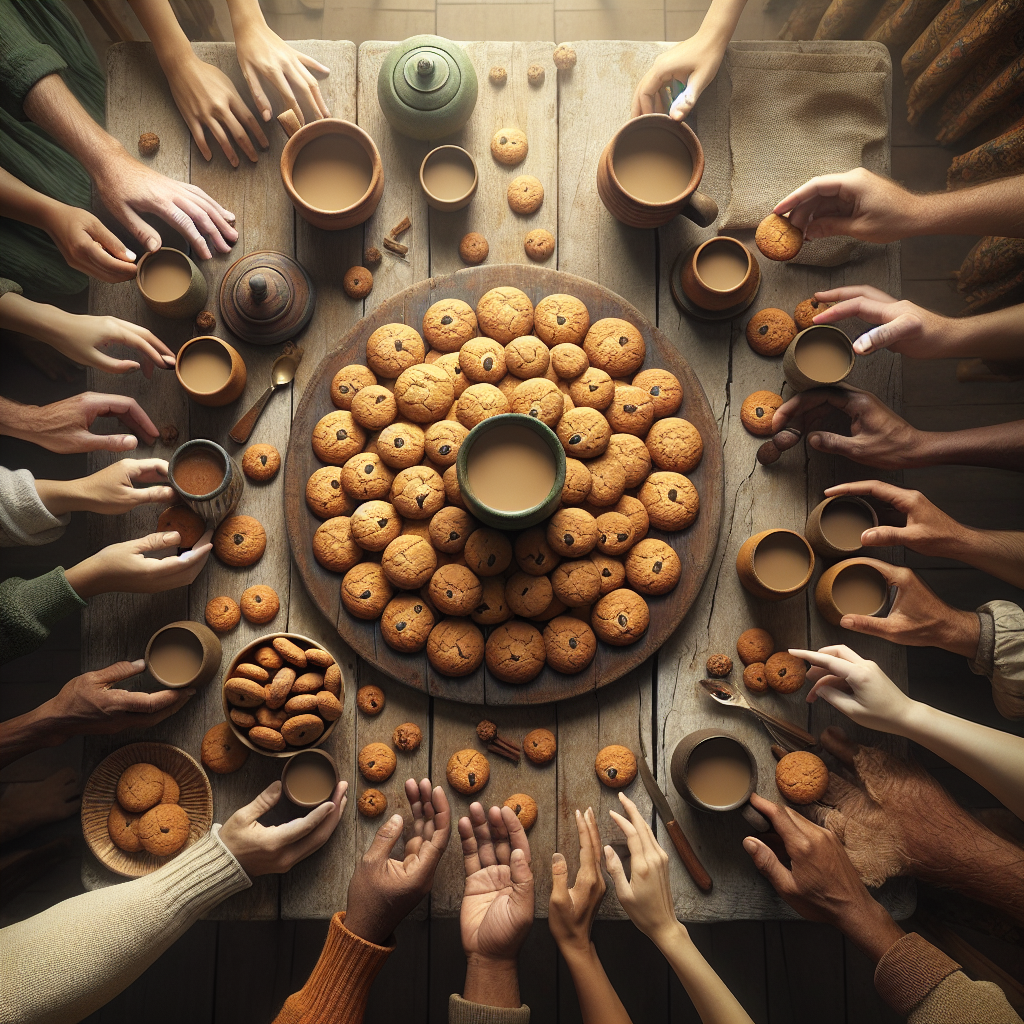
A photograph of golden-brown chai cookies fresh out of the oven (see image alt text “freshly baked chai cookies with cinnamon dust”) instantly evokes comfort. The muted tones of spiced dough and the scent of caramelizing sugar enhance that bond between sight, smell, and taste. In digital marketing, imagery of chai cookies paired with glowing tea cups performs remarkably well because it taps into nostalgia and sensory recall.
Practical Storage and Serving Tips
For best freshness, store chai cookies in an airtight jar at room temperature. They stay flavorful for up to a week. Adding a slice of bread in the container prevents drying. Reheating them slightly in a low oven revives their aroma. Many enthusiasts even freeze extra batches; when reheated, the flavor deepens as the spices meld further over time.
Modern Revival and Market Trends
Artisan bakeries and home-based sellers report rising interest in chai cookies, driven by the “tea-inspired baking” trend on social media. The product appeals to both adventurous millennials and nostalgic elders alike. The steady fusion of cultural desserts reflects globalization in taste preferences. Companies now market ready-to-bake mixes, though seasoned bakers argue nothing beats a handcrafted version mixed with care.
Retail Insights and Recipe Innovation
In the commercial space, branding plays a major role. The phrase “chai cookies” alone evokes aroma and sophistication, helping brands differentiate in crowded marketplaces. Some bakeries infuse local ingredients like maple syrup or sea salt flakes to adapt the profile. You can also explore further cultural origin contexts through Tea Cultivation resources detailing how regional spices influence modern desserts.
Conclusion: The Dual Legacy of Chai Cookies
Chai cookies are a study in contrast. They’ve turned the traditional flavors of masala chai into a portable, shareable treat—one that divides as much as it delights. To connoisseurs, they epitomize creativity and comfort. To skeptics, they overstep the sacred line between beverage and pastry. Yet it is precisely this tension that makes chai cookies memorable. Their aroma stirs nostalgia; their texture satisfies a craving for both crunch and warmth. Whether you’re team love or team skepticism, trying chai cookies at least once is an exploration worth taking, one that lingers much like the spices themselves.
Frequently Asked Questions
Why are chai cookies considered unique compared to regular cookies?
Chai cookies differ through their spiced foundation inspired by Indian tea blends. Instead of relying purely on sweetness, they use complex layers of cinnamon, cardamom, and cloves to evoke depth and fragrance. This spiced warmth triggers feelings of comfort and familiarity for tea drinkers worldwide. Unlike standard butter cookies, chai cookies balance sweetness and spice in a delicate rhythm. The result captures the subtle experience of sipping chai—offering both cultural connection and culinary adventure in a single bite.
What’s the secret to getting perfect texture when baking chai cookies?
Perfect texture in chai cookies requires precision. Begin by creaming butter properly and allowing spices to bloom in the dough by resting it overnight. Always measure spices carefully; too much clove can overpower sweetness. Bake just until the edges firm up and centers remain soft. Cool on trays briefly before transferring to racks—this step locks in chewiness. Using fresh, high-quality spices enhances aroma retention and results in cookies that resist becoming dry. True mastery lies in observing small sensory cues like aroma and crackle to determine doneness.
Can I make vegan or gluten-free versions of chai cookies?
Absolutely. Many successful chai cookies recipes use plant-based butter alternatives or coconut oil without compromising on richness. Replacing dairy milk with almond or oat milk also works well. For gluten-free versions, blend rice and almond flour for lightness. Vegan binding agents like flaxseed gel retain structure. The key challenge is preserving spice balance since alternative fats interact differently with aromatics. Testing small batches first helps ensure that flavor remains authentic and texture holds together beautifully.
How long can homemade chai cookies stay fresh?
When stored correctly in airtight containers at room temperature, chai cookies generally last up to a week. Including a piece of bread or slice of apple in the jar keeps moisture consistent. For longer storage, freeze baked cookies; they reheat well at low oven temperatures within minutes. Keeping them away from direct sunlight also preserves aroma quality. Interestingly, some bakers note that the flavor of chai cookies intensifies after a day or two as spices continue blending—a time-enhanced bonus worth noting.
Are chai cookies good for pairing with beverages other than tea?
Yes, though chai cookies naturally complement traditional tea, they also pair nicely with coffee, cocoa, or warm nut milks. The spice profile balances bitter coffee beautifully, producing a deep, cozy experience. Cold options like chai cookies with iced milkshakes or herbal tea also work. Their aromatic sweetness creates contrast with stronger drinks. Enthusiasts appreciate that chai cookies adapt easily to multiple cultures of refreshment, making them universal comfort treats suited for almost any drink preference or occasion.
Why do some people dislike the taste of chai cookies?
Taste perception varies widely. Some people find the signature spice combination of chai cookies too intense or “perfumed.” Others expect a sweeter dessert and feel surprised by the savory undertones of cardamom and clove. Cultural familiarity influences reaction, too: those unaccustomed to masala chai flavors may perceive imbalances where others taste harmony. Occasionally, poorly measured baking ratios exaggerate pungency. Understanding these differences makes it easier to respect each side of the chai cookies love-hate debate.
Where can I learn more about the origins of spices used in chai cookies?
Exploring spice origins enriches appreciation for chai cookies. You can read about traditional cultivation of cardamom and cinnamon through organizations dedicated to sustainable tea and spice production, such as the Tea Association of the USA. Studying heritage farming shows how environmental factors influence spice potency. For cultural insights, specialist blogs like teastory.blog detail how tea and spice journeys intertwined across centuries. Understanding history and geography adds flavor to how chai cookies are made and enjoyed today.



Leave a Reply