
There’s something irresistible about the calming aroma of spiced tea mixed with steamed milk. In this article exploring how to make chai latte at home, you’ll discover both its comforting allure and occasional pitfalls. Some adore its creamy warmth, while others find it too sweet or overwhelming. But what makes a chai latte successful in the home kitchen? We’ll unpack the techniques, flavor balance, and honest reviews — from beloved to less favorable — to guide you toward consistently delicious results. Whether you’re experimenting for the first time or refining your method, this comprehensive guide helps you master your perfect cup.
Learning how to make chai latte at home isn’t simply about mixing tea and milk. It’s about understanding how spices interact with heat, how milk frothing affects structure, and how personal preferences can shift a recipe from loved to hated. Through testing, tasting, and a few measured missteps, you can learn to adjust sweetness, spice intensity, and creaminess to create a drink suited to your palate. The following sections break down everything from spice sourcing to milk texturing, plus firsthand taste impressions to help you perfect your own ritual.
Understanding the Essence of Chai Latte
To appreciate how to make chai latte at home, it’s helpful to know what defines it. Chai, derived from the Hindi word for tea, is typically a blend of black tea leaves, milk, sugar, and a mixture of warming spices such as cardamom, cinnamon, ginger, and cloves. The Western adaptation, the chai latte, introduces microfoamed milk — the same silky froth used in cappuccinos — creating a rich, layered drink that’s both energizing and soothing.
The Cultural Journey of Chai
The drink’s journey from Indian streets to modern cafés reshaped its character. In India, chai tends to be robust, sweet, and spiced strongly. In contrast, Western café chai lattes often emphasize smoothness and texture. Understanding this background helps anyone exploring how to make chai latte at home respect its cultural roots while customizing it to personal taste. The art lies in capturing balance — honoring the traditional base while adapting to your preferences.
Choosing Ingredients for Perfect Balance
Every great chai latte begins with quality ingredients. Whether you use a pre-mixed blend or create your own spice combination, your choices shape flavor depth, aroma, and overall satisfaction. This section explains what to look for.
Black Tea Base
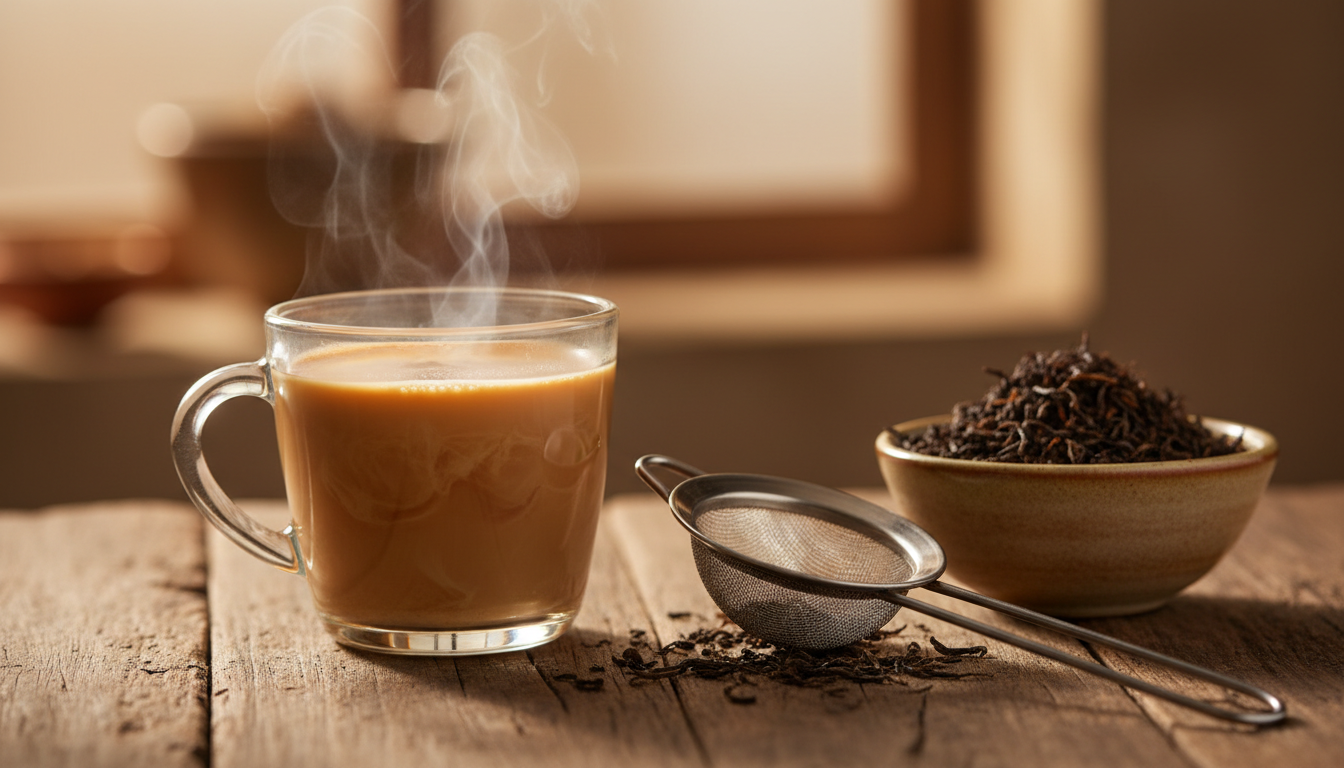
To start, select a strong, malty tea base — Assam or Darjeeling works best. Loose leaf teas often result in a richer texture than tea bags. For those uncertain about how to make chai latte at home with loose leaves, start simple: use one teaspoon per cup, steeped for about 5 minutes before adding milk. The goal is to create a tea strong enough to shine through the milk and spices.
Spices and Their Role
The spices determine personality. Classic chai includes cardamom pods, cinnamon sticks, cloves, ginger, and black pepper. Crush these gently before steeping to release essential oils. Experimenting with ratios helps you understand your own taste profile. Ginger adds kick, cinnamon contributes warmth, and cardamom offers aroma. When mastering how to make chai latte at home, remember: subtle layering of each spice beats overwhelming heat or sweetness.
Sweeteners and Alternatives
Traditional recipes use granulated sugar, but honey, maple syrup, or date syrup can offer nuance. Adjust to taste — sweetener impacts body and aftertaste. Some home baristas love the caramel tone honey adds, while others dislike the floral aftertaste. These contrast points reflect the “loved and hated” theme present when people exchange chai recipes. Taste-testing various sweeteners is part of refining how to make chai latte at home.
Choosing the Right Milk
Whole milk creates the richest latte, but oat milk, almond, or soy milk all modify flavor differently. When creating how to make chai latte at home, understanding each milk’s texture matters. Dairy froths more easily, while plant-based options offer distinct character: oat provides creaminess, almond a nutty accent, and soy a mild backdrop. Whichever you choose, the secret is not overheating, which ruins the froth and mutes aroma.
Step-by-Step: Brewing the Ideal Chai Latte
Perfecting this drink is both science and art. The following steps walk you methodically through the process to ensure consistency and satisfy both traditionalists and modern café enthusiasts.
Step 1: Preparing the Spice Infusion
Start by lightly crushing your chosen spices. In a saucepan, heat water, add the crushed spices, and simmer for at least 5 minutes. This stage extracts delicate aromatics, which will infuse the tea. Many exploring how to make chai latte at home rush this step, resulting in a flat taste. Slow simmering builds layers of flavor that later enhance the milk’s velvety sweetness.
Step 2: Adding the Tea
Add black tea once your spice mixture releases fragrance. Allow the combination to simmer an additional 3–4 minutes. Keep an eye on color and aroma. Avoid over-brewing — bitterness can dominate the milk’s softness. Balance comes through controlled steeping time. This is the backbone of how to make chai latte at home successfully, as uniformity matters for repeatability.
Step 3: Milk Integration
Now pour in hot milk or warm up your milk separately for frothing. If you prefer microfoam, use a whisk or frother until small, velvety bubbles form. Incorporate milk into the steeped tea and strain out solids. In taste tests, versions with thicker foam consistently earn high praise for mouthfeel. Those neglecting frothing often fall into the “hated” side of chai reviews, as texture plays a huge role in enjoyment.
Step 4: Adjusting Sweetness
Taste your latte before final serving. Add sweetener gradually while stirring. People learning how to make chai latte at home often err by pouring too much sugar upfront. Approach sweetness as a finishing layer rather than a base. A teaspoon may suffice, as the milk’s lactose naturally contributes mild sweetness. Fine-tuning this element elevates a simple chai from ordinary to café-level quality.
Step 5: The Presentation and Experience of How to Make Chai Latte at Home
Pour the finished latte into a warmed mug, optionally dusted with cinnamon or nutmeg. Presentation affects perception — attractive layering and inviting aroma increase enjoyment. When discussing how to make chai latte at home, aesthetics plays a part in why it’s loved or disliked. A foamy top with subtle spice specks suggests care, while uneven layers or excessive residue leave mixed impressions. The visual matters just as much as flavor for many enthusiasts.
Taste Review: Loved and Hated
Feedback from home testers reveals striking contrasts. Those who love homemade chai lattes describe complex warmth, cozy satisfaction, and the joy of customizing spices. Haters, however, cite inconvenience, inconsistent texture, or cloying sweetness. It’s worth analyzing both camps to improve your own brewing rituals.
Loved Aspects
- Personal Control: You can adjust the balance of spice and sugar exactly to taste.
- Freshness: Brewing spices from scratch produces livelier scent and depth.
- Mindful Process: The act of making chai slows you down in a comforting way.
- Budget-Friendly: Learning how to make chai latte at home saves money compared to daily café purchases.
Common Dislikes
- Inconsistency: Minor deviations in steeping time or spice mix can change results drastically.
- Preparation Time: Some find the simmering process too long for busy mornings.
- Overpowering Flavor: Beginners often use too many spices or too much milk.
- Cleanup: Straining spices leaves extra residue to wash.
Expert Tips for Consistent Results
Once you’ve built familiarity with how to make chai latte at home, small optimizations can elevate results. The following expert tips derive from seasoned baristas and culinary testers who favor homemade versions over café cups.
Use Fresh Spices
Whole spices outperform pre-ground powders. Grinding or crushing releases volatile oils crucial for aroma. Check freshness by sniffing: faded scent equals faded flavor. Investing in good-quality cardamom and cinnamon alone will transform your experience.
Mind the Water-to-Milk Ratio
An optimal balance is roughly half water to half milk. Too much water dilutes creaminess; too much milk mutes spice strength. Measure carefully, especially during initial experiments learning how to make chai latte at home.
Master Temperature Control
Boiling milk directly can lead to protein breakdown and unpleasant taste. Keep milk below 75°C (167°F). When in doubt, remove from heat earlier. Consistent temperature means smoother texture and a visually appealing microfoam.
Experiment with Add-ons
Some home brewers enjoy a hint of vanilla or star anise. Others experiment with turmeric for a golden hue and additional health benefits. This adaptability defines why exploring how to make chai latte at home is fulfilling — every small adjustment reflects personal story and mood.
Comparing Homemade vs Café-Style
Commercial cafés have access to high-pressure steam wands, providing dense foam and uniform heating. But that doesn’t mean you can’t achieve impressive quality at home. Below is a realistic comparison of the two experiences.
Flavor Depth
Homemade versions often deliver fresher spice notes since ingredients aren’t pre-mixed. Café lattes sometimes rely on syrup bases for speed, sacrificing authenticity. If you treasure genuine flavor, investing time in how to make chai latte at home is worthwhile.
Texture and Presentation
Professional machines generate finer foam, yet handheld frothers or French presses can approximate it well. With practice, your home cup can visually and texturally rival commercial ones. The difference lies in technique patience.
Consistency
Cafés excel in uniformity due to batch prep. Home recipes shift slightly each time, but that variation is part of the charm. When evaluating how to make chai latte at home, embrace imperfection as a sign of craftsmanship, not flaw.
Health and Wellness Perspectives
Beyond sensory enjoyment, understanding the health dimension of chai can enhance appreciation. Traditional chai spices provide notable antioxidants and digestion support. However, added sugar and heavy milk can tip the drink toward indulgence if consumed excessively.
Benefits of Spices
Cardamom aids digestion and freshens breath. Cinnamon helps regulate blood sugar, while ginger possesses anti-inflammatory properties. Incorporating these naturally boosts wellness when exploring how to make chai latte at home responsibly.
Managing Sugar Intake
To maintain balance, consider natural or low-GI sweeteners. Reducing sugar doesn’t dilute experience — it lets the spices shine through. This health-conscious approach is one reason more tea enthusiasts now choose homemade variants over chain-store drinks.
Lactose and Vegan Variations
For lactose intolerance, oat or almond milk works admirably. Frothing capabilities differ slightly, but taste satisfaction remains high. That adaptability reinforces the accessibility of how to make chai latte at home to diverse lifestyles and dietary choices.
Troubleshooting Common Mistakes
Even experienced brewers encounter missteps. Let’s identify and correct them so your learning curve smooths out.
Bitter Aftertaste
This occurs when tea leaves steep too long or water boils too vigorously. Adjust steeping time down and ensure milk addition happens promptly to mellow intensity.
Watery Body
Increasing tea concentration or adding slightly less milk balances dilution. When practicing how to make chai latte at home, proportion precision creates consistent texture.
Weak Spice Aromas
Use fresher spices or lightly toast them before infusion. Heat intensifies essential oils and enriches aroma without needing more quantity.
Foam Collapse
If froth disappears quickly, milk may have overheated. Keep temperature moderate and use cold milk from the fridge before frothing for optimal structure.
Serving Ideas and Pairings
A beautiful chai latte pairs naturally with light snacks or breakfast items. Test combinations until you find harmony that enhances both flavor and comfort.
Morning Pairings
Try pairing your homemade cup with banana bread, almond biscotti, or fruit salad. Their mild sweetness complements the spices well and adds a brunch appeal.
Evening Relaxation
When winding down, lighter snacks like yogurt with honey or spiced nuts bring balance. The ritual of how to make chai latte at home before bedtime anchors calm and mindfulness.
Further Reading and Inspiration
To expand your expertise, consult reliable tea resources like TeaClass.com for brewing studies and UK Tea & Infusions Association for deeper tea history. For more personal insights, explore articles on teastory.blog’s Tea Recipe guide or broaden your cultural perspective with Tea Ceremonies features. Knowledge interconnects — each reference refines understanding of quality sourcing, brewing, and presentation.
Frequently Asked Questions
What is the simplest method for how to make chai latte at home?
The simplest approach combines pre-mixed chai tea bags with warmed milk and a sweetener. Steep tea in hot water for 5 minutes, add equal parts milk, and stir. While less complex than spice-based recipes, it still offers aromatic comfort. Using better milk or adding cinnamon can help. Many beginners start here to grasp foundational ratios before advancing into customizing their own spice blends. This practical baseline allows consistent results while limiting preparation time and cleanup.
Why does my first attempt at how to make chai latte at home taste bland?
Several factors lead to dull flavor: weak tea leaves, old spices, or over-dilution with milk. Evaluate ingredient freshness and steep longer. Think of spices as symphony instruments — they need proper volume balance. Mild sweetness can also heighten perception of spice notes. Once calibrated, each cup feels richer. Keep notes of each modification; consistency improves through mindful adjustments. Many who master homemade chai started from exactly that bland first sip but refined technique through tasting feedback.
Which milk frother works best when practicing how to make chai latte at home?
Manual frothers, handheld battery whisks, or French presses can all do the job. For beginners, a handheld frother provides excellent control and affordability. Focus on achieving microfoam: tiny bubbles yielding a smooth texture. Electric steamers create café-like consistency but are optional. Key is using cold milk initially and avoiding overheat. Technique, not brand, defines quality foam. Explore experimentation — tiny adjustments markedly alter texture. Once mastered, lush foam amplifies aroma dispersion and taste enjoyment.
Can I use green tea instead of black when learning how to make chai latte at home?
Yes, but expect subtler results. Green tea provides milder base notes that risk being overshadowed by spices. Lower steeping temperatures, around 80°C, to prevent bitterness. Reduce spice amounts slightly for balance. This variation yields lighter, refreshing chai latte suitable for late afternoons. Experimenting different bases broadens your knowledge, proving flexibility inherent in the craft. It may not taste traditional, yet it appeals to those preferring reduced caffeine and gentle flavor evolution.
How should I store my spice mix for how to make chai latte at home?
Store spices in airtight jars away from light and humidity. Whole spices maintain potency for months, unlike ground versions which fade faster. Label containers with purchase dates to track freshness. Consider preparing small batches every few weeks rather than large ones. Rotation keeps outcomes vibrant. For daily convenience, keep a dedicated spice tin, combining personal ratios of cinnamon, cardamom, and ginger. Proper storage directly influences consistency and explains why two brews from same recipe may vary.
Is there a sugar-free recipe variation for how to make chai latte at home?
Certainly. Replace traditional sugar with stevia, erythritol, or small amounts of date paste. Balance is vital since spices themselves carry sweetness perception once milk softens edges. Taste iteratively. Many who adopt sugar-free options find subtler, more complex results emerging. Maintaining same comfort yet reducing calories turns chai latte into daily-friendly ritual. You can also rely partially on vanilla essence for sweet illusion. Gradually transitioning allows palate adjustment without abrupt dissatisfaction or imbalance.
What’s the key takeaway from people who love or hate how to make chai latte at home?
Lovers emphasize personal creativity, cost savings, and ritual satisfaction. Critics cite inconsistency, long prep time, or excessive sweetness. True mastery sits between — understanding how to manage each variable patiently. Set expectations realistically, refine taste with practice, and embrace imperfections. The reward extends beyond beverage itself: a multi-sensory process linking culture, comfort, and experimentation. Once you internalize this mindset, making your own chai becomes less chore, more cherished meditation shared through aroma and warmth.



Leave a Reply