
Many people ask the same question when they first encounter the word: what is chai. This aromatic beverage has captured hearts across continents but also triggered divided opinions. Some adore its complex, spicy warmth, while others find it overpowering. The curiosity surrounding what is chai often arises from its deep cultural roots, diverse recipes, and wide-ranging sensory experiences. For newcomers, it’s not merely a milky or spiced tea—it’s a story steeped in centuries of history and evolving taste. To truly grasp what is chai, one needs to travel through its origins, flavors, preparation rituals, and emotional meanings tied to every cup.
Whether you sip it in the bustling streets of Delhi or a cozy café in London, chai brings an experience rather than just a drink. For some, it’s comfort in a cup—a morning ritual or a midnight companion. For others, it’s too intense or sweet. This contrast makes the answer to “what is chai” more than just a definition; it’s a conversation about culture, craftsmanship, and personal connection. Let’s dive deep into its journey, understanding why this spicy brew continues to be both loved and disliked worldwide.
Understanding What Is Chai and Its Origins
The term what is chai finds its roots in the Hindi word “chai,” which simply means “tea.” Yet globally, it’s often used to describe spiced tea made with milk, sugar, and a blend of aromatic spices. The Indian “masala chai,” a popular version, combines black tea with spices like cardamom, ginger, cinnamon, nutmeg, and cloves. Each household in India often has its own recipe, resulting in subtle differences in texture, fragrance, and taste.
The origin story of chai dates back thousands of years to ancient India when it was first brewed as an herbal medicine rather than a leisure drink. Over time, British colonization and the introduction of Assam tea leaves created a fusion of cultures, forming the beverage now known globally as chai. When people ask what is chai, the answer ties back to these layers of adaptation—an intersection of global influence and regional creativity.
Why So Many People Love What Is Chai
The adoration for chai lies in its emotional depth and sensory comfort. People love what is chai because it evokes warmth and nostalgia, reminds them of home, and connects them to a larger community of chai enthusiasts. Each spice carries a unique story—ginger awakens the senses, cardamom soothes digestion, while cinnamon adds sweetness without sugar. The result is a symphony of flavors that appeal to both body and soul.
- It’s adaptable—served hot or cold, lightly spiced or rich and creamy.
- It promotes mindfulness; brewing it becomes a ritual rather than a routine.
- It pairs beautifully with snacks like samosas, biscuits, or sweet pastries.
People often find that the best explanation to what is chai comes from shared experiences. Chai is less about ingredients and more about emotion—a pause from a chaotic day, an excuse to gather with friends, or simply a soothing self-indulgence.
Why Some People Don’t Love What Is Chai
Despite its popularity, there are many who do not enjoy chai. For some, the intensity of spices like cloves or black pepper can feel overpowering. Others find that its sweetness distracts from the natural tea flavor. In Western cafés, commercialized chai lattes sometimes include too much syrup or artificial flavoring, distancing the beverage from its authentic roots.
Critics also raise concerns about how what is chai is misrepresented in mass culture. Many westernized versions, although delicious, don’t reflect the balance and authenticity of traditional chai. This dichotomy fuels debate: is chai still chai when reinvented for modern palates? Such complexity makes exploring what is chai a continual process of translation and interpretation.
Flavors and Sensory Profile of Chai
When one asks what is chai, describing its flavor is essential. The taste depends on spice blend, brewing time, and milk-to-water ratio. Traditional masala chai is bold and aromatic with layers of sweetness, warmth, and slight bitterness from tea tannins. The spices hit first, followed by creamy milk and a lasting sugary-ginger finish.
The Key Ingredients That Define What Is Chai
Here are some primary ingredients that make up what is chai:
- Black Tea: Usually Assam or Darjeeling, providing a strong base.
- Milk: Balances spices and adds creamy texture.
- Sugar or Jaggery: Brings natural sweetness.
- Ginger: Offers heat and therapeutic value.
- Cardamom: Adds aroma and freshness.
- Cinnamon and Cloves: Provide warmth and depth.
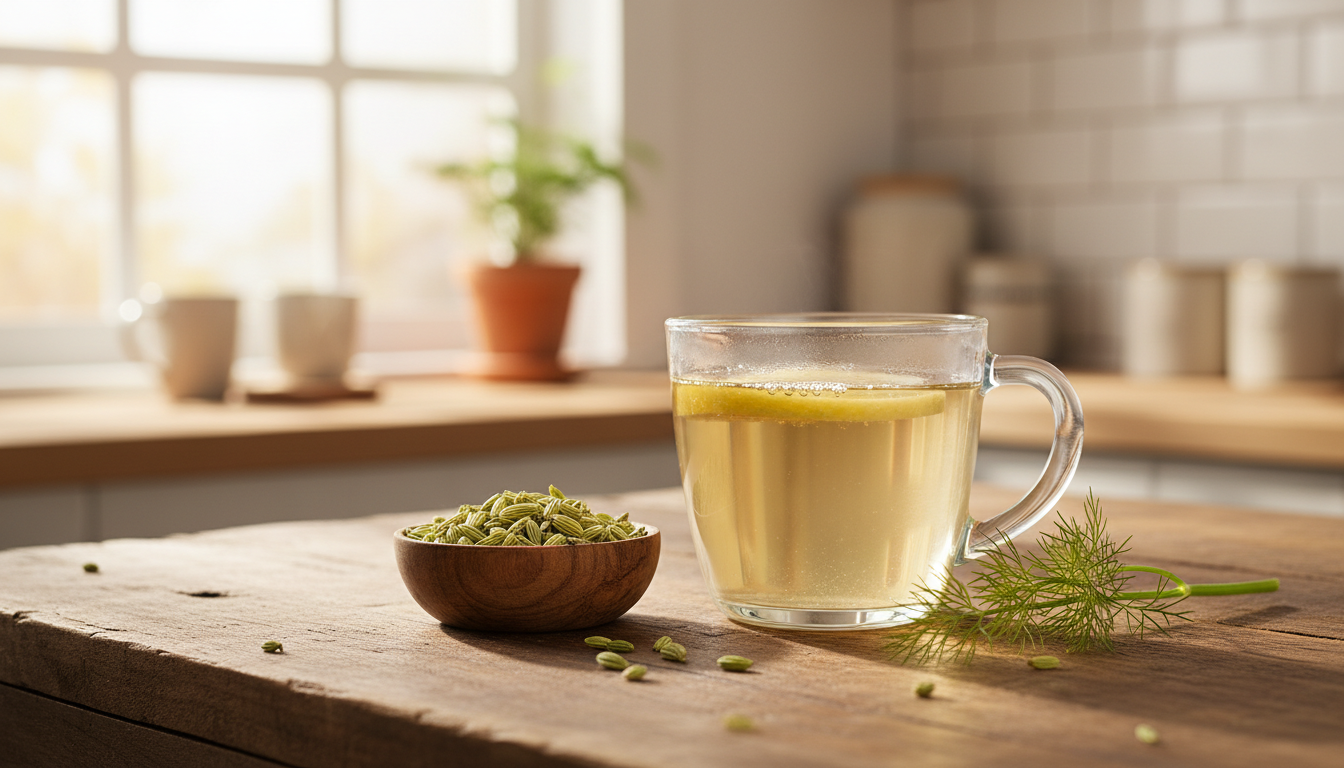
Each spice can be adjusted to customize flavor. Some versions include fennel seeds for licorice notes or black pepper for extra punch. To answer what is chai properly, one must appreciate these nuances of balance and harmony.
Regional Interpretations of What Is Chai
Different countries interpret what is chai in their own ways:
- India: The cradle of chai culture, with every region having its signature brew—from smoky Assam chai to Kashmiri kahwa with green tea and saffron.
- Pakistan: Often uses evaporated milk and a stronger spice mix.
- Tibet: Incorporates butter and salt, known as po cha.
- United Kingdom: Popularized the sweet chai latte, inspired by Indian masala chai.
- United States: Adopted chai as a café beverage, often blending flavors for diverse audiences.
Regional differences not only impact taste but also reflect each culture’s approach to comfort, hospitality, and health. Everywhere the question what is chai receives slightly different answers, painting a picture of chai as an evolving global experience.
Preparation Techniques: How to Make the Perfect Chai
Mastering what is chai at home involves understanding proportions, timing, and patience. A perfect cup results from synchronizing spice simmering and tea steeping to avoid bitterness or over-thickening. Let’s look at a step-by-step process.
Step-by-Step Guide
Here’s how you can prepare authentic chai that balances flavor beautifully:
- Boil one cup of water with crushed ginger, cardamom pods, and cloves.
- Add one teaspoon of strong black tea and simmer for two minutes.
- Pour in one cup of milk and simmer again until the aroma deepens.
- Sweeten to taste with sugar or jaggery.
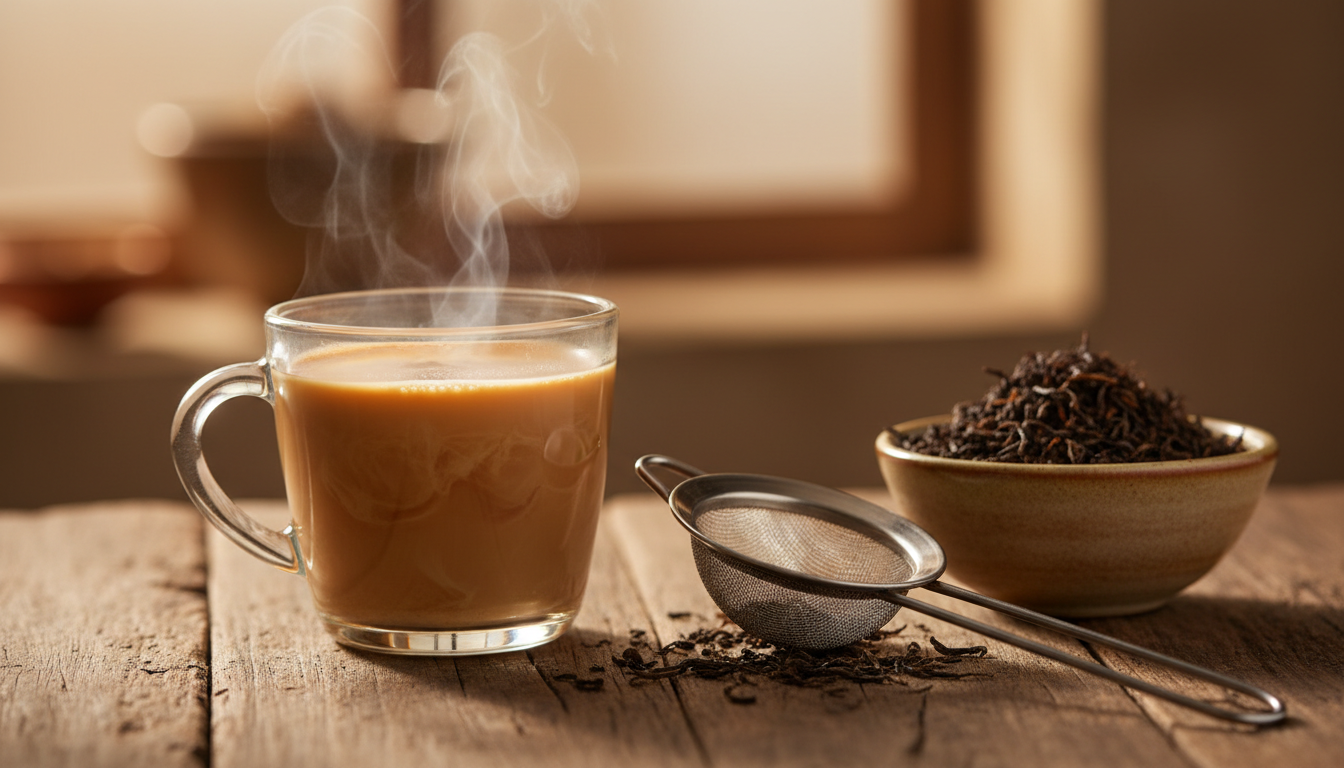
- Strain through a fine sieve into cups and serve fresh.
To appreciate what is chai, try brewing multiple times to refine your preferred balance. A slightly longer simmer emphasizes the spice; shorter simmer highlights the tea flavor. The more you experiment, the closer you get to discovering your personal definition of what is chai.
Common Mistakes When Brewing Chai
While experimentation is key, there are pitfalls that can mask true flavor:
- Boiling too long can make it bitter.
- Too much sugar can overwhelm the spice balance.
- Insufficient steeping results in watery flavor.
- Using pre-ground spices reduces freshness.
Learning these subtleties is essential. Every time you prepare chai, you participate in a time-honored ritual that connects ancient heritage with modern comfort. The process itself becomes an answer to the question: what is chai.
The Cultural Symbolism Behind Chai
In India, chai isn’t just consumed; it’s lived. It symbolizes hospitality, companionship, and resilience. When neighbors drop in, offering a cup of chai bridges gaps instantly. Even political discussions or business negotiations often begin with “Let’s have chai.” Understanding what is chai in this context reveals a beverage deeply tied to social fabric and emotional warmth.
A small roadside “chaiwala” stall often serves more genuine connection than a high-end café. Travelers stop, talk, share stories, and rest. This communal ritual reinforces that what is chai goes beyond liquid—it’s a symbol of togetherness.
According to Tea Association of the USA, global tea culture continues to grow, and chai plays a significant role in keeping traditional elements alive while appealing to new generations. It bridges traditions through aroma and taste, tying nostalgic memories to progressive communities.
Modern Influence and Globalization of What Is Chai
Today, global chains have popularized chai-infused creations—from chai lattes and ice creams to scented candles. While purists debate authenticity, this evolution reflects chai’s adaptability. Brands like Starbucks turned chai into a contemporary lifestyle beverage. Although some claim it’s too commercialized, these adaptations show how flexible what is chai can become—both traditional and innovative.
To truly understand chai’s expansion, one can visit National Tea Day UK for resources on global tea culture initiatives. Such events remind us that chai’s universal appeal lies in how easily it adapts to different contexts while preserving its soul.
Health Benefits and Concerns Related to Chai
Chai not only pleases the senses but also nourishes the body. Those wondering what is chai often discover its health associations rooted in Ayurveda. Its spices aid digestion, boost immunity, and help reduce inflammation. Ginger combats colds; cardamom freshens breath; cinnamon regulates blood sugar. In moderation, chai can be a healthful addition to daily routines.
Nutrition Facts and Balance
One cup of chai typically provides a modest calorie count if consumed without excessive sweeteners. The combination of antioxidants from black tea and metabolism-boosting spices offers a health-friendly punch. However, heavily sweetened café versions might add unnecessary calories and syrups, leading to imbalanced diets. To best appreciate what is chai, consider making it fresh with natural ingredients instead of syrups or powders.
Scientific Perspective on What Is Chai
Research suggests that regular tea consumption contributes to cardiovascular health and mental alertness. The spices in chai—particularly ginger and cinnamon—possess antioxidant and anti-inflammatory properties. Health experts note that understanding what is chai scientifically allows consumers to blend taste and wellness in one cup. However, people sensitive to caffeine or lactose may need moderation. Overall, chai’s beneficial compounds often outweigh its minor drawbacks, making it a wholesome comfort drink when enjoyed mindfully.
Chai Through Stories: Voices of People Around the World
Many personal stories reveal unique connections to chai. An artist in Mumbai describes her morning brew as a painting of aromas; a student in Toronto views chai as a memory bridge to her grandmother’s kitchen. Each narrative answers what is chai differently but with shared affection. Even in remote workplaces, colleagues bond over chai breaks, reinforcing belonging and reprieve from stress.
Authentic storytelling brings chai’s global essence closer. From traditional copper kettles in India to delicate porcelain cups in Europe, chai continues to unite diverse communities through a warm, spicy language that everyone understands.
Exploring More About Tea and Chai
If you wish to explore further beyond what is chai, you can dive into resources such as Tea History to learn how chai evolved alongside teas worldwide, or experiment with recipes from Tea Recipe sections that celebrate both traditional and creative blends.
Conclusion: Rediscovering What Is Chai
So, what is chai? It’s far beyond a trendy beverage. It’s a relationship built on history, culture, and everyday emotion. Whether prepared by a street vendor or served in a café, chai represents balance—the fusion of strong tea, rich milk, sweet sugar, and fragrant spice. It celebrates contradictions: simplicity and complexity, ritual and spontaneity, heat and comfort. For those who love its warmth and those who question its taste, chai will always symbolize interaction—between tradition and innovation, personal taste and shared culture. Ultimately, understanding what is chai means tasting life itself, one comforting sip at a time.
Frequently Asked Questions
What is chai and how is it different from regular tea?
Chai, often called “masala chai,” is a spiced, milk-based tea popular in South Asia. Unlike plain tea brewed with just leaves and water, chai uses spices such as cardamom, cinnamon, cloves, and ginger. This creates a layered flavor—sweet, spicy, and aromatic. When people ask what is chai, the answer involves both its mix of spices and its cultural significance. While black tea provides the base, the addition of milk and sugar balances the spices, producing a comforting beverage that’s both energizing and soothing.
Why do some people love and others dislike what is chai?
The polarizing nature of chai comes from its intensity. Many love chai’s warmth and complexity, while others find it too spicy or rich. Its flavor varies widely based on recipe, milk proportion, and spice strength. When exploring what is chai, you’ll realize its beauty lies in personal adaptation—no two cups are identical. People conditioned to mild teas may initially resist its boldness but often develop a taste for it over time as they experiment with the spice balance and sweetness level.
Can you make a caffeine-free version of what is chai?
Yes. For those sensitive to caffeine or avoiding it, chai can be prepared with herbal bases like rooibos or chamomile instead of black tea. You still add the same spices, milk, and sweeteners. The result carries identical warmth and aroma but without caffeine’s stimulation. Herbal chai variations maintain the cultural essence of what is chai while promoting calmness and late-evening enjoyment. Many brands now offer caffeine-free “masala blends,” which are growing popular among wellness enthusiasts seeking comfort without energy spikes.
Is what is chai healthy for daily consumption?
Moderate chai consumption can support wellness thanks to antioxidant-rich tea and anti-inflammatory spices like ginger and cinnamon. However, sweetened commercial versions may contain syrups or added calories. Homemade chai gives better control over sugar and milk proportions. Regularly enjoying what is chai in balanced amounts can promote digestion, improve mood, and warm the body on cold days. As with most beverages, mindful moderation ensures you reap benefits while indulging in its comforting flavors and cultural freshness.
How can you properly answer someone asking what is chai for the first time?
When someone asks what is chai, you can describe it as an Indian-origin beverage made by brewing black tea with milk, aromatic spices, and sugar. But beyond ingredients, it’s a cultural practice symbolizing comfort, community, and reflection. You might illustrate how every home or café personalizes it and how global versions—like chai lattes—represent evolving traditions. Understanding chai means appreciating its craftsmanship, not just tasting it. Encourage newcomers to try multiple recipes before deciding their favorite version; each tasting deepens comprehension and connection.
What are the most authentic spices used in what is chai?
Authentic chai typically includes cardamom, ginger, cinnamon, cloves, and sometimes black pepper or fennel seeds. Each spice contributes to chai’s layered aroma and therapeutic effects. For home brewers exploring what is chai, start with a simple combination and adjust quantities to taste. Freshly crushed spices yield the best results. Cardamom highlights sweetness; ginger adds warmth. Avoid prepackaged powders to maintain aromatic intensity. Experiment with different blends until you achieve a cup reflecting both tradition and your individual flavor preference.
Does what is chai taste the same everywhere?
No, and that’s the charm. What is chai in India differs from chai in America or Africa. Soil type, climate, and cultural tradition all affect its taste. In India, strong black tea dominates; in Western versions, milk and sugar stand out more. Street chai might taste robust, while café chai leans creamy. Different spice ratios create distinct personalities for each cup. Understanding those regional changes enhances appreciation for how diverse and adaptable chai has become across global cultures.



Leave a Reply