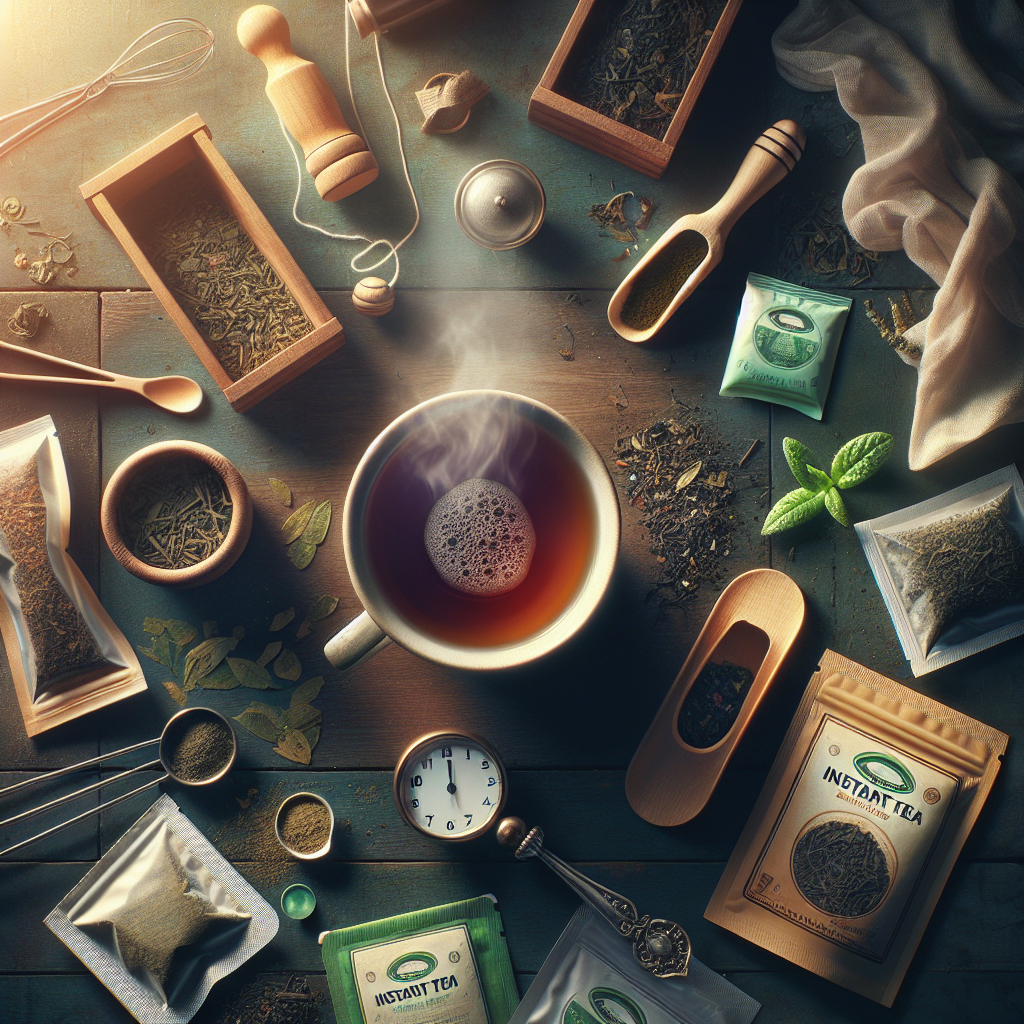
Instant tea has quickly become a modern staple for busy people who still want the comfort of a cup of tea without waiting for a kettle to boil. Unlike traditional loose-leaf or bagged tea that needs brewing, instant tea dissolves directly in hot or cold water. This innovation provides a quick, consistent, and flavorful beverage, whether you are in a rush at work, camping off-grid, or simply want a convenient way to enjoy tea at home. Over the past few years, instant tea has evolved tremendously—offering better taste, varied origins, and even health-focused formulations.
Originally, many people dismissed instant tea as inferior to freshly brewed types. However, improved extraction and drying technologies have changed that narrative. High-quality instant tea preserves much of the antioxidants and polyphenols found in regular tea. Moreover, brands now emphasize sustainability, using ethical sourcing and environmentally responsible packaging. This article explores instant tea comprehensively—its creation, benefits, quick facts, brewing techniques, and how to pick the right one for your needs.
Understanding What Instant Tea Really Is
To appreciate instant tea, it helps to understand its essence and how it differs from conventional tea. In essence, it’s a dehydrated version of brewed tea, made to dissolve instantly in water. The production process begins with extracting tea solids from real tea leaves using hot water under carefully controlled conditions. The extract is then concentrated and dried—usually via spray drying or freeze drying—to produce fine, soluble powder or granules.
How Instant Tea Is Made
The manufacturing process determines the quality of instant tea. Typically, high-grade tea leaves are brewed at optimal temperature, ensuring that desirable compounds such as caffeine, tannins, and theanine are preserved. After filtration, the resulting concentrate goes through drying techniques:
- Spray drying: Produces a finely powdered instant tea with excellent solubility.
- Freeze drying: Retains more natural flavor and aroma by drying at lower temperatures.
- Agglomeration: Helps create larger, uniform granules that dissolve better in cold liquids.
Some producers add small amounts of flavoring, sugar, or milk powder to tailor instant tea for specific markets, but many others market pure tea extracts for those seeking authenticity.
Different Types of Instant Tea and Their Characteristics
Instant tea is not a one-size-fits-all product. Today, you can find varieties that match nearly every preference. Below are common categories and what makes each stand out:
- Black instant tea: Rich, bold, and classic. Commonly used in iced tea powders and traditional cups.
- Green instant tea: Light and grassy with high antioxidant content.
- Oolong instant tea: Balanced flavor that falls between green and black characteristics.
- Herbal instant tea: Includes blends like chamomile, hibiscus, or ginger, offering caffeine-free choices.
- Instant milk tea: A complete mix containing tea powder, milk solids, and sugar for ready preparation.
The Health Benefits of Instant Tea
While convenience is a big draw, the true gain from regular consumption of instant tea lies in its nutritional properties. Tea is a rich natural source of polyphenols, catechins, and other compounds that contribute to health and wellness. When processed correctly, instant tea maintains many of these benefits.
Antioxidant Power in Instant Tea
Polyphenols and catechins in instant tea scavenge free radicals, reducing oxidative stress. This may assist in lowering the risk of chronic conditions like cardiovascular disease and certain types of cancer. Studies suggest that instant tea retains between 70–90% of polyphenol levels found in freshly brewed tea depending on the drying process used. Green instant tea varieties tend to offer the highest antioxidant concentration.
Metabolism Boost and Weight Management
Beyond antioxidants, instant tea—especially green or oolong varieties—contains caffeine and catechins that gently increase thermogenesis and fat oxidation. This metabolic support makes instant tea a light alternative to sugary beverages. Fitness enthusiasts use it as a pre-workout beverage due to its refreshing nature and easy preparation.
Best Time to Enjoy Instant Tea for Health
Nutritionists recommend having instant tea mid-morning or after meals. Drinking it before heavy meals may help regulate appetite and digestion. However, moderation is key because excessive caffeine can affect sleep and hydration levels. Mixing it with lemon can further enhance detoxification potential.
Comparing Instant Tea with Traditional Tea
Tea purists often wonder if instant tea can ever match the nuanced experience offered by loose leaves. The answer depends on what you value most. Let’s explore major points of comparison.
Flavor and Texture Differences
Instant tea offers consistency. Its flavor profile tends to be straightforward, whereas loose tea varies by steeping time, temperature, or water quality. Freeze-dried instant products come remarkably close to natural flavor, especially for green and black teas. While you may lose some aromatic complexity, the convenience benefit often outweighs the compromise for everyday drinkers.
Convenience and Shelf Life
Instant tea is unmatched in ease of use. It dissolves instantly, travels well, and requires no brewing accessories. Its shelf life ranges from 12 to 24 months depending on packaging. Traditional tea, meanwhile, demands careful storage and repeated preparation steps. For offices and travelers, instant tea’s practicality is a decisive factor.
Environmental and Ethical Sourcing Considerations
Recently, producers have improved sustainability credentials in the instant tea segment. Brands highlight traceable supply chains and recyclable packaging. Choosing ethically sourced instant tea supports fair labor practices in tea-growing regions. Consumers who value eco-conscious lifestyles often appreciate brands that integrate biodegradable sachets or paper-based pouches.
For an in-depth insight into how cultivation impacts tea quality, see this internal resource from Tea Cultivation.
How to Brew the Perfect Cup of Instant Tea
It may be called “instant,” but subtle techniques enhance its taste significantly. Proper mixing, water temperature, and serving style all influence the final result.
Steps for Preparing Instant Tea
- Use clean, filtered water to avoid chlorine off-flavors.
- Heat water to around 80–90°C for most teas. For iced versions, dissolve in a little hot water first, then add cold water and ice.
- Add one teaspoon of instant tea per cup (adjust strength to taste).
- Stir thoroughly until crystals or powder dissolve completely.
Customizing Flavor
Instant tea is incredibly flexible. You can add honey, lemon, or spices for extra character. For creative beverages, try mango iced instant tea or peppermint-infused instant tea during summer. Cafés often use concentrated instant tea as a base for milk teas or boba drinks due to its stable taste and quick preparation time.
Cold Brew Innovations with Instant Tea
Cold brewing isn’t limited to coffee. Dissolvable teas can be prepared in chilled water instantly without long steeping times. Experimenting with sparkling water or low-calorie sweeteners creates refreshing alternatives suitable for hydration after workouts.
Buying Tips and Storage Advice
Because the market offers a variety of products, choosing high-quality instant tea requires awareness and a bit of label reading. The aim is to find a product that aligns with your taste, health goals, and ethical standards.
What to Look For
- Check that tea is made from real leaves with minimal additives.
- Look for “pure extract” or “100% tea solids” on labels.
- Select freeze-dried options for maximum preserved nutrients.
- Choose airtight packaging to prevent moisture exposure.
Storage Recommendations
Store instant tea in a cool, dry area, away from sunlight. Once opened, transfer it to an airtight jar to prevent humidity from clumping the powder. Avoid refrigeration because condensation may degrade flavor. When properly stored, high-quality instant tea maintains its taste and nutritional integrity for up to 18 months.
Popular Trends and Global Market Insights
The consumption of instant tea continues to rise globally due to changing lifestyles and demand for portable wellness options. Asia remains a key producer, while Western markets have adopted it as a daily beverage solution.
Innovation in Flavors
From matcha-blended instant tea to herbal adaptogen versions, manufacturers constantly push creative boundaries. Some premium brands in Japan and South Korea use micro-granulation technology to preserve aroma profiles identical to fresh brews. This demonstrates that innovation can harmonize tradition and convenience in the beverage industry.
Emerging Consumer Preferences
Modern consumers value transparency, low sugar, and plant-based ingredients. Instant tea brands now highlight antioxidant levels, traceable sourcing, and recyclable packaging. The shift mirrors the broader health-oriented beverage market movement. Furthermore, single-serve sachets appeal to travelers and office workers seeking minimal effort.
To explore historical perspectives in tea evolution, visit Tea History for context on how instant tea fits into the greater story of tea culture.
Instant Tea Versus Cold Tea Concentrates
While both serve similar convenience goals, they differ in form and purpose. Instant tea is dried extract that dissolves instantly, whereas concentrates are liquid extracts requiring dilution. Instant tea offers longer shelf life and more portability, while concentrates often taste more robust but require refrigeration. Choosing between them often comes down to lifestyle and taste preferences.
Environmental Footprint Comparison
Instant tea generally generates less packaging waste and consumes less energy during transportation since it is lighter and nonperishable. However, production energy usage during drying can offset some advantages. Sustainable innovations like solar-assisted drying are emerging to reduce its carbon impact.
Where Instant Tea Excels in Modern Living
In contemporary life, convenience often drives choice. Instant tea serves several niches efficiently:
- Corporate environments: Easy to prepare in office pantries.
- Outdoor recreation: Lightweight option for hikers and campers.
- Hospitality industry: Commonly used in hotels for consistent beverage service.
- Fitness and wellness users: Perfect as a quick hydration or detox drink.
Quick Facts About Instant Tea
Here are concise insights that provide perspective on this fast-evolving product:
- It was first commercially developed in the mid-20th century in the United States.
- Modern versions achieve near 100% solubility in both hot and cold liquids.
- Instant tea retains up to 90% of brewed tea’s antioxidant values when processed gently.
- Premium brands now emphasize organic certification.
- The global market value of instant tea surpasses $2 billion and is still growing.
Visual Depiction Reference

Further Reading and Resources
For additional insights, you can explore these reputable resources:
- Tea Association of the U.S.A. – Facts and figures on tea trends and health.
- National Tea Board – Official data on different tea varieties and cultivation practices.
Frequently Asked Questions
What exactly is instant tea and how is it different from loose-leaf tea?
Instant tea is a dehydrated form of brewed tea that dissolves instantly in water. Unlike loose-leaf or bagged tea, it needs no steeping, offering a rapid beverage solution. The difference lies mainly in processing: loose-leaf tea stays natural, while instant tea goes through extraction and drying to create a water-soluble powder. With modern freeze-drying methods, instant tea manages to retain aroma and beneficial compounds, bridging the gap between convenience and quality without relying on additives or artificial flavors.
Does instant tea offer the same health benefits as traditional tea?
When produced from quality raw materials, instant tea provides comparable antioxidants, caffeine, and polyphenols to traditional tea. Although minimal nutrient loss occurs during drying, the core beneficial properties remain, such as supporting metabolism and reducing oxidative stress. By choosing brands that use minimal heat and no fillers, you maximize health gains. Regular consumption can contribute to hydration, alertness, and digestive wellness while fitting conveniently into busy daily routines.
Can instant tea be used to make iced tea or flavored tea mixes?
Yes. Instant tea is highly versatile and dissolves perfectly in cold or hot water. For iced tea, mix a small amount in hot water to dissolve completely and then add cold water, ice, and flavorings like lemon or mint. Many cafés use this approach for consistent results in large batches. Because instant tea maintains stable taste, it’s also excellent as a base for bubble teas, fruit teas, and creative mocktails that require rapid preparation and dependable flavor intensity.
Is instant tea environmentally friendly?
It depends on the manufacturer. While transportation emissions are lower due to light weight and long shelf life, energy used in drying can offset that benefit. Nonetheless, many producers now adopt solar drying systems and biodegradable packaging to minimize impact. Choosing brands with transparent supply chains and certified sustainable sourcing helps support eco-conscious production. Instant tea’s reduced requirement for boiling water per serving also saves energy in daily use, making it a reasonable environmental choice overall.
Which type of instant tea tastes closest to freshly brewed tea?
Freeze-dried varieties often provide the most authentic flavor because the process preserves volatile compounds responsible for aroma and taste. Premium matcha-based instant tea also captures a similar freshness, as it contains finely ground tea leaf rather than extract. Generally, higher-quality teas list source regions such as Assam or Darjeeling on their labels. Choosing unsweetened black or oolong instant teas without additives typically delivers a flavor that closely resembles manually brewed versions.
How should I store instant tea to keep it fresh for longer?
To maintain flavor and potency, store instant tea in an airtight container away from heat and light. Moisture is the biggest enemy—it causes clumping and off-flavors. Avoid refrigeration due to condensation risk. Instead, keep the container in a cool, dry cabinet. Some consumers portion instant tea into single-use sachets for travel or work convenience. Following these guidelines ensures that your instant tea remains delightful for months while preserving its therapeutic compounds and bouquet.
Can instant tea replace traditional brewing completely?
While instant tea offers efficiency and consistency, it may not fully replicate the ritual or depth of flavor of fresh brewing. Enthusiasts still savor the meditative aspect of steeping leaves and watching them unfurl. Nevertheless, in fast-paced environments where time matters, instant tea becomes an indispensable option. Many households enjoy both: brewed tea for leisurely moments and instant tea for travel or office use, achieving balance between tradition and functionality.
What are the best brands or sources for premium instant tea?
Several global brands now focus solely on high-grade instant tea. Look for those emphasizing single-origin sourcing and natural extraction methods. Japanese brands excel in matcha-based powders, while India and Sri Lanka lead in classic black instant tea production. Reading customer reviews and checking certifications like organic or fair-trade help identify reliable options. Always ensure transparency in labeling to confirm that no unnecessary flavor enhancers or fillers are added to the formulation.


Leave a Reply