
Among the many calming herbal infusions available today, lavender tea stands out as a soothing beverage known for its delicate aroma, floral flavor, and natural ability to relax both mind and body. This gentle tea has become a favorite among wellness enthusiasts, herbalists, and casual tea drinkers alike. Whether sipped warm before bedtime or blended with other herbs for daytime relaxation, lavender tea offers more than just flavor — it embodies centuries of wellness tradition. In this guide, we explore its origins, benefits, preparation, and the science supporting its use, along with expert brewing tips and frequently asked questions that will help you get the most from every cup.
Lavender tea is crafted from the dried buds of the lavender plant, *Lavandula angustifolia*, a Mediterranean herb long appreciated in aromatherapy and natural medicine. Beyond its fragrant charm, brewing lavender tea encourages mindfulness and can serve as a gentle ritual that helps reset a busy mind. Over recent years, its popularity has surged among people who seek herbal alternatives to caffeinated beverages. In this comprehensive guide, you’ll learn everything you need to know about lavender tea—its varieties, health advantages, flavor pairing tips, storage techniques, and cultural presence around the world.
Understanding Lavender Tea
Before diving into the benefits, it’s important to understand what makes lavender tea so special. This herbal infusion derives from the flowers of the lavender plant, used either alone or blended with other botanicals such as chamomile, mint, or lemon balm. Depending on the harvesting method and region of cultivation, the taste and intensity of lavender tea can vary widely. A good-quality cup should evoke a floral essence with subtle sweetness and mild grounding notes reminiscent of rosemary and thyme.
Origins and Cultural Roots of Lavender Tea
For centuries, various cultures have celebrated lavender for its aroma and medicinal use. Ancient Romans used lavender in baths for its fragrance and calming properties. In medieval Europe, it was often steeped as lavender tea to soothe headaches, anxiety, and indigestion. Today, farmers across France’s Provence region and parts of England cultivate lavender specifically for culinary and therapeutic applications. The infusion’s tranquil reputation makes it an enduring symbol of calm across global tea traditions.
Varieties of Lavender Used in Tea
Not all lavender plants are ideal for making tea. The most desirable variety, English lavender (Lavandula angustifolia), offers a soft, pleasant taste suitable for consumption. In contrast, French lavender has stronger camphor notes that can taste medicinal when brewed. Culinary-grade lavender buds, free from pesticides, deliver the cleanest experience. Some herbalists even recommend blending lavender tea with rose petals or chamomile to create more balanced and complex profiles that enhance aroma and taste without overpowering the senses.
Health Benefits of Lavender Tea
Lavender tea is much more than a fragrant drink. Scientific findings and centuries of traditional practice both credit it with numerous potential health benefits. Although it should not replace medical treatment, it can complement a balanced lifestyle focused on stress reduction, digestion, and better sleep quality.
Promotes Relaxation and Reduces Stress
The best-known benefit of lavender tea is its capacity to induce relaxation. Studies show that inhaling lavender’s aroma can lower heart rate and reduce cortisol levels. Drinking it as an infusion combines aromatic effects with oral absorption of compounds like linalool and linalyl acetate, known for their calming properties. Many people find that sipping lavender tea before bedtime helps quiet the mind, preparing the body for restful sleep. Aromatherapists also use lavender infusions during meditation to encourage mindfulness.
Improves Sleep Quality
Lavender tea is a natural bedtime drink among those battling occasional sleeplessness or anxiety. Unlike caffeinated teas, it is caffeine-free, making it safe for evening use. Research highlights that consistent use may improve sleep onset and help regulate stress-induced insomnia. Beyond its physical effects, the act of brewing and inhaling the steam of lavender tea can also become an intentional self-care ritual promoting relaxation at night.
Supports Digestive Health
Lavender tea has traditionally been used to ease indigestion, bloating, and nausea. The flavonoids present in lavender may help relax digestive muscles, thereby reducing spasms and discomfort. Pairing it with ingredients like peppermint or ginger can further support digestive balance, particularly after large meals. This makes lavender tea both soothing and supportive of gastrointestinal harmony, especially when consumed regularly but moderately.
Potential Immune and Anti-inflammatory Benefits
Lavender tea contains antioxidants that help the body combat oxidative stress. Some studies suggest its polyphenols may reduce inflammation markers. These effects support the immune system, particularly when lavender tea is consumed as part of a varied diet rich in other plant-based foods. While not intended as a cure, this fragrant tea certainly contributes to a holistic approach to wellness.
Preparing the Perfect Cup of Lavender Tea
Making the perfect cup of lavender tea requires little effort but a bit of attention to detail. Correct brewing temperature and timing bring out subtle floral notes while avoiding bitterness.
Ingredients and Brewing Steps
- 1 teaspoon of dried lavender buds (culinary grade)
- 1 cup of hot water (about 90°C or 194°F)
- Honey or lemon (optional, for flavor)
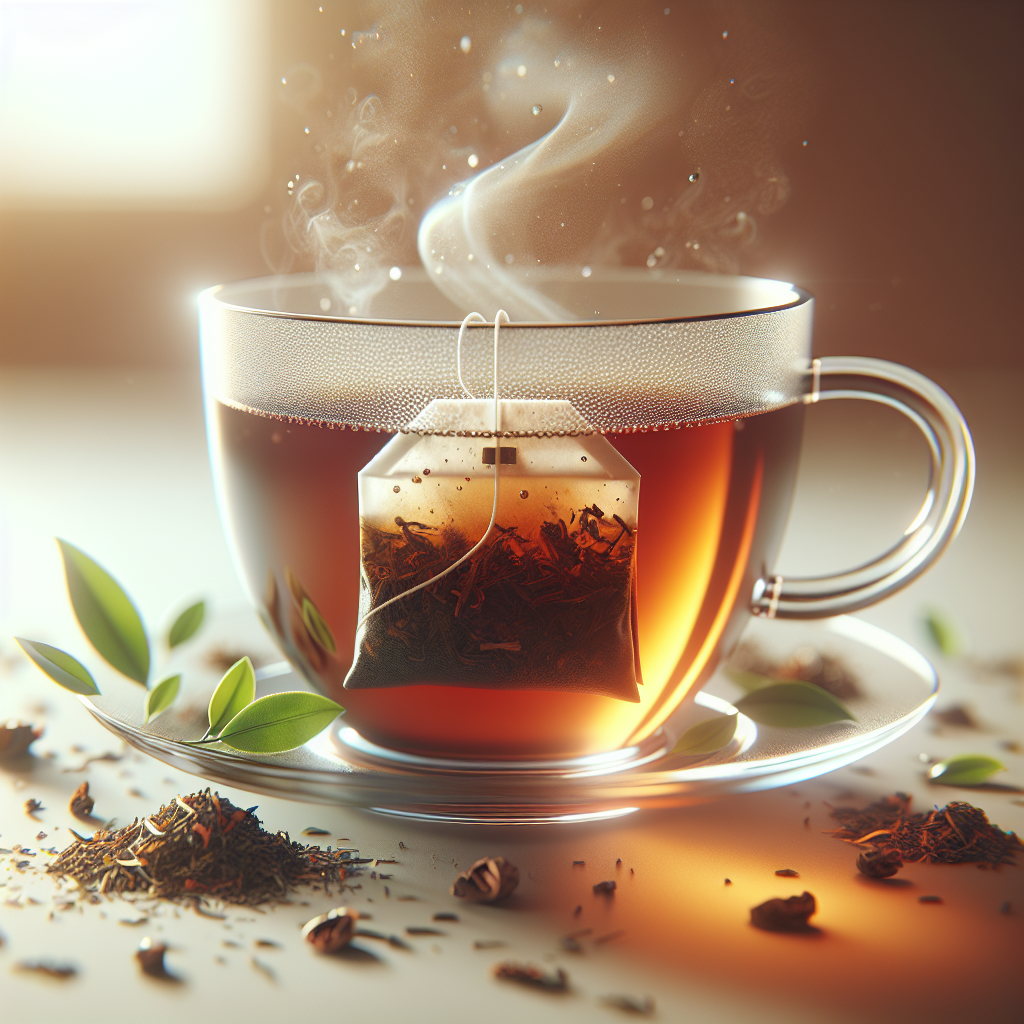
To brew: place lavender buds in a teapot or infuser, pour over hot water, and steep for 5–7 minutes. Strain before drinking. Adjust strength to taste. Over-steeping can lead to a bitter undertone, so shorter brewing time often yields a smoother cup.
Creative Ways to Enjoy Lavender Tea
Beyond traditional tea service, lavender tea can be incorporated into recipes such as lattes, iced teas, or even pastries. Try mixing it with Earl Grey for floral complexity or blending it with chamomile for extra relaxation. You might also brew lavender tea, chill it, and add slices of lemon or cucumber for a refreshing summer drink. In desserts, its floral essence adds elegance to cookies and custards.
Scientific Insights Behind Lavender Tea
The relaxing reputation of lavender tea has roots in aromatic chemistry. Essential oil components such as linalool have been shown to interact with neurotransmitters like GABA, which promotes calm. Aromatic compounds in lavender influence the limbic system, the brain’s emotional center. This dual sensory and biochemical action explains why many individuals feel comforted after drinking lavender tea and inhaling its fragrance simultaneously.
Lavender Tea in Modern Research
Modern research continues to evaluate the benefits of lavender tea through human trials. In a study published by the National Library of Medicine, participants who drank lavender infusions reported improved sleep quality and lower stress levels. Another observational study suggested that lavender-based beverages may alleviate mild anxiety symptoms. Although more clinical data are needed, early results align closely with centuries of anecdotal evidence.
Safety and Possible Side Effects
Lavender tea is generally safe when consumed moderately. However, overuse may lead to mild nausea or headaches in sensitive individuals. Pregnant or breastfeeding individuals should consult healthcare professionals before adding lavender tea to their diet. Anyone with known lavender allergies should also exercise caution. As a gentle rule, one to two cups daily is widely considered safe for most adults.
Lavender Tea in Daily Life and Culture
Lavender tea exists not only as a beverage but also as a cultural symbol of relaxation. Its floral fragrance often evokes images of peaceful fields, and its gentle hue aligns with the color of tranquility.
Traditional and Modern Uses Worldwide
In France, lavender tea often accompanies pastry breaks or meditative moments during the afternoon. In Japan, some wellness spas serve lavender infusions as part of aromatherapy sessions. Meanwhile, in the United States, lavender tea has gained momentum in wellness cafés, often paired with mindfulness workshops or gentle yoga sessions. This universality demonstrates how lavender tea transcends trends and continues to embody self-care across generations.
Lavender Tea Rituals and Mindfulness Practices
Some enthusiasts transform their daily lavender tea session into a ritual. They light a candle, prepare their space quietly, and inhale the aroma before sipping. Practicing gratitude or deep breathing while drinking lavender tea enhances its calming effects. Integrating this ritual into mornings or evenings can heighten focus, serenity, and appreciation for slow living.
Pairing Lavender Tea with Food
Lavender tea pairs beautifully with certain flavors due to its aromatic profile. Complement it with light pastries, citrus desserts, or mild cheeses to balance the floral notes. Pairing it with dark chocolate adds sophisticated contrast. In savory dishes, lavender tea-infused broths or sauces can introduce delicate layers without overwhelming the dish.
Storage Tips and Shelf Life
Proper storage ensures lavender tea maintains its aroma and potency over time. Store dried buds in airtight containers, away from light and moisture. Ideally, use within one year for maximum freshness. Avoid mixing with other strong-smelling herbs to prevent flavor absorption. For homemade blends, labeling jars with harvest dates helps track freshness.
Lavender Tea and Sustainable Cultivation
Responsible sourcing matters. Many small farms cultivate lavender organically, promoting biodiversity and soil health. Choosing fair-trade and eco-friendly lavender tea supports local farmers and minimizes environmental impact. By purchasing from trusted providers, consumers contribute to sustainable farming practices and ensure that the calming experience of lavender tea remains accessible for future generations.
Learning More About Ethical Tea Choices
For those wanting to deepen their knowledge about sustainable tea practices, consider exploring resources like the Tea Association of the USA or the Tea Culture of the World, which both emphasize ethical sourcing and cultural preservation. To broaden your perspective on other tea varieties, visit Tea Cultivation Insights and explore sustainable growing techniques, or visit Tea Ceremonies Traditions for insights into cultural rituals around tea drinking.
Conclusion: Embracing the Tranquility of Lavender Tea
Lavender tea represents more than a drink—it’s a moment of mindful connection. From its ancient European roots to modern wellness culture, its calming nature continues to appeal to all who seek peace in their daily routines. Whether enjoyed on its own, mixed into culinary creations, or brewed as part of a nighttime ritual, lavender tea carries the essence of relaxation and renewal. Treat each cup as a small act of self-care, letting the aroma guide you toward inner balance. As you explore various preparations, you’ll discover that lavender tea is not only gentle but profoundly grounding in today’s fast-paced world.
Frequently Asked Questions
What is lavender tea made from?
Lavender tea is made from the dried flowers of the lavender plant, typically English lavender. The carefully dried buds are steeped in hot water, releasing aromatic oils that yield a soft, floral flavor. Some versions include additional herbs like chamomile or lemon balm. Choosing culinary-grade lavender ensures a balanced taste free of bitterness or chemical residues. Authentic lavender tea highlights the purity of the herb’s essential compounds, allowing a gentle and natural infusion suitable for relaxation, especially before bedtime or after stressful days.
Is it safe to drink lavender tea every day?
For most people, drinking lavender tea daily is safe in moderate quantities. The key is balance; one or two cups a day can promote relaxation without adverse effects. However, individuals who are pregnant, breastfeeding, or have specific health conditions should seek medical advice first. The essential oils in lavender tea are potent, so consistent moderation preserves both taste and well-being. Overuse may cause nausea or mild upset. As with all herbs, consistency and quality sourcing make a big difference in outcomes.
Does lavender tea help with anxiety and stress?
Yes, lavender tea is widely recognized for supporting the body’s natural stress-reduction mechanisms. The linalool compound in lavender helps lower cortisol levels, which may relieve mental tension. Drinking lavender tea mindfully can reduce feelings of restlessness or unease. Scientific studies have observed reduced anxiety scores among participants who regularly consumed or inhaled lavender. Combining the tea with deep breathing or mindfulness practices amplifies its relaxing potential. Still, it should complement, not replace, professional support for chronic anxiety.
Can lavender tea improve sleep quality?
Many people find lavender tea beneficial for promoting better sleep, particularly when consumed before bedtime. The natural sedative properties of lavender help slow heart rate and relax muscles. Studies have shown that routine consumption of lavender tea aids in achieving peaceful sleep cycles. Additionally, creating a nightly ritual around preparing lavender tea can cue the body for rest. While it may not treat severe insomnia, it offers a non-addictive, gentle approach to winding down and establishing healthy sleep habits.
How does lavender tea compare to other herbal teas?
Lavender tea stands apart because of its aromatic and emotional resonance. While chamomile is soothing and mint is invigorating, lavender blends both calming and refreshing qualities. Its unique volatile compounds provide holistic relaxation without heaviness. In flavor comparison, lavender tea is more floral, pairing beautifully with citrus or vanilla. Many tea enthusiasts alternate it with rosehip or rooibos to create layered blends. Each herbal infusion offers unique benefits, but lavender tea remains unmatched for cultivating calm and sensory pleasure.
What are the best ways to serve lavender tea?
Lavender tea can be served hot or cold, depending on personal taste and season. For a calming evening beverage, serve hot with honey and a slice of lemon. In warmer months, brew lavender tea double strength, chill it, and mix with sparkling water for a floral spritzer. Some people top it with frothed milk for a lavender tea latte. Despite its floral delicacy, this versatile infusion adapts well to both sweet and savory dishes, showing its wide appeal in modern kitchens.
Where can I find quality lavender tea?
Look for lavender tea from organic farms or trusted specialty tea shops. Quality indicators include vibrant color, fragrant aroma, and buds free from dust or discoloration. Always confirm that the label specifies “culinary grade” lavender to ensure safe consumption. Reputable online vendors and natural grocers often carry certified organic lavender tea varieties. Supporting ethical producers safeguards authenticity and sustainability. Reading reviews and checking for transparent sourcing information helps you choose brands that prioritize environmental and consumer health.
Can lavender tea be blended with other teas?
Absolutely. Lavender tea is a beautiful companion for other herbal and traditional teas. Combine it with chamomile for deeper relaxation, or mix it with black tea for an aromatic twist on Earl Grey. Its floral properties complement green teas nicely, adding complexity to grassy tones. Experimenting with ratios is key; lavender tea should enhance rather than overwhelm. Seasonal variations, such as adding vanilla or rosemary, maintain variety while retaining its signature calm. Blending allows creative expression while amplifying lavender tea’s soothing charm.

Leave a Reply