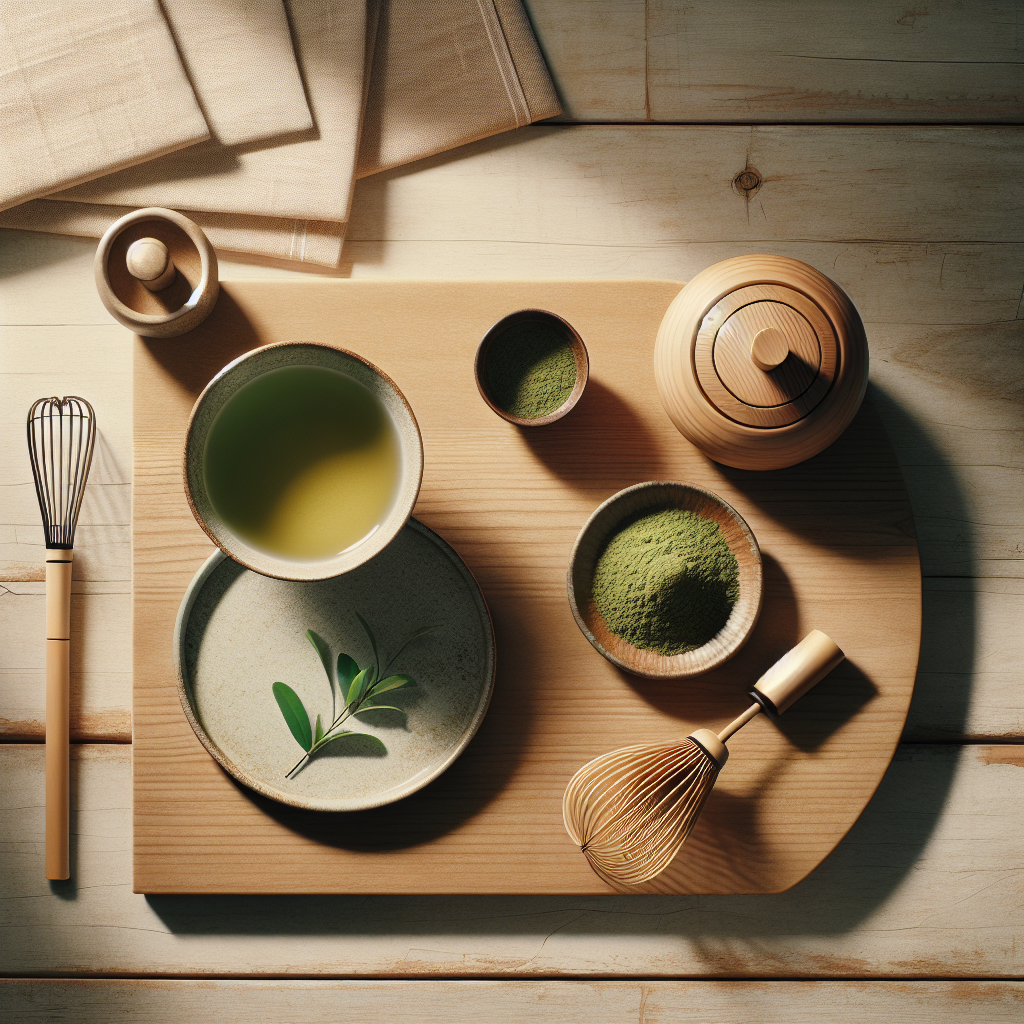
Among modern wellness trends, green tea powder has secured a special place for its natural charm and proven health impacts. This finely milled form of tea leaves delivers concentration, flavor, and nourishment that stand apart from regular steeped tea. Used for centuries in traditional Japanese tea ceremonies and now embraced globally by nutritionists, this powder offers an elegant fusion of culture and science. Whether you mix it into a morning latte, add it to smoothies, or incorporate it into desserts, green tea powder brings both taste and tangible benefits for body and mind.
People seeking ways to boost metabolism, support mental focus, or reduce oxidative stress often start with green tea powder. It’s admired for its high antioxidant levels, gentle caffeine, and a unique balance of amino acids. Curious about the facts behind the hype? In this article, we’ll take a careful and realistic look at its nutritional properties, evidence-based benefits, and smart usage tips. Each aspect is discussed with clarity and examples that help you apply these insights in everyday life.
Understanding Green Tea Powder
Before diving into its benefits, it’s helpful to understand what green tea powder really is. Unlike regular green tea where leaves are steeped then discarded, the powder form involves consuming the entire leaf in ground form. This means you receive every nutrient contained within the plant, not just what hot water extracts.
What Makes It Different?
Traditional tea is an infusion, while green tea powder is a suspension. It dissolves partially in water or milk, creating a richer consistency. One teaspoon equals the nutritional value of several cups of brewed tea. The color is vibrant emerald, the texture fine like flour, and the flavor combines sweetness and vegetal notes.
How It’s Made
The production process is meticulous. Select Camellia sinensis leaves are shade-grown to elevate chlorophyll and amino acids. After harvesting, leaves are steamed, dried, and ground by stone mills into ultra-fine powder. Authentic versions, such as Japanese matcha, demand patience and precision—over one hour to produce 30 grams. Images showing this transformation ( ) illustrate the craftsmanship behind each serving.
Nutrition and Compounds in Green Tea Powder
It’s not just a charming beverage; the nutrition profile of green tea powder explains its reputation for supporting wellness. Each gram is dense with bioactive compounds responsible for numerous physiological effects.
Key Nutrients
- Antioxidants: The powdered form is high in catechins, mainly epigallocatechin gallate (EGCG), known for combating oxidative stress.
- L-theanine: This amino acid promotes relaxed alertness, softening caffeine’s stimulation.
- Vitamins and minerals: Vitamins A, C, and E, alongside magnesium and zinc, enhance immune and cellular health.
- Chlorophyll: Adds detoxifying potential and the striking color.
Scientific Perspective
Studies published in nutritional journals show that consistent consumption of green tea powder may lower oxidative damage biomarkers. Researchers at the National Center for Complementary and Integrative Health have noted its potential in metabolic and cardiovascular regulation. However, while science supports many virtues, moderation remains key. Concentrated ingredients can amplify both benefits and side effects if overused.
How Much To Use
Typically, 1–2 grams daily—about half a teaspoon—is enough. Higher amounts may increase caffeine intake and bitterness. For culinary purposes, adjust depending on recipes. For example, a tea recipe for smoothies may require just one gram, while a ceremonial drink may take two.
Health Benefits of Green Tea Powder
The reasons people love green tea powder go beyond taste. Let’s explore the major evidence-backed advantages it provides across different systems of the body.
Supports Brain Function
Caffeine and L-theanine form a thoughtful duo. Caffeine boosts alertness and reaction speed, while L-theanine promotes calm focus. Together they may improve working memory and creative thinking. Students and professionals who replace coffee with green tea powder often mention smoother concentration without jitters.
Enhances Metabolism and Fat Oxidation
Clinical trials indicate that catechins help increase calorie burn by gently stimulating thermogenesis. For example, an experiment involving athletes showed increased fat oxidation after ten days of supplementation with green tea powder. While no powder is a miracle weight-loss tool, coupling it with exercise and nutrition balance can amplify results.
Detoxifies and Balances the Body
Its natural chlorophyll content assists in eliminating toxins, while antioxidants support liver function. Regular drinkers find that green tea powder provides a clean energy boost, distinct from sugary beverages.
Cardiovascular Support
By modulating cholesterol and improving endothelial function, green tea catechins have a protective role in heart health. Incorporating green tea powder in daily routines aligns with a heart-friendly diet that emphasizes plant-based foods.
Example of a Balanced Practice
A breakfast smoothie combining banana, spinach, flaxseeds, and half a teaspoon of green tea powder offers fiber and polyphenols together. This easy ritual sets a tone for sustained energy across the day.
Practical Uses and Preparation Tips
The versatility of green tea powder makes it a favorite in culinary art and self-care routines. Its flavor complements both sweet and savory ingredients, while preparation techniques highlight creativity.
Making a Traditional Cup
For a classic whisked drink, sift one teaspoon into a bowl, add a few tablespoons of hot water (around 80°C or 176°F), and whisk rapidly in an “M” motion until frothy. Sip immediately to enjoy its creamy texture. Pair with a small pastry if desired.
Smoothies and Lattes
Add one gram of powder to a blender with milk alternatives or fruit bases. This method preserves nutrients, providing variety beyond plain tea. Baristas often highlight how green tea powder yields a natural green hue that customers find photogenic and energizing.
Culinary Creations
- Add to baking for matcha cookies or cakes.
- Sprinkle over yogurt or oatmeal.
- Mix into salt for a unique seasoning profile.
Storage and Quality Checks
As exposure to light and air can degrade antioxidants, store green tea powder in airtight tins within a cool environment. High-end powders have bright color, fresh aroma, and fine texture. When buying, check for origin labeling—Uji or Nishio regions in Japan are renowned producers. You can explore the tea history section on reputable blogs to understand the regions further.
Potential Side Effects and Precautions
Even though green tea powder is packed with nutrients, understanding its limits ensures a positive experience for health-conscious drinkers.
Caffeine Sensitivity
Each serving contains about 70 mg of caffeine per gram, roughly two-thirds of a cup of coffee. Overconsumption may cause restlessness or faster heart rate in some individuals. Switching to smaller servings or choosing lower-caffeine blends can reduce sensitivity concerns.
Interactions With Medications
Catechins might interfere with iron absorption or interact with certain medications, such as blood thinners. Consult a healthcare professional before daily use if you are on regular prescriptions. While the risks are low, informed caution reflects respect for both body and beverage.
Pregnancy Concerns
Moderation is recommended, as excessive caffeine intake can affect hydration and sleep. Expecting mothers may enjoy green tea powder up to one small serving per day after medical guidance.
Environmental and Ethical Aspects
What makes green tea powder special extends to how it’s cultivated. Sustainability in production contributes to ecosystem preservation and fair compensation for growers.
Eco-Friendly Cultivation
Shade-grown farming uses less water and maintains soil health. Many producers now shift toward organic certification. Consumers looking to make eco-conscious purchases can check for such labels. By supporting these products, each cup of green tea powder becomes a small step toward greener living.
Supporting Local Farmers
Smaller cooperatives in Japan and China often employ hereditary artisanship passed across generations. Choosing to buy directly or through transparent brands helps sustain this craft. Ethical sourcing not only benefits the environment but also enriches culture and taste for consumers worldwide.
Global Influence
From Paris cafés to Los Angeles fitness studios, the popularity of green tea powder shows how a humble tradition can become an international wellness trend. It’s a living reminder that mindful consumption bridges cultures.
How to Identify Genuine Green Tea Powder
Because of its rising demand, authenticity matters greatly for buyers. Knowing how to distinguish high-quality varieties ensures true flavor and nutrition.
Color and Scent
Quality green tea powder should appear bright jade, never dull. The aroma is naturally grassy and sweet, not musty or bitter. If a product smells flat or grayish, it likely has lost freshness during storage or processing.
Texture and Solubility
Authentic powder feels weightless and velvety. When whisked, it should form microfoam easily. Lower grades tend to clump and produce rough sediment.
Buying Tips Online
Check for third-party testing certificates or organic seals when shopping online. Choose vendors that mention harvest timings and grinding techniques prominently. For more about green tea authenticity standards, visit the educational resource at Tea Association of the USA.
Green Tea Powder in Modern Lifestyles
Incorporating green tea powder in daily life extends beyond drinking. From beauty regimens to relaxation rituals, its versatility blends wellness with creativity.
Beauty and Skincare Applications
Face masks containing green tea powder can calm skin irritation due to—yet again—high antioxidants and chlorophyll. A quick homemade mask combining yogurt, honey, and the powder brightens dull tones after one use. Some cosmetic brands use it for its natural color and anti-inflammatory character.
Mindful Practices
The slow ritual of whisking and sipping helps foster mindfulness. Implementing such moments, especially mid-afternoon, can reduce stress. Many practitioners find that drinking green tea powder with intention connects them with centuries of meditative ceremony.
A Symbol of Balance
Each serving represents harmony—between natural energy and calm focus. This delicate interplay is why so many choose green tea powder for both productivity and serenity.
Conclusion
The world of green tea powder intertwines heritage, nutrition, and wellness remarkably well. Whether consumed for flavor, mindfulness, or metabolic support, it continues to stand as a bridge between ancient simplicity and modern need. By choosing authentic sources, storing it carefully, and consuming in moderation, anyone can experience its full essence—a vibrant, grounded energy that reflects both nature’s wisdom and human craft.
Frequently Asked Questions
What exactly is green tea powder?
It is the whole green tea leaf ground into fine particles, allowing consumers to ingest the entire plant instead of discarding steeped leaves. This form maximizes nutrient intake, yielding higher antioxidant and caffeine levels per gram than brewed tea. Green tea powder differs from instant teas because it’s purely natural, without additives. Its texture may feel creamy once whisked, offering both taste and nourishment in a single sip. Consuming it regularly can supplement other antioxidants already present in a balanced diet and amplify overall wellness if paired with mindful habits.
How is green tea powder different from matcha?
All matcha is green tea powder, but not all powder is true matcha. Authentic matcha refers to shade-grown tea from Japan using traditional methods, while other powders may come from various regions or processes. The distinction lies in cultivation, grinding fineness, and flavor depth. When buying, identifying the origin ensures quality. Yet nutritionally, both offer antioxidants and amino acids. Integrating either powder into your morning routine provides identical metabolic and cognitive benefits supported by research and global tea culture appreciation.
What are the main health benefits of green tea powder?
Scientific research links green tea powder to enhanced metabolism, improved focus, and natural antioxidant defense. It may aid in balancing cholesterol and supporting immune response, largely due to EGCG content. L-theanine provides calm alertness beneficial for studying or working, and chlorophyll promotes detoxification. Users report improved stamina and reduced post-exercise fatigue. However, as with all concentrated supplements, the effects grow gradually through consistent use rather than instant miracles. Pair it with healthy meals and sufficient hydration for best long-term results.
Can I cook and bake with green tea powder?
Absolutely. Culinary experiments thrive on its versatility. You can incorporate green tea powder into desserts, pancakes, sauces, or savory pairings like rice seasoning. It imparts not only striking green pigment but also mild umami. In baking, replace a small portion of flour with the powder to achieve both color and flavor enhancement. Professional chefs often add it to macarons or mousse for elegance. Just remember that heating excessively can degrade some antioxidants, so moderate temperatures yield the perfect balance of taste and nutrition.
How should green tea powder be stored for freshness?
Proper storage can maintain flavor and potency for several months. Seal green tea powder tightly in opaque containers away from light, moisture, and strong odors. Refrigerator storage is suitable if humidity is controlled. After opening, consume within eight weeks to enjoy peak aroma and nutrients. Freshness tests include observing bright green color and a smooth, grassy fragrance. Avoid tin containers that allow sunlight exposure or plastic bags that trap moisture. Following these simple steps saves your investment and amplifies your experience each morning.
Is green tea powder safe for everyone?
Generally safe in moderate doses, yet certain groups should exercise caution. The caffeine and tannin may upset sensitive stomachs or interact with iron absorption. Pregnant or breastfeeding individuals, those with heart arrhythmia, or who take anticoagulants should seek medical advice prior to daily intake. Still, small servings of green tea powder seldom cause adverse effects. Listening to your body remains the finest guide—consider starting with half a teaspoon. Sustainable moderation ensures that the pleasure of its earthy bitterness remains linked with good health and calm focus.
Where can I buy high-quality green tea powder online?
Authentic products are available through specialty tea stores or trusted online marketplaces emphasizing transparent sourcing. Look for cultural regions known for excellence: Uji, Kagoshima, or Shizuoka. Review certifications that verify organic and radiation-free processing. When comparing prices, remember high-grade green tea powder is often more vibrant and aromatic than cheaper imitations. Reading supplier details and consumer reviews provides further confidence. Buying from reputable brands safeguards the flavor, potency, and ethical standards embedded in this timeless powder’s heritage and ensures consistent satisfaction with each preparation ritual.



Leave a Reply