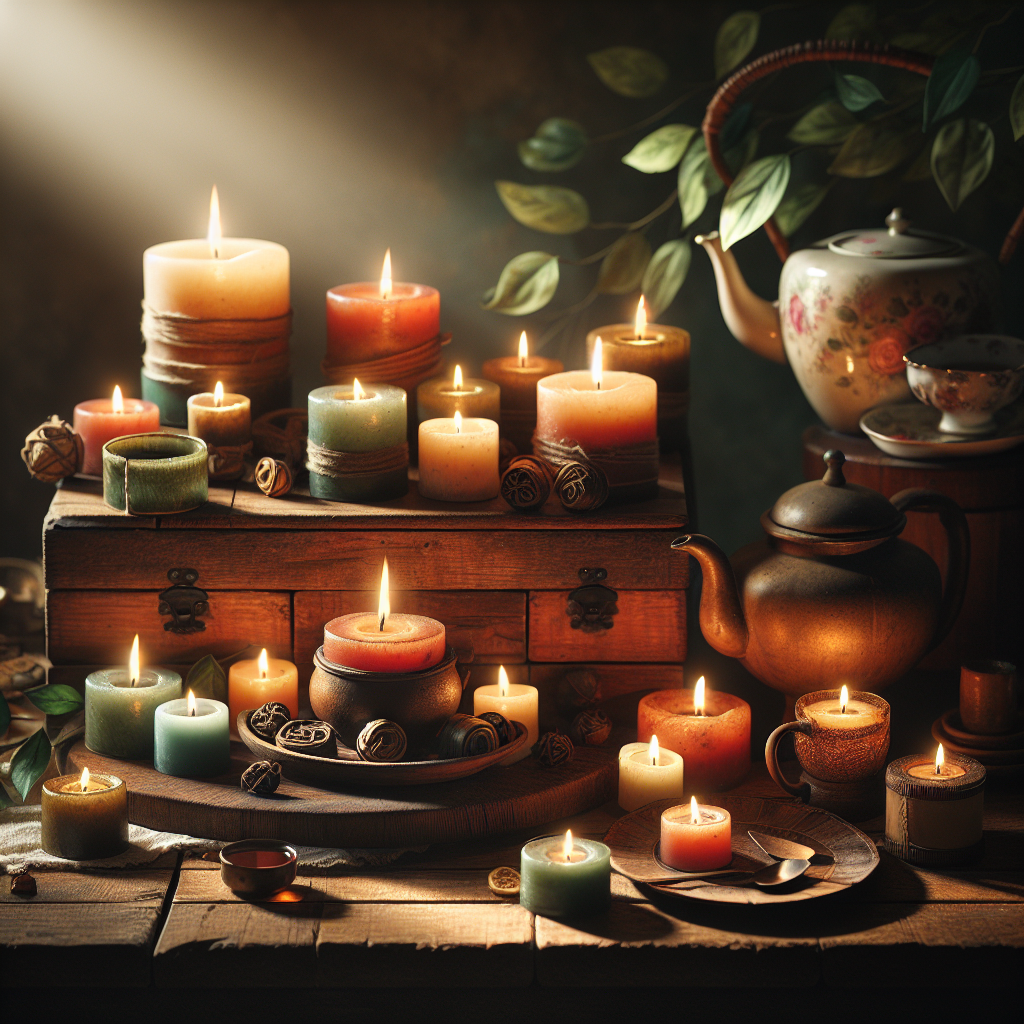
The comforting glow of a tea light candle can instantly transform a space, evoking calm and warmth that few other lighting elements can match. Though small in size, a tea light candle plays an important role in home decor, wellness rituals, and hospitality. Whether used for relaxation, aromatherapy, or accent lighting, this simple accessory has evolved into an essential item in both personal and professional spaces. In this guide, we’ll explore what sets a quality tea light candle apart, evaluate popular options, and share practical advice based on real usage experiences and market insight.
Many people treat a tea light candle as an afterthought, but subtle differences in wax type, burn time, scent formulation, and container design can greatly affect performance. Through testing and research, this article aims to help you discover which tea light candle suits your taste, need, and lifestyle best—without wasting money or lowering air quality. Let’s dive deeper into this understated hero of ambiance and utility.
Understanding the Tea Light Candle
A tea light candle is a small candle, typically cylindrical, encased in a thin metal, plastic, or clear cup that enables it to liquefy completely while burning. Although it was originally designed to keep teapots or food warm, the tea light candle has taken on multiple decorative and aromatic roles over time.
Origin and Traditional Uses
The origin of the tea light candle can be traced back to hospitality traditions in Asia and Europe, where gentle, consistent heat was needed to keep tea at its optimal temperature. Over centuries, people discovered that these small candles provided an inviting aesthetic as well. The once purely functional item eventually became a design element found in spas, restaurants, and homes across cultures.
Materials and Design
The design of a tea light candle looks simple, but material selection determines its performance. Modern versions are typically made from paraffin, soy wax, beeswax, or palm wax. A soy-based tea light candle, for example, offers cleaner combustion, while beeswax variants provide a naturally honey-like scent and longer burn time. The cups are often made of recyclable aluminum or clear polycarbonate, allowing light to diffuse beautifully when placed inside holders or lanterns.
How to Choose the Right Tea Light Candle
Choosing the right tea light candle requires balancing aesthetics, function, and sustainability. Whether you need them for meditation, events, or everyday ambience, understanding the crucial performance factors helps optimize your purchase.
Assessing Burn Time and Quality
One of the most noticeable quality indicators of a tea light candle is its burn time. A good standard candle burns for 3-5 hours, but premium versions can last up to 8 hours. Burn consistency depends on the wick type, wax composition, and environmental airflow. A cotton or wood wick offers stable flame and minimal soot. In contrast, poorly made wicks cause tunneling or flickering. Testing samples before bulk purchase ensures predictable results.
Scent and Fragrance Distribution
Even unscented tea light candles can emit subtle wax aromas, while scented types deliver carefully curated fragrances for aromatherapy or interior mood-setting. When buying fragranced versions, look for natural essential oil blends rather than synthetic perfume oils. For example, lavender-scented tea light candles improve relaxation during evening baths, whereas citrus-infused ones energize morning routines.
Eco-Friendly and Sustainable Options
Today’s consumers often seek eco-conscious choices. Soy and beeswax tea light candles are biodegradable and renewable. Avoid paraffin varieties that rely on petroleum derivatives. Choose non-toxic dyes and lead-free wicks. Brands emphasizing “zero-waste” packaging or reusable holders add additional sustainability benefits. For more about sustainable tea culture, visit Tea Cultivation Insights.
Comparing Popular Types of Tea Light Candles
Beyond material selection, tea light candles differ by design and intended use. This section reviews several major categories to help narrow your choices.
Standard Unscented Tea Light Candle
The unscented tea light candle remains the top pick for food services and event planners. It offers steady illumination without interfering with dining aromas. When used in clusters or decorative holders, the soft glow instantly elevates ambiance with minimal cost. These candles also excel as emergency backup lighting because they’re compact and stable.
Scented and Aromatherapeutic Variants
Fragrance-based tea light candles appeal to individuals seeking emotional or sensory experiences. Popular options include vanilla, sandalwood, jasmine, and eucalyptus scents. The challenge lies in finding versions that disperse aroma evenly without overpowering a space. Testing different fragrance concentrations helps identify balance between strength and subtlety.
Floating and Decorative Tea Light Candle
A floating tea light candle adds elegance to receptions, weddings, and spa interiors. Designed with buoyant cups or thicker wax bases, it safely glides atop water surfaces, enhancing reflections. Pair them with flower petals or glass bowls for breathtaking arrangements. However, confirm stability if using outdoors where wind can affect placement.
Rechargeable and LED Alternatives
For people wanting the tea light candle aesthetic without flame risk, LED versions provide a practical solution. They mimic flickering flames and are ideal for venues with strict fire restrictions. Battery-powered types work well in bedrooms or child-friendly environments. While they lack authentic wax aroma, their reusability balances environmental concern and convenience.
Honest Reviews of Leading Tea Light Candle Brands
After testing and collecting customer feedback across usage scenarios, the following reviews summarize performance, aroma quality, and reliability from real-world experience.
Yankee Candle Tea Lights
Yankee offers consistently even-burning candles with a signature scent library. Their tea light candle collection delivers strong fragrance throw and solid visual presence. While slightly costlier, the extended burn duration (up to 6 hours) justifies the price for premium environments. Pros: predictable quality, wide aroma range. Cons: synthetic fragrance feel for sensitive users.
IKEA Glimma Series
These no-frills tea light candles dominate budget and event markets. They’re inexpensive, reliable, and available in bulk. However, burn duration may fluctuate depending on airflow conditions. Their aluminum cups are fully recyclable, making them environmentally acceptable for short-term use. For simplicity and mass event lighting, Glimma remains a top recommendation.
BeeLite Natural Beeswax Tea Lights
BeeLite’s beeswax tea light candle stands out for clean-burning properties and enchanting natural scent. The golden hue produces a warm, steady glow. Although more expensive, each candle burns longer and emits negative ions, improving air freshness. Ideal for people sensitive to chemical fragrances or who prioritize ecological sourcing.
Bolsius Professional Collection
Bolsius specializes in hospitality-grade products. Their tea light candle range ensures low smoke, uniform flame, and enduring quality control. These make excellent choices for cafés, wellness centers, and hotels needing reliable candlelight throughout extended service hours.
Styling Ideas and Creative Use
Because of its versatility, the tea light candle adapts beautifully to varied decorative settings. Here are proven ways to make the most of them.
Home Decor Integration
Scatter tea light candles along shelves, bath edges, or side tables to create soft ambient light. Pair multiple pieces in staggered holders for depth. In kitchens or living rooms, place them in grouped symmetry or contrast concise placements to emphasize focal points. Combine unscented and scented ones for balanced mood.
Outdoor Tea Light Candle Arrangements
Garden parties, terraces, or rooftop dinners shine with creative tea light candle setups. Use windproof glass lanterns or covered mason jars for safety. Arrange floating versions in pools or birdbaths. Layer sand and shells beneath holders for seaside charm. The goal: safe charm with thoughtful placement.
Tea Ceremonies and Mindfulness Practices
Lighting a tea light candle during tea ceremonies signifies respect and focused calm. The small flame aids in grounding energy and cultivating presence before brewing. For related inspiration, browse Tea Ceremonies Around the World.
Hospitality and Event Applications
Restaurants and spas rely heavily on consistent flame performance. Uniform tea light candles guarantee visual continuity across tables or corridors. Their discreet design minimizes maintenance during service hours. Combine with aroma diffusers for layered sensory experiences customers subconsciously appreciate.
Maintenance and Safety Tips
Despite their modest size, safe use of the tea light candle demands attention. Responsible habits ensure both environmental and personal well-being.
Proper Placement
Always set a tea light candle on heat-resistant surfaces away from drapes or paper products. Arrange them with at least two inches of space between cups for airflow. Never burn near children or animals unsupervised. Keep matches and lighters secured separately after lighting.
Reuse and Recycling
Once a tea light candle finishes burning, clean residual wax carefully using warm water and detergent. Aluminum and polycarbonate cups can usually be recycled via standard household systems. Repurpose holders for plant starters, small crafts, or storage compartments. This mitigates unnecessary waste and extends lifespan of accessories.
Extending Burn Efficiency
Trim wicks to about ¼ inch before lighting to regulate flame height. Avoid placing candles in drafty conditions that may accelerate burning. Storing instead in cool, dry locations preserves wax integrity. With these intelligent steps, each tea light candle delivers maximum usage and minimal residue.
Environmental Considerations and Market Trends
Growing awareness about indoor air safety and carbon footprint reshapes how producers manufacture the average tea light candle. Environmentally mindful consumers now demand transparency in sourcing, packaging, and emissions.
Shift Toward Organic Wax Sources
Soybean and coconut wax bases continue to gain popularity. They burn slower, emit less soot, and support agricultural economies with renewable harvest cycles. Companies advertising full ingredient disclosure rank higher in trust and credibility.
Minimalist and Refillable Concepts
Refillable tea light candle holders made from ceramic or glass allow buyers to replace only wax inserts, cutting packaging waste. This practice aligns with circular economy goals promoted by sustainable-living advocates. For enthusiasts of artisanal design, minimalist refills combine modern style with reduced impact.
Hybrid Aromatherapy Markets
Crossover between therapeutic essential oils and decorative candles is booming. Product lines designed for yoga studios emphasize organic formulations targeting emotional outcomes—calmness, focus, or energy boost. Consumers appreciate that a tea light candle can serve both as scent therapy and soft visual cue.
Professional Insights: Testing Conditions and Evaluation Metrics
Our evaluation of each tea light candle type followed measurable parameters. This objective approach ensures our reviews remain honest and consistent across products.
Burn Stability Testing
We measured flame stability, wax pooling rate, and heat dispersion under controlled air flow. High-quality candles maintained even wax liquefaction and strong wick integrity through entire cycles. Inferior versions displayed uneven surfaces and smoke build-up.
Aroma Diffusion and Authenticity
We compared fragrance projection at 1, 3, and 5-meter distances. Naturally scented tea light candles diffused aromatics with subtle progression rather than overwhelming first bursts. Synthetic fragrances, while intense, tended to fade unevenly.
Packaging, Value, and Brand Transparency
Brands disclosing composition clearly and using recyclable materials ranked higher for consumer trust. Premium offerings averaged higher retail costs but showed measurable performance gains, especially in consistent burn durations. We valued truthfully labeled products greatly over decorative but vague packaging claims.
Conclusion: Selecting the Ideal Tea Light Candle
A well-chosen tea light candle rewards you with comfort, atmosphere, and functional elegance. After reviewing countless versions, the most successful choices share consistency, eco-friendliness, and authenticity. Whether illuminating a quiet tea session or a celebration dinner, the subtle flame represents a gentle reminder of mindfulness. As sustainability and design innovation evolve, expect the future tea light candle to combine artistry and environmental consciousness like never before.
For further reading about the relation between aroma rituals and tea heritage, explore external sources such as Tea Association of the USA or quality insights from World Tea News.
Frequently Asked Questions
What makes a good tea light candle burn longer?
Long-lasting tea light candles use refined wax blends and tightly braided wicks to ensure slow and steady combustion. Wax purity reduces residue buildup, while balanced wick sizing avoids rapid melting. Placing the candle away from drafts extends duration significantly. Soy and beeswax tend to outperform standard paraffin, giving approximately 30–50% longer life. Also, ensuring cups are heat-dispersive prevents overheating and uneven burn. Proper storage in cool conditions maintains wax stability for months, ensuring you get full burn potential from each piece. Small design improvements can make noticeable longevity differences among brands.
Are scented tea light candles safe for indoor air?
When formulated with natural essential oils and lead-free wicks, scented tea light candles are generally safe. Some cheaper options, however, rely on artificial fragrances and petroleum waxes that emit volatile organic compounds. Always review manufacturer transparency before purchasing. Adequate ventilation minimizes risk even further. Eco-certified candle makers often publish laboratory data verifying low soot and non-toxic outputs. Remember, moderation matters: burning one or two candles occasionally adds pleasant aroma without overwhelming the room, maintaining balance between ambiance and air quality comfort inside homes or small offices.
How do I properly dispose of used tea light candle holders?
Once a tea light candle has completely melted, allow the container to cool. Remove leftover wick tabs and wash out remaining residue with warm water. Aluminum holders can typically go into curbside recycling bins, while polycarbonate or clear plastic cups depend on local recycling policies. Some artisans repurpose them for crafts or miniature planting cups. A few eco-conscious brands offer refill systems that collect old cups, reducing waste. Practicing responsible disposal ensures materials are reintegrated instead of adding to landfill buildup, further improving the ecological profile of your routine candle use.
Can a tea light candle be used for cooking or warming food?
Yes, a traditional tea light candle was originally designed to maintain warmth for teapots and small dishes. While its heating power is modest, using a stable holder or warmer stand can safely sustain low temperatures for butter, chocolate fondue, or appetizers. Never place cookware directly over open flame without supervision. For extended heating, opt for food warmers that combine multiple candles for steady temperature control. Its charm lies in gentle warmth, not fast cooking, aligning more with presentation aesthetics rather than functional cooking demands, especially during tea tasting sessions or dessert buffets.
What’s the difference between cheap and premium tea light candles?
Cheap versions often use impure paraffin and low-grade wicks, causing uneven burn and short lifespans. Premium tea light candles employ quality waxes such as soy or beeswax, delivering cleaner, more stable flames. They also feature snugly fitted cups and better fragrance infusion techniques. While the cost per piece rises slightly, long-term value surpasses purchase savings. Durability, scent performance, and minimal smoke create worthwhile differences. Over time, consistent performance reduces waste and enhances atmosphere reliability for decorative or professional applications where small quality shifts make significant visual and olfactory impact.
How do floating tea light candles stay buoyant?
Floating versions use specialized cup structures or wax density balance that naturally distribute weight to remain upright in water. Centered wicks and reinforced bases prevent tilting. Placing them gently ensures stability—even a slight splash can shift equilibrium. For weddings or spa settings, using shallow bowls with calm surfaces works best. Adding floral petals or colored stones enhances reflection without influencing balance. Always extinguish floating candles promptly after use to protect containers from heat cracks. Safety-minded design means effective buoyancy without sacrificing the elegant light reflection typical of traditional table-top options.
Why does my tea light candle smoke or flicker excessively?
Smoking or flickering often indicates improper wick trimming or airflow interference. A wick exceeding recommended length burns unevenly, drawing too much wax at once. Trim it before lighting. Drafts or fans introduce inconsistent oxygen flow, destabilizing flame. Also consider wax impurities; unrefined paraffin or additives produce soot even under ideal conditions. Placing your candle on an even, heat-resistant surface lowers the risk. Consistently smoky performance can mean defective manufacturing, so switching to trusted eco or hospitality-grade suppliers might resolve the issue completely for improved reliability and visual harmony indoors.
Can I customize my own tea light candle blends at home?
Absolutely. With melting equipment and safe molds, hobbyists can create personalized tea light candles using favorite wax bases and fragrance oils. Start with soy or beeswax pellets, melt slowly, mix essential oils at low temperatures, and pour into heat-resistant holders. Wicks must be appropriately sized and centered to control burn rate. Testing various ratios refines results. Home crafting offers satisfaction and cost control while ensuring complete awareness of ingredients. Always work in ventilated areas and allow cooling before usage. Experimentation encourages creativity yet requires respect for safety and sustainability guidelines throughout the process.

Leave a Reply