
Living a tea total lifestyle is far more than simply avoiding alcohol. It represents a conscious choice to embrace balance, health, and mindful living. In a world increasingly focused on wellness and natural habits, adopting a tea total mindset can become an enriching journey toward clarity, energy, and purpose. This approach doesn’t reject pleasure—it redefines it through intentional choices like replacing intoxicants with nourishing rituals such as tea drinking, breathwork, or restorative leisure. Over time, people who commit to being tea total often find greater connection to both their physical and emotional well-being.
Long before “clean living” became a modern trend, the tea total movement emerged as a commitment to sobriety, moderation, and health. Many individuals today use the concept not only to abstain from alcohol but also to cultivate habits that sustain vitality and self-respect. Tea plays an interesting dual role here: it’s both symbolic and practical. It acts as a calming replacement beverage and a ritual anchor that supports mindfulness. In this guide, we explore the meaning, benefits, and modern applications of a tea total outlook, offering practical advice, quick facts, and insights backed by tradition and science alike.
The Meaning and Origins of the Tea Total Lifestyle
The term “tea total” dates back to the nineteenth-century temperance movement in England. Advocates of this movement promoted total abstinence from alcohol. Over time, the phrase evolved into “teetotal,” referring to those who choose complete sobriety. However, the literal phrase “tea total” carries a charming sense of literalism—imagining someone who chooses tea as their total and ultimate drink of choice.
Historically, gatherings around tea were about more than just the beverage. They symbolized union, composure, and clarity. Today, being tea total doesn’t necessarily reflect strict moral reform; rather, it suggests conscious living, hydration, and social connection built on natural calmness rather than intoxication. The rise of non-alcoholic social venues—like tea houses and botanical bars—illustrates how deeply embedded this concept has become in wellness culture.
Evolution of Tea Total in Modern Contexts
In contemporary culture, tea total has become a versatile phrase. While some interpret it traditionally—avoiding alcohol completely—many others use it to describe a general shift toward sobriety and mindful consumption. People celebrate with sparkling teas instead of champagne, or hold tea-tasting events rather than cocktail parties. This subtle but growing preference symbolizes a generational shift toward authenticity and wellness.
Social media’s role cannot be ignored. Platforms like Instagram and TikTok have spurred the popularity of “dry lifestyle” trends, where being tea total is reframed as stylish rather than restrictive. Influencers highlight tea rituals as elegant alternatives to nightlife drinking, encouraging calm evenings, better sleep, and improved skin health.
Tea Total as a Wellness Statement
Being tea total represents a deliberate act of self-respect and body awareness. It acknowledges how substances, diet, and even daily decisions affect our mental clarity. For instance, individuals exploring yoga or meditation often find that alcohol disrupts balance, while tea enhances focus and mindfulness. Choosing to live this way not only impacts physical health but also fosters emotional resilience and creativity. Thus, the tea total lifestyle becomes a wellness statement—one that is elegant, sustainable, and deeply intentional.
Health Benefits of the Tea Total Approach
Whether you fully abstain from alcohol or simply choose to reduce consumption, the tea total mindset can dramatically improve your overall well-being. Here are some key health advantages linked with this conscious lifestyle:
- Improved Sleep Quality: Without alcohol disrupting REM cycles, you experience more restorative rest. Herbal teas like chamomile or valerian complement this by calming the nervous system.
- Liver Health: Abstaining from alcohol reduces the liver’s workload, while antioxidant-rich teas such as green and black tea may further support detoxification.
- Better Hydration: Tea contributes to total fluid intake, helping maintain healthy skin and organ function.
- Mental Clarity: A tea total routine eliminates brain fog often caused by alcohol, fostering sharper focus and consistency in productivity.
- Weight Control: Many alcoholic beverages contain “empty” calories. Tea, by contrast, offers virtually zero calories and can aid metabolism when consumed unsweetened.
Scientific Evidence Behind the Benefits
Research supports the claim that a tea total lifestyle fosters long-term health. Studies by medical journals such as The Lancet and the American Journal of Clinical Nutrition demonstrate that abstaining from alcohol improves cardiovascular stability, reduces cancer risk, and enhances mood balance. Additionally, polyphenols in tea contribute to reduced oxidative stress. Scientific support gives credibility to what wellness enthusiasts have long experienced—moderation and hydration lead to vitality and longevity.
Practical Tips for Sustaining a Tea Total Habit
Transitioning into a tea total lifestyle need not be rigid. Start small: replace evening wine with a soothing cup of rooibos or oolong. Explore herbal blends that emulate cocktail flavors—hibiscus for tartness or ginger for spice. Keep decorative teapots and fine cups readily available to build enjoyable rituals. Finally, track your improvements. Notice better mornings, relaxed digestion, and more balanced moods. Over time, this becomes self-reinforcing motivation.
How Tea Supports a Tea Total Lifestyle
Tea forms the emotional and physical foundation of the tea total experience. Every cup holds a promise of calm energy—a natural alternative to artificial stimulation or intoxication. Let’s explore this synergy in detail.
The Symbolic Power of Tea
Across cultures, tea is associated with serenity, introspection, and community. In Japan, tea ceremonies focus on humility and respect; in England, afternoon tea nurtures connection and grace. This symbolism aligns beautifully with the tea total philosophy. Drinking tea becomes not merely consumption but an affirmation of mindfulness. Each steeping session honors patience and purity, strengths echoed in sobriety itself.
Varieties of Tea to Enhance Tea Total Living
Your choice of tea can reflect personal intention:
- Green tea: Packed with EGCG antioxidants, ideal for detox and alert calmness.
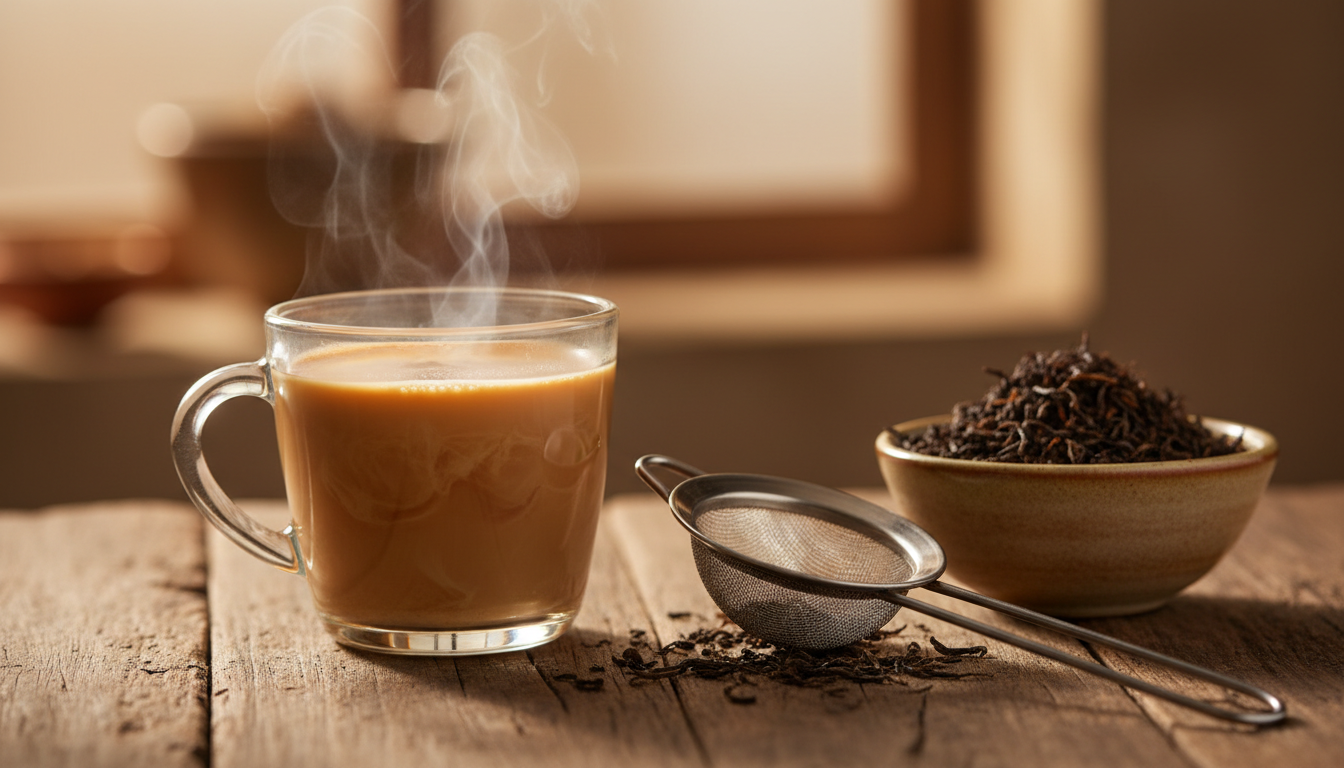
- Black tea: Robust flavor simulates the ritual pleasure of richer drinks, replacing the comfort of post-dinner wine.
- White tea: Subtle, naturally sweet and suitable for people sensitive to caffeine.
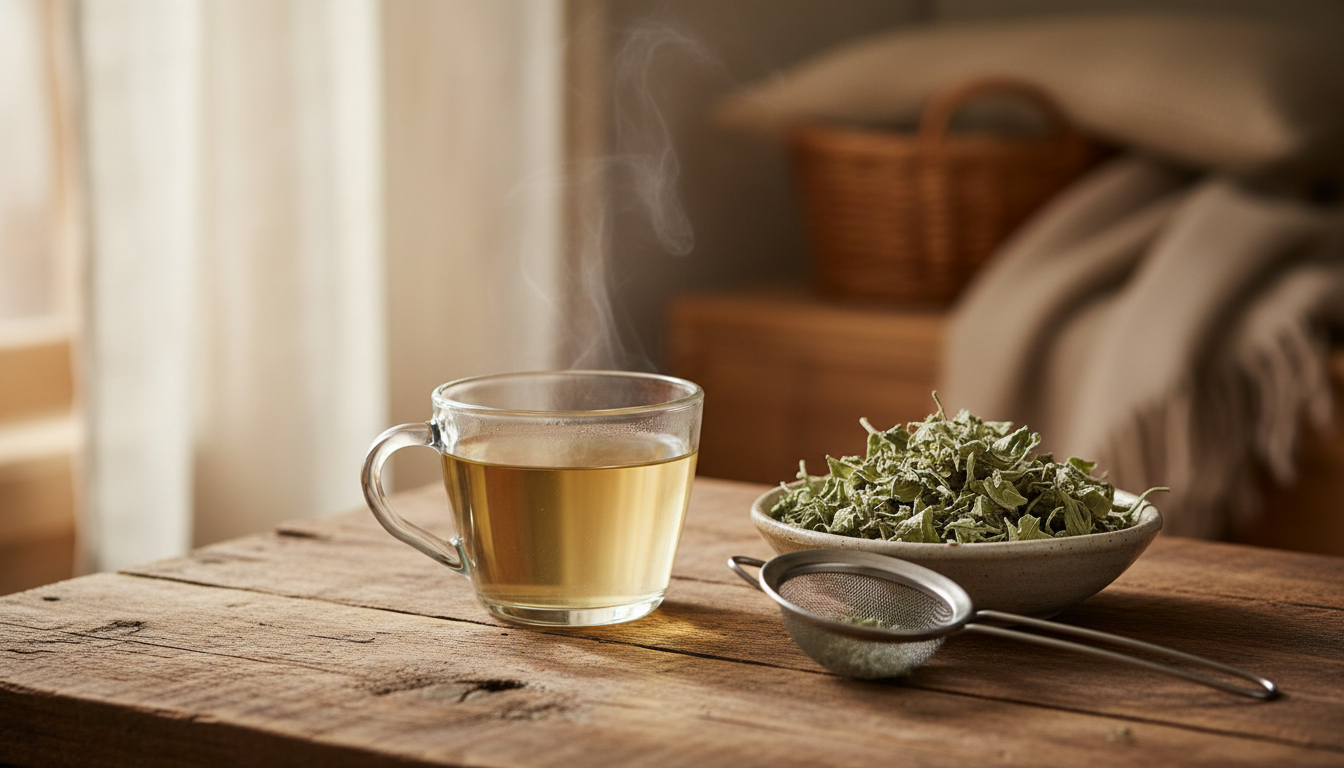
- Herbal blends: Chamomile, peppermint, and lemongrass soothe nerves and aid sleep.
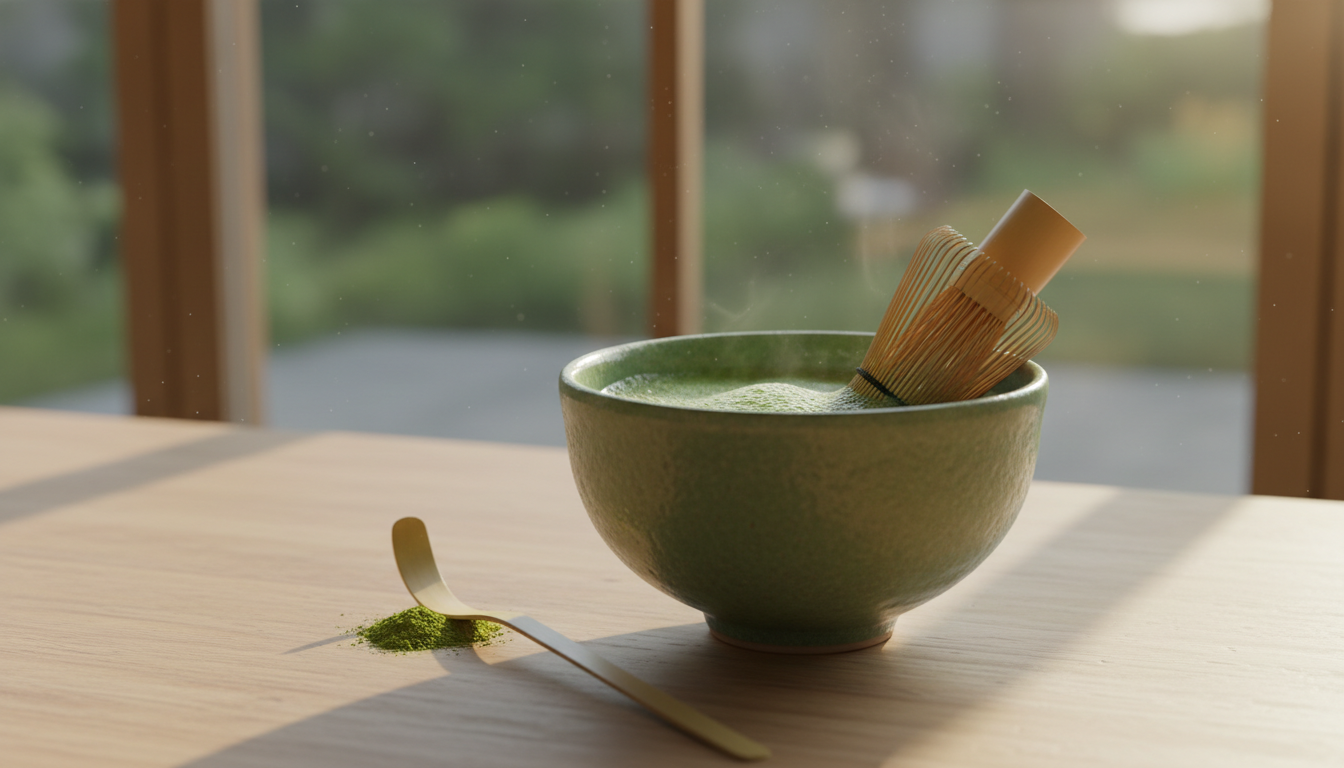
- Matcha: High chlorophyll content promotes clarity and focus for meditative practices.

Experimentation helps retain excitement. Craft fun mocktail-style drinks like sparkling green tea lemonade or spiced chai sodas. These creative beverages make tea total choices more social and enjoyable.
The Social Dynamics of Being Tea Total
Maintaining a tea total approach isn’t just a personal act—it shapes how you engage socially. While social environments often revolve around alcohol, the modern wellness wave offers more inclusive options.
Navigating Peer Pressure Gracefully
Choosing not to drink can invite uncomfortable questions. But a confident, positive attitude helps. Simply noting that you prefer tea for focus, health, or spiritual reasons usually ends awkwardness. Offering to share a pot of tea at gatherings can turn the moment into connection instead of confrontation. Being tea total can even become a conversation starter about self-care and conscious choices.
Hosting Tea Total Gatherings
Hosting events aligned with your tea total lifestyle sets a warm precedent. Create “tea tasting nights” with themed music and stories about each variety. Incorporate snacks that complement flavors—like dark chocolate with oolong or fruit tarts with white tea. Dim lighting and cozy seating mimic the intimacy of a wine lounge, but with greater clarity. For recipe inspiration, read the Tea Recipe Guide at Tea Story Blog and uplift your hosting creativity.
Quick Facts About Tea Total Health and Habits
- The tea total concept originated in the 1830s during England’s temperance campaign.
- Modern surveys reveal rising interest in alcohol-free lifestyles among adults aged 25–40.
- Tea contains L-theanine, which promotes alert relaxation—a balanced blend of energy and calm.
- Chamomile, lavender, and tulsi are popular for evening wind-down among tea total communities.
- Many restaurants now offer “tea pairings” instead of wine pairings for wellness-focused guests.
- Leading nutritionists view tea total choices as beneficial for gut microbiota balance.
Integrating Tea Total Principles Into Everyday Life
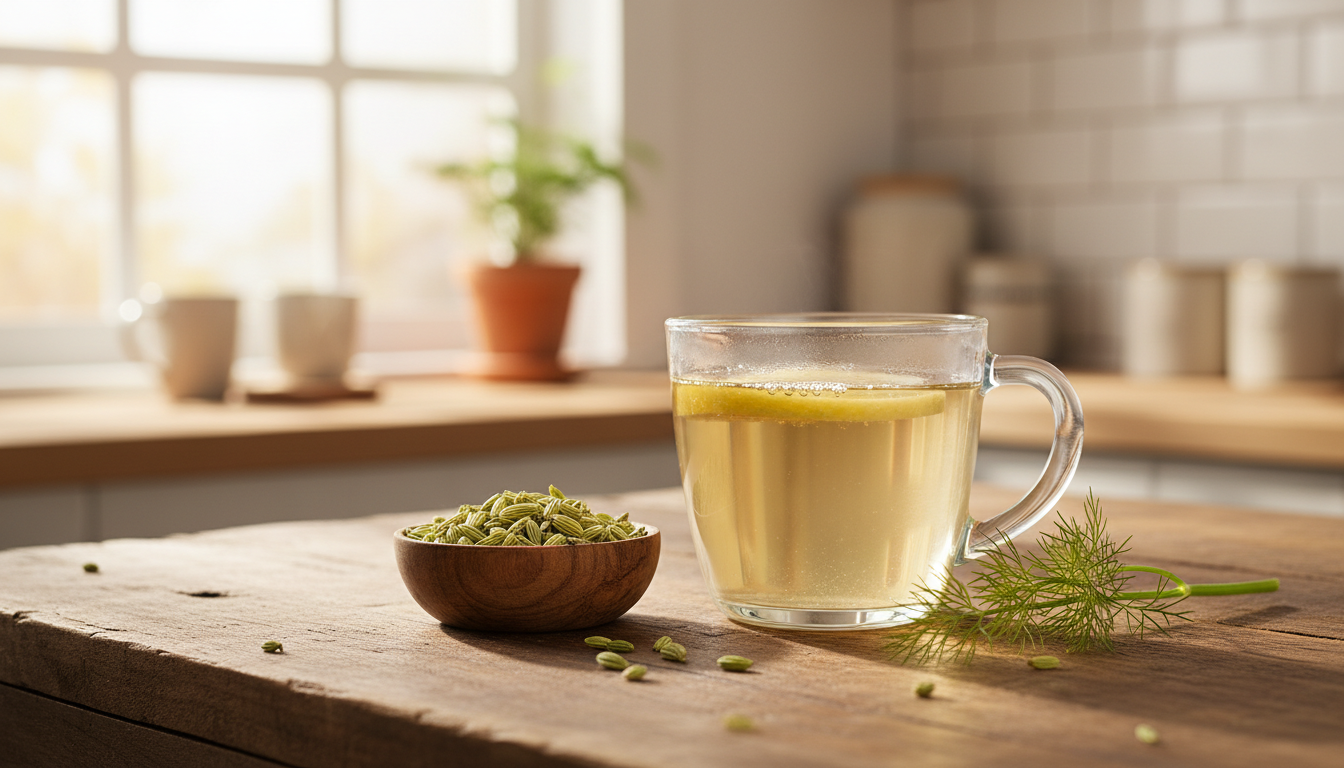
Replacing empty habits with mindful activities ensures success in the tea total journey. Start mornings with intentional hydration—green tea or warm lemon water. Use caffeine-free blends during stressful workdays. Swap late-night cocktails for herbal infusions. The rhythm of brewing, steeping, and sipping grounds the mind while hydrating the body. Over time, this ritual becomes second nature, a cornerstone of a deliberate, peaceful existence.
Inspirational Case Study
Consider Mia, a travel writer who committed to the tea total lifestyle two years ago. Initially, she intended it as a temporary detox, but the benefits convinced her otherwise. She now uses brewing ceremonies as daily mindfulness anchors, sharing cultural tea stories from her adventures. Her productivity improved, her anxiety lessened, and her sense of inner peace deepened—illustrating the sustainable joy of becoming fully tea total.
Psychological Advantages of a Tea Total Mindset
Beyond physical health, a tea total orientation nurtures emotional wellbeing. Many report feeling more grounded and stable, free from dependencies or cycles of regret tied to excessive indulgence. The calm stimulation of tea parallels this harmony perfectly—it refreshes yet soothes.
Enhanced Focus and Emotional Regulation
The caffeine-L-theanine combination in tea sharpens concentration without jitteriness. Many creative professionals credit this with their best writing or artistic flow. The predictability of morning tea contrasts with the volatility of alcohol consumption, supporting consistent cognitive performance. In this way, being tea total fosters self-control and mindfulness.
From Habit to Identity
Every time you identify as tea total, you affirm your values around health and clarity. People find pride in living authentically, rather than succumbing to social pressure. This psychological reinforcement encourages long-term adherence. By aligning identity with intention, the choice to be tea total becomes effortless, even joyful.
Resources and Further Learning
To deepen your knowledge about global tea culture while practicing tea total principles, consult authoritative external sources. The Tea Association of the USA offers research-backed insights on tea varieties and health data. Additionally, explore publications from World Tea News for market trends and scientific developments. For internal references, you might also enjoy the Tea History Archive on Tea Story Blog for cultural context that supports your understanding of tea traditions worldwide.
Frequently Asked Questions
What does living a tea total lifestyle mean?
Living a tea total lifestyle signifies abstaining from alcohol while prioritizing wellness and clarity. It involves using tea not just as a drink but as a mindful anchor in daily routine. The approach nourishes both body and spirit, emphasizing intentional calmness and purity. People choose it for health, focus, or spiritual alignment. Over time, being tea total encourages sustainable wellness, helping you form lasting connections built on clear communication and genuine presence, rather than the distractions alcohol often brings.
What are the top benefits of being tea total?
Adopting a tea total philosophy may yield improved sleep, sharper concentration, better hydration, enhanced liver function, and mood stability. It removes the guilt and physical strain associated with alcohol, freeing up mental and physical energy for productive pursuits. Additionally, tea’s antioxidants and calming amino acids amplify overall resilience. Together, these effects lead to balanced wellness, improved digestion, and a more present relationship with life, grounded in intentional rituals.
How can I transition smoothly into a tea total lifestyle?
For those curious about becoming tea total, gradual change works best. Begin by alternating alcoholic drinks with tea-based infusions during social events. Build enjoyable rituals at home—morning matcha, afternoon oolong, and evening chamomile. Replace emotional triggers for drinking with introspective tea breaks. Track your improvements in sleep and mental clarity. Within weeks, you’ll likely feel transformed energy levels and a deepened sense of control, both of which confirm your new tea total direction.
Which teas are best for supporting a tea total routine?
A diverse selection suits different moments of the tea total day. Green tea awakens the mind, while black tea fuels midday vitality. Herbal tea offers gentle recovery after busy hours. Mix flavors to match tasks—lemongrass before meetings, peppermint after meals. Experimenting keeps your journey engaging, reinforcing your tea total identity and making wellness deliciously approachable. Over time, your taste preferences evolve alongside your personal growth toward consistent balance.
Can being tea total affect social life or friendships?
Absolutely, but mostly in positive ways. Initially, friends may question your tea total commitment, yet curiosity soon turns into respect. Inviting others for crafted tea sessions introduces warmth and memorable shared experiences. You may inspire subtle lifestyle shifts within your circle. In essence, tea total living fosters sincerity: people appreciate deeper conversations and true relaxation, undisrupted by intoxication. With time, your presence itself becomes an example of mindful authenticity at social gatherings.
Is there any scientific backing for the tea total approach?
Yes. Global research supports the physical and mental gains linked with being entirely or partially tea total. Scientific studies demonstrate improved cardiovascular markers among non-drinkers and highlight tea’s antioxidants’ protective roles. L-theanine’s neurochemical benefits reduce stress while sustaining alert calmness. Together, these findings establish an evidence-based link between sobriety, tea-focused habits, and reduced health risks. Hence, adopting a tea total lifestyle aligns directly with both modern medicine and traditional wisdom.
Why combine tea culture with abstinence principles?
Tea bridges the gap between sensory pleasure and restraint. By embracing a tea total identity, you gain enjoyment through aroma, flavor, and ritual—without intoxication. Tea culture encourages presence, artistry, and discipline, values harmoniously echoing the ethics of sober living. As part of wellness or mindful spirituality, this integration simplifies the path to balance. Choosing such alignment isn’t about restriction; it’s about refined indulgence built upon clarity, purpose, and graceful self-awareness.
Are there global communities promoting a tea total mindset?
Yes, countless online and offline communities advocate tea total ideals. From global tea-tasting clubs to sober lifestyle movements, individuals find shared strength through digital forums and events. Workshops on tea craft, mindful brewing, and herbal education promote empowerment. Many wellness retreats integrate guided tea meditations as part of healing frameworks. Joining these spaces helps normalize being tea total and inspires accountability, fraternity, and creativity around an increasingly respected lifestyle choice.



Leave a Reply