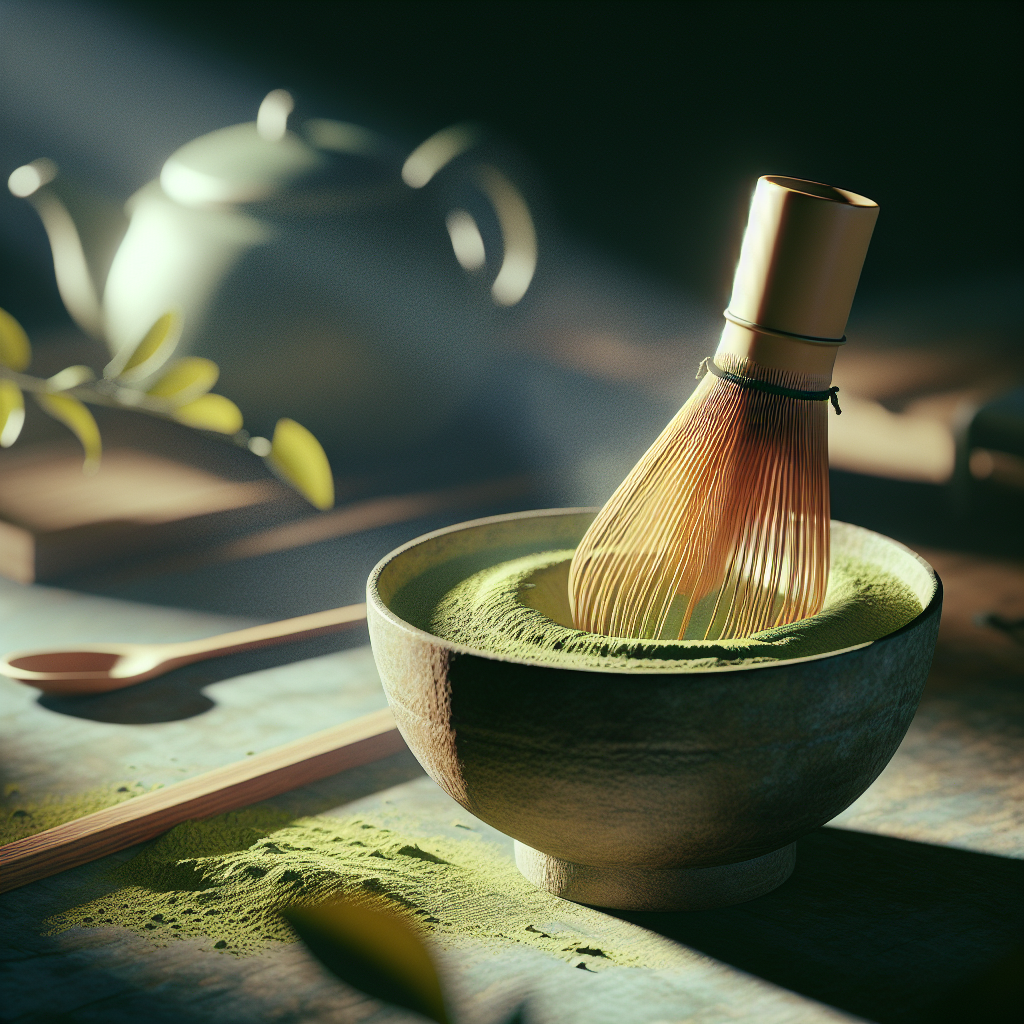
There is a quiet artistry behind the ritual of preparing matcha, and much of it rests in the humble yet powerful matcha whisk. This small bamboo tool transforms vivid green tea powder into a velvety drink, carrying centuries of Japanese tradition. Whether used daily in contemporary kitchens or cherished in meditative tea ceremonies, the matcha whisk reveals how attention and motion can infuse calm into the simplest act of whisking. Learning about its origins, flavor implications, and the reasons people love it helps deepen appreciation for this timeless element of tea culture.
The matcha whisk is not merely an accessory—it is essential to achieving the right balance, foam, and flavor in the cup. Understanding the texture it creates or the history shaping its form lets one appreciate the fusion of art and function that defines Japanese tea preparation. Below, we’ll explore its fascinating origins, how it influences matcha’s flavor, and why its gentle rhythm continues to captivate tea enthusiasts worldwide.
Origins of the Matcha Whisk
The ancient roots of the matcha whisk go back nearly a thousand years. Its story begins in China during the Song Dynasty, where powdered tea first gained popularity among scholars and monks. The tool for whisking powdered tea was then introduced to Japan by Buddhist monks in the 12th century, who brought both the technique and the serene philosophy surrounding tea consumption.
The Japanese Evolution of the Matcha Whisk
In Japan, the imported whisk took on its distinctive local character. Crafted from a single piece of bamboo, artisans slowly refined the design to meet the aesthetic and spiritual principles of the Chanoyu—the Japanese tea ceremony. Each matcha whisk produced today continues that line of craftsmanship and respect for natural materials. The oldest known workshop, located in Nara Prefecture, has been producing these bamboo whisks for over five centuries, a remarkable testament to enduring tradition.
Symbolism Behind the Craft
The matcha whisk symbolizes purity, harmony, and respect—the key principles of tea ceremony philosophy. Its simplicity masks incredible skill. Artisans must choose the right species of bamboo, cut it during the cold months to prevent cracking, and season the wood for months. The cutting of fine, uniform tines is done entirely by hand using special blades inherited through generations. This devotion results in a tool that not only performs well but also connects the drinker to centuries of mindful practice.
Regional Variations and Craft Schools
Different Japanese regions produce distinct forms of the matcha whisk. For example, Nara-style whisks are famous for delicate tines suited to fine matcha foam, while Kyoto artisans create slightly thicker-tined versions for everyday use. These subtle differences echo local tea preferences and ceremonies. A Nara whisk may contain upwards of 120 tines, providing micro-aeration for a silky beverage, while a Kyoto whisk might feature 80 for a more rustic character. Despite diversity, every design shares the same purpose: harmony between tool and tea.
Construction and Design Features
The beauty of a matcha whisk lies in its engineering simplicity. Yet, every curve and spacing detail influences how air and water interact with powdered tea. Understanding its design helps explain how flavor and texture emerge from traditional whisking motions.
How the Shape Affects Performance
A well-crafted matcha whisk features inner and outer layers of tines. The outer layer stabilizes the foam, while the inner tines smooth the mixture. As the user moves the whisk in a fast “M” or “W” motion, air combines with water, producing microbubbles that create the creamy surface beloved by matcha fans. This isn’t mere aesthetic appeal; aeration alleviates bitterness and unlocks natural sweetness.
Caring for the Matcha Whisk
Proper care determines its lifespan. Before using, soaking the tines in warm water for 30 seconds softens them and reduces the risk of breakage. After whisking, rinse under gentle running water—never use soap—and dry on a stand to retain shape. Many seasoned practitioners keep their matcha whisk in a chasen holder, a curved porcelain piece that mirrors the bamboo’s inner form and ensures delicate tines stay open.
Materials and Sustainability
The matcha whisk’s link to nature is direct. Bamboo is not only fast-growing but biodegradable. Traditional makers avoid synthetic coatings, allowing the whisk to age gracefully. This respect for renewability mirrors the broader tea ethos—one that emphasizes balance with the environment. Choosing a responsibly sourced whisk therefore extends the ceremony’s mindfulness into everyday sustainability. For readers interested in traditional tea production methods, see this detailed look at tea cultivation on teastory.blog.
Flavor Impact of the Matcha Whisk
While quality tea powder and water temperature are crucial, the matcha whisk acts as the final interpreter of flavor. Its role in aeration, emulsification, and texture formation transforms taste perception. Each whisk stroke affects how aroma unfolds and how long foam endures.
The Science of Froth and Flavor
Froth isn’t just decorative. As the matcha whisk integrates air, it alters the liquid’s density and surface tension. A creamy foam acts as a sensory bridge, mellowing the intensity of umami and limiting bitterness. This dynamic makes the drink less abrasive, especially when consumed without milk or sweeteners. Moreover, evenly whisked matcha prevents sedimentation, so flavor remains consistent from the first sip to the last.
Practical Tips for Flavor Control
Beginners often under-whisk or over-whisk, leading to flat or too-bitter matcha. Here are a few practical insights for better results using your matcha whisk:
- Use a shallow bowl to allow free wrist movement and proper frothing.
- Whisk with quick, light strokes—not circular motions—to generate fine foam.
- Avoid pressing the whisk against the bowl’s base to protect tines.
- Experiment with different whisk tine counts; finer tines create smoother results, coarser ones a stronger flavor.
Emotional Flavor: The Ritual Connection
The matcha whisk invites mindfulness. Preparing matcha minutes before starting a day or winding down an evening becomes a gentle ritual. The rhythmic sound of bamboo crossing ceramic resonates through the room, grounding the drinker in presence. This meditative aspect explains why flavor transcends taste—it becomes a feeling of calm satisfaction. Connoisseurs often describe this effect as “quiet energy,” a sensation where mental alertness and serenity blend beautifully.
Why People Love the Matcha Whisk
The enduring popularity of the matcha whisk arises not just from tradition but from practicality and emotional resonance. Both casual tea enthusiasts and seasoned practitioners appreciate the subtleties it brings to everyday life and beverage quality.
Aesthetic Appeal and Minimalism
Bamboo’s natural grain and golden hue make each matcha whisk uniquely beautiful. Its aesthetic aligns with wabi-sabi—the appreciation of imperfection and impermanence. Home baristas proudly display them beside their tea sets or within minimalist kitchens. Even when unused, a whisk brings warmth and balance into a space, representing care and simplicity in living.
The Role in Modern Tea Culture
In recent years, the matcha whisk has found renewed life beyond traditional ceremonies. Social media videos showcasing shimmering green lattes emphasize the beauty of hand-whisking. Professionals and home users alike appreciate how this tactile process slows routines, restoring focus amid modern noise. And for sustainability-minded consumers, choosing a biodegradable whisk over electric frothers fits their values perfectly.
Health Benefits and Whisk Connection
Matcha is celebrated for antioxidants, amino acids, and L-theanine content. Yet, properly using a matcha whisk ensures these compounds disperse evenly, enhancing biological absorption. Scientists suggest uniform blending prevents oxidation pockets, preserving chlorophyll and nutrients. It’s a simple example of how tradition complements science—ceremonial tools improving measurable wellness outcomes. For further insight into cultural and health correlations, explore this discussion on tea history from teastory.blog.
Community and Shared Experience
The matcha whisk also facilitates connection. Whether at small tea gatherings or global demonstrations, it becomes a shared symbol that transcends language. The motion of whisking, the swirl of foam, the moment of presentation—each gesture conveys hospitality. Participants feel grounded, equal, and calm. This communal power explains why the bamboo whisk remains relevant even in a world of rapid change.
Real-World Uses and Adaptations
Beyond tea ceremonies, many creative applications celebrate the versatility of the matcha whisk. In espresso bars, wellness studios, and culinary schools, its use illustrates respect for intentional craft.
Modern Culinary Use Cases
Chefs use the matcha whisk to incorporate powdered teas into desserts or sauces, ensuring lump-free mixtures. Its tiny tines excel at combining delicate powders with liquids without overmixing. Pastry chefs preparing matcha-infused cream or salad dressings rely on its gentle aeration for silky finishes. Beverage innovators combine matcha with plant-based milks, discovering appealing gradients between foam and green hues created only through manual whisking.
Cross-Cultural Influence
Outside Japan, adoption of the matcha whisk mirrors broader appreciation of mindful cuisine. American and European baristas adapt the whisk for vegan lattes. Korean culinary schools integrate it into fusion desserts. Even wellness retreats in Indonesia use the whisk during meditation workshops, citing its calming pattern as a way to slow breathing. These adaptations show that an ancient tool can remain relevant across continents without losing authenticity.
Educational and Artistic Contexts
Publishing houses and museums often host events demonstrating traditional tools like the matcha whisk. Such programs restore interest in craftsmanship among younger generations. Participants not only learn whisking techniques but also sustainable design principles. For pedagogy, this merges cultural history, ecology, and art—a combination that resonates with modern learners seeking holistic understanding.
Buying and Understanding the Right Matcha Whisk
Choosing the right matcha whisk involves considering whisk style, tine count, and intended purpose. Some are built for ceremonial authenticity, others for practical daily use.
Factors to Consider
- Tine count: Higher counts (100–120) create silky foam for Koicha (thick tea). Lower counts (60–80) suit Usucha (thin tea).
- Bamboo type: White bamboo gives a softer tone; black bamboo is rigid and dramatic in hue.
- Budget vs craft: Handcrafted tools cost more but offer better balance and feel.
- Origin: Whisks from Takayama are highly regarded for precision and consistency.
Where to Purchase
Authentic matcha whisk artisans rarely mass-produce. Japanese specialty stores or online tea boutiques often partner directly with crafters. Consumers should beware of plastic imitations that miss both function and aesthetic. For additional cultural depth, explore the Japanese Tea section of The Japanese Tea Association—an authoritative resource.
Matching Accessories
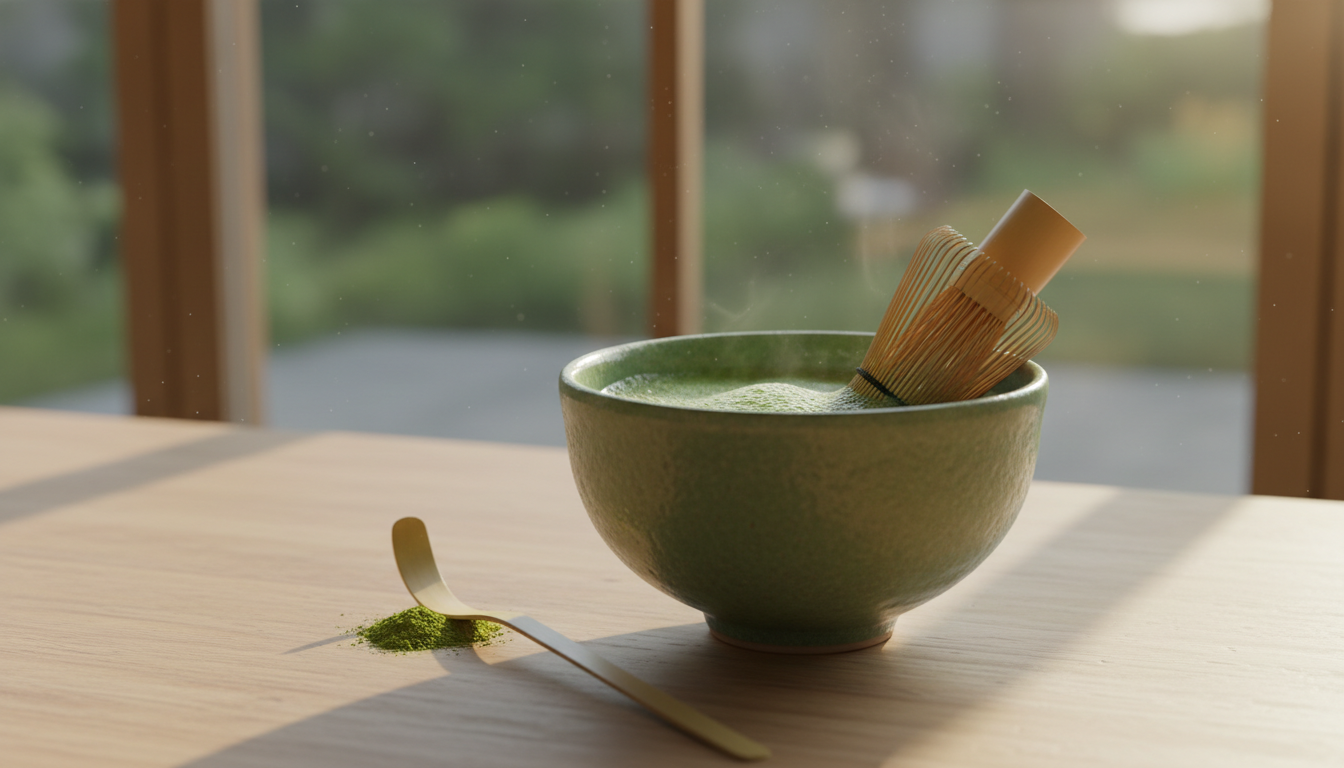
Accompanying your matcha whisk with a ceramic bowl (chawan), sifter, and bamboo scoop (chashaku) provides full ceremony capability. Using these integrated tools enhances authenticity and helps maintain proportion accuracy. As many connoisseurs note, investing in traditional accessories strengthens daily ritual enjoyment.
Conclusion
The matcha whisk remains an enduring icon that bridges the ancient and the modern, the functional and the spiritual. Its ability to shape flavor, nurture mindfulness, and connect people illustrates how handcrafted tools sustain meaning across centuries. Anyone can buy powdered matcha, but when whisked with care—when the wrist learns the rhythm passed down through generations—what results is far more than a beverage. It’s a moment of presence, gratitude, and artistry. Whether you use your matcha whisk each morning or only on special days, you partake in a heritage that continues to thrive because it speaks deeply to human calm and creativity.
Frequently Asked Questions
What is the purpose of a matcha whisk in tea preparation?
The matcha whisk evenly blends powdered green tea with water, producing a uniform mixture and delicate foam. This process aerates the drink, reduces bitterness, and allows full flavor release. Without it, matcha settles at the bottom, leaving gritty residue. Whisking by hand also promotes mindfulness, transforming a simple preparation into a soothing ritual rooted in traditional Japanese culture.
Can I replace the traditional matcha whisk with a metal frother?
Although metal frothers can emulate foam, they lack the finesse of a bamboo matcha whisk. Bamboo’s flexible tines distribute air gently, ensuring a balanced texture and preventing overheating. Electric whisking, by contrast, can break the foam too quickly. If convenience is your goal, a frother suffices, but for flavor precision and authentic experience, nothing matches the traditional handmade tool.
How do I maintain my matcha whisk for longevity?
Rinse your matcha whisk immediately after every use. Avoid detergents that degrade bamboo fibers. Gently pat dry and store upright on a whisk stand to preserve its curve. Periodic sunlight exposure prevents mold. When properly cared for, a quality whisk can last for over a hundred sessions. Small cracks may form with time, which is natural and part of its aging charm.
What kind of bamboo is used to make a matcha whisk?
Artisans primarily use white, black, or smoked bamboo to craft each matcha whisk. White bamboo delivers elegance and softness; black bamboo is denser, yielding firmer whisking action; smoked variations add aesthetic color and aroma. The choice depends on tea ceremony style and user preference. Every piece of bamboo is hand-selected during the winter for moisture balance and strength.
Does the number of tines on a matcha whisk affect flavor?
Yes. The number of tines, or prongs, directly influences foam texture and taste integration. A 120-tine matcha whisk creates extremely fine bubbles, producing creamy smoothness ideal for thick ceremonial matcha. Fewer tines (around 80) allow greater vigor, preserving a rustic character suited for thinner tea. Some enthusiasts own both types to adapt their preparation depending on the occasion or mood.
How often should I replace my matcha whisk?
Depending on usage, a matcha whisk lasts two to six months of regular service. When the tines start to curve inward or break, the whisk loses efficiency. Eco-minded users often compost old bamboo tools. Replacing with a new piece ensures better aeration, while keeping to sustainable practices maintains the spiritual continuity of the tea tradition. Always buy from reputable artisans.
Why do so many people love using a traditional matcha whisk?
People love using the matcha whisk because it connects body and mind through movement. Whisking triggers calmness similar to meditation, while producing a visually stunning drink. It invites quiet focus, fragrance awareness, and tactile appreciation. In an age dominated by machines, hand-whisking feels deeply human—an invitation to slow down, engage senses, and savor both artistry and serenity in daily life.
Can I use a matcha whisk for other drinks?
Absolutely. While originally for tea, a matcha whisk works beautifully for blending cocoa, protein powders, or even small batches of vinaigrettes. Its ability to eliminate lumps and draw in air enhances texture in many beverages. However, avoid using it for thick batter or oily mixtures, as they can warp delicate bamboo tines. Dedicated use ensures durability and consistent performance.



Leave a Reply