
Millions of wellness enthusiasts around the world have turned their attention to slim tea as part of daily self-care routines. Though often surrounded by marketing claims and trendy packaging, the real value of slim tea lies in understanding what it can and cannot do. When chosen wisely and paired with a balanced lifestyle, it can be a gentle ally in supporting digestion, hydration, and metabolic health. This article offers an honest guide to slim tea benefits, science-backed facts, and practical considerations to help you make informed choices without getting lost in hype.
Whether you drink slim tea to reduce bloating, cleanse, or simply to replace sugary beverages, the ritual can become more than a weight-loss habit—it can evolve into a comforting wellness ritual. Exploring the varieties, ingredients, and preparation methods helps clarify how slim tea fits into a natural approach to vitality. As global research expands, it’s easier to navigate which teas are worth your shelf space and which are just passing trends. Let’s separate fact from fiction and make sense of this increasingly popular drink.
Understanding the Basics of Slim Tea
At its simplest, slim tea refers to blends of herbal or traditional teas formulated to support metabolism, digestion, and gentle detoxification. These teas are not magic potions but infusions that may assist your body’s existing processes. The ingredients vary widely, from green tea and oolong to herbs like senna, ginger, dandelion, and fennel. Some brands focus on stimulating digestion, others emphasize cleansing or energizing effects. Understanding the formulations behind slim tea allows drinkers to align choices with body needs and goals.
Types of Slim Tea and Their Purposes
The category of slim tea is broad. Some blends rely purely on natural tea leaves, while others use herbal combinations to enhance the effects. Let’s look at the main types and what makes each unique:
- Green Tea-Based Slim Tea: Rich in antioxidants known as catechins, green tea supports fat oxidation and alertness.
- Oolong or Black Tea Versions: Mildly caffeinated, these teas balance energy levels and improve metabolism.
- Herbal or Detox Slim Tea: Includes senna, peppermint, licorice, and other herbs that encourage mild cleansing. Always check for laxative herbs before frequent use.
- Caffeine-Free Slim Tea: Chamomile or rooibos infusions suitable for evening consumption without affecting sleep.
How Slim Tea Works Within the Body
The mechanism behind slim tea depends largely on its ingredients. Caffeine and catechins may encourage thermogenesis and fat metabolism; herbs like ginger and dandelion root aim to reduce water retention. The mild bitterness of tea can suppress appetite naturally, and replacing high-calorie beverages with slim tea reduces overall calorie intake. It’s important to view slim tea as a support—not a shortcut—to healthy living. Hydration also plays a key role, as increased fluid intake boosts kidney and liver efficiency.
Scientific Insights and Health Benefits
Modern research continues exploring how slim tea interacts with body systems. While not every claim is clinically proven, consistent findings highlight improved energy expenditure and digestive balance. Below are the most studied advantages and associated considerations.
Improved Metabolic Efficiency
Slim tea often draws attention for its thermogenic impact. Studies show that tea polyphenols, particularly catechins from green tea, can promote mild increases in energy expenditure and fat oxidation. For regular drinkers, even modest effects may accumulate over time when combined with a healthy diet and physical activity. Drinking one to two cups of slim tea per day, especially before moderate workouts, may enhance fat utilization without overstimulation or dehydration when caffeine content is moderate.
Enhanced Digestion and Gut Comfort
Many forms of slim tea incorporate herbs such as peppermint, fennel, or ginger known to soothe the gastrointestinal tract. They help relieve bloating, indigestion, and sluggish bowel movement. Senna-based teas should be reserved for occasional use due to their laxative qualities, whereas teas rich in bitter compounds stimulate digestive juices gently. Regular tea consumption after meals encourages steady gut motility, contributing to comfort and reduced bloating.
Digestive Balance with Slim Tea Blends
Balanced blends emphasize herbs that support rather than irritate digestion. For example, pairing green tea with a hint of spearmint or lemon verbena creates a refreshing combination without harsh effects. Drinkers may notice smoother digestion and less heaviness after meals. Slim tea fits perfectly alongside probiotics or fermented foods for comprehensive gut wellness.
Detoxification and Liver Support
The concept of detox in the body is often overstated, but supportive herbs in slim tea can encourage the natural detox processes already handled by liver and kidneys. Dandelion, burdock, and nettle contribute by providing trace minerals and gentle diuretic properties. Unlike severe cleanses, regular slim tea intake promotes balance rather than drastic elimination. As a hydration source, it aids flushing metabolic waste while maintaining electrolyte stability.
Practical Tips for Using Slim Tea Wisely
Integrating slim tea into a practical wellness plan is all about timing, portion, and consistency. Here are a few essential steps to make the experience beneficial and sustainable.
Choosing Quality Slim Tea
Select products that disclose full ingredient lists without proprietary “detox” labels. Organic certification, non-GMO verification, and minimal artificial flavors distinguish authentic slim tea brands. Small-batch imports and loose-leaf options offer fresher taste and higher catechin retention than mass-market tea bags. Reading reviews on reputable tea websites and checking sourcing transparency are good starting points for evaluating quality and safety.
When and How to Drink Slim Tea
Drinking slim tea on an empty stomach may cause mild nausea for some individuals due to catechins or herbal bitterness. It’s best to consume after light meals or snacks. Morning consumption can promote alertness, while afternoon servings may sustain energy without heavy caffeine intake. Herbal versions can be enjoyed later in the evening for relaxation. Avoid adding sugar—opt for lemon, mint, or a few drops of honey instead. Consistency rather than intensity yields better long-term outcomes.
Personalizing Your Slim Tea Routine
Each person’s metabolism and taste preferences differ. Some enjoy experimenting with rotations: alternating green slim tea during workdays and herbal detox blends on weekends. Tracking body response, sleep quality, and digestion offers clues about the perfect personal ratio. Intervals of rest (avoiding constant daily use) allow your body to reboot naturally and prevent tolerance buildup to active catechins or caffeine.
Potential Side Effects and Safety
Despite positive attributes, slim tea should be approached responsibly. Misuse, overconsumption, or reliance on detox claims can lead to adverse reactions. Here are key considerations.
Understanding Active Ingredients
Always read the ingredient label. Senna and cascara are herbal laxatives sometimes used in slimming formulas, but frequent use may cause dependency or dehydration. Teas high in caffeine may induce jitteriness or insomnia if combined with coffee or energy drinks. Sodium and artificial additives counteract the intended lightness of a slim tea regimen. High-quality natural blends rarely produce side effects when consumed moderately.
Interactions and Health Precautions
Individuals with heart disorders, diabetes, or kidney conditions should seek advice from healthcare professionals before regular slim tea consumption. Herbal compounds can interact with medications by enhancing or suppressing their effects. Pregnant and breastfeeding women must be particularly cautious, avoiding any tea containing strong detox herbs. To minimize risks, adopt a balanced approach: two moderate cups daily, plenty of water, and a nutrient-dense diet.
Myths vs. Reality of Slim Tea Safety
A persistent myth claims that slim tea causes drastic, effortless weight loss. In truth, its effects are mild and complementary. Weight regulation stems primarily from nutrition, mindset, and movement—not a single beverage. When used as a supportive ritual, slim tea nourishes hydration and mindfulness. Understanding this balance protects consumers from unrealistic expectations and exaggerated promotions.
Real-World Applications and Cultural Perspective
Tea culture has evolved through centuries across Asia, Africa, and the West, each region valuing both taste and health dynamics. Slim tea aligns with that heritage by offering a mindful beverage in contemporary lifestyles seeking balance.
Global Examples of Slim Tea in Practice
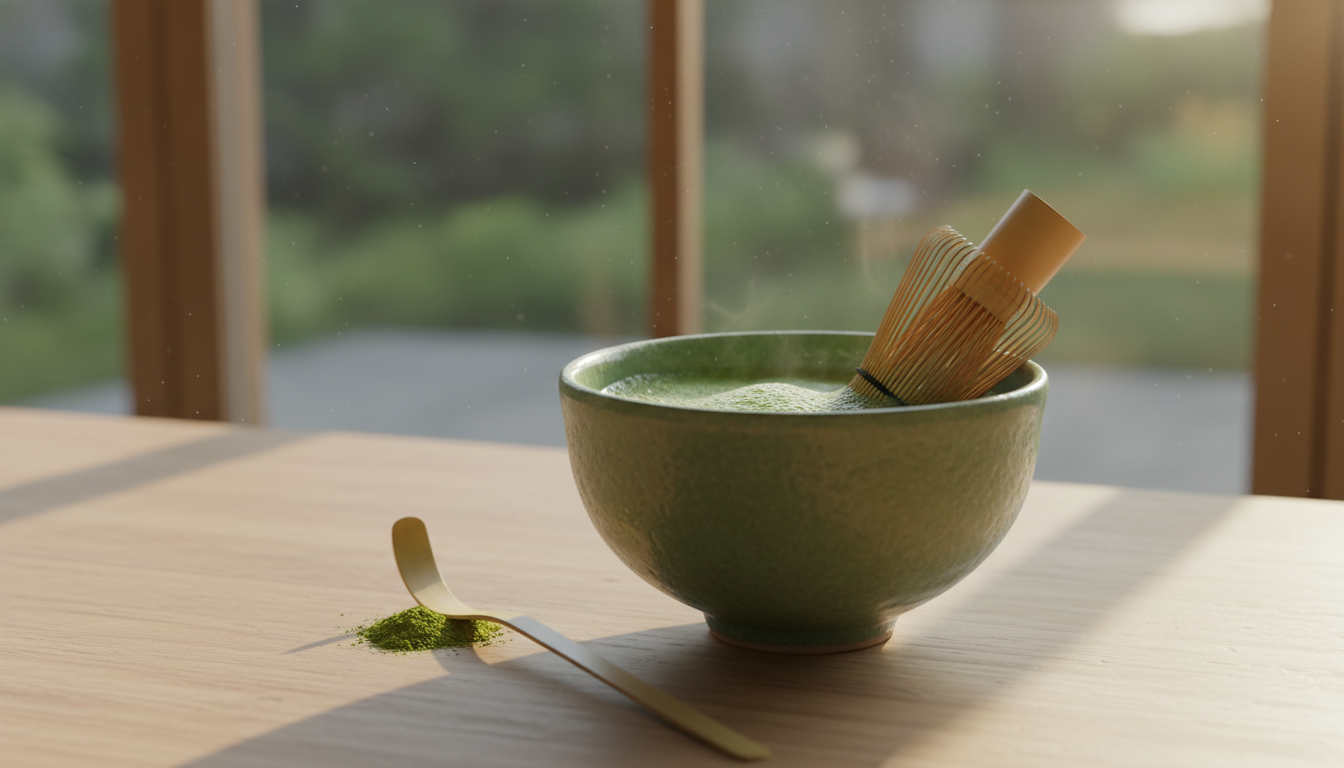
In Japan, green slim tea mirrors the tradition of matcha, where mindful preparation merges with meditation. In Morocco, mint-infused green tea serves guests while aiding digestion after rich meals. European wellness spas include herbal slim tea in detox retreats alongside nourishing broths. These examples highlight that well-being isn’t about restriction; it’s about balanced rituals using nature’s simple gifts.
Incorporating Slim Tea into Everyday Life
Simple habits matter. Consider enjoying slim tea during short work breaks to reduce stress snacking, or sip after yoga sessions for rehydration. Keep portable infuser bottles for loose leaves, making it easier to sustain the habit without resorting to bottled sugary beverages. Over time, this small practice cultivates awareness around what your body needs and how natural drinks like slim tea contribute to overall equilibrium.
Buying and Storing Slim Tea
To preserve aroma and potency, proper storage and buying strategies make a difference for slim tea enthusiasts. Choose airtight containers away from direct light. Watch for freshness dates—aromas of cut grass or herbs should smell lively, not stale. Many collectors keep teas organized by caffeine level and purpose for easy daily selection.
Where to Buy Quality Slim Tea
Look for online specialty tea shops or artisanal health stores offering transparent sourcing. Websites like Tea Association of the USA and National Tea Association provide helpful background on authentic standards. For those exploring culture and tradition, internal reading like Tea History at TeaStory Blog offers context for how blends evolved. Fans who love preparing custom recipes may enjoy Tea Recipe Experiences that include creative infusion ideas for flavor and wellness.
Proper Storage of Slim Tea
Air, light, and moisture are the enemies of potency. Store slim tea in dark tins or ceramic jars. Avoid the refrigerator, as humidity can ruin the leaves. Rotate stock every few months—freshness preserves antioxidant content and improves aroma. Labeling container dates keeps rotations simple, ensuring the best brew every time.
Visual and Sensory Appreciation
The experience of slim tea is as much sensory as it is functional. The calming aroma, delicate sips, and color variations create a mindful break in daily routines. Observing the unfurling of tea leaves or herbal petals connects you to the natural process behind each cup.

The Aesthetic and Emotional Value of the Ritual
Preparing slim tea encourages pause and intention. Selecting cups, adjusting water temperature, and steeping responsibly nurture a rhythm that goes beyond simple consumption. In busy modern life, this small ceremony offers grounding and presence. Whether morning solitude or afternoon calm, each cup provides personal reflection—a simple yet profound wellness act.
Conclusion
Approaching slim tea wisely means understanding both its potential and its limits. Science supports benefits like increased metabolism, improved digestion, and enhanced hydration when paired with balanced habits. Yet, slim tea thrives most as a wellness companion, not a replacement for mindful living. Its role lies in complementing nutrition, exercise, and rest while nurturing calm moments amid fast-paced routines. Drink it with awareness, savor its cultural legacy, and allow each cup to reinforce a balanced connection with your body’s natural rhythm.
Frequently Asked Questions
What exactly is slim tea and how does it work?
Slim tea is a beverage blend made from tea leaves and herbs designed to support metabolism, reduce bloating, and encourage natural detoxification. Its action stems from compounds like catechins, caffeine, and plant flavonoids that help the body use energy efficiently. Regular use replaces caloric drinks while promoting hydration and gentle digestion. However, slim tea is effective only when part of a balanced lifestyle, supporting natural body rhythms rather than imposing drastic results. Using high-quality, clean blends ensures safer daily enjoyment.
Can slim tea replace exercise or dietary planning?
No beverage can substitute for physical activity or wholesome nutrition. Slim tea complements, not replaces, regular exercise and mindful meals. Its effects are mild; it boosts metabolism slightly and helps manage cravings, but sustainable wellness comes from consistent habits. View slim tea as a supportive ritual: drink it before workouts for energy or between meals to reduce hunger pangs. Balanced living remains key—the tea enhances benefits already achieved through good movement and nutrient diversity.
How often should I drink slim tea for best results?
Ideally, one to two cups of slim tea daily provides gentle support without overstimulating your system. Morning consumption preps metabolism; afternoon sipping sustains focus and hydration. Continuous excessive use leads to tolerance or dependency when laxative herbs are involved. A practical approach is cycling—use slim tea five days a week, followed by rest days to maintain natural detox rhythm. The real progress builds gradually when consistent with healthy eating patterns.
Is slim tea safe for everyone?
Generally yes, for healthy adults when consumed moderately. Yet, those with heart, kidney, or digestive sensitivities should consult professionals before adding new herbal blends. Pregnant or nursing women must avoid strong detox or caffeinated versions. Reading ingredient lists ensures safety since some slim tea products contain stimulant herbs. Aim for natural, additive-free varieties and maintain good hydration. Listening to your body remains the most reliable indicator of whether a blend suits you personally.
Does slim tea really burn fat or just water weight?
Most slim tea effects come from increased metabolism and mild diuretic properties, meaning initial changes may be water weight. Over time, green tea catechins aid fat oxidation subtly, especially when coupled with activity. It’s neither a miracle nor a placebo; it’s a supportive lifestyle element. Replacing sugary drinks with it reduces calorie intake—so improvements reflect both metabolic stimulation and better beverage choices. Sustainable body composition change depends on consistent holistic wellness.
Which ingredients make a high-quality slim tea?
Premium blends combine authentic tea leaves with supportive herbs: green tea, oolong, ginger, dandelion root, peppermint, or lemongrass. Avoid artificial sweeteners, excess flavorings, and undisclosed “detox” mixtures. The standout slim tea embraces clarity—a simple, clean list highlighting natural synergy rather than chemical shortcuts. Trusted sources indicate that transparency and organic sourcing indicate reliability. Quality manifests in aroma, leaf integrity, and balanced taste rather than extreme potency claims.
Can I make my own slim tea at home?
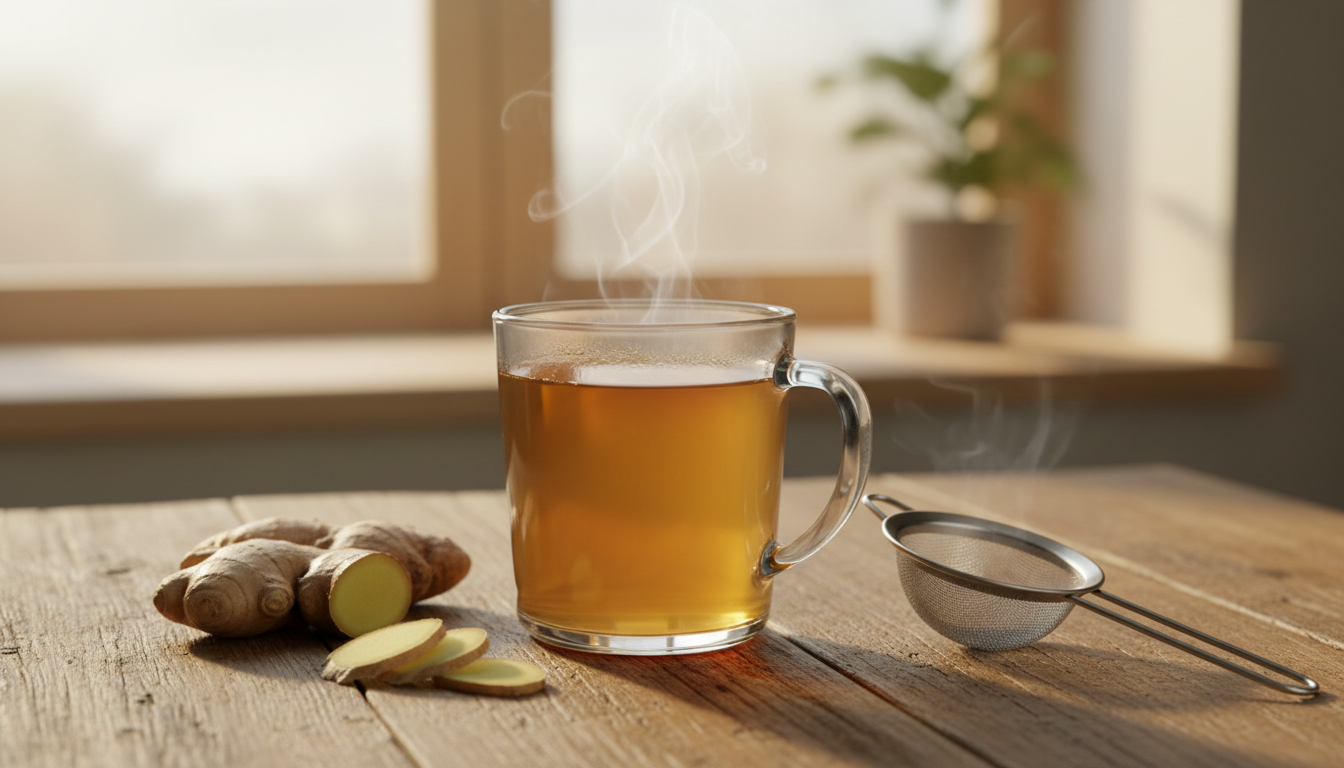
Absolutely. Homemade slim tea is simple and cost-effective. Combine green or oolong tea bases with slices of ginger, lemon peel, or mint leaves. For detox variations, add bits of dandelion root or fennel seeds. Steep for 3–5 minutes depending on strength preference. Experimentation ensures freshness and personal flair. Homemade blends let you control caffeine content and avoid hidden additives, creating a safe, tailored wellness drink for daily enjoyment.
What’s the best time to drink slim tea for weight management?
The best timing depends on your daily rhythm. Morning slim tea awakens metabolism and reduces sugar cravings for breakfast. Afternoon servings soothe bloating and sustain focus without heavy caffeine input. For relaxation, caffeine-free herbal versions can replace evening snacks. Timing optimizes digestion and energy rather than directly causing fat loss. Observing how your body reacts helps fine-tune the pattern, maximizing comfort and results sustainably over time.



Leave a Reply