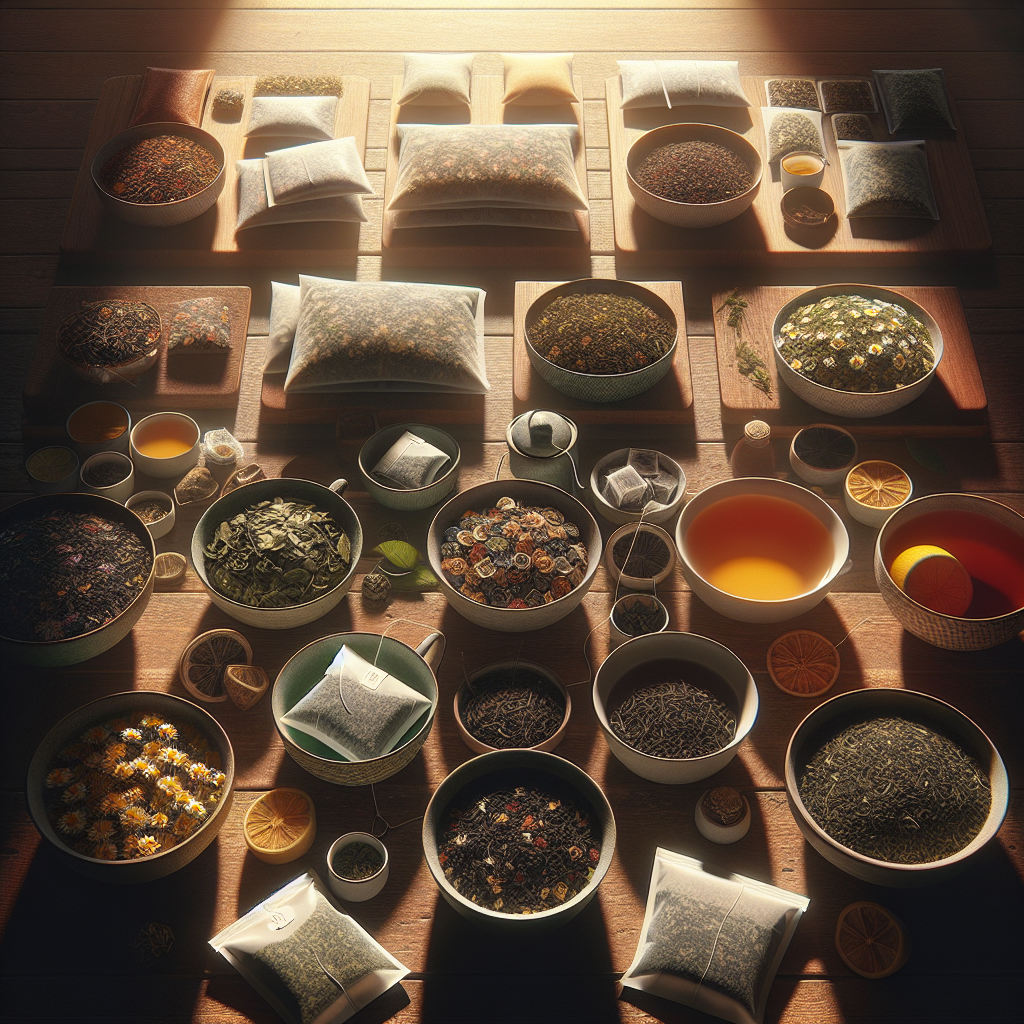
Drinking tea is one of the most ancient rituals that humans continue to cherish, and for many of us, convenience drives the daily brew. The modern rhythm of life rarely leaves time for teapots and strainers, which is why tea bags have become a staple across households and offices. These small and practical pouches promise flavor, variety, and convenience in every cup. As simple as they may look, there’s a world of difference in how they’re made, sourced, and how each brand treats quality and sustainability. This review and buying guide explores the best tea bags for daily use, how to select them wisely, and what factors every tea drinker should consider.
When choosing tea bags, it isn’t only about flavor profiles—it’s about the quality of the leaves, the filtration material, environmental considerations, and how these small details affect your cup of tea. Whether you enjoy a bold black tea before work or a calming chamomile at night, understanding the quality behind these convenient pouches ensures you never compromise on taste or health. This detailed guide walks you through multiple categories, offering deeper insight to help make your next tea purchase more thoughtful and rewarding.
Understanding the Quality of Tea Bags
The quality of tea bags depends on factors such as the type of leaves inside, the cut of the tea, the freshness of the blend, and even the type of paper or mesh used. Many people think that tea in bags is automatically inferior to loose leaves. While in some cases that might be true, today’s premium brands are proving otherwise. They use carefully blended full-leaf teas, biodegradable mesh pyramids, or double-chamber bags to maximize flavor extraction. The right choice can rival loose‑leaf experiences if sourced carefully.
What Defines Good Tea Bags
High-quality tea bags usually contain whole or large cut leaves rather than dust or fannings—the smallest broken particles from tea processing. The vessel itself also matters. Bags made from biodegradable mesh or natural fiber paper are safer and more eco-friendly compared to nylon or plastic-based ones. Packaging too plays a role, since exposure to air can dull tea’s aroma and taste. Airtight, foil‑sealed sachets keep the essence intact longer.
Choosing Between Traditional and Modern Tea Bags
There are two predominant styles: the traditional square paper bags and the newer pyramid‑shaped ones. Pyramid styles allow more room for the leaves to move, encouraging better infusion. Traditional bags, while familiar and economical, might restrict leaf expansion, slightly muting flavor. However, not all users notice this difference for everyday use. If you’re switching from instant teas or low‑grade blends, even a good paper bagged option can transform your tea time.
Types and Varieties of Tea Bags
When exploring tea bags, variety is an irresistible advantage. You can have an entire world’s worth of flavors neatly sitting in your pantry. Each type offers distinct properties, ideal times of consumption, and unique wellness benefits. Let’s look at some daily favorites and how they compare in aroma and health effects.
Black Tea Bags
Black teas are fully oxidized, producing deep color and rich flavor. Popular examples include English Breakfast, Assam, and Earl Grey. They’re ideal morning choices, loaded with caffeine and antioxidants. Premium brands use high‑grown leaves to maintain complex notes of malt, citrus, or spice. For smoother taste, look for organic options that skip artificial flavoring. Pairing black tea bags with milk or lemon offers variety in morning routines.
Green Tea Bags
Green tea bags remain a wellness favorite. Their leaves are less oxidized, maintaining natural catechins and polyphenols that support cardiovascular and metabolic health. Japanese Sencha or Chinese Dragon Well teas are common in bagged forms. However, quality drastically varies. When in doubt, choose tea bags labeled as whole‑leaf or sourced from single estates to ensure purity. Avoid excessive additives that can mask delicate vegetal notes.
Herbal Infusions
Herbal tea bags are technically tisanes—caffeine‑free blends made from flowers, herbs, and spices. Chamomile, peppermint, and rooibos are among the most popular for relaxation and digestion. Because herb potency can fade fast, opt for sealed packs and check expiration dates. Herbal tea bags are also a safe introduction for people new to tea culture or looking for alternatives to sugary drinks.
Specialty Blends and Exotic Options
Some enthusiasts prefer unique infusions such as jasmine pearls, chai spice blends, or fruit teas. Today’s market also offers functional tea bags infused with adaptogens, collagen, or probiotics. While innovation is exciting, always read ingredient lists carefully. A label bursting with added flavors could indicate lower quality. Genuine specialty blends balance authenticity and creative flair. When in doubt, check reviews or certifications like Fair Trade or Rainforest Alliance.
Comparing Popular Tea Bag Brands
Brand matters. Different producers have distinct sourcing chains, blending techniques, and ethical standards. When sampling new tea bags, try side‑by‑side brewing tests using identical water temperature and steeping times. Such taste trials reveal how subtle differences affect the final cup.
Mid-range Everyday Brands
These are household names typically found in supermarkets—reliable, affordable, and diverse. Brands like Twinings, Lipton, and Yorkshire Tea have been consistent in providing dependable quality. Their large-scale distribution ensures easy access, but freshness may vary depending on storage. Nevertheless, for everyday drinkers, they balance value and comfort.
Premium and Organic Selections
Premium labels such as Harney & Sons, Pukka, and Numi use sustainable packaging, organic ingredients, and direct trade leaves. Their tea bags often feature pyramid-shaped biodegradable pouches for improved steeping. Though slightly costly, the superior fragrance and flavor clarity justify the price. They also tend to emphasize ethical sourcing, aligning with environmentally conscious buyers.
Luxury and Artisanal Producers
Smaller artisanal brands handcraft blends in limited batches. They often disclose precise estate names and harvest seasons. You might encounter unique teas like Darjeeling first flush or aged oolong encapsulated in silken pyramid bags. They usually appeal to connoisseurs wanting a refined experience without using loose‑leaf apparatus daily.
Environmental and Health Considerations
Sustainability awareness has reshaped the industry. Many manufacturers now eliminate plastic seals and switch to compostable paper or corn‑fiber mesh. That ensures tea bags don’t release microplastics into your drink or landfill. Always check packaging claims and certifications. Similarly, avoid bleached paper bags as residual chemicals may affect taste and health.
Eco-Friendly Choices
Compostable packaging and organic farming methods safeguard the environment and ensure quality consistency. When brands are transparent about their supply chain—like where and how their tea is harvested—it reflects accountability. Companies such as Rainforest Alliance encourage consumers to support responsible production. Use your buying power wisely because each daily cup collectively influences sustainable farming.
Health Value
Tea naturally contains antioxidants and trace minerals beneficial for immunity and metabolism. With tea bags, you get a practical way to stay hydrated and healthy throughout your day. Just ensure that the blend isn’t heavily flavored or sweetened. Artificial scents can sometimes override natural oils and even trigger sensitivities in some drinkers.
Practical Buying Guide for Tea Bags
Before adding another box to your pantry, here’s how you can assess quality and value effectively. Think of it as an investment in your sensory experiences—taste, aroma, and energy levels throughout the day.
1. Read Ingredient Lists Carefully
Always choose single-origin or natural blended options. Avoid tags that say “tea flavor” or “essence.” Pure teas will list only the variety and region. Herbal versions may include flowers or spices but shouldn’t hide behind additives or preservatives.
2. Evaluate Packaging and Storage
Loose sealing allows moisture and light to affect leaves. Select individually wrapped tea bags or resealable packs. This prolongs freshness, especially in areas with humidity. If the packaging lists oxygen-absorbing packets, even better for maintaining shelf stability.
3. Check Caffeine and Brewing Time Labels
Some tea bags brew beautifully in two minutes, others brew well after five. Matching steeping time to your schedule prevents bitterness. Additionally, if you’re sensitive to caffeine, check if the brand also sells decaf or caffeine-free alternatives of your favorite blend.
4. Consider Value for Money
Calculate the cost per tea bag to compare fairly between brands. Don’t simply assume higher price equals better taste. Sometimes, locally packed versions offer fresher aromas than imported boxes sitting for months on shelves. For a quick reference, read about tea cultivation methods that influence freshness and cost structures.
5. Sample Before Committing
Purchase sampler packs before investing in bulk boxes. This avoids waste and helps identify your flavor preference—earthy, floral, citrusy, or spicy. Sharing samples at work or home can also introduce others to premium blends, enhancing your tea community.
Brewing Tips for Perfect Results
Even the best tea bags can disappoint if brewed incorrectly. The temperature, steep time, and cup quality all determine the final flavor. Experiment with these parameters until you find what pleases your palate most.
Right Water Temperature
Boiling water suits black tea bags, while 80–85°C is ideal for green. Herbal infusions often perform well in just‑off‑boil water. If your cup turns bitter, the water is probably too hot or the steeping time too long. Always pour freshly boiled water rather than reheated water from a kettle.
Steeping Time
Standard steeping times range from 2 to 5 minutes. Over‑steeping squeezes out extra tannins that make tea harsh. When trying new tea bags, start with shorter timings, then adjust slowly. A good trick: remove the bag midway, taste, then steep longer if you prefer stronger notes.
Serving Enhancements
Honey, lemon, mint, or non‑dairy milk can complement different tea bags. Avoid refined sugar if pursuing health benefits. For summer, chill your brewed tea in the refrigerator to make refreshing iced variations. Using ceramic mugs or glass tumblers can subtly influence aroma appreciation.
Storage Tips for Longevity
Keep tea bags in an airtight tin away from moisture or strong odors. Coffee or spice aromas can contaminate delicate tea scents. For extended storage, you may refrigerate sealed packs, but let them reach room temperature before opening. Doing this avoids condensation on the bags.
Modern Innovations in Tea Bag Design
The evolution of tea bags has been remarkable. What once started as simple gauze sachets now features high‑tech materials, smart tags, and temperature‑indicating threads. These innovations aim to deliver the perfect brew consistently and sustainably.
Biodegradable Materials
Mesh pyramids made from corn starch or plant‑based cellulose are replacing nylon. They break down naturally, helping reduce waste and microplastic pollution. Check the label for compostable certification if eco‑friendliness is your priority.
Flavor Technology
Manufacturers are exploring encapsulated aroma beads or dual‑chamber systems to separate ingredients for sequential infusion—offering multi‑layered flavor release. Although still emerging, these innovations make tea bags more than just quick convenience; they act as mini‑infusion laboratories in every cup.
Smart Packaging
Some premium brands develop packaging integrated with QR codes leading to brewing guides, origin stories, and wellness insights. This provides a digital storytelling aspect for consumers who value traceability and knowledge as part of their daily tea rituals.
Tea Bags and Sustainability Culture
Choosing sustainable tea bags is a tangible way of contributing to global responsibility. Each cup can champion fair labor, reduced carbon footprints, and biodiversity preservation. Support brands that publish transparent supply chain data or partner with sustainable certification bodies. Learn more in this insightful article on tea history detailing how global trade shaped today’s sustainability ethos.
Conclusion: Making the Most of Your Tea Bags
Tea bags may be small, but they carry immense flavor, culture, and stories in each sachet. Selecting the right kind—considering quality, sustainability, and personal health—can elevate your everyday habit into a meaningful ritual. Understanding how different materials and blends influence taste will guide smarter purchases. As the market continues to evolve toward eco‑conscious innovation, choosing thoughtfully crafted tea bags aligns personal wellness with global mindfulness. Ultimately, it’s not just a drink in your cup but a reflection of your values and curiosity about the world of tea.
Frequently Asked Questions
Are premium tea bags really better than regular ones?
Premium tea bags often contain full‑leaf or large‑cut leaves that release fragrance gradually and more evenly. Regular versions may include smaller particles or dust, delivering stronger yet less nuanced flavor. Premium brands frequently use biodegradable materials and natural filters, offering cleaner taste and eco‑responsibility. While price differences exist, what you gain in quality, purity, and aroma can make the switch worthwhile if you drink tea daily.
How many times can I reuse a tea bag before losing flavor?
Most tea bags are designed for single use. Re-steeping once is acceptable for stronger black or oolong teas, but flavor intensity will drop by about half. Herbal and green teas usually lose dominant notes after the first pour. If you enjoy lighter profiles, a second infusion might still please your palate. Always dry bags between uses to prevent microbial growth, and avoid reusing beyond 12 hours.
Do tea bags expire, and how can I store them properly?
Yes, tea bags slowly lose potency over time. Ideally, consume them within 18–24 months of packaging. Store them in airtight containers away from moisture, light, and strong scents. Foil‑sealed bags maintain aroma longer than paper envelopes. If the scent seems flat or stale, the aromatic oils have dissipated. Even expired tea bags won’t harm you, but they’ll taste weak and uninspiring compared to a fresh batch.
What materials are safest for tea bags from a health perspective?
Natural fiber paper, corn‑starch mesh, or organic cotton are safest. Avoid nylon or polypropylene materials that can release microplastics when exposed to hot water. Compostable certifications indicate eco‑safety as well. If you’re uncertain, look for brands stating explicitly that their tea bags contain no plastic sealants or bleach. The extra transparency signals both health protection and sustainable ethos combined.
Can tea bags differ depending on region or altitude of cultivation?
Absolutely. Leaves grown at high altitudes—like those from Darjeeling or Kenyan highlands—tend to produce crisp, aromatic infusions owing to cooler climates and slower growth cycles. In contrast, lowland produce often yields stronger and more robust flavor. Regional soil, climate, and harvest time all influence chemical composition, meaning that tea bags filled with selective single‑estate leaves will reflect local terroir distinctively in every cup.
Are there caffeine-free tea bag options that taste authentic?
Yes. Herbal blends such as rooibos, peppermint, or hibiscus deliver complex flavors without caffeine. Some decaffeinated black and green tea bags use gentle CO₂ processing to retain natural taste while removing caffeine safely. Always check the label; chemical decaf methods can leave residues. With today’s variety, going caffeine‑free no longer means compromising on aroma or satisfaction—it’s a flavorful choice for evenings and sensitive drinkers.
How do I know if my tea bags are environmentally friendly?
Labels mentioning biodegradable mesh, compostable packaging, or Fair Trade and Rainforest Alliance certifications are strong indicators. Avoid terms like “food-grade nylon” or “sealed in plastic.” Eco‑friendly tea bags also tend to be packed in recyclable boxes with minimal ink. Supporting sustainable producers ensures your tea break remains guilt‑free, making each sip a small but meaningful step toward reducing environmental impact worldwide.
Can I use tea bags for cooking or skincare purposes?
Yes, versatile tea bags offer multiple household uses. Steeped green or black tea bags can flavor soups or broths with subtle earthy tones. Cooled bags soothe tired eyes or sunburns thanks to natural antioxidants and tannins. Some bakers infuse creams, syrups, and cakes using aromatic blends like Earl Grey. When experimenting, ensure the tea bags are pure—free from artificial flavoring or glitter additives that aren’t food-grade.




Leave a Reply