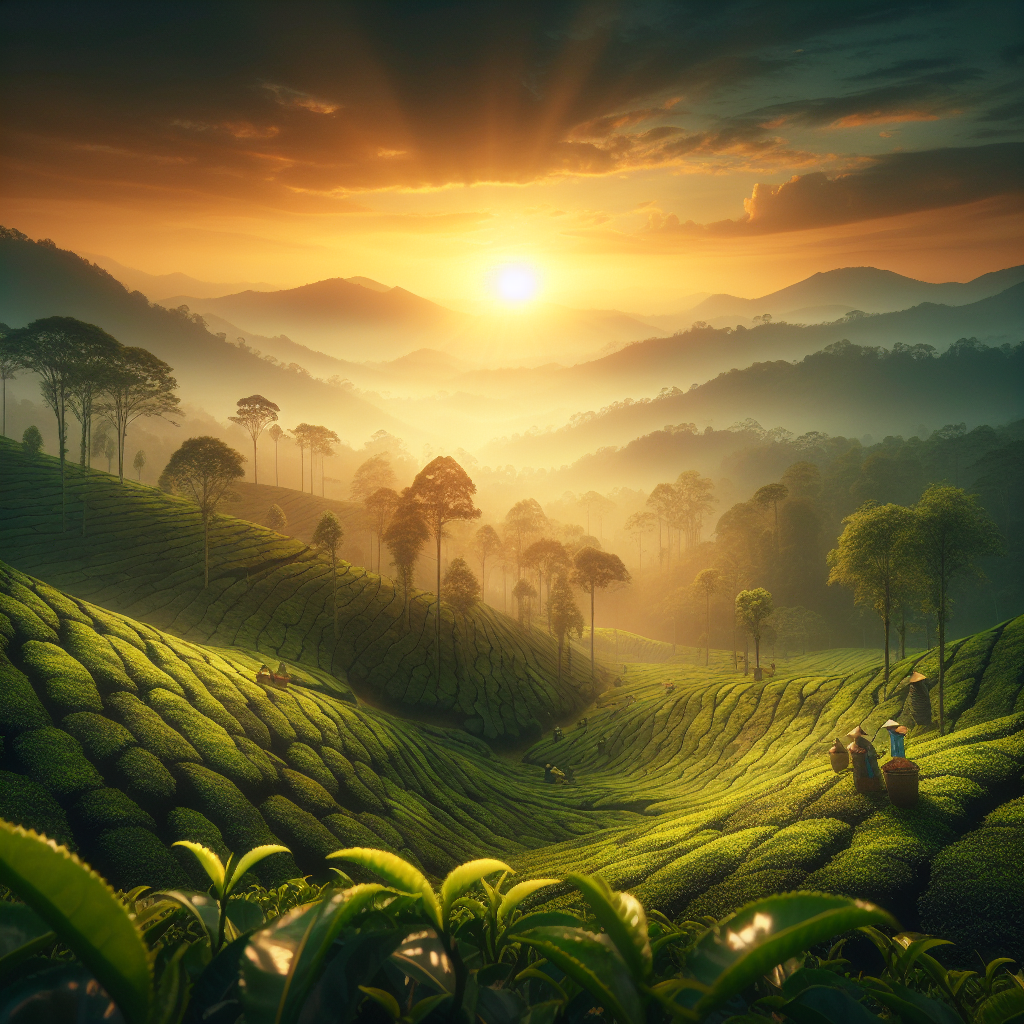
The tea garden of India stands as a living symbol of the nation’s botanical richness and cultural depth. Known for blending nature’s precision with human care, these lush estates stretch across regions like Assam, Darjeeling, Nilgiri, and Kangra. The tea garden of India is not merely a landscape of green slopes; it’s a world of craftsmanship where soil, rain, and temperature converge to create the signature taste of Indian tea. To travelers, tea lovers, and agro-enthusiasts, learning about the tea garden of India is both a sensory and educational journey, rooted in centuries of heritage.
As the second-largest tea producer globally, India’s gardens employ millions and supply diverse varieties — from robust Assams to delicate Darjeelings. Each tea garden of India tells a story of regional character and human tradition. This guide explores how these tea gardens came to dominate the world market, their health and cultural benefits, and quick facts every visitor or connoisseur should know. It is more than a look at plantations; it’s an understanding of living ecosystems that have supported generations, traditions, and economies alike.
Understanding the Legacy of the Tea Garden of India
The tea garden of India dates back to the early 19th century when the British discovered wild tea plants in Assam. This revelation spurred a booming industry that shaped not just the economy but also the social fabric of the Eastern and Southern hills. Today, tea gardens cover more than 550,000 hectares across the country, playing a vital role in both domestic supply and exports.
Historic Evolution of Indian Tea Gardens
When discussing the history of the tea garden of India, it’s impossible not to mention the British colonial influence. The East India Company shifted tea cultivation from China to Indian soil, recognizing the local climatic advantages. Places like Jorhat and Dibrugarh in Assam became experimental grounds that soon expanded into thriving estates. Darjeeling, a former hill station, transformed into the “Champagne of Teas.” Meanwhile, Nilgiri tea gardens developed their identity by merging South Indian terroir with meticulous plucking techniques.
Key Milestones in the Growth of the Tea Garden of India
Milestones define the legacy of each tea garden of India. By the late 1800s, India was leading the world in tea exports. Post-independence, indigenous cooperatives replaced colonial ownership, giving rise to a more inclusive system where small farmers thrived. The Tea Board of India standardized quality and protected appellations such as “Assam Orthodox” and “Darjeeling Tea.” The evolution continues today with organic certification, eco-conscious cultivation, and modern agro-tourism initiatives.
Geographical Diversity and Signature Gardens
Each region’s geography gives the tea garden of India its unique flavor. From misty Himalayan slopes to sun-soaked plains, environmental factors influence the character of tea leaves. Below are the regions most often celebrated for their contributions to the tea legacy.
Assam: The Heartland of Bold Flavor
Located along the Brahmaputra Valley, Assam boasts the largest contiguous area for the tea garden of India. The humid climate, loamy soil, and low-altitude terrain yield strong, malty teas favored for breakfast blends. Visiting estates like Jorhat Tea Garden or Halmari offers insight into state-of-the-art withering and rolling techniques. Assam’s tea gardens operate year-round and sustain entire rural economies, showcasing the intersection of tradition and technology.
Darjeeling: The Himalayan Jewel
In the foothills of the Eastern Himalayas, Darjeeling’s tea gardens produce lighter, aromatic teas globally recognized for their “muscatel” note. The tea garden of India in Darjeeling typically operates between 600 to 2000 meters above sea level. High altitude slows leaf growth, locking in complex compounds that define premium flavor. The region’s gardens, including Makaibari and Glenburn, are also pioneers in sustainable practices — an example of biodiversity harmonizing with commerce.
Nilgiri: The Southern Expression
Set in Tamil Nadu’s blue hills, Nilgiri’s tea gardens deliver fragrant, brisk teas known for clarity in cup. Here, the tea garden of India adopts a round-the-year plucking schedule due to the equatorial climate. Nilgiri blends often end up in iced teas and flavored varieties because of their smooth finish. Tourists love the scenic path from Ooty to Coonoor, dotted with estates offering factory tours and tastings.
Kangra and Dooars: The Hidden Chapters
The tea garden of India extends even further. Kangra Valley in Himachal Pradesh revives its century-old heritage with artisan green and oolong teas. The Dooars-Terai belt in West Bengal complements Assam’s production, ensuring a steady supply of CTC (crush-tear-curl) teas for domestic demand. These lesser-known tea gardens add diversity to the national profile and represent the adaptability of Indian cultivation practices.
Benefits of Exploring and Consuming Tea from Indian Gardens
The tea garden of India provides both tangible and intangible benefits — health, environmental, and socioeconomic. Drinking tea from these regions connects the consumer to a living tradition shaped by climate and care.
Health and Wellness Benefits
Tea from the tea garden of India is rich in antioxidants, polyphenols, and catechins. Regular consumption may reduce the risk of heart disease, aid digestion, and support mental alertness. Green teas from Kangra or white teas from Darjeeling are especially prized for lowering oxidative stress. Herbal infusions cultivated alongside tea gardens — like tulsi blends or lemongrass variants — support immunity and relaxation, reflecting how agriculture and Ayurveda coexist harmoniously.
Economic and Cultural Contributions
Each tea garden of India employs thousands, particularly women in plucking operations. These gardens fund education, healthcare, and housing for local communities. On a cultural level, tea ceremonies and fairs — such as those in Assam’s Jorhat Tea Festival — celebrate local craftsmanship. The gardens thus serve as both business ecosystems and community networks that preserve ethnic diversity.
Environmental Sustainability
Modern tea gardens focus on sustainability through organic fertilizers, waste management, and rainwater harvesting. The tea garden of India has demonstrated how heritage industries can evolve with environmental responsibility. Estates like Happy Valley in Darjeeling and Chamraj in Nilgiri convert pruned branches into compost, minimize pesticide use, and protect pollinators. This approach positions Indian gardens as global leaders in environmentally conscious farming.
Guide to Visiting a Tea Garden of India
Visiting a tea garden of India can be transformative. Observing skilled laborers, tasting fresh brew, and walking amid rows of Camellia sinensis plants reveals the beauty behind each cup. Here’s how one can plan a thoughtful, responsible trip.
Planning Your Tea Trail Itinerary
Start with regional preference. The tea garden of India in Darjeeling offers panoramic mountain views, while Assam delivers riverine plains and wildlife sanctuaries nearby. The Nilgiri trail promises serene drives through eucalyptus forests. Visitors should choose guided tours certified by the Tea Board of India to ensure authentic experiences. Consider staying at heritage bungalows like Burra Bungalows or Glenburn Lodge to immerse completely.
Responsible Travel Practices
Traveling through a tea garden of India demands mindfulness. Avoid littering and respect private estate rules. Support local guides and crafts. Buy directly from gardens to ensure fair pricing. Using refillable cups, conserving water, and engaging with plantation workers respectfully can turn tourism into support for culture and environment.
Photography and Cultural Etiquette
When photographing a tea garden of India, always seek permission — especially when capturing workers. Morning light enhances tea-leaf textures and rolling hills. Refrain from disrupting production zones. Remember that each plucker’s rhythmic motion is part of a community tradition passed down over generations, deserving full respect.
Quick Facts About the Tea Garden of India
Here are concise insights that help travelers and tea enthusiasts appreciate the scale and identity of the tea garden of India:
- India produces over 1.3 billion kilograms of tea annually.
- The majority of tea garden laborers are women.
- Darjeeling has 87 recognized tea estates with GI (Geographical Indication) status.
- Assam accounts for more than 50% of total production.
- Organic and fair-trade certifications are rising across Southern gardens.
- Average yields per hectare have tripled since the 1970s due to improved processing.
- Eco-tourism in tea gardens supports sustainable livelihoods.
Modern Innovations Revitalizing the Tea Garden of India
Beyond tradition, technology is reshaping how the tea garden of India operates. Automation in leaf sorting, artificial intelligence for pest detection, and blockchain tracking for authenticity are slowly becoming norms in premium estates.
Digital Traceability and Quality Assurance
Top exporters now embed QR codes on packaging, allowing buyers to trace back to the exact tea garden of India where leaves were plucked. This transparency improves trust and quality control. For instance, the Tea Research Association collaborates with estates to track soil health through smart sensors.
Women Leadership and Entrepreneurship
In many tea gardens, women now lead cooperatives and innovation centers. Their management has enhanced community welfare and improved product quality. This socio-economic shift symbolizes empowerment within the heritage framework of the tea garden of India.
Organic Transition and Branding
Organic movement pioneers are redefining what the tea garden of India stands for. Mugapara Tea Estate and Selim Hill are transitioning towards regenerative agriculture, reducing carbon footprints while creating marketing stories aligning with responsible luxury. Consumers globally identify such brands as symbols of authenticity, making India competitive with Japanese and Chinese teas.
For deeper insight into ancient rituals and stories behind tea, explore Tea History from teastory.blog or learn about Tea Cultivation practices relevant to these gardens. External resources such as Tea Board of India and FAO provide broader agricultural insights on sustainable tea policies globally.
Conclusion: The Continuing Story of the Tea Garden of India
The tea garden of India embodies balance — between people and nature, science and art, heritage and innovation. Whether you sip a steaming cup of Assam or the light fragrance of Darjeeling first flush, you’re experiencing the outcome of centuries of human dedication. From soil health to worker welfare, every detail contributes to India’s stature as a global tea leader. The tea garden of India is not simply an agricultural concept; it’s a cultural pilgrimage—where every leaf tells a story of resilience, artistry, and eternal green beauty.
Frequently Asked Questions
What makes the tea garden of India globally unique?
The tea garden of India benefits from extraordinary climatic diversity—ranging from tropical plains to cool Himalayan slopes. This range produces teas of varied character: strong, brisk, or floral. Furthermore, centuries of expertise in hand-plucking and processing ensure consistent quality. The intertwining of culture, ecology, and innovation contributes to its global appeal.
Which regions should I visit to experience the best tea garden of India?
Start with Darjeeling for its aromatic variety, then explore Assam for robust strength and Nilgiri for balanced fragrance. Nearby Kangra also offers boutique organic teas in scenic surroundings. Each tea garden of India offers distinct tourist trails, from hillside plantations to heritage bungalows.
How can I buy authentic tea from a trusted tea garden of India?
Always look for packaging with the Tea Board of India logo or GI tags like “Darjeeling Tea.” Buying directly from estates or certified online platforms ensures authenticity. Some brands share traceability links showing the exact origin tea garden of India where leaves were harvested, preserving transparency and consumer trust.
What health benefits are associated with drinking teas from a tea garden of India?
Teas from these gardens are rich in antioxidants that help prevent cell damage and reduce cholesterol. Regular consumption supports metabolism, hydration, and cognitive balance. Whether black, green, or oolong, every tea garden of India contributes uniquely to wellness due to its climate-driven nutritional variations.
Are tours of the tea garden of India open to visitors year-round?
Most estates welcome visitors from March to November, which corresponds to primary plucking seasons. Avoid monsoon months in Assam or peak winter in Darjeeling. Many gardens offer guided factory visits and tasting sessions, providing hands-on experience in the lifecycle of the tea garden of India.
How does climate change affect the tea garden of India?
Erratic rainfall, rising temperatures, and pest outbreaks challenge yields and flavor profiles. To counter this, the tea garden of India is adopting sustainable irrigation, shade-tree planting, and soil monitoring technologies. Research institutes work closely with planters to mitigate climate risks while preserving signature taste characteristics.
Can the tea garden of India influence sustainable tourism?
Absolutely. Tea tourism combines learning with conservation. Visitors engaged in eco-lodges and organic experiences contribute directly to local economies. By supporting such initiatives, travelers help preserve biodiversity, cultural rituals, and the livelihoods dependent on the tea garden of India.
How do local communities benefit from the tea garden of India industry?
Communities enjoy stable employment, educational access, healthcare, and cooperative ownership models. The tea garden of India creates generational continuity—ensuring residents grow alongside their land. Specifically, women gain financial independence through plucking, crafting, and entrepreneurial opportunities tied to these plantations.
Is there any difference between teas grown in North and South India?
Yes. Northern gardens like Darjeeling produce mild and floral teas due to high altitude, while Southern gardens like Nilgiri deliver rounder, brisk flavors. Despite this variation, every tea garden of India adheres to meticulous standards, maintaining India’s reputation as the world’s most versatile tea-growing nation.







Leave a Reply