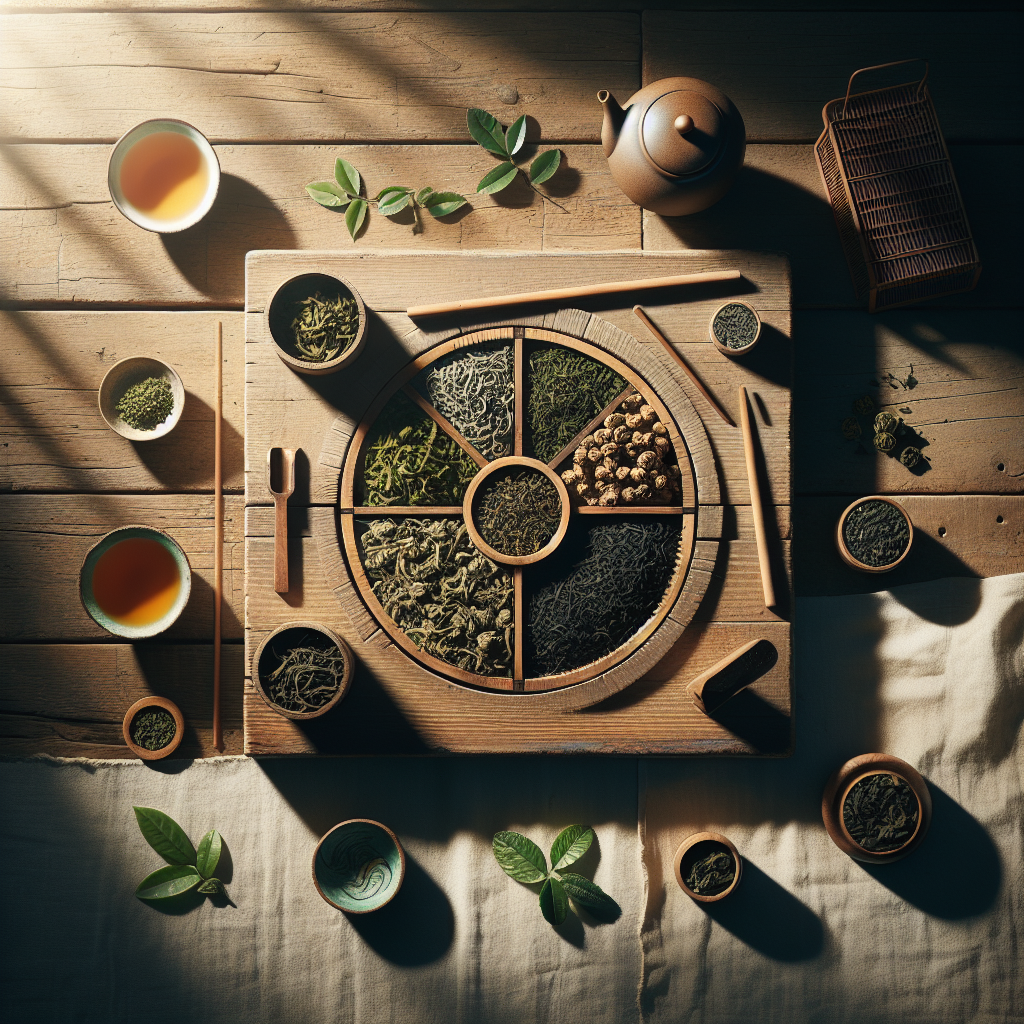
Understanding tea processing is an enriching way to appreciate the world’s most consumed beverage after water. From hand-plucked leaves on a misty hillside to the fragrant infusion in your cup, each step in tea processing shapes taste, aroma, and quality. Whether you enjoy green, black, oolong, or white tea, all varieties start with the same humble leaf — Camellia sinensis — yet end up tasting completely different due to how that leaf is processed. This guide explores the entire journey, demystifying the science, art, and benefits of that transformation.
Tea processing is more than just a sequence of factory or farm steps; it is a cultural expression, an agricultural tradition, and a significant economic driver for regions across Asia, Africa, and South America. For centuries, tea artisans have perfected intricate methods that balance ancient craftsmanship with modern technology. This article serves as a full guide — a resource to understand the fundamentals of tea processing, its benefits, and quick facts that every tea enthusiast, grower, or consumer should know.
By exploring each stage — from withering and oxidation to firing and grading — you will gain the clarity needed to select higher-quality teas, experiment with homemade versions, and recognize what sets superior teas apart from the ordinary. Let’s delve into the heart of tea processing and unravel the subtle mastery behind every sip.
The Core Stages of Tea Processing
Although methods vary by type and region, all tea processing systems share key foundational stages. These processes determine the leaf’s level of oxidation, color, and character. Understanding these core stages is the basis for assessing quality and learning how teas like Darjeeling, Matcha, or Tie Guan Yin differ.
Withering: The Beginning of Transformation
Withering is the first critical step in tea processing. Freshly plucked leaves contain nearly 75% water content, and withering gently reduces this moisture to make the leaves pliable and ready for further handling. The leaves are spread out thinly in troughs or bamboo trays, and air is circulated either naturally or mechanically. Skilled artisans observe texture, fragrance, and leaf weight as indicators of readiness. Under-withered leaves can result in harsh flavors, while over-withered leaves may lose vigor and brightness. The goal is balance — a soft leaf that retains vitality yet becomes mellow enough for rolling.
Rolling and Maceration: Releasing the Essence
After withering, rolling or maceration bruises the leaf structure, releasing polyphenols and enzymes vital for developing tea’s flavor compounds. In traditional tea processing, rolling is done manually using circular movements that twist and break cell walls delicately. Some factories employ rolling machines that mimic these motions consistently. The rolled leaf begins to release aroma, and subtle oxidation starts occurring. For teas like black or oolong, this step dictates the strength and richness of the eventual liquor.
Oxidation: Defining Flavor and Color
Oxidation, also called fermentation (though no microbial activity occurs), is the hallmark of tea processing diversity. This is where enzymatic reactions darken the leaf, creating varied teas like black, oolong, or partially oxidized variants. Oxidation time and temperature are tightly controlled; short oxidation produces greener, lighter teas, while extended periods yield deeper, malty or caramel notes. The leaves are kept in a humid environment, often on bamboo trays, until the desired aroma develops. Timing here distinguishes an expert tea master from an average processor.
Fixation and Drying: Locking in Aroma
Once oxidation reaches the intended level, fixation (also called firing or kill-green) halts enzyme activity. In green tea processing, this step preserves the fresh vegetal profile by quickly heating the leaves through pan-firing or steaming. In contrast, black teas undergo gradual drying to enhance toasty depth. Modern equipment uses air dryers or rotary dryers for consistency. Proper fixation ensures stability, preventing spoilage and locking in the tea’s signature aroma and color permanently.
Advanced Insights into Tea Processing Techniques
As global demand for fine teas grows, techniques have evolved to merge traditional wisdom with scientific precision. Each culture refines its own version of tea processing, often guided by terroir, leaf type, and intended flavor.
Regional Styles of Tea Processing
Different tea-growing regions developed unique variations of tea processing to match their climate and available technology:
- Chinese Techniques: Chinese green tea is most often pan-fired to halt oxidation. For example, Longjing (Dragon Well) uses hand-pressing in hot woks for its flat leaf shape.
- Japanese Techniques: Japan’s steamed method yields teas like Sencha and Gyokuro with vivid green colors and umami notes.
- Indian and Sri Lankan Styles: Fully oxidized teas like Assam and Ceylon rely on robust withering and extended firing at high heat.
- Taiwanese Oolong Artistry: Skilled semi-oxidation and repetitive rolling define famous oolongs such as Dong Ding.
Modern Innovations Enhancing Tea Processing
Contemporary technology improves consistency and quality control in tea processing. From temperature-controlled withering systems to computer-monitored dryers, manufacturers utilize precise data to replicate artisanal results at scale. Vacuum dryers retain delicate aromatics, while automated leaf graders ensure uniformity for export markets. Sustainability has also influenced modern processing, with more energy-efficient dryers and zero-waste oxidation rooms reducing carbon footprint and environmental impact.
Artisanship vs. Automation
A key discussion in today’s tea industry surrounds the balance between traditional artistry and mechanical production. Automation reduces labor and waste but can compromise individuality. In contrast, hand-processing, although slower, imbues personality and localized expertise. Many premium brands blend both — using machines for precision stages like drying but relying on human touch for rolling and sorting. This fusion maintains authenticity while ensuring global consistency.
Health and Environmental Benefits from Thoughtful Tea Processing
Proper tea processing not only defines taste but also influences the biochemical composition that contributes to tea’s wellness profile. When tea is processed with care, its antioxidants, flavonoids, and amino acids are preserved effectively.
Retaining Nutrients through Smart Processing
Green teas processed quickly after harvest — often within hours — tend to preserve catechins, known for supporting metabolism and heart health. The careful control of oxidation and heating during tea processing ensures these compounds remain active. Conversely, black teas undergo full oxidation, converting catechins into theaflavins and thearubigins, which have their own benefits for cardiovascular support and gut balance. Consistent drying prevents microbial contamination and guarantees clean, shelf-stable tea leaves.
Eco-friendly Processing Practices
Tea estates worldwide are shifting toward sustainable energy options. Solar dryers, rainwater recycling, and biomass waste utilization are becoming standards in responsible tea processing. Such practices not only conserve ecosystems but also appeal to eco-conscious consumers who expect transparency and traceability in their beverages.
Social and Cultural Benefits
The growth of direct-trade cooperatives ensures local farmers benefit from fair pricing linked to premium tea processing standards. Beyond economics, tea serves as a cultural connector — think of Chinese Gongfu ceremonies or Japanese Chanoyu traditions. Supporting ethically processed teas sustains both the environment and heritage techniques.
Quick Facts about Tea Processing
Below are concise insights that highlight how nuanced and globally significant tea processing truly is:
- All true teas, regardless of color or type, come from the same Camellia sinensis plant. Variety lies in processing differences, not the plant species.
- Oxidation duration can vary from 15 minutes (for some oolongs) to over 6 hours (for strong black teas).
- A skilled tea taster can identify the processing method of a tea simply from aroma and leaf shape.
- Temperature and humidity are more decisive than altitude in determining the success of tea processing outcomes.
- Artisanal factories often reject mechanized leaf cutting to preserve whole-leaf integrity and natural flavor compounding.
- Globally, around five million metric tons of tea pass through some form of industrial tea processing annually.
Visualizing the Workflow
Below is a simplified breakdown to visualize each step in a typical factory:

- Harvesting — fresh leaf plucking during early morning hours.
- Withering — airflow regulation and humidity monitoring.
- Rolling — mechanical or manual leaf distortion.
- Oxidation — monitored exposure for chemical transformation.
- Drying/Firing — heat application to stabilize product.
- Grading and Sorting — size identification and packaging.
Consumer Tips for Appreciating Quality Tea
Once you understand tea processing, you naturally become a more mindful tea drinker. You begin associating subtle taste notes with specific preparation stages.
Choosing High-Quality Teas
Look for leaves that appear whole, glossy, and uniform in size. Dusty fragments can indicate over-processing or mechanical damage. Check labels that highlight origin and method — teas processed by smaller estates often maintain authenticity. When available, visit verified sources such as Tea Board of India or FAO Tea Division for international guidelines on tea processing standards.
Home Experiments
Curious tea enthusiasts can attempt simplified versions at home. Small-batch tea processing can be done with fresh garden leaves (if grown from Camellia sinensis bushes). Try light withering under shade, followed by gentle rolling and drying in an oven below 100°C. The flavor transformation you observe will give you firsthand respect for professional tea artisans.
Related Learning Resources
To extend your knowledge, explore internal guides such as Tea History and Tea Cultivation. These offer deeper cultural and agricultural contexts behind global tea processing trends.
Challenges and Future Directions
The future of tea processing lies at the intersection of tradition and technology. Global climate variations, machine learning, and consumer expectations all push the industry toward adaptive innovation while preserving authenticity.
Climate Influence and Crop Adaptation
Changing weather conditions impact leaf quality and processing efficiency. Increased rainfall or temperature fluctuations influence enzyme activity during oxidation. Tea farmers are experimenting with drought-resistant cultivars and adjusting timing for withering and firing to maintain consistency despite unpredictable conditions. The role of sustainable, resilient techniques is becoming vital for future-proofing tea processing industries.
Digital Traceability and AI Integration
Digitization allows every batch of tea to be traced from bush to cup. Artificial intelligence is increasingly employed to analyze oxidation progress, color uniformity, and moisture. These innovations enhance quality assurance and strengthen consumer trust. Through blockchain-enabled transparency, buyers can confirm ethical sourcing and sustainable processing credentials of their selected tea brands.
Fusion of Traditional Wisdom
Many producers, particularly in Taiwan, Japan, and Kenya, are reintroducing ancestral methods like bamboo-charcoal firing and hand-tossed oxidation. When merged with precision technology, such revival brings depth and identity. The result is premium tea that honors heritage while meeting modern purity standards — true progress without forgetting roots.
Frequently Asked Questions
What is tea processing and why does it matter?
Tea processing refers to the series of steps that turn freshly plucked Camellia sinensis leaves into the finished tea product. It matters because every aspect — from withering to oxidation — determines final flavor, aromatics, and nutritional profile. Without structured processing, leaves would spoil or lose their complexity. Different processing variations create distinct tea types, ensuring diversity from one plant source. Essentially, processing is what transforms raw leaves into the rich beverages we cherish daily.
How does oxidation affect tea processing?
Oxidation is the chemical reaction that naturally occurs when tea leaves are exposed to air after rolling. In tea processing, oxidation controls whether the tea will become black, green, or oolong. Longer oxidation produces dark, full-bodied flavors, while limited oxidation preserves vegetal freshness. Managing temperature, humidity, and duration requires experience and careful observation. Therefore, precise oxidation stages ensure tea flavor consistency batch after batch while preserving beneficial compounds formed during the transformation.
Why is withering essential in tea processing?
Withering is the first transformation step in tea processing. It removes surface moisture and softens the leaves, making them flexible for rolling. Controlled withering also initiates mild enzymatic activity and concentrates internal sugars and sap. This enhances taste depth and aroma development in later stages. If skipped or mismanaged, the tea might taste grassy or underdeveloped. Therefore, withering sets the stage for successful curing and flavor formation throughout the subsequent processing phases.
Can tea processing be done at home?
Yes, small-scale tea processing is possible with simple tools like trays, ovens, and clean space for drying. Home hobbyists grow ornamental Camellia sinensis bushes or source fresh leaves from trusted gardens. Basic withering under shade for several hours, gentle hand-rolling, and low-temperature baking can create a rudimentary version of green or oolong tea. Still, achieving refined results like those from professional factories takes years of training and precise environmental management.
What environmental impacts arise from traditional tea processing?
Conventional tea processing involves significant energy use due to extensive drying and heating stages. In regions relying on coal or wood, this contributes to deforestation and carbon emissions. However, modern eco-conscious processing adopts renewable heat sources and efficient dryers. Composting factory waste, recycling water, and reusing discarded stalks as bio-fuel can dramatically reduce environmental impact while still producing premium tea. Sustainable innovations are helping preserve both planet and product quality simultaneously.
How does tea processing differ for various tea types?
The main difference lies in oxidation duration and heat application. Green tea processing prevents oxidation almost immediately, preserving freshness. Oolong tea undergoes partial oxidation, combining floral and toasty profiles. Black tea experiences full oxidation, leading to bold color and flavor intensity. White tea involves minimal interference — simply withering and drying naturally. Despite shared origins, differences in processing time, technique, and tools yield dramatically unique taste experiences across categories of tea.
What is the future outlook for tea processing technologies?
The future of tea processing will rely heavily on digital integration and sustainability. Smart sensors now monitor temperature and humidity in real time. AI-driven imaging predicts ideal oxidation points, while blockchain secures data for transparency. Automated grading systems classify leaves precisely for international trade. Yet, experts continue valuing heritage craftsmanship — the human element that gives personality to tea. Going forward, the synthesis of eco-technology and artisanal intuition defines the next era of global tea culture.



Leave a Reply