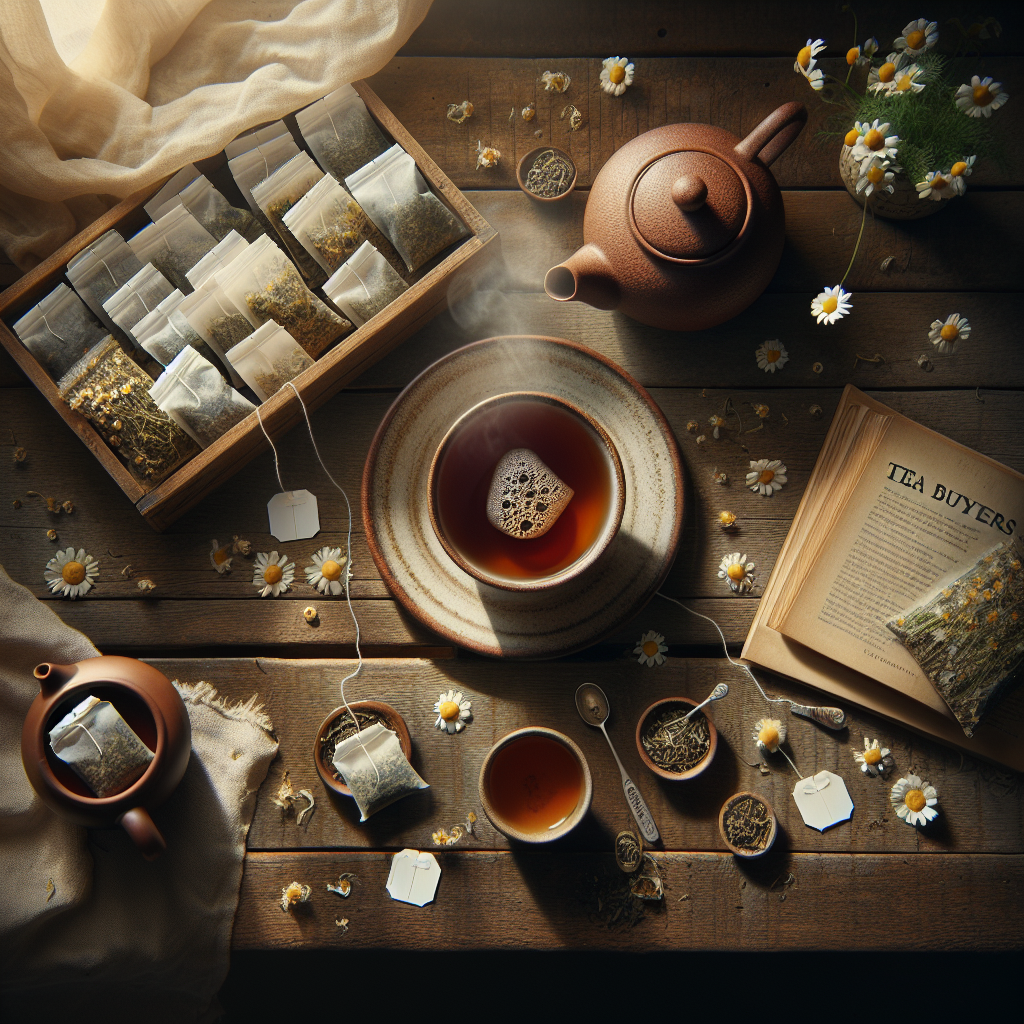
Chamomile tea bags have long been a staple in homes around the world for their gentle aroma, calming properties, and convenience. Whether you’re winding down after a long day or starting your morning with something soothing, these tea bags offer an easy way to enjoy the benefits of chamomile without needing loose leaves or special brewing tools. Many people choose chamomile tea bags for their subtle floral notes and for the relaxation they bring—a natural choice for those seeking balance and comfort in daily routines.
This review and buying guide focuses on helping you choose the best chamomile tea bags for everyday use. Besides exploring top brands, quality markers, and brewing methods, we’ll also cover how to identify organic and ethically produced tea, compare flavors, and understand the shelf life of various options. Whether you’re new to chamomile tea or upgrading to a better brand, this guide aims to be your reference for an informed purchase.
Understanding the Appeal of Chamomile Tea Bags
Chamomile tea has a legacy that goes back thousands of years, used traditionally as a natural remedy for relaxation, digestion, and overall wellness. Today, chamomile tea bags make the process simpler, offering a pre-measured and mess-free way to steep the perfect cup. The appeal is twofold: practicality and purity. The texture and fragrance of premium chamomile flowers remain intact in high-quality chamomile tea bags, making them ideal for daily wellness rituals.
The Growing Popularity of Herbal Convenience
Herbal teas gained momentum as health-conscious consumers began seeking caffeine-free alternatives to black or green tea. Chamomile tea bags, in particular, serve the dual purpose of convenience and consistency. Since most bags contain a standardized portion, you can expect the same mild golden liquor and balanced floral aroma every time. This reliability is key to developing a daily mindfulness or bedtime ritual, which many find deeply relaxing.
Comparing Loose Leaf vs. Bagged Tea
While tea purists often prefer loose-leaf forms, chamomile tea bags appeal to those who prioritize simplicity. Loose chamomile can sometimes be messy, requiring fine strainers and precise measurements. However, bagged chamomile still offers excellent flavor when sourced properly. Look for whole flower pieces in the bag rather than dust or powder—this indicates a fresher product with more essential oils intact.
Key Factors to Consider When Buying Chamomile Tea Bags
To select the best chamomile tea bags, it’s essential to go beyond branding and packaging colors. Here are the aspects that truly matter when making your decision.
1. Ingredient Quality and Origin
Chamomile varieties differ based on where they are cultivated. German chamomile tends to produce sweeter notes, while Egyptian chamomile often offers a more apple-like fragrance. Seek brands that clearly list the origin of their blooms. Transparency signals quality and ethical sourcing. Organic certification is another mark of reliability, reducing exposure to pesticides and supporting more sustainable farming.
2. Packaging and Freshness
Air-tight packaging preserves the delicate essential oils that give chamomile its aroma. Individually wrapped chamomile tea bags ensure longer-lasting freshness and convenience for travel. Avoid plastic-heavy or bleached paper bags if possible, as eco-friendly alternatives often complement the purity of the tea itself.
3. Flavor Profile and Aroma Evaluation
The natural flavor of chamomile should taste lightly floral with apple or honey undertones. Bitter or flat notes may indicate lower quality or oxidation from prolonged exposure to air. Try comparing a few brands side-by-side—brew them simultaneously for one consistent steeping time to identify which chamomile tea bags deliver your ideal cup.
Top-Rated Chamomile Tea Bag Brands
We tested and researched several market leaders to shortlist options offering consistent flavor, ethically sourced ingredients, and reliable packaging.
Twinings of London Chamomile
Twinings offers accessible and widely available chamomile tea bags with a dependable taste profile. Smooth, fragrant, and not overpowering, these bags suit beginners who want simplicity with a classic twist. The brand’s long history of tea blending adds an assurance of uniform quality. Visit the Twinings official website for more about their sustainability practices.
Celestial Seasonings Honey Vanilla Chamomile
Celestial’s version enhances classic chamomile with hints of vanilla and honey, making it a wonderful after-dinner tea. The bags are stringless and sealed in recycled paper boxes, aligning with eco-friendly standards. Ideal for those who like a slightly sweet touch without adding sugar, this blend remains gentle yet flavorful enough for repeated daily use.
Pukka Love and Night Time Blends
Pukka’s chamomile tea bags include a mix of lavender and valerian root. They target deep relaxation and improved sleep quality. While not a traditional pure blend, Pukka’s organic certifications and fair trade practices appeal to the mindful consumer seeking both health and ethics in one cup. Learn more about their herbal sourcing through Pukka Herbs.
Stash and Bigelow: Reliable Everyday Classics
Brands like Stash and Bigelow focus on consistency. Their chamomile tea bags steep well in both hot and cold water, making them versatile. Bigelow’s individually wrapped options are particularly travel-friendly and easy to store. Each bag releases a golden hue and delicate floral scent that remains stable over long shelf periods.
How to Brew the Perfect Cup Using Chamomile Tea Bags
Brewing technique affects the final flavor balance, aroma release, and perceived strength of chamomile tea. Correct steeping ensures you maximize relaxation and sensory pleasure with each cup.
Water Temperature and Steeping Time
Use water just below boiling—around 95°C (203°F). Steep one chamomile tea bag for four to six minutes. Cover the cup to retain volatile oils that contribute to fragrance and healing properties. Over-steeping can make the tea taste woody, so stay mindful of time.
Recommended Serving Styles
- Add a slice of lemon to brighten the floral notes.
- Complement with honey if you prefer sweetness.
- For iced tea, steep two chamomile tea bags, chill thoroughly, and pour over ice with mint.
- Mix with green or rooibos tea for layered complexity.
Storing Chamomile Tea Bags for Freshness
Store unused tea bags in a cool, dry, and dark place. Avoid storing near spices or coffee as chamomile can easily absorb external scents. If using a tea caddy, ensure it has a tight lid to protect your stock from moisture and light degradation.
Health Benefits and Wellness Uses
Chamomile tea has long been linked to relaxation and better sleep, but there’s more to it. When used regularly, chamomile tea bags may contribute to digestive health and stress management.
Relaxation and Stress Relief
The compounds found in chamomile, such as apigenin, are known to support sleep and calmness. A nightly cup can gradually improve sleep cycles and reduce mild anxiety symptoms. Many users find it an ideal part of their bedtime ritual—gentle yet effective without caffeine’s stimulating effects.
Digestive Comfort and Skin Benefits
Drinking chamomile tea bags after meals aids digestion and helps minimize bloating. The anti-inflammatory nature of chamomile may soothe minor stomach discomforts. Some even use cooled chamomile infusions for mild skin irritation; a cooled tea bag can serve as a compress for tired eyes or sensitive patches of skin.
Safety and Recommended Intake
While generally safe, those allergic to ragweed should approach with caution. Most sources recommend no more than two to three cups daily for regular users. Pregnant individuals should consult their healthcare provider before consuming herbal teas containing chamomile due to possible sensitivities.
Comparing Price, Value, and Sustainability
Chamomile tea bags vary from affordable grocery store options to luxury organic collections. Understanding the relationship between cost and quality helps you pick a brand that aligns with your daily consumption habits.
Budget-Friendly vs. Premium Choices
Budget packs offer good taste and practicality but may use smaller flower particles. Premium brands often invest in organic certification, biodegradable packaging, and direct-farm relationships. For daily use, a mid-tier brand combining freshness and eco-consciousness delivers balanced value.
Environmental Responsibility and Ethical Sourcing
Look for brands supporting fair labor conditions and sustainable agriculture. Plastic-free sachets and recyclable boxes reduce ecological impact. Choosing eco-friendly chamomile tea bags ensures your relaxation routine doesn’t contribute to environmental stress.
Expert Tips for Getting the Most Out of Chamomile Tea Bags
Simple practices can enhance aroma, flavor, and routine enjoyment while maximizing the health benefits of your tea.
Enhancing Taste Naturally
Experiment with pairing flavors: cinnamon, cardamom, or lavender can complement chamomile’s base. Steep a second time to reduce waste—the second infusion tends to be gentler but still aromatic. Always use fresh filtered water; minerals and chlorine significantly influence your cup’s final character.
Mindful Drinking as a Daily Ritual
Slowly sipping chamomile tea bags while focusing on aroma and warmth promotes mindfulness. Many people replace afternoon caffeine with this beverage to avoid energy crashes later. Pair with light reading or quiet music for a grounding experience that encourages mental stillness.
Chamomile Tea Bags in Modern Wellness Routines
From urban professionals to holistic health enthusiasts, chamomile tea bags are being integrated into self-care regimes worldwide. Office employees use them mid-day to reduce stress without turning to coffee, while yoga practitioners find them ideal for post-session hydration. A consistent practice of drinking this tea reinforces relaxation habits and offers a short, easily accessible pause from digital overload.
Conclusion: Choosing the Right Chamomile Tea Bags for Daily Use
Finding your perfect pack of chamomile tea bags is more personal than purely functional. It depends on your taste preferences, ethical values, and desired health outcomes. Pay attention to ingredient source, freshness, and aroma when purchasing, and you’ll discover that even a simple tea can elevate your daily well-being routine. By integrating this humble beverage into your day, you cultivate small but meaningful habits that nurture calm, clarity, and comfort.
For further reading on tea culture and background, explore Tea History – teastory.blog or delve into Tea Cultivation Practices to learn how origins shape flavor complexity.
Frequently Asked Questions
Are chamomile tea bags safe for daily consumption?
Yes, for most people, chamomile tea bags are safe for daily use. They are naturally caffeine-free and soothing, making them a better choice than processed beverages. However, moderation is key—two to three cups per day are sufficient for relaxation and digestive support. People allergic to ragweed or certain flowers should exercise caution or consult a doctor before drinking. Consistent use can promote restful sleep and balanced wellness without dependency or side effects.
What is the best way to store chamomile tea bags?
Keep chamomile tea bags in an airtight container away from light, moisture, and strong odors. Ideally, store them in a pantry or cupboard, not near stovetops or window sills. Exposure to air oxidizes the delicate oils, dulling both flavor and aroma. Using airtight tins extends freshness up to a year. Avoid refrigeration unless you live in a humid environment, as condensation can cause mold or flavor degradation.
Can I reuse chamomile tea bags for a second brew?
Absolutely. Chamomile tea bags often produce a lovely second steep that’s lighter and smoother. Simply add fresh hot water and steep for a minute longer than your initial brew. The flavor won’t be as strong, yet it remains pleasant and calming. Reusing also helps minimize waste, especially with premium organic varieties. Some users refrigerate used tea bags overnight to use later for a refreshing iced version or cooling eye compress.
Are organic chamomile tea bags worth the extra cost?
Organic chamomile tea bags tend to cost more due to their cultivation standards and certifications. However, many tea lovers find the difference noticeable: richer floral notes and fresher taste without chemical residues. If you drink chamomile regularly, investing in organic brands may enhance both flavor and peace of mind. Additionally, organic farming practices support ecological sustainability, benefiting farmers and ecosystems worldwide.
Do chamomile tea bags help with digestion and sleep?
Yes, chamomile tea bags are traditionally known for aiding digestion and supporting better sleep. Their anti-inflammatory properties calm the stomach lining, while mild sedative compounds promote relaxation. Drinking a cup after dinner can settle your digestive system and prepare your body for rest. Individual effects vary, but regular evening consumption often results in improved sleep cycles and general mood balance, making it a natural nightly companion.
How do I choose the most aromatic chamomile tea bags?
Select brands that clearly state flower origin and use whole dried blooms rather than fine dust. Check packaging dates and storage descriptions to ensure freshness. When brewed, high-quality chamomile tea bags release a golden hue and a distinctly sweet, floral fragrance reminiscent of fresh apples. If an aroma feels dull or bitter, it might be from stale or low-quality material. Experiment with small packs before buying larger quantities.
Can chamomile tea bags be used for skincare or haircare?
Yes, cooled chamomile tea bags can serve multiple self-care roles. Applying them over tired eyes helps reduce puffiness, while using steeped tea as a hair rinse adds softness and shine. Chamomile’s gentle anti-inflammatory properties soothe irritated skin. Always test on a small patch first to avoid allergic reactions. These additional uses make chamomile a versatile herbal ally extending beyond simple beverage enjoyment, integrating naturally into home wellness routines.
What is the shelf life of chamomile tea bags?
Sealed chamomile tea bags typically last between 12 and 24 months, depending on packaging type and storage conditions. Always check expiration dates printed on boxes. As chamomile ages, it loses essential oils, leading to weaker flavor and aroma. For optimal enjoyment, consume within the first year after opening. If the tea smells musty or looks pale compared to fresh batches, it’s time to replace it with a new supply for best results.




Leave a Reply