
Tea, one of the most cherished beverages across cultures, offers both comfort and mindfulness in every cup. Learning the tea making process not only enhances your appreciation of this remarkable drink but also helps you extract its full flavor and health potential. Whether you are steeping loose leaves, blooming a fragrant flower tea, or carefully whisking matcha, understanding the right method ensures a satisfying and harmonious experience with every pour.
In this comprehensive guide, we’ll explore everything you need to know about the tea making process—from leaf selection and water temperature to steeping times and cultural brewing practices. We’ll also touch on its many benefits, offer scientific insights, and provide real-world examples to help you craft the perfect cup at home or for professional service. By the end, you’ll have a rich understanding of how each decision, from water source to teapot choice, shapes the final infusion.
Understanding the Tea Making Process
The tea making process begins with understanding the basic components that influence taste, aroma, and body. Tea is not a single formula but a blend of nature, skill, and timing. Black, green, white, oolong, and herbal teas each require distinct techniques. The process typically involves four essentials: water quality, temperature control, tea-to-water ratio, and timing.
Water Quality and Temperature
Water accounts for nearly 98% of your brew, making it a decisive factor in the quality of the tea. The tea making process is most effective with filtered or spring water, as chlorinated or hard water can alter taste. Use a clean kettle dedicated to tea to preserve purity.
- Green tea: 70–80°C to prevent bitterness
- Oolong tea: 85–90°C for delicate oxidation layers
- Black tea: 95–100°C for boldness and color depth
- White tea: 75–85°C to preserve gentle floral notes
Maintaining the correct temperature is an art that defines the tea making process. Too high and delicate teas become astringent; too low and flavors remain undeveloped.
Choosing the Right Leaves and Utensils
High-quality tea leaves are the heart of the tea making process. Freshness, storage, and grade determine the final taste and aroma. Leaves stored in airtight containers away from light and moisture retain more essential oils. The leaf appearance should be whole, not powdery or broken, unless specifically meant for tea bags.
Use utensils that honor your tea. A porcelain or clay teapot maintains temperature evenly, while a glass teapot allows observation of color and bloom. Stainless steel or plastic materials may affect subtle tones. Traditional strainers or cloth filters can be used for loose-leaf versions.
Step-by-Step Tea Making Process
Making tea is an intentional act—one that blends patience and precision. This section walks through the detailed tea making process, helping you balance each element for optimal flavor and enjoyment.
Step 1: Measure Properly
Generally, use one teaspoon of loose leaves per cup or around two grams of tea per 200 milliliters of water. Adjust according to personal preference; stronger infusions require more leaves, not more steeping time. Accurate measurement forms the foundation of a consistent tea making process.
Step 2: Heat and Prepare the Water
Start with cold, oxygen-rich water. Avoid reboiling water, as it loses dissolved oxygen that contributes to a lively brew. Heating should match the temperature guidelines provided for each tea category. The tea making process here hinges on patience—rapid boiling may destroy delicate compounds essential for aroma retention.
Step 3: Steeping and Timing
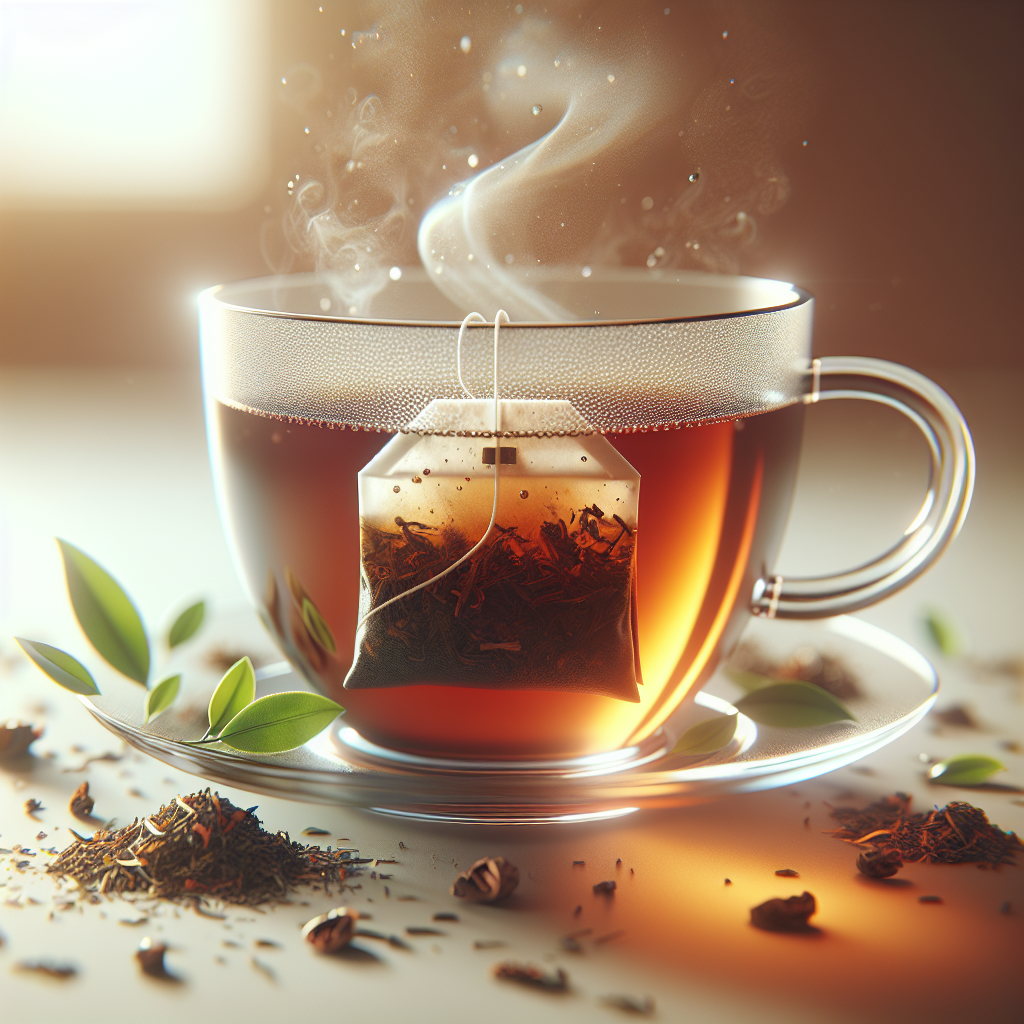
The steeping stage is where chemistry and artistry unite. For green teas, steep 2–3 minutes; black teas, 3–5 minutes; herbal tisanes, 5–7 minutes. Oversteeping releases tannins, creating bitterness. Keep track of time using a timer or intuition developed over years of brewing. In the tea making process, timing ensures the right extraction of polyphenols and flavonoids that contribute to both flavor and health benefits.
Step 4: Serving and Presentation
Pour the tea into a pre-warmed cup to prevent sudden temperature drops. Observing color, aroma, and clarity completes the ritualistic side of the tea making process. Some teas like Japanese matcha or Chinese pu-erh include specific serving techniques that elevate the sensory experience. Presentation can be minimal or ceremonial—both are valid expressions of tea culture.
Benefits of Mastering the Tea Making Process
Practicing and refining the tea making process brings more than just a delicious drink. It nurtures mindfulness, health, community, and sustainability awareness. Let’s explore the main benefits in detail.
Health and Wellness Rewards
Properly brewed tea retains maximum antioxidants, catechins, and L-theanine. These compounds enhance alertness while calming the mind—a rare combination. Studies from the National Geographic Society highlight how tea antioxidants combat oxidative stress, supporting heart and brain health. Green and oolong teas in particular offer metabolic support, while herbal blends like chamomile or peppermint aid digestion and relaxation. By perfecting the tea making process, you optimize these benefits instead of losing them through improper temperature or steep time.
Cultural and Social Value
The tea making process has deep roots in centuries-old traditions. From Chinese gongfu ceremonies to Japanese chadō, these brewing arts represent mindfulness, respect, and harmony. Sharing tea encourages connection, hospitality, and reflection. Even in modern homes, brewing a pot for friends or family nurtures patience and gratitude.
Economic and Environmental Aspects
Mindful tea making encourages sustainable choices—supporting organic farms, fair trade practices, and eco-friendly packaging. Local sourcing reduces carbon footprint while preserving authentic regional flavors. Internal awareness of sustainability extends beyond drinking: reusing leaves for compost, choosing loose-tea options over single-use bags, and limiting water waste improve global impact. The tea making process, done consciously, becomes an act of environmental care.
Scientific Perspective on the Tea Making Process
Modern research supports traditional practices. According to Tea Class Educational Resource, precise brewing temperatures maximize extraction efficiency for essential compounds like EGCG and theanine. The correct tea making process enhances bioavailability, improving nutrient absorption and overall satisfaction. For instance, one study found that steeping green tea for three minutes at 80°C increased catechin potency by 15% over longer boils. Scientists have concluded that small variations in the tea making process yield measurable chemical effects, confirming what ancient tea masters practiced intuitively.
Practical Variations and Examples
Every culture refines its own tea making process. Observing these differences deepens your understanding of both cultural heritage and brewing technique.
Asian Traditions
In China, the gongfu style uses small clay teapots and short multiple infusions. Each pour unveils new layers of taste. Japanese matcha preparation is entirely unique: whisking powdered green tea with bamboo whisks called chasen until frothy, symbolizing purity and discipline. Both rituals represent meditative engagement with the tea making process.
Western and Contemporary Trends
In Western contexts, the tea making process prioritizes convenience—electric kettles, infusers, and temperature settings. However, attention to timing and leaf quality remains essential. Cold brewing, a modern adaptation, uses overnight steeping in cold water to produce smoother, less bitter infusions, perfect for summer consumption.
Fusion and Innovation
Modern tea houses blend traditional knowledge with technology. Automated brewers measure temperatures and adjust steep times automatically. Cafes offer hybrid tea-and-coffee experiences, but at their core lies the same respect for the tea making process—balancing extraction science and sensory appreciation.
Quick Facts About the Tea Making Process
- Tea was first discovered around 2737 BCE in China.
- Over 60 countries produce tea commercially today.
- The tea making process differs by oxidation level and leaf form.
- Caffeine levels depend on leaf variety and steeping time.
- Loose-leaf teas offer higher quality than most bagged versions.
- Filtered water maintains the truest taste profile.
- Temperature control is the key to consistency.
Common Mistakes in the Tea Making Process
Many enthusiasts unknowingly sabotage their tea. Overheating water burns leaves; using tap water introduces off-flavors; neglecting proper cleaning ruins aroma continuity. To master the tea making process, develop consistent habits—always preheat teaware, measure portions, and clean strainers after use. Reusing water or leaves excessively diminishes flavor quality. Record adjustments to identify your ideal parameters for each variety.
Internal Resources and Further Reading
For deeper exploration, visit Tea Cultivation to learn how environmental factors shape flavor, or check Tea Ceremonies for insights on global brewing customs. Both resources complement your understanding of how tradition integrates science in the tea making process.
Creating a Personal Tea Routine
Beyond method, the tea making process can become a cherished personal ritual. Establishing a daily tea routine builds mindfulness, like meditating in motion. Select a calm setting, experiment with multiple varieties, and document each session. Over time, patterns emerge—preferred temperatures, teapots, and infusion lengths become an expression of your taste identity.
Developing Your Tea Palate
A refined palate appreciates subtleties between grassy, floral, nutty, and roasted notes. Participate in tasting sessions or online communities to compare experiences. Understanding regional terroir and oxidation gives you insight into why Sri Lankan black tea differs from Darjeeling or Japanese sencha. Learning the nuances enhances your mastery of the tea making process and cultivates an aesthetic awareness similar to wine appreciation.
Mindfulness Connection
Tea making encourages stillness. The rhythm of boiling, pouring, and sipping allows the mind to slow down. Observing the color change or aroma unfolding transforms routine into meditation. Many tea drinkers consider the tea making process a grounding exercise—connecting sensory awareness to the present moment.
Modern Innovations Supporting the Tea Making Process
Smart brewing devices now sync via apps, enabling precise temperature and timing control. Yet, even with digitization, the sensory feedback—listening to the kettle, smelling the aroma—remains essential. Balancing tradition with innovation keeps the tea making process both relevant and enriching in modern lifestyles.
Frequently Asked Questions
How does the tea making process differ between green and black tea?
The main distinction lies in oxidation. Black tea leaves are fully oxidized, requiring near-boiling water and longer steeping, while green tea is minimally oxidized, needing cooler temperatures and shorter infusions. These differences produce contrasting flavors—malty for black, grassy for green. Both benefit from filtered water, fresh leaves, and attention to timing. Adapting the tea making process for each type maintains flavor balance and ensures optimal antioxidant retention, helping you appreciate their unique profiles.
What is the ideal water temperature in the tea making process?
Temperature depends on tea category. Green and white teas prefer 70–85°C, oolong around 85–90°C, and black or pu-erh near boiling. Too hot, and delicate compounds degrade; too cold, and flavor remains flat. Using a variable-temperature kettle helps precision. Always heat gradually instead of shocking the leaves. Mastering this stage of the tea making process enhances both taste and aroma, providing a more authentic outcome for each infusion.
Can the tea making process affect caffeine levels?
Yes. Caffeine extraction increases with temperature and time. Hotter water and longer steeping produce stronger caffeine content, useful for morning energy. Cooler or shorter infusions yield milder effects, suitable for evening relaxation. Herbal teas without Camellia sinensis have negligible caffeine. Adjusting parameters allows you to adapt the tea making process to your needs, balancing stimulation and serenity without altering the leaf’s core character.
What mistakes should I avoid in the tea making process?
Common pitfalls include reboiling water, using low-quality leaves, neglecting teaware cleanliness, and oversteeping. Tap water often contains minerals that distort flavor, while improper timing releases tannins causing bitterness. Always store leaves away from sunlight and moisture. Evaluating each variable ensures your tea making process produces clear, aromatic infusions. Keeping a small tea journal for temperatures and results helps refine technique systematically over time.
Is the tea making process different for herbal infusions?
Herbal teas, or tisanes, lack true tea leaves but follow similar foundational principles. Most benefit from boiling water and longer steeping—5 to 7 minutes—to extract flavor and nutrients. However, delicate ingredients like rose or lavender need gentler heat to preserve volatile oils. The tea making process here emphasizes ingredient balance and timing to prevent bitterness while retaining aroma and color integrity.
How do cultural traditions influence the tea making process?
Culture shapes ritual, utensils, and etiquette. Chinese, Japanese, and British tea ceremonies showcase distinct symbolism—from mindfulness in matcha whisking to refinement in afternoon tea service. Each tradition highlights the communal role of tea as a connector of people and values. Cultural context enriches the meaning behind the tea making process, elevating it from a routine act to a form of artistic and social expression across continents.
What are expert tips to improve my daily tea making process?
Start with quality ingredients—fresh spring water and loose-leaf tea. Use proper tools like thermometers or insulated pots for consistency. Clean all teaware immediately after use to avoid residue buildup. Experiment by adjusting one variable at a time until you reach your personal balance of body and aroma. Practicing patience, mindfulness, and curiosity ensures your daily tea making process evolves into a rewarding habit of sensory awareness and comfort.

Leave a Reply