
In a world where wellness and ritual meet in a simple cup, black tea bags offer both convenience and consistent quality. They are more than just an everyday beverage item; they represent centuries of craftsmanship, culture, and mindful enjoyment. Whether enjoyed as a brisk morning starter or an afternoon comfort companion, black tea bags make it easy to unlock the robust flavor and energizing qualities of one of the most widely consumed teas worldwide. This article dives deep into how to discover, use, and fully appreciate black tea bags, with essential tips, benefits, and practical insights.
Exploring black tea bags means exploring a balance of accessibility and authenticity. People who love tea often debate loose-leaf versus bagged, but modern innovation has elevated bagged tea to impressive standards. With premium sourcing, sustainable packaging, and nuanced blends, today’s black tea bags suit both traditionalists and newcomers alike. Learning how to choose and brew them right makes the experience more rewarding in flavor, aroma, and health value.
Understanding the Essence of Black Tea Bags
The story of black tea bags starts with the basic ingredient—black tea itself. Derived from the leaves of the Camellia sinensis plant, this type of tea is fully oxidized, giving it its characteristic deep color and bold taste. When packaged into black tea bags, it becomes a symbol of efficiency and consistency in tea-making, allowing every sip to reflect expert production and heritage brewing methods.
Origins and the Rise of Convenience
Black tea has long been associated with countries such as China, India, and Sri Lanka. However, the advent of tea bags, originally an accidental invention in the early 20th century, changed how people consumed tea globally. Black tea bags became a household item by simplifying the steeping process—no strainers or teapots required. This shift was transformative, influencing how tea drinkers approached preparation and enjoyment, especially in fast-paced societies.
Why Black Tea Bags Became a Global Staple
Part of the enduring appeal of black tea bags lies in their reliability. Each bag delivers a pre-measured amount of tea, ensuring the flavor balance stays consistent with every cup. For office workers, travelers, and minimalists, they embody a perfect fusion of tradition and modernity. This consistency has also encouraged tea brands to compete on quality and ethical production, improving the standard of black tea bags worldwide.
How to Choose Quality Black Tea Bags
A great tea experience starts with select quality. Not all black tea bags are crafted alike—some prioritize flavor intensity, others focus on ethical trade or packaging innovation. Understanding what to look for enhances your appreciation and helps you identify premium options.
Reading the Label and Origin
Always begin with the origin. Single-origin black tea bags from regions such as Assam, Darjeeling, or Ceylon often deliver distinctive flavor profiles. For example, an Assam black tea bag typically brews a strong, malt-forward cup ideal for mornings, whereas Darjeeling offers floral and muscatel notes suited to refined afternoons. The label should mention both origin and leaf grade. Avoid generic blends that lack transparency; traceability equals trustworthiness.
Organic and Fair-Trade Selections
Modern consumers are increasingly choosing organic and fair-trade certified black tea bags. These certifications ensure better environmental practices and fair compensation for farmers. By supporting these products, you contribute to a more sustainable tea ecosystem while enjoying clean, pesticide-free infusions.
Packaging Matters
Black tea bags now come in a variety of eco-friendly materials like unbleached paper, biodegradable mesh, or compostable sachets. The goal is to protect freshness while reducing waste. Check whether the brand uses foil-lined envelopes for improved shelf life or natural fiber wrappings free from microplastics. A quality package directly influences aroma retention and overall taste precision.
Brewing Black Tea Bags the Right Way
Consistency in brewing maximizes the benefits of black tea bags. The correct temperature, timing, and serving methods ensure that the full body, tannins, and aroma develop harmoniously.
Optimizing Steeping Time and Temperature
Boil fresh, filtered water and pour over your black tea bags—ideally one bag per cup. Steep for about three to five minutes depending on your strength preference. Too short, and your tea tastes weak; too long, and bitterness takes over. A gentle squeeze at the end helps release trapped flavor without overwhelming the brew. Water temperature should hover just below boiling to balance extraction.
Personalizing the Experience
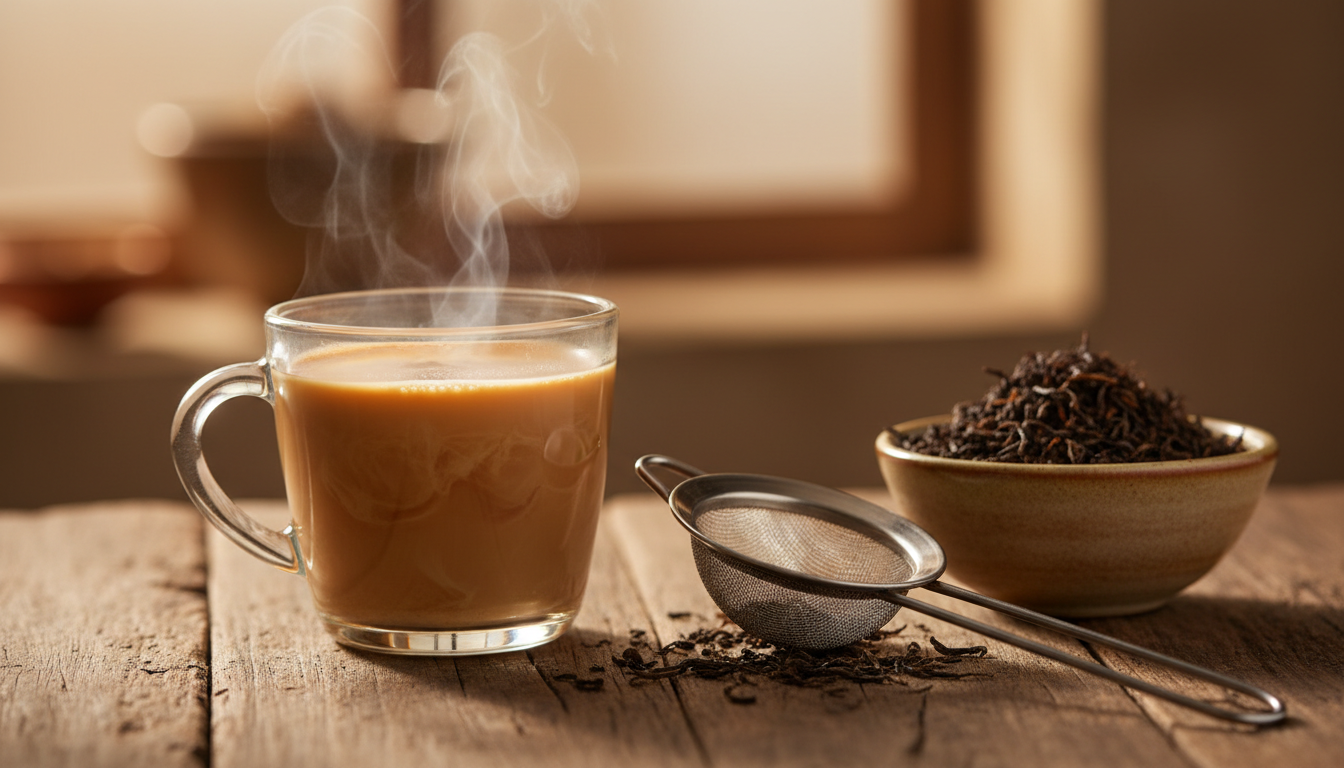
Experimentation leads to perfectly personal results. Try adjusting steeping time, adding a splash of milk, or blending a black tea bag with spices like cardamom or cinnamon. Some tea lovers even cold-brew black tea bags overnight in filtered water for a smoother, less acidic variation. Each technique offers a new sensory perspective.
Serving With Elegance
Use porcelain or glass cups to appreciate visual depth and aroma. Pair your black tea bags with delicate snacks such as butter cookies or fruit slices. This pairing elevates simple moments into mini ceremonies of calm and connection.
Health Benefits of Black Tea Bags
Consuming black tea regularly within moderation can bring measurable health benefits backed by scientific research. Black tea bags are rich in antioxidants such as theaflavins and thearubigins, which promote cellular defense and heart health. Consistent consumption supports focus, digestion, and metabolic balance while delivering modest caffeine energy without the crash of coffee.
Heart Health and Wellness
Studies indicate that daily intake of black tea may help maintain healthier cholesterol levels and enhance blood vessel function. The polyphenols naturally found in black tea bags contribute to this effect, improving circulation and reducing oxidative stress. It’s easy to incorporate these into daily routines—morning brew or midafternoon reset—to give your system a steady rhythm of vitality.
Mental Clarity and Focus
The moderate caffeine content in black tea encourages alertness while L-theanine, an amino acid, promotes relaxation. This unique combination supports mental clarity without overstimulation. Sipping black tea from tea bags at work or during study periods can subtly enhance productivity and calm concentration.
Digestive and Immune Support
Warm black tea is also known to aid digestion by lightly stimulating gastric enzymes and balancing gut flora. The antioxidants align with immune resilience, offering gentle daily protection against stress-induced decline. Incorporating a cup after meals can soothe the stomach and refresh the palate naturally.
Everyday Uses Beyond Drinking
Black tea bags have hidden versatility even outside your cup. Once steeped, they can serve skin, home, and garden purposes, making them an economical and eco-friendly household companion.
Beauty and Skincare Uses
Used black tea bags cooled in the refrigerator can help soothe under-eye puffiness and refresh tired skin. The natural tannins in tea exhibit mild astringent properties, assisting in skin tightening and reducing irritation. You can apply them gently on the skin for rejuvenation after a long day.
Home and Garden Practicality
Dried tea leaves from used black tea bags can enrich compost or repel certain insects. Gardeners often sprinkle them around acidic soil plants like hydrangeas or roses to promote healthy growth. In the kitchen, tea bags can absorb odors in fridges and garbage bins—another simple use derived from the same bag that brewed tranquility.
Exploring Flavors and Blends of Black Tea Bags
Diversity defines the black tea category. Each region and processing technique influences taste, aroma, and color. Knowing these subtleties turns an ordinary beverage into a story-filled encounter.
Popular Types and Pairing Ideas
- Assam: Bold and malty, great with milk and honey.
- Darjeeling: Delicate, slightly fruity, best plain.
- Earl Grey: Infused with bergamot for citrus elegance, pairs well with pastries.
- English Breakfast: Strong and traditional, perfect for hearty breakfasts.
Specialty Blends and Infusions
Brands increasingly experiment by combining black tea bags with herbs, flowers, or spices. Chai blends infuse cinnamon, clove, and ginger for depth. Vanilla or lavender additions soften intensity, creating a balanced and exotic edge. These blends enhance not only flavor but mood, transporting the drinker through scent and taste journeys.
Storage Tips for Freshness
Keep black tea bags in airtight containers away from moisture, heat, and sunlight. Avoid storing them near spices or coffee, as tea easily absorbs external odors. Proper storage preserves the flavor integrity so every brew echoes the same satisfying quality as the first.
Black Tea Bags in Cultural and Social Contexts
Tea transcends regions and generations. In culturally rich environments—from British afternoon teas to Indian chai stalls—black tea bags integrate smoothly into these experiences without losing authenticity.
Modern Rituals and Mindfulness
Many now associate tea brewing with mindfulness rituals, a grounding pause in everyday routine. The simplicity of black tea bags enables moments of reflection anywhere—office, home, or travel. Preparing tea slowly, focusing on aroma and heat, can act as therapeutic meditation.
Community and Sharing
Sharing a pot of tea fosters connection. Using black tea bags in communal gatherings allows consistency in serving, saving preparation time while ensuring quality. It aligns perfectly with the human tradition of hospitality and conversation around warmth and aroma.
Learning More About Tea
To expand your tea knowledge, explore educational resources and in-depth articles. Understanding cultivation, regional variations, and recipe ideas helps refine your taste and appreciation.
- Learn more about ancient tea origins on Tea Association of the USA.
- Explore brewing insights from TeaClass educational platform.
- Discover creative infusions at Tea Recipes – TeaStory.
- Read about old-world tea routes on Tea History – TeaStory.
Conclusion
Choosing and enjoying black tea bags can transform everyday hydration into an artful experience. From the careful selection of origin and packaging to mindful brewing and creative reuses, their simplicity connects modern convenience with ancient wisdom. Whether you’re seeking health benefits, flavor exploration, or cultural mindfulness, black tea bags remain an elegant choice. With informed selection and practice, every cup embodies wellness, awareness, and the deep satisfaction of timeless tradition.
Frequently Asked Questions
What makes black tea bags different from loose-leaf black tea?
Black tea bags use finely broken tea leaves, known as fannings or dust, for a faster release of flavor and color when brewing. Loose-leaf tea, on the other hand, contains whole or large tea leaves that steep slower, offering more layered nuances. Both yield satisfying brews, but black tea bags excel in convenience and portion control. If you value efficiency during a busy workday or travel, bags are ideal. For ceremonial occasions or gourmet exploration, loose-leaf teas might deliver deeper complexity while using similar high-quality leaves depending on the supplier.
Are black tea bags less healthy than fresh loose tea?
The health benefits remain comparable when choosing reputable brands that use minimally processed tea. The antioxidants, such as theaflavins and thearubigins, are intact. However, some commercial black tea bags can include fillers or flavoring agents. Reading labels is key. Organic or certified single-origin teas often sustain higher nutrient preservation. Steeping time also matters: overly steeped black tea may lose subtlety in taste or increase bitterness. When balanced properly, black tea bags deliver convenient wellness without undermining health value.
How many black tea bags can I safely drink per day?
Most experts suggest two to four cups daily are safe and beneficial for adults. This intake supports alertness while keeping caffeine consumption moderate—roughly 40 to 60 mg per cup. Individuals sensitive to caffeine can lower steeping time to reduce concentration. On the other hand, a gentle decaf variant might suit evening routines. Hydration balance, diet, and health conditions should also guide consumption. If in doubt, consult a healthcare professional regarding your optimal black tea intake and avoid excessive reliance for hydration replacement alone.
Do flavored black tea bags contain natural ingredients?
High-quality flavored black tea bags use natural essential oils, herbs, or dried fruits for scent and taste blending. However, lower-end products might rely on artificial additives. You can tell from transparent labeling where components are sourced. If a package lists “natural bergamot oil” or “real vanilla extract,” that’s a sign of natural flavoring. Choose trusted tea companies focusing on honest ingredient sourcing and avoid blends with vague “flavoring” mentions. Remember, the elegance of black tea lies in authenticity and minimal processing for balanced aroma and depth.
Can black tea bags help with weight management?
Black tea’s polyphenols may subtly encourage metabolic activity and improve fat oxidation. Drinking black tea bags without added sugar can support healthy weight management when combined with balanced diet and activity. They offer a satisfying, low-calorie alternative to high-sugar drinks. Moreover, caffeine’s mild stimulation enhances alertness and may reduce fatigue-driven snacking. Although not a miracle solution, incorporating two cups of unsweetened black tea a day provides a supportive beverage for mindful living, keeping hydration enjoyable and nutritionally sound.
How do I properly store my black tea bags for long-lasting flavor?
Preserve your tea’s integrity by keeping black tea bags in an airtight container or resealable pouch. Store them in a cool, dry place away from direct sunlight, strong spices, or moisture. Avoid refrigeration, as fluctuating humidity can damage delicate leaf quality. Many experts recommend opaque tins or ceramic jars with tight lids. Regular rotation—using older stock first—prevents flavor loss. With proper storage, black tea bags can maintain their bright aroma and satisfying taste for more than six months, ensuring each brew stays beautifully consistent.
What water is best for brewing black tea bags?
The best results come from fresh, filtered water free of chlorine or hard minerals. Purified water allows black tea’s natural profile to shine. Ideally, heat it to about 95°C (203°F)—just below boiling—to prevent bitterness. Pouring water over the tea gently encourages even infusion. Avoid reboiling old water, as oxygen loss dulls flavors. Simple attention to water freshness enhances your sensory experience remarkably, turning even ordinary black tea bags into refined, aromatic steeps that reflect expert care and genuine tea appreciation.



Leave a Reply