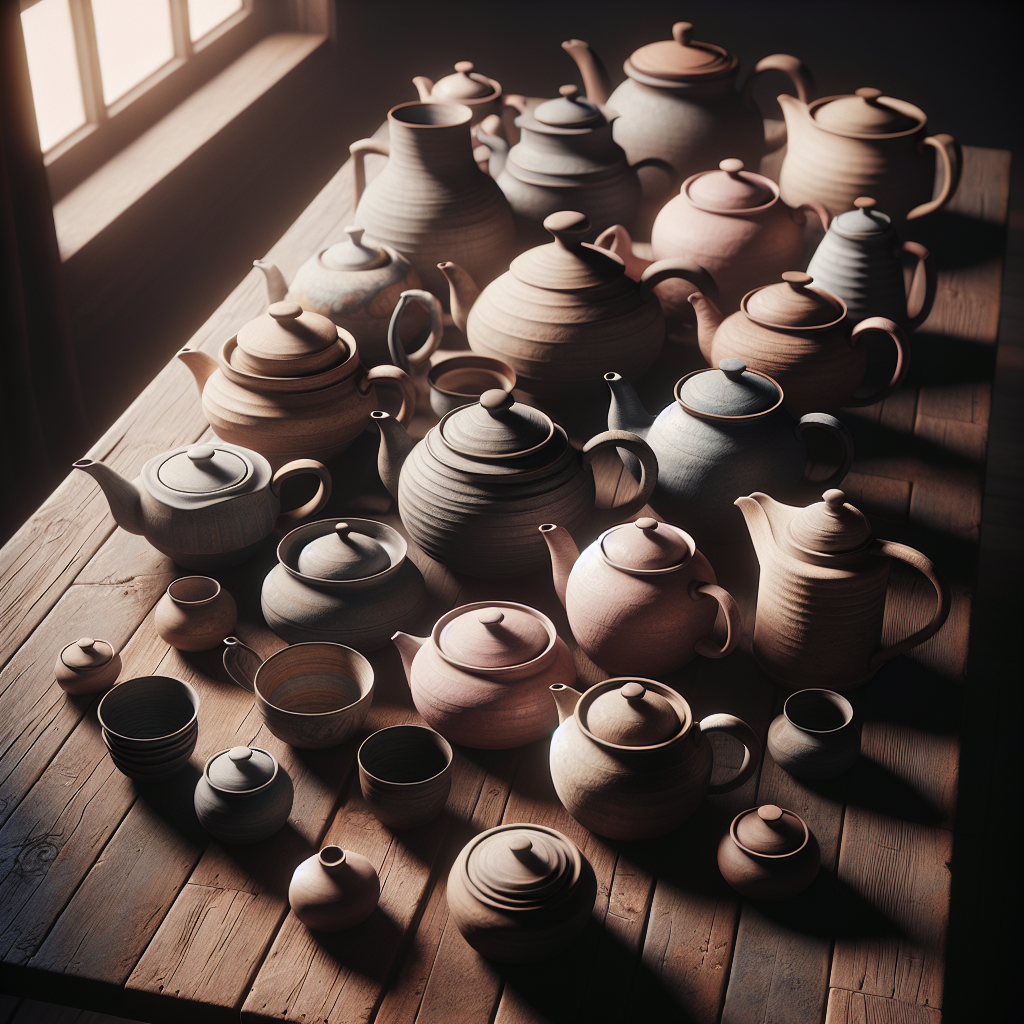
The growing fascination with mindful living has brought renewed attention to the tools we use every day — one of which is the ceramic kettle. Elegant, functional, and steeped in tradition, the ceramic kettle combines craftsmanship with utility, making it a must-have for anyone who savors the art of slow brewing. Whether you’re steeping green tea, herbal infusions, or simply preparing hot water for your morning ritual, choosing the right ceramic kettle can enhance both the flavor of your beverages and the aesthetic of your kitchen. This guide offers trusted buying tips to help you confidently select a ceramic kettle that suits your preferences, budget, and lifestyle.
Shopping for a ceramic kettle is not just about finding a pretty pot. It’s about understanding glazing materials, heat distribution, durability, and even sustainability. Ceramic, unlike metal kettles, retains heat differently and can influence the overall taste and experience of tea. As more consumers shift to eco-conscious living, interest in ceramic kettles continues to rise thanks to their long-lasting design, non-toxic build, and artistic variety. With so many available in the market—from handcrafted artisan pieces to sleek modern designs—knowing what to look for ensures your purchase brings both beauty and value.
Why Choose a Ceramic Kettle?
A ceramic kettle blends form and function seamlessly, offering qualities that elevate your tea-making experience. Let’s explore what makes it a timeless choice and why more tea enthusiasts continue to embrace this material over traditional metallic or plastic kettles.
Aesthetic Appeal
One of the first things you’ll notice when shopping for a ceramic kettle is its visual charm. The smooth glaze, artistic patterns, and range of colors make it more than just a kitchen appliance—it can be a centerpiece on your countertop. Whether you adore minimalist white ceramics or traditional Japanese-style pots, the design versatility of ceramic ensures there’s a kettle that complements any interior style. The tactile pleasure of using a beautifully crafted kettle adds emotional value to your tea routine, transforming simple tasks into small rituals of comfort.
Heat Retention and Pour Control
Unlike thin metal construction, the ceramic kettle offers superior heat retention. Once heated, it keeps water warm longer without continuous reheating. This is especially beneficial for tea drinkers who prepare multiple infusions throughout the day. Its steady temperature also contributes to consistent brewing results. Many kettles come with ergonomic handles and precision spouts, allowing smoother pouring and preventing accidental drips—a must for brewing delicate teas that require attention to detail.
Flavor Preservation
Ceramic is chemically inert, meaning it doesn’t interact with water or alter the taste of your brew. Unlike metal kettles that might impart slight metallic notes, a ceramic kettle maintains the pureness of flavors. For connoisseurs who appreciate subtle distinctions between green, white, or oolong teas, this neutrality is a valuable trait. It ensures that each cup tastes exactly as the tea master intended, clean and authentic.
Key Factors When Buying a Ceramic Kettle
With so many variations available, choosing the perfect ceramic kettle can feel overwhelming. Consider the following factors before making a purchase to ensure optimal performance and satisfaction.
Capacity and Size
The capacity of your ceramic kettle should match your lifestyle. Solo sippers might prefer compact 500ml sizes, while family households or offices may benefit from 1.5–2-liter models. Be mindful that larger kettles can take longer to heat up due to ceramic’s density, yet they retain heat longer. If you often serve tea to guests, a mid-range size offers ideal balance between convenience and efficiency.
Heating Compatibility
Not all ceramic kettles are stovetop-safe. Some are designed solely for serving or use with electric heat sources. Always check the manufacturer’s specifications. Stovetop-compatible ceramic kettles are reinforced with special heatproof coatings or bases to prevent cracking. If you prefer electric convenience, double-check that the base fits securely and that the kettle’s electrical components meet safety standards.
Glazing and Safety
High-quality glaze not only enhances beauty but also acts as a protective layer. Look for kettles labeled lead-free and cadmium-free—safety should never be compromised. Low-quality glazes may leach harmful elements, particularly when exposed to boiling water. Reputable brands will specify their product’s safety certifications clearly. Investing in a trustworthy brand ensures peace of mind and health protection.
Durability and Care
While ceramic offers elegance, it also requires mindful handling. Choose sturdier models with reinforced walls or additional insulation. If you’re prone to quick movements in the kitchen, opt for a kettle with a silicone-coated base or protective handle sleeves. Maintenance is simple: wash by hand using mild soap and a soft sponge. Avoid sudden temperature shocks, like placing a hot ceramic kettle on a cold surface—this prevents cracks.
Comparing Materials: Ceramic vs. Stainless Steel vs. Glass
Each material brings distinct advantages and limitations. Understanding how ceramic kettles differ from other common materials helps buyers make informed choices.
Ceramic Kettles
They excel in heat retention, taste preservation, and aesthetic diversity. The downside is slower heating time and fragility under extreme temperature shifts. However, modern ceramic kettles often compensate with engineered coatings and hybrid bases for added safety and longevity.
Stainless Steel Kettles
These offer durability and fast heating, but they may impart slight metallic flavors. They’re easier to use in high-demand settings and ideal for those who value efficiency over artistry. However, they lack the calm, tactile charm of ceramic—the feeling of quietly heating water in a piece of art.
Glass Kettles
Glass allows visibility, perfect for keeping an eye on brewing color changes, but it’s fragile and less insulating. Compared to a ceramic kettle, glass feels modern but can lose heat quickly, making it less suitable for leisurely tea sessions where warmth is prolonged.
Trusted Brands and Trusted Buying Tips
Choosing a ceramic kettle involves evaluating brand reliability, customer feedback, and features that align with your needs. Here’s how to shop smartly while staying assured of quality.
Check Reviews Carefully
Look for consistent patterns in user feedback rather than one-off comments. Repeated mentions of chipping, poor heat tolerance, or leaks indicate potential issues. Similarly, brands that receive praise for smooth pouring and longevity should rank high on your consideration list.
Understand Warranty Terms
Reliable brands stand by their ceramic kettles with fair warranties. A one-year guarantee is standard, but premium models might extend up to three years. Keep a copy of purchase receipts, as warranties help with replacements for defects or glaze damage. Some manufacturers even provide lifetime support on selected models, demonstrating genuine confidence in craftmanship.
Source Ethically
Many buyers now care about where and how their kettle is made. Ethical sourcing ensures fair labor practices and environmentally responsible production. Artisanal ceramic kettles handmade by skilled craftspeople often support heritage traditions while using natural, low-impact materials. Supporting small studios adds authenticity to your purchase.
Try Before You Buy
If possible, handle the ceramic kettle before purchase. Feel the handle grip, check lid fit, and inspect glaze smoothness. Kitchen stores often let customers test-pour with water—this reveals balance, spout direction, and ease of handling. Attention to detail at this stage prevents future disappointment.
Style and Design Choices
Your ceramic kettle can reflect art, heritage, and taste. Consider how design influences your daily experience beyond mere function.
Classic vs. Contemporary
Classic ceramic kettles carry vintage motifs: floral, oriental, or rustic finishes often inspired by teaware traditions in Japan, China, or Europe. Modern designs emphasize monochrome finishes and geometric silhouettes. The choice depends on whether you value timeless character or sleek minimalism.
Color and Pattern Psychology
Neutral hues like white, beige, or soft gray create calm, spa-like settings that complement mindful tea breaks. Bolder tones—deep blue, red, or black—add personality and focal interest. Some collectors even rotate kettles seasonally to match emotional moods or holiday aesthetics.
Matching Tableware
Pairing your ceramic kettle with coordinated cups, trays, and teapots enhances the visual story of your tea setup. A cohesive style makes hospitality moments feel effortlessly thoughtful, whether you’re hosting friends or unwinding after a long day.
Caring for Your Ceramic Kettle
Maintaining your ceramic kettle ensures lasting elegance and optimal performance. Simple habits make all the difference in preserving its look and structural integrity.
Daily Cleaning
After each use, empty residual water and let the kettle dry naturally before covering. Avoid dishwashers unless the manufacturer states otherwise. Gently scrub away tea stains with baking soda paste for a refreshed shine.
Proper Storage
Store your ceramic kettle in a stable location away from sharp utensils. If your kitchen experiences temperature fluctuations, give your kettle a soft cloth base or wooden rest to avoid accidental slips and micro-cracks.
Seasonal Maintenance
Once every few months, deep-clean the kettle by boiling a mixture of vinegar and water inside, then rinsing thoroughly. This helps remove mineral deposits, especially in areas with hard water. Consistent maintenance keeps the kettle’s spout unclogged and its glaze spotless.
Repairing Chips on Your Ceramic Kettle
Minor chips can often be fixed with food-safe ceramic repair compounds, available at specialty kitchen stores. However, if a crack develops internally near the heating element or lid joint, replacement is safer. A well-loved ceramic kettle can survive years when given regular attention, but safety should always come first.
Integrating Tea and Culture
A ceramic kettle holds more than water—it carries centuries of cultural meaning. Across Asia and Europe, ceramics have long symbolized patience, respect, and artistry, qualities still appreciated today.
Influence on Tea Brewing Traditions
In Chinese Gongfu ceremonies, ceramic and porcelain are chosen for their neutrality, allowing tea leaves to fully express their flavor profiles. In British tea culture, delicate ceramic kettles adorn afternoon tea tables as both utility and ornament. The common thread is mindfulness—each pour an act of appreciation.
Learning from Cultural Practices
Exploring global kettle designs can expand your aesthetic sense and deepen connection with the tea you brew. Reading more about tea history enriches understanding of why ceramics remain symbolic across cultures.
You can also explore tea ceremonies to see how artisans around the world employ ceramic vessels to enhance spiritual and sensory experiences. Every ceramic kettle sold today is, in a way, a continuation of this legacy.
Environmental and Health Considerations
Modern consumers appreciate that ceramic kettles align with sustainable values. Their durability and non-toxic properties mark them as environmentally responsible choices.
Eco-conscious Material
Ceramic production, when responsibly sourced, generates less industrial waste compared to large-scale metal production. Additionally, ceramic kettles do not rely on plastic interiors or chemical linings, making them easier to recycle or reuse creatively—some people even turn retired kettles into planters or pitchers.
Non-toxic and Safe Brewing
The most critical health aspect is the glaze composition. Always verify that your ceramic kettle bears quality-certification labels confirming it’s free from heavy metals and lead. Many brands now advertise tests approved by food safety agencies. Investing in such transparency ensures safe, clean water for every brew.
Real-life Buying Examples
To illustrate these principles, let’s review some real-world examples of ceramic kettle purchases and what buyers learned.
Case Example 1: The Home Barista
Maria, an at-home coffee and tea enthusiast, replaced her stainless steel model with a matte ceramic kettle. She noticed immediately how the thicker body delivered steadier warmth during her morning pour-over routine. Although it took longer to heat, the flavor clarity was worth the wait. Her review noted easier cleaning and a smoother pour arc—small but meaningful upgrades that elevated everyday satisfaction.
Case Example 2: The Family Entertainer
Thomas’s family enjoys weekend brunches with friends. Their two-liter ceramic kettle offered enough capacity for multiple tea rounds without constant reheating. The cheerful blue glaze brightened gatherings, turning a utility piece into conversation décor. Regular maintenance kept it glossy even after two years of frequent use.
Case Example 3: The Minimalist Collector
Lena, a minimalist designer, curated her kitchen with simplicity in mind. She chose a handmade ceramic kettle featuring subtle stone texture and wooden handle. What she valued most was how its design complemented her sustainable philosophy—fewer, better things. Her story exemplifies how art and function blend when choices align with personal ethics.
Where to Learn More About Tea and Brewing
Learning the art of brewing complements owning a ceramic kettle. A good brewing technique turns hot water into something soulful. Explore detailed tea varieties and preparation guidelines via reliable resources:
- Tea Association of the USA – Learn about global tea standards.
- TeaClass – Offers professional brewing and pairing courses.
Frequently Asked Questions
What makes a ceramic kettle better than metal or glass versions?
A ceramic kettle stands apart for its ability to maintain flavor integrity and its heat retention qualities. While metal heats quickly, it can sometimes influence taste. Glass allows visibility but loses heat faster. Ceramic balances both worlds with its steady warmth and neutral composition, making it favored by tea lovers who prioritize authentic tasting and longer heat preservation.
Can I use a ceramic kettle directly on a stovetop?
Not all ceramic kettles are stovetop-safe. Some are designed purely for serving hot beverages rather than heating water. Always check manufacturer guidelines; some models include specially reinforced bases for direct flame or induction compatibility. Using an incompatible ceramic kettle on intense heat could cause cracking, so choose one built specifically for your heating method.
How do I clean and maintain my ceramic kettle properly?
To maintain its shine, rinse and dry the kettle after every use. Use mild soap and avoid abrasive scrubbers. For hard water deposits, mix equal parts vinegar and water, boil it briefly, and rinse thrice. Keep your ceramic kettle away from sudden temperature swings to prevent cracking. With gentle care, it can look and perform beautifully for many years.
Is a ceramic kettle safe for daily tea preparation?
Yes, a ceramic kettle is perfectly safe when made from food-grade, lead-free materials. Reputable manufacturers highlight safety compliance on packaging. Ceramic’s non-reactive nature ensures no unwanted chemicals leach into boiling water. It’s hygienic, effortless to clean, and ideal for consistent daily brewing, ensuring each cup of tea remains pure and wholesome.
How can I pick the right design for my kitchen aesthetic?
When selecting a ceramic kettle, consider both form and function. Neutral color schemes suit minimal spaces, while artistic glazes or vintage prints enrich traditional interiors. Look at your other tableware for guidance. If you already love handmade ceramics, a hand-glazed kettle with matching cups might express your aesthetic harmony effortlessly.
Does a ceramic kettle influence the taste of tea?
Yes, positively so. Being chemically neutral, ceramic doesn’t alter the tea’s natural oils and fragrance. Metal kettles may impart faint aftertastes, while plastic-body kettles can absorb aroma. Using a ceramic kettle lets the true flavor profile shine through, helping you discern subtle notes in oolong, matcha, or herbal blends accurately and beautifully.
How do I fix chips or small cracks in my ceramic kettle?
For minor chips, food-safe ceramic repair kits are available. Clean the chipped area thoroughly, apply the solution, and let it cure according to instructions. However, avoid using heavily cracked kettles for boiling; expand pressure could worsen the damage. If sentimental, repurpose your old ceramic kettle as décor or plant pot instead of discarding it prematurely.
Are ceramic kettles environmentally friendly?
Absolutely. They’re free from plastic linings and built to last nearly a lifetime if cared for properly. Making or buying from sustainable artisans also cuts industrial energy waste. At end-of-life, ceramic kettles can be safely recycled or reused creatively. Their durability and timeless design align naturally with eco-friendly and low-waste lifestyles.
Can I pair my ceramic kettle with loose-leaf infusers or teapots?
Yes. Many tea practitioners use a ceramic kettle solely for heating water, then transfer it into a teapot for steeping leaves. This method preserves the kettle’s interior glaze and extends lifespan. Combining it with a matching ceramic teapot enhances presentation for guests and enriches both aesthetic and practical enjoyment of tea serving.
What should I look for online when purchasing a ceramic kettle?
Check seller credibility, detailed material descriptions, and clear photographs showing the kettle’s glaze and spout. Ensure return policies cover potential shipping damage because ceramic items need secure packaging. Reading verified reviews about performance and build quality helps identify the most reliable ceramic kettle suited for your tea rituals.


Leave a Reply