Craving a quick and revitalizing drink? Prepare to embark on an aromatic journey as we explore India’s vibrant tea landscape and uncover the top tea brands that have captured the hearts and palates of millions. This comprehensive guide will help you discover the finest tea in India, ensuring your next brew is nothing short of exceptional.
Introduction to Indian Tea
Overview of Tea Culture in India
India’s tea culture is a rich tapestry woven with tradition, community, and the comforting aroma of a freshly brewed cup. At Tea Story, we are dedicated to exploring and celebrating the art of tea, delving into its profound cultural significance, from the intriguing role of tea pets in ancient rituals to the timeless beauty encapsulated in tea quotes. Our mission, championed by George Ukkuru, is to share the journey of crafting diverse, flavorful tea blends, offering global tea insights through our “Tea Circle” subscription, and serving as a comprehensive resource for tea enthusiasts eager to delve into the practical, cultural, and philosophical dimensions of tea consumption across India.
Types of Tea Produced in India
India is a veritable treasure trove of tea, boasting an incredible diversity of types that cater to every palate and preference. Our exploration at Tea Story frequently features various types of tea, highlighting the robust character of Assam tea, the delicate nuances of green tea, and even the enchanting hues of butterfly pea flower tea. Beyond these, India also produces exquisite Darjeeling tea, known for its muscatel flavor, and a wide array of black tea, oolong tea, and unique herbal tea blends, ensuring there’s always a perfect brew to steep and savor for every tea lover.
Importance of Quality in Tea Sourcing
The pursuit of quality in tea sourcing is paramount to an exceptional tea experience, influencing every aspect from the initial aroma to the lingering aftertaste of your brew. When you buy premium tea, you are investing in carefully cultivated tea leaves from the finest tea gardens, ensuring that each tea packet delivers the best quality tea possible. Brands like Tata Tea Gold and Brooke Bond Red Label understand this implicitly, striving to offer India’s finest teas, guaranteeing a rich flavor profile and a soothing experience with every sip, making the act of preparing tea a truly rewarding ritual.
Top Tea Brands in India

1. Darjeeling Tea
Brand History and Legacy
Often hailed as the “Champagne of Teas,” Darjeeling tea boasts a prestigious history dating back to the mid-19th century when British pioneers first established tea gardens in the Himalayan foothills. This exquisite tea brand, originating from the Darjeeling region of West Bengal, quickly gained international acclaim for its unique flavor and aromatic profile. The legacy of Darjeeling tea is deeply intertwined with its geographical indication, ensuring that only tea grown, cultivated, and processed in this specific district can bear the coveted “Darjeeling” name, preserving its authenticity and premium status.
Popular Variants
Darjeeling tea offers a captivating array of popular variants, each representing a distinct “flush” or plucking season, which significantly influences its taste and aroma. The First Flush, harvested in spring, is known for its delicate, floral notes and light body, often described as having a lively character. The Second Flush, picked in summer, is renowned for its muscatel flavor, a unique grape-like sweetness that is highly prized by tea enthusiasts. Autumnal Flush teas, harvested later in the year, present a fuller body and more mellow notes, providing a diverse tea experience across the seasons.
Taste Profile and Health Benefits
The taste profile of Darjeeling tea is incredibly diverse, ranging from the bright and floral notes of a First Flush to the complex, muscatel flavor of a Second Flush, making it a truly aromatic and delightful brew. This black tea is celebrated for its nuanced aroma and delicate astringency, offering a sophisticated tea experience. Beyond its exquisite taste, Darjeeling tea is rich in antioxidants, which are believed to contribute to overall well-being, potentially aiding in cardiovascular health and boosting immunity, making it a choice that soothes both the palate and the body.
2. Assam Tea
Brand History and Legacy
Assam tea, renowned for its strong, malty flavor, originates from the lush, low-lying tea gardens of Assam, a region in northeastern India that is the world’s largest tea-producing area. The history of Assam tea dates back to the 1820s when British explorers discovered indigenous tea plants growing wild, leading to the establishment of vast tea plantations. This robust tea brand quickly became a cornerstone of the global black tea market, known for its briskness and full-bodied character, a legacy that continues to define much of the Indian tea industry.
Popular Variants
Assam tea is primarily known for its popular variants of black tea, though it also contributes significantly to many tea blends. The most common type of tea produced here is a full-bodied, malty black tea that serves as the base for many breakfast blends worldwide. CTC (Crush, Tear, Curl) Assam tea is particularly popular, producing a strong, brisk brew ideal for milk and sugar, making it a staple across India. Additionally, some premium Assam tea gardens produce artisanal orthodox teas, which offer a more nuanced flavor profile, catering to diverse preferences.
Taste Profile and Health Benefits
The taste profile of Assam tea is typically bold, malty, and brisk, offering a strong and invigorating brew that is often described as full-bodied. Its rich, amber liquor carries a distinctive aromatic quality that is perfect for those who enjoy a robust cup of black tea, making it a popular choice for morning consumption across India. In terms of health benefits, Assam tea, like other black teas, is rich in antioxidants and polyphenols, which may contribute to improved heart health, enhanced alertness due to its caffeine content, and overall well-being, providing a soothing yet energizing tea experience.
3. Nilgiri Tea
Brand History and Legacy
Nilgiri tea, often referred to as “The Blue Mountain Tea,” comes from the picturesque Nilgiri Hills in Southern India, a region known for its year-round tea production and stunning landscapes. The history of this aromatic tea brand dates back to the mid-19th century when tea cultivation was introduced to these high-altitude plantations, offering a distinct alternative to the teas from Darjeeling and Assam. Nilgiri tea has since carved out its own niche in the Indian tea industry, gaining recognition for its bright, fragrant, and smooth characteristics.
Popular Variants
Nilgiri tea offers a range of popular variants, primarily known for their bright, brisk, and highly aromatic qualities, making them incredibly versatile for various tea blends. While typically processed as black tea, its unique flavor profile allows it to be enjoyed as a refreshing standalone brew or as a base for iced tea. Many Nilgiri teas are also used in blends due to their consistent quality and ability to complement other flavors without overpowering them, providing a consistently good tea experience.
Taste Profile and Health Benefits
The taste profile of Nilgiri tea is characterized by its bright, brisk, and intensely aromatic qualities, often described as having notes of fruits and flowers with a clean finish, making it a truly soothing and refreshing brew. Unlike the malty notes of Assam or the muscatel flavor of Darjeeling, Nilgiri tea offers a delicate balance that appeals to a wide range of palates. Rich in antioxidants, this type of tea contributes to overall wellness, potentially aiding in digestion and boosting immunity, making it a healthful and delightful addition to any tea lover’s daily ritual.
4. Masala Chai Brands
Brand History and Legacy
Masala Chai is not just a type of tea; it’s a cultural phenomenon deeply embedded in daily life across India, a legacy stretching back centuries. While the exact origins are debated, the concept of adding spices to a black tea brew to create a warming, aromatic beverage evolved organically, becoming synonymous with Indian hospitality and comfort. Modern masala chai brands have built upon this rich heritage, offering convenient tea powder mixes, tea bags, and loose leaf options that bring this beloved Indian tea experience to homes globally.
Popular Variants
Masala Chai brands offer a delightful array of popular variants, each highlighting a unique blend of aromatic spices to create a distinctive flavor profile. Common spices include cardamom (elaichi), ginger, cloves, cinnamon, and black peppercorns, providing a warming and invigorating brew. Some brands offer stronger, more robust masala chai versions, while others focus on a milder, more subtly spiced blend. Many also provide instant tea powder or tea bags for convenience, ensuring that this beloved Indian tea can be enjoyed by everyone with ease.
Taste Profile and Health Benefits
The taste profile of Masala Chai is a symphony of robust black tea harmoniously blended with aromatic spices, delivering a warm, comforting, and invigorating flavor. The interplay of cardamom, ginger, cinnamon, cloves, and black pepper creates a complex, soothing, and subtly spicy brew that tantalizes the senses. Beyond its exquisite taste, the spices in masala chai are known for their traditional health benefits, including aiding digestion, boosting immunity, and providing anti-inflammatory properties, making this Indian tea not just a delightful beverage but also a wellness elixir.
5. Green Tea Brands
Brand History and Legacy
While often associated with East Asian cultures, green tea has a significant and growing presence in India, with many Indian tea brands now cultivating and producing high-quality green tea. The legacy of green tea in India, though newer than black tea, is rapidly expanding as consumer preferences shift towards healthier beverage options. Many tea gardens across India, particularly in regions like Darjeeling and Nilgiri, are dedicating portions of their land to cultivate specific tea leaves suitable for green tea processing, establishing new traditions in the Indian tea industry.
Popular Variants
Green tea brands in India offer a diverse range of popular variants, catering to a growing demand for healthier and more varied tea options beyond traditional black tea. Common offerings include classic unflavored green tea, known for its refreshing and slightly grassy notes, as well as flavored options like lemon green tea, mint green tea, and jasmine green tea, which add an aromatic twist. Matcha green tea and organic green tea are also gaining popularity, offering concentrated forms of antioxidants and ensuring a pure, natural brew for health-conscious consumers.
Taste Profile and Health Benefits
The taste profile of green tea can vary significantly, ranging from fresh and grassy to nutty and slightly sweet, offering a refreshing and clean brew depending on the type of tea and processing. Many Indian green tea brands focus on producing a soothing and less astringent flavor, making it highly palatable. The primary appeal of green tea, however, lies in its extensive health benefits; it is rich in antioxidants, particularly EGCG, which are known to boost metabolism, support heart health, and enhance overall well-being, making it a popular choice for those seeking a beneficial and aromatic beverage.
6. Premium Tea Brands
Brand History and Legacy
The landscape of Indian tea has witnessed a significant rise in premium tea brands, driven by a growing demand for high-quality, artisanal, and single-origin teas. These brands often trace their history to specific tea gardens known for producing exceptional tea leaves, focusing on sustainable practices and meticulous processing to ensure an unparalleled tea experience. Unlike mass-produced tea, premium tea brands often emphasize the heritage and unique terroir of their sourcing, offering a discerning selection to tea enthusiasts who seek the finest tea in India.
Popular Variants
Premium tea brands typically offer a curated selection of popular variants that showcase the finest tea leaves and unique characteristics of their sourcing. This often includes rare First Flush Darjeeling tea, highly sought-after single-origin Assam tea, and exquisite Nilgiri teas, highlighting distinct flavor profiles and aromatic qualities. Many also feature specialty oolong tea, delicate white tea, and exclusive blends, often presented as loose leaf options, catering to connoisseurs looking to buy premium and unique tea online, ensuring a superior tea experience.
Taste Profile and Health Benefits
The taste profile of premium tea brands is exceptionally refined, characterized by nuanced flavors, captivating aromas, and a remarkable depth that transcends ordinary tea experiences. Depending on the type of tea—be it a delicate Darjeeling, a robust Assam, or a floral Nilgiri—the aromatic notes can range from fruity and floral to malty and brisk, offering a truly soothing and complex brew. Beyond the exquisite taste, these high-quality teas are often richer in beneficial compounds like antioxidants, contributing to enhanced well-being and making every cup not just a pleasure, but also a healthy choice.
7. Specialty Flush Teas
Brand History and Legacy
Specialty flush teas represent the pinnacle of tea craftsmanship, with a history deeply rooted in the seasonal plucking cycles of India’s most renowned tea gardens, particularly in Darjeeling. These teas are celebrated for their rarity and unique characteristics, harvested during specific, short periods—such as the First Flush (spring), Second Flush (summer), and Autumnal Flush—when the tea leaves are at their prime. The legacy of specialty flush teas is built on the meticulous attention to detail from the tea gardens, ensuring that only the finest tea leaves are selected for these exceptional brews, appealing to true tea enthusiasts.
Popular Variants
Specialty flush teas encompass a range of exquisite variants, each distinguished by its harvest season and the unique characteristics it imparts to the brew. The First Flush, harvested in early spring, yields a delicate, bright, and often floral green tea or light black tea, known for its lively aroma. The Second Flush, picked in summer, is prized for its more mature, full-bodied flavor, often displaying the distinctive muscatel notes in Darjeeling tea. Autumnal Flush teas offer a mellower, richer profile, making each flush a unique and aromatic tea experience for the discerning palate.
Taste Profile and Health Benefits

The taste profile of specialty flush teas is remarkably diverse and refined, offering a sensory journey through the nuances of the tea gardens. A First Flush Darjeeling might present delicate floral notes and a refreshing crispness, while a Second Flush could boast a full-bodied, muscatel flavor with a rich aroma. These premium teas are not only delightful to the palate, providing a soothing and aromatic brew, but they also come with a wealth of health benefits. They are typically rich in antioxidants and other beneficial compounds, contributing to overall wellness, making them a superb choice for both connoisseurs and health-conscious tea enthusiasts.
Buying Guide for Tea
Factors to Consider When Choosing a Tea Brand
When embarking on your quest to find the best tea brand in India, several crucial factors should guide your decision, ensuring you select a tea that truly suits your palate and preferences. Consider the type of tea you enjoy, whether it’s the robust flavor of black tea, the delicate notes of green tea, or the aromatic spice blend of masala chai. Origin plays a significant role; Darjeeling tea, Assam tea, and Nilgiri tea each offer distinct characteristics due to their unique terroir. Evaluate the processing method – orthodox leaf tea offers whole, unbroken tea leaves, while CTC (Crush, Tear, Curl) produces a stronger brew, ideal for milk tea, significantly impacting the final tea experience.
Understanding Tea Packaging and Quality Indicators
Understanding tea packaging and quality indicators is essential for discerning the best quality tea and ensuring a fresh, aromatic brew. Look for packaging that protects the tea leaves from light, air, and moisture, such as opaque, airtight pouches or tins, which preserve the tea’s flavor and aroma. High-quality tea often comes with information about its origin, flush (harvest season), and grading, which indicates the size and quality of the tea leaves. For loose leaf tea, inspect the leaves for uniformity and minimal dust, as these are signs of careful processing. When buying tea bags, ensure they are made from quality material that doesn’t impart any off-flavors, guaranteeing a pure and satisfying tea experience.
Price Range and Value for Money
The price range of tea in India varies widely, from everyday budget-friendly options to luxurious premium tea brands, reflecting diverse qualities and sourcing practices. While it’s tempting to opt for the cheapest tea, investing a little more often yields superior flavor, aroma, and overall tea experience. Consider what constitutes “value for money” for you: a robust, economical brew for daily consumption or a rare, artisanal tea for special occasions. Brands like Tata Tea Premium and Brooke Bond Red Label offer excellent value for daily drinking across India, while specialty flush teas and organic green tea from brands like Organic India provide a more refined, health-conscious option. Ultimately, the best tea offers a balance of quality, taste, and affordability that aligns with your preferences.
FAQs about Best Tea Brands in India
What is the best tea brand in India?
Defining the “best tea brand in India” is subjective, as preferences for flavor, aroma, and type of tea vary widely among tea enthusiasts. For those who enjoy a strong, malty black tea, Assam tea brands like Tata Tea Gold or Brooke Bond Red Label are popular choices, known for their robust brew perfect with milk. If a delicate, muscatel flavor is preferred, Darjeeling tea brands excel, offering a nuanced and aromatic experience. For green tea lovers, brands focusing on organic green tea or specialty blends provide a refreshing and health-conscious option. Ultimately, the finest tea is the one that best soothes your senses and aligns with your taste, making the journey of exploration truly enjoyable.
How to brew the perfect cup of tea?
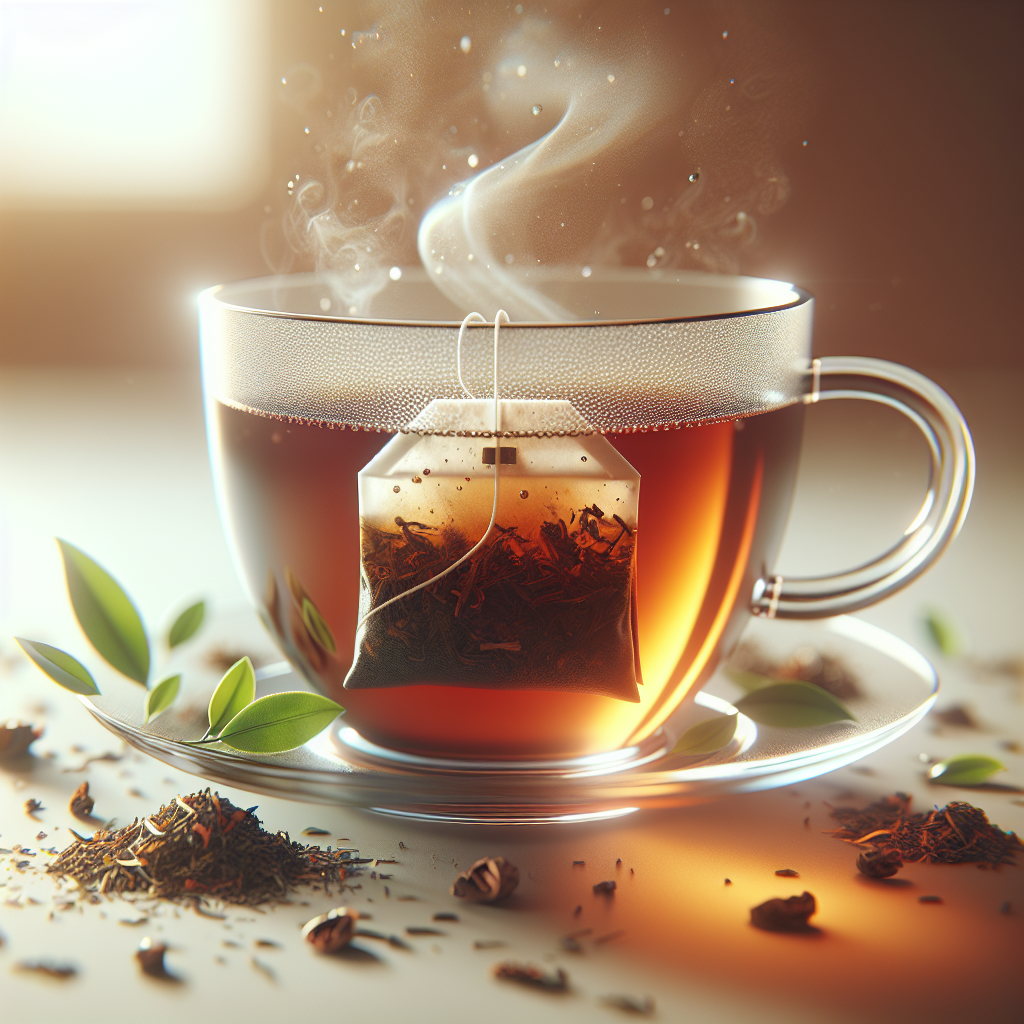
Brewing the perfect cup of tea is an art that enhances the flavor and aroma of your chosen tea, ensuring a soothing and enjoyable tea experience. For black tea, use freshly boiled water (around 100°C) and steep for 3-5 minutes, adjusting to your preferred strength; for green tea, cooler water (70-80°C) and a shorter steep time (1-3 minutes) prevent bitterness. Always use good quality tea leaves, whether loose leaf or tea bags, to achieve India’s finest brews. Consider warming your teapot beforehand, and for masala chai, simmer the tea with milk and spices for an authentic taste. Experiment with steeping times and water temperatures to discover your ideal brew.
What are the health benefits of different types of tea?
Different types of tea offer a remarkable array of health benefits, making them much more than just a refreshing beverage. Green tea, including popular variants like organic green tea and matcha green tea, is renowned for its high antioxidant content, particularly EGCG, which supports metabolism and overall wellness. Black tea, like Assam or Darjeeling tea, also contains beneficial antioxidants and may contribute to heart health and alertness. Herbal tea varieties, such as butterfly pea flower tea, provide diverse benefits; for instance, butterfly pea flower tea is celebrated for its antioxidant properties and vibrant color. Even masala chai, with its blend of aromatic spices, can aid digestion and boost immunity, making every type of tea a healthful choice for both body and mind.

Leave a Reply