
Green tea leaves have been cherished for centuries for their numerous health benefits and refreshing taste. Originating from the Camellia sinensis plant, green tea leaves undergo minimal processing compared to other types of tea, preserving their natural nutrients and antioxidants.
Green tea leaves are packed with polyphenols, catechins, and other bioactive compounds that have been studied for their potential to improve heart health, boost metabolism, and even reduce the risk of certain cancers. Additionally, green tea leaves contain caffeine and the amino acid L-theanine, providing a gentle energy boost and promoting relaxation at the same time.
Whether brewed in hot water for a soothing beverage or mixed into food and skincare products for their antioxidant properties, green tea leaves offer a versatile and natural way to enhance overall well-being. Join us as we explore the world of green tea leaves and uncover the many ways this humble leaf can benefit our health and lifestyles.
Exploring the World of Green Tea
Green tea is a type of tea that is made from green tea leaves (Camellia sinensis) and has gained popularity for its numerous health benefits and unique taste. What makes green tea stand out among other teas is its minimal processing. Unlike black tea, which is fully oxidized, green tea leaves undergo minimal oxidation, retaining their natural green color and fresh flavor.
How are green tea leaves harvested and processed?
Green tea leaves are typically harvested by hand to ensure the delicate tea leaves are not damaged. After harvesting, the leaves go through a process that involves withering, steaming or pan-firing, rolling, and drying. This process helps preserve the natural antioxidants and bioactive compounds found in the leaves.
What are the health benefits associated with green tea?
Green tea is known for its numerous health benefits, including improved brain function, fat loss, and a lower risk of certain types of cancer. The high concentration of antioxidants, such as polyphenols, in green tea makes it a powerful tool in promoting overall health and well-being.
The Art of Brewing Loose Leaf Green Tea
Brewing loose leaf green tea is an art that requires precision and attention to detail to bring out the best flavors in every cup. To properly steep loose leaf green tea for optimal flavor, it is essential to use water that is around 175°F to 185°F and steep the leaves for no more than 2-3 minutes.
What equipment is essential for brewing loose leaf tea?
Essential equipment for brewing loose leaf tea includes a teapot or infuser to hold the leaves, a temperature-controlled kettle, and a timer to track the steeping time. Investing in quality teaware can enhance the tea brewing experience and allow tea lovers to enjoy a perfect cup of green tea every time.
Can loose leaf green tea be used for making iced tea?
Yes, loose leaf green tea can be used to make refreshing iced tea. Simply brew the tea leaves at double strength, then pour the hot tea over ice and let it cool. Add sweeteners or flavorings to customize your iced green tea to your liking.
Benefits of Organic Green Tea
Organic green tea is grown without the use of synthetic pesticides or fertilizers, making it a healthier choice for both the consumer and the environment. The lack of harmful chemicals in organic tea ensures that you are getting a pure and natural product with all the potential health benefits intact.
What are the environmental advantages of choosing organic tea?
Choosing organic tea helps support sustainable farming practices that protect the soil, water, and surrounding ecosystems. By opting for organic green tea, you are contributing to a healthier planet and reducing the harmful impact of conventional agriculture on the environment.
Are there specific health benefits associated with organic green tea?
Organic green tea offers the same health benefits as conventional green tea, such as improved heart health, weight management, and antioxidant protection. However, organic tea provides the added assurance of being free from synthetic chemicals, ensuring a purer and more natural tea-drinking experience.
Exploring Different Varieties of Green Tea
Green tea comes in a variety of forms, each with its own unique flavor profile and characteristics. White tea is the least processed of all teas and offers a delicate and subtle taste compared to green tea. On the other hand, oolong tea and jasmine green teas provide a more fragrant and complex flavor profile, perfect for those looking to explore different tea varieties.
How does the taste of matcha differ from loose leaf green tea?
Matcha is a finely ground powder made from shade-grown green tea leaves, providing a rich and full-bodied flavor compared to traditional loose leaf green tea. Matcha is known for its vibrant green color and strong, umami taste that sets it apart from other green tea varieties.
What are the unique characteristics of oolong and jasmine green teas?
Oolong tea is a partially oxidized tea that falls between green and black tea in terms of processing, resulting in a diverse range of flavors from light and floral to dark and roasted. Jasmine green tea is green tea scented with jasmine flowers, offering a fragrant and refreshing taste with floral notes that complement the natural sweetness of green tea.
Understanding the Antioxidant Properties of Green Herbal Tea
Green tea is packed with antioxidants, most notably EGCG (epigallocatechin gallate), a powerful compound that contributes to its numerous health benefits. These antioxidants help neutralize free radicals in the body, reducing oxidative stress and inflammation linked to various chronic diseases.
How does green tea contribute to antioxidant protection in the body?
By consuming green tea regularly, you can increase your antioxidant intake and support your body’s natural defense against oxidative damage. The polyphenols and catechins in green tea work synergistically to promote overall health and well-being.
Which other teas share similar antioxidant properties to green tea?
While green tea is renowned for its antioxidant properties, other teas such as white tea, black tea, and oolong tea also contain beneficial antioxidants that offer protective effects against chronic diseases and improve overall health. Including a variety of teas in your daily routine can provide a diverse range of antioxidants for optimal health benefits.
The Many Health Benefits of Good Green Tea Leaves
Green tea leaves are a powerhouse of health benefits that have been celebrated for centuries. The high levels of antioxidants, particularly EGCG, found in green tea, are shown to help reduce the risk of certain chronic diseases, including heart disease and cancer. Drinking green tea regularly can also improve brain function, aid in weight loss, and support oral health by inhibiting bacterial growth. The potential benefits of green tea are numerous, making it a staple in health-conscious diets around the world. Unlike black tea, green tea undergoes minimal processing, which helps retain its natural compounds and health-promoting properties.
Exploring the World of Organic Green Tea
For tea lovers seeking the purest experience, organic green tea offers a superior choice. Organic green tea is grown without the use of synthetic pesticides or fertilizers, ensuring that each cup is free from harmful chemicals. This type of tea provides a cleaner and more environmentally friendly option, as organic farming practices support sustainable agriculture. Premium green teas, particularly those labeled as organic, are often produced by tea companies committed to maintaining high standards of quality and environmental stewardship. Whether you’re sipping on a cup of green tea made from loose-leaf green tea or enjoying the convenience of tea bags, choosing organic options can enhance your tea experience.
The Art of Brewing Loose Leaf Green Tea
Brewing loose leaf green tea is an art that requires attention to detail to achieve the best flavor. Start by selecting high-quality tea leaves, such as whole leaf green tea or premium green varietals. Use a tea infuser or teaware designed for loose tea to allow the leaves to expand fully and release their flavors. The amount of tea and water temperature are crucial; typically, one teaspoon of loose green tea per cup of hot water, steeped at around 160-180°F, is ideal. Steeping for the right amount of time, usually 2-3 minutes, ensures a perfect balance of taste without bitterness. For tea enthusiasts, experimenting with different green tea blends and exploring the history of tea from regions like China and Japan can enhance the overall tea experience.
Loose-Leaf Green Tea
The Delicate Art of Loose-Leaf Green Tea
Loose-leaf green tea is cherished for its delicate flavors and numerous health benefits. Unlike its bagged counterpart, loose-leaf green tea retains its whole leaves, which preserve the tea’s natural oils and complex flavors. This minimal processing allows tea enthusiasts to experience the fresh, grassy notes that green tea is famous for. From the vibrant, slightly sweet taste of Sencha to the rich umami flavor of Matcha, loose-leaf green tea offers a refined and authentic tea experience.
Brewing Tips for Loose-Leaf Green Tea
To brew the perfect cup of loose-leaf green tea, it’s essential to pay attention to the water temperature and steeping time. Use water that is around 175°F to avoid burning the delicate leaves, and steep the tea for about 2-3 minutes. This careful preparation helps to unlock the full potential of the tea leaves, providing a smooth and balanced flavor that is both refreshing and soothing.
Loose-Leaf White Tea
The Elegance of Loose-Leaf White Tea
Loose-leaf white tea is the epitome of elegance and subtlety in the tea world. Known for its delicate, sweet flavor and light color, white tea is made from young tea leaves and buds that are minimally processed. This gentle treatment preserves the natural antioxidants and nuanced flavors, making it a favorite among tea connoisseurs. Varieties such as Silver Needle and White Peony offer a pristine taste experience that is both refined and invigorating.
Preparing Loose-Leaf White Tea
Brewing loose-leaf white tea requires a gentle touch to maintain its delicate flavors. Use water that is just below boiling, around 160-185°F, and steep the leaves for 3-5 minutes. The resulting infusion is light and fragrant, with a subtle sweetness that can be enjoyed on its own or paired with light snacks.
Loose-Leaf Oolong Tea
The Complexity of Loose-Leaf Oolong Tea
Oolong tea occupies a unique space between green and black teas, offering a complex flavor profile that can range from floral and fruity to rich and toasty. Loose-leaf oolong tea is semi-oxidized, allowing it to develop a rich and layered taste that evolves with each infusion. Famous varieties such as Tie Guan Yin and Da Hong Pao showcase the diverse and intricate flavors that oolong tea has to offer.
Brewing Techniques for Loose-Leaf Oolong Tea
To fully appreciate the complexity of loose-leaf oolong tea, it’s important to use proper brewing techniques. Use water at about 190-200°F and steep the leaves for 2-3 minutes. Oolong tea can be re-steeped multiple times, with each infusion revealing new and subtle flavors. This repeated brewing process makes oolong tea a rewarding choice for those who enjoy exploring the depth and richness of their tea.
Two Leaves
The Story Behind Two Leaves
Two Leaves is a tea company dedicated to providing high-quality, organic, and fairly traded teas. Their focus on sourcing the best tea leaves from around the world ensures that each cup is a true reflection of its origin. Two Leaves offers a wide range of teas, from classic black and green teas to unique herbal blends, all crafted with care and attention to detail.
Signature Blends from Two Leaves
Two Leaves is known for its signature blends that capture the essence of the tea-growing regions they hail from. Whether it’s a robust Assam from India or a delicate Sencha from Japan, each tea is selected to provide an authentic and flavorful experience. Their commitment to quality and sustainability makes Two Leaves a trusted name among tea enthusiasts.
Sampler
The Joy of Tea Samplers
Tea samplers are an excellent way to explore the diverse world of tea without committing to a single type. These collections typically include a variety of teas, allowing you to experience different flavors, aromas, and styles. From black and green teas to herbal infusions and specialty blends, a tea sampler offers a curated journey through the rich landscape of tea.
Choosing the Perfect Tea Sampler
When selecting a tea sampler, consider the preferences of the recipient. For a novice, a sampler with a mix of popular teas like Earl Grey, Chamomile, and Sencha might be ideal. For a more experienced tea drinker, look for samplers that include rare or premium teas, such as Darjeeling or Gyokuro. Tea samplers make thoughtful gifts and are perfect for introducing someone to the world of tea.
Tea Packaging
The Importance of Tea Packaging
Tea packaging plays a crucial role in preserving the freshness and flavor of the tea. High-quality packaging protects the tea leaves from light, moisture, and air, which can degrade the tea’s quality over time. From traditional tins and caddies to modern resealable pouches, the right packaging ensures that the tea remains at its best until it is brewed.
Innovations in Tea Packaging
In recent years, there have been significant innovations in tea packaging aimed at enhancing convenience and sustainability. Biodegradable tea bags, compostable packaging materials, and vacuum-sealed containers are just a few examples. These advancements not only help in maintaining the tea’s quality but also reduce the environmental impact, aligning with the growing demand for eco-friendly products.
Each of these topics adds depth to the understanding and appreciation of tea, highlighting the nuances and considerations that go into creating the perfect tea experience. From the artistry of brewing loose-leaf teas to the thoughtful selection of tea samplers and the importance of packaging, each aspect contributes to the rich tapestry of tea culture.
In conclusion, green tea offers a remarkable journey from the tea gardens where the leaves and buds are carefully harvested to the cup where we enjoy its many benefits. Understanding how green tea is made, from the initial plucking of two leaves and a bud to the meticulous tea production processes, can deepen your appreciation for this ancient beverage.
Whether you prefer the robust flavors of Chinese green teas, the delicate notes of Japanese green teas, or the vibrant intensity of matcha tea, there is a variety for every tea lover. The health benefits of green tea are profound, with the effects of green tea extending from improved brain function to reduced risk of chronic diseases. For the best experience, consider joining a tea club or exploring premium brands that emphasize high-quality tea packaging and sustainable practices.
As you drink tea, remember the rich history and tradition behind each cup, whether it’s a soothing jasmine tea or a rare tea powder from the temple of heaven. When you buy green tea, look for those processed green options that are closely related to the camellia sinensis tea plant, ensuring you get the best tea with leaves in your cup.
Q: What are the benefits of drinking organic green tea leaves?
A: Organic green tea leaves are rich in antioxidants, may help improve brain function, aid in weight loss, and promote overall health and well-being.
Q: How do you steep leaf green loose tea?
A: To steep loose-leaf green tea, heat water to the recommended temperature, add the leaves to a teapot or infuser, pour the hot water over the leaves, and let it steep for the specified time before enjoying.
Q: What is the difference between black tea and green tea?
A: Black tea is fully oxidized, whereas green tea is not oxidized, preserving more antioxidants and a lighter flavor profile.
Q: Can you use teaware like teapots for brewing organic green tea leaves?
A: Yes, using teaware like teapots can enhance the brewing process of organic green tea leaves, allowing for better infusion of flavors.
Q: What makes loose green tea different from tea bags?
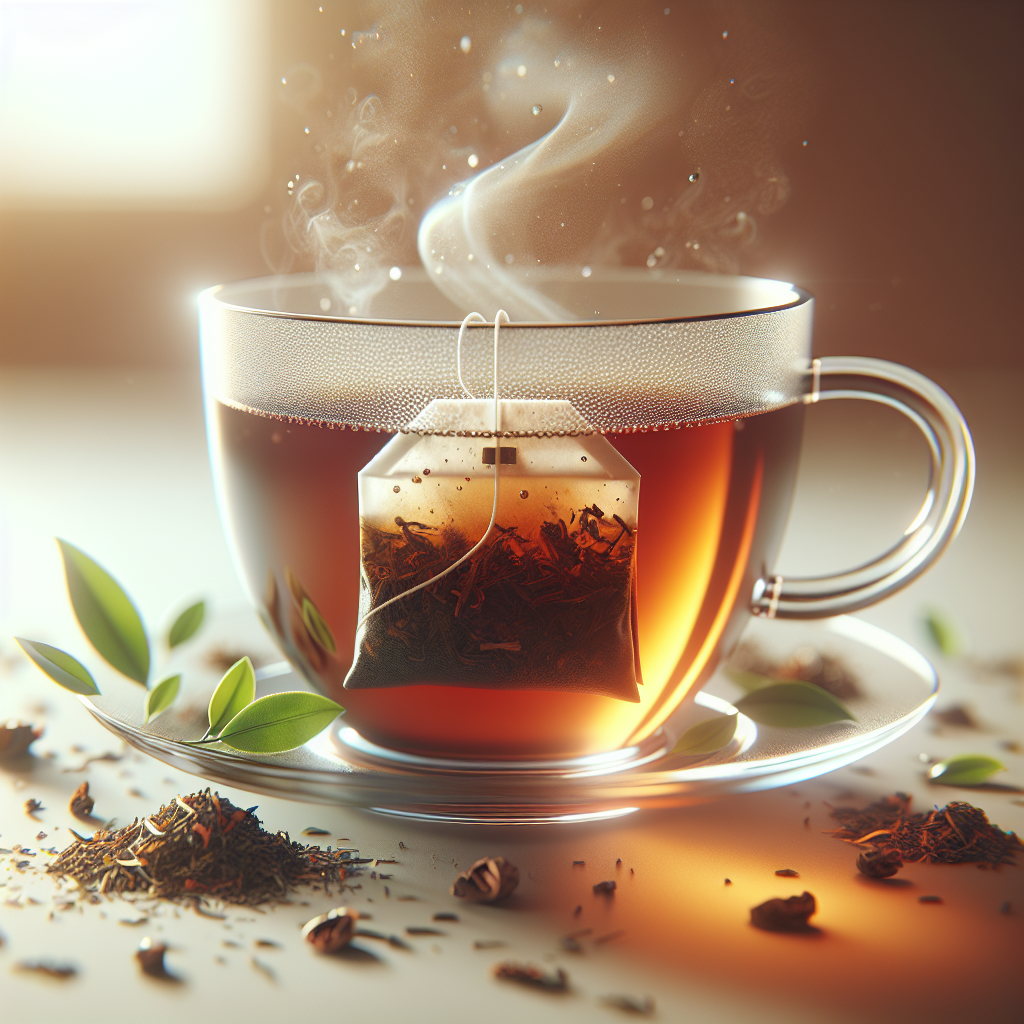
A: Loose green tea consists of whole leaves or pieces of leaves, offering a more nuanced flavor and aroma compared to the compressed and processed leaves found in tea bags.
Q: Are there different types of green tea available in the world of tea?
A: Yes, green tea comes in various forms such as sencha, gyokuro, gunpowder, matcha, and more, each with its unique characteristics and flavors.
Q: What are the health benefits associated with drinking organic green tea?
A: Drinking organic green tea may help boost metabolism, reduce the risk of certain diseases, improve heart health, and contribute to overall wellness due to its high antioxidant content.

Leave a Reply