
Tea is a popular drink worldwide. Its history goes back hundreds of years and is exciting. Tea has a soothing smell and many different tastes. It has also been crucial in creating societies, trade routes and wars. Come with us as we learn interesting things about the history of tea.
The History Of Tea Spread Along The Silk Road
The Silk Road was a turning point in the history of tea because it allowed for the exportation of tea outside of China. Traders brought tea leaves as they traveled the old trade lines that linked China to the Mediterranean. These traders brought this popular drink to new places and cultures. In this time of trade not only were things more straightforward to get to other areas but so were ideas and customs like the art of tea.
Along the Silk Road tea became more than just a drink. It became a sign of friendship, trade and kindness. Tea became an essential part of social customs. Tea parties and get-togethers were built around this sweet and energizing drink. Thanks to the Silk Road different societies could accept and change tea uniquely leading to the variety of tea habits we see today.
The Influence Of Buddhist Monks
Buddhist monks were critical in spreading tea farming across China because they knew it could help people relax and stay healthy. Tea was grown in monasteries because monks needed a way to stay awake and alert while meditating for a long time. Tea traits were valued beyond the monastery walls and it became a drink that people from all walks of life liked. The monks’ respect for tea set the stage for the growth of tea culture. They created new ways to make tea and traditions that stressed the spiritual and peaceful aspects of drinking it.
In China the history of tea is linked because monks were critical in creating tea culture and spreading tea production. The fact that tea is still linked to mindfulness and peace shows how deeply it is connected to its Buddhist roots. While you sip your tea, think about the practice that has brought this tasty drink into our lives for hundreds of years.
The History Of Tea Culture In The Tang Dynasty
Tea culture hit a new high point in China during the Tang Dynasty 618907 CE. During this time tea became a social drink that people from all walks of life loved. People would meet in tea houses to talk, share ideas and enjoy the company of friends and family as tea houses became popular gathering places. Tea changed from a drink used for health reasons to a beloved cultural icon during this time.
During the Tang Dynasty new types of tea and ways to make them were created making it an essential time in the history of tea. Tea evolved from a simple beverage to a sign of wealth and sophistication. Many of the customs and routines that people do when they drink tea today can be traced back to the Tang Dynasty, the golden age of tea.
The Development Of The Japanese Tea Ceremony
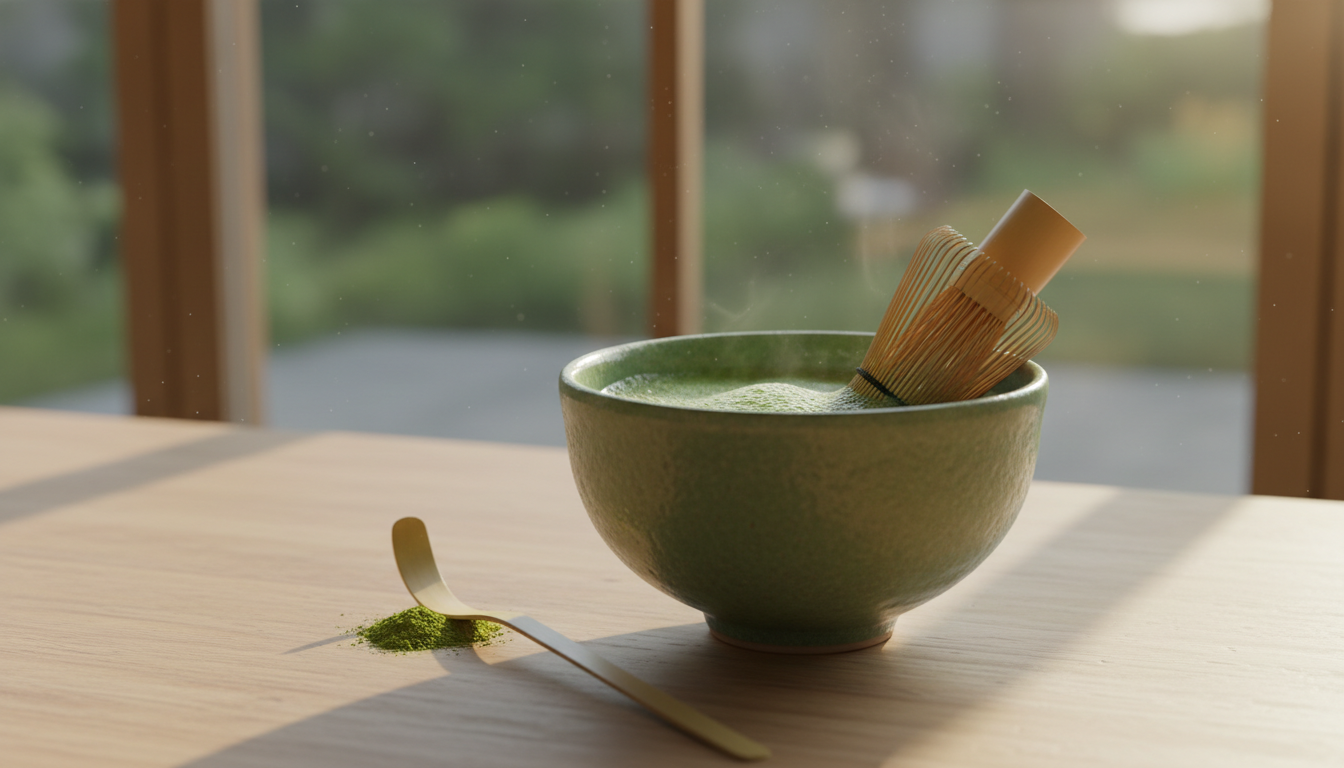
The Japanese tea tradition grew into an official event called the Japanese tea ceremony or chanoyu. The Japanese tea ritual is based on Zen Buddhism and stresses peace, unity , respect and cleanliness. The ritual is more than just having tea; it is an experience that involves all of your senses and helps you be more aware.
Tea was made in Japan from China in the 9th century and the beginning of the Japanese tea ceremony can be traced back to that time. Over the years the Japanese tea ceremony has become a very formal and traditional. The Japanese tea ritual is still an essential part of Japanese society. It shows how much the Japanese value nature, simplicity and beauty.
Tea Production And Consumption In The Ming Dynasty
From 1368 to 1644 CE the Ming Dynasty was an excellent time for China to grow and drink tea. Around this time it became easier for most people to get tea making it famous. The masters of the Ming dynasty loved tea and did a lot to spread tea culture throughout China.
During the Ming Dynasty new types of tea and ways to make them were created and tea gardens and farms were set up. Tea was given at meals, social events and even as money in China. The Ming Dynasty still had a significant impact on tea culture today. Many tea habits and customs that started during this time still follow in China and worldwide.
Tea Impact On Global Trade
In the 1800s the Opium Wars significantly affected the tea trade changing the way tea was made worldwide. The British started growing tea in India to compensate for the trade gap caused by China’s need for opium. This was the start of India’s role as a significant tea producing country. Plantations for tea were set up in other parts of the world like Africa and South America after this change in the way tea was made.
During this time the Opium Wars made tea even more important politically because it became linked to problems of empire and trade dominance. No matter these problems tea remained a popular drink worldwide and new types and flavors were created to meet everyone’s tastes. Tea is still one of the most famous drinks in the world. It has a long past and cultural meanings that interest tea fans worldwide.
Afternoon Tea Tradition In England
Afternoon tea became famous in England around the middle of the 1800s in part because of Anna Duchess of Bedford. Anna is known for spreading the idea that you should have tea and small snacks between lunch and dinner to avoid getting hungry. What began as a personal habit quickly turned into a social norm. Among the English upper classes afternoon tea became a sign of class and sophistication.
Afternoon tea stopped being just a meal and started being a social event. People all over England held fancy tea parties in their homes and tea places. The custom of afternoon tea also led to new foods and desserts like scones, cakes and sandwiches that go well with tea. Today afternoon tea is still a prevalent custom in England and many places serve it in the usual way.
The Boston Tea Party And The American Revolution
The Boston Tea Party in 1773 was one of the most critical events in the history of tea. It happened during the American Revolution. The event was a protest by people in the American colonies against British taxes without representation. They were especially protesting the Tea Act of 1773 which let the British East India Company. Sell tea in the colonies without any competition. In reaction a group of colonists dressed as Native Americans got on British ships in Boston Harbor and threw crates of tea into the water to show they didn’t want to follow British rule.
The Boston Tea Party was a turning point in the American Revolution. It brought people together to fight for freedom and showed how vital tea was politically during this time of change. The event stoked the flames of revolt and made the American colonists even more determined in their fight for freedom. People remember the Boston Tea Party as a turning point in American history. That summed up the spirit of liberty and defiance that characterized the revolutionary era.





Leave a Reply