
Indian tea has a long history dating back to the early 1800s when the British East India Company set up tea plantations in the northeastern Indian region of Assam. Before this India did not grow its tea it brought it in from China. However the British wanted to buy less tea from China and thought that growing tea in India could be an excellent way to do that.
1837 British explorer Robert Bruce set up the first Indian tea plantation. He had found native tea plants growing wild in Assam. This discovery set the stage for India’s commercial tea industry which increased and became influential. By the middle of the 1800s India’s main export crop was tea and plantations were spreading to places like Darjeeling and Nilgiri.
The Growth Of The Indian Tea Industry
During the 20th century the Indian tea industry proliferated due to rising demand from both domestic and international markets. British colonial policies largely shaped the industry growth. The British government supported and encouraged the growing and exporting of tea.
The Indian Tea Association was established in 1881 to promote and regulate the tea trade in India. It was one of the most critical events in the history of Indian tea industry. The association was significant in ensuring that all tea producers followed the same rules that quality was better controlled and that Indian tea was promoted in international markets.
In the early 1900s the tea auction system was put in place, another critical step in the growth of the Indian tea industry. Auctions made it easy for buyers and sellers of tea to do business with each other. This helped India become a major tea producer on the world stage.
The Cultural Significance Of Chai In India
Tea is more than just a drink in India it is an integral part of its culture. Chai, the Indian word for tea, is more than just a drink. It is a sign of friendship, warmth and hospitality.
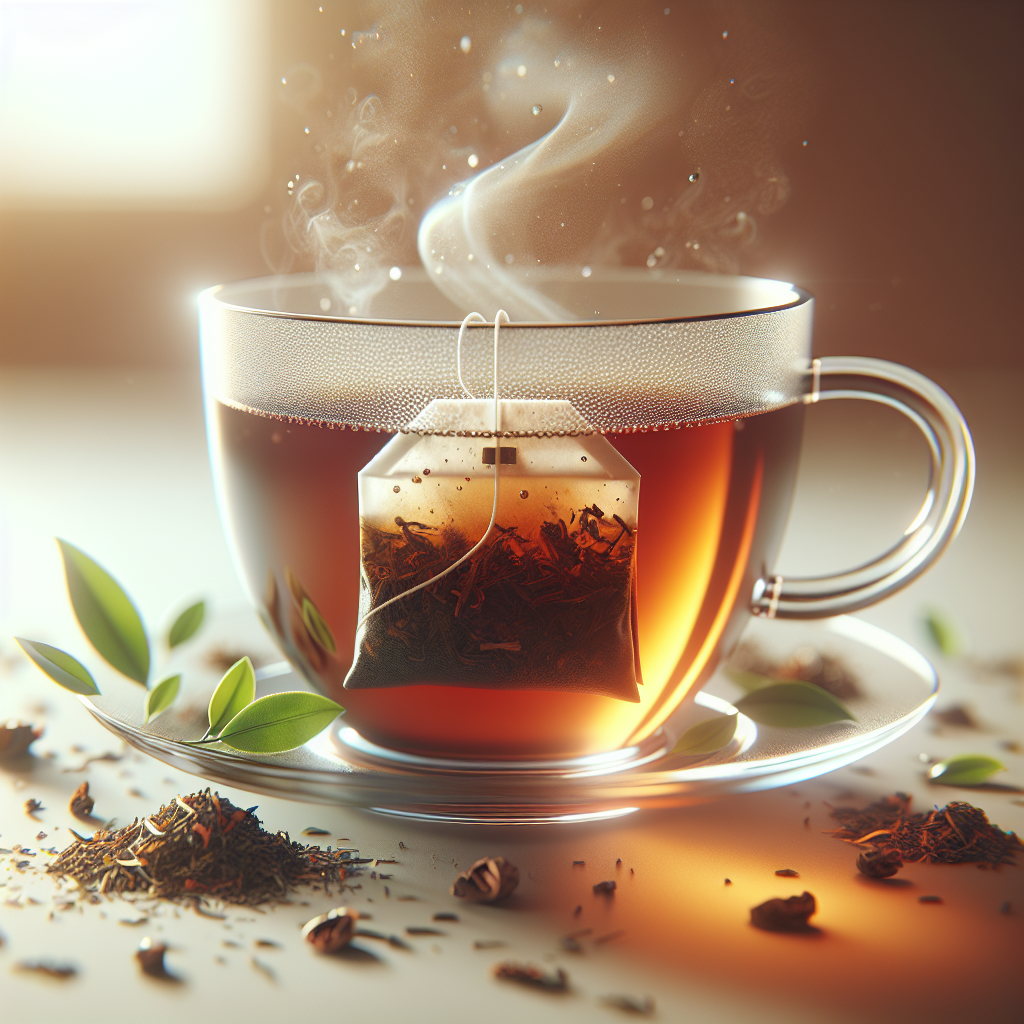
Black tea with a fusion of spices like cardamom cinnamon ginger cloves and black pepper is traditionally used to make chai. Milk and sugar are then added to taste. The chai recipe can be different from one place to another and from one family to the next as each has its mix of spices and way of making the tea.
Chai is more than just a daily habit in India, it is a way of life that brings people together. Nearly every street corner has a chai stand or chaiwala serving hot cups of chai to locals and tourists. Whether you drink it in the middle of a busy market or a quiet corner chair reminds you of Indian tea’s long history and cultural roots.
The Influence Of Indian Tea On Global Markets
The history of Indian tea is important for India’s economy and culture and for tea markets around the world. The growth of the Indian tea industry after plantations were built significantly impacted the tea trade world. I started buying Indian tea right away because of how good it tasted and how quickly it became famous.
Some of the main reasons Indian tea was so popular worldwide was because it had a flavor that was different from teas made in China and other places that also make tea. People in the West who were used to drinking milder teas liked the strong flavor of Indian tea especially Assam and Darjeeling teas.
The British were very important in getting Indian tea sold in other countries. They used their colonial ties to set up trade routes and sell Indian tea to people in North America and Europe. Indian tea became very popular in Britain where it was seen as a genuinely British drink and became an essential part of the tea culture in Britain.
The Evolution Of Indian Tea Culture
Indian tea culture has changed and grown over the years as people’s tastes and preferences have changed. India still loves chai but the country has also taken on other tea traditions like afternoon tea in the British style. Indian afternoon tea which includes tea with scones sandwiches and pastries was brought to the country during the colonial era. It is a popular tradition especially in cities and among wealthy people.
In India people are becoming more interested in specialty and artisanal teas which are exceptionally high quality single origin teas that show off the flavors and traits of different tea growing regions. Because of this trend small tea shops and houses have opened up nationwide to serve picky customers who want unique and high quality tea experiences.
The Future Of The Indian Tea Industry
The Indian tea industry has both problems and opportunities to grow in the future. Temperatures are rising and weather models are changing which is terrible for tea farming because it affects yields and quality. Indian tea producers also have to deal with problems like more competition from other countries that grow tea and changing consumer tastes.
The Indian tea industry does have some good points that will help it in the future. India has many different areas where tea is grown from the Himalayas’ foothills to Assam tropical plains. Each region produces a wide range of teas with their flavors and qualities. India has a competitive edge in the global tea market thanks to its wide range of teas, long history and expertise in growing tea.
Indian tea producers can also set themselves apart and reach new customers by making specialty and artisanal teas which are becoming more popular. The Indian tea industry can build on its long history as one of the best tea producers in the world by focusing on quality sustainability and new ideas.
The Role Of Indian Tea In Cultural Exchange
Indian tea is a big part of how people from India and other countries share their culture and talk to each other. As it became more popular around the world Indian tea became a symbol of India’s rich cultural heritage and traditions. People from all over the world loved Indian tea because it had unique tastes and smells.
The British tradition of afternoon tea is the most famous way that Indian tea has changed culture worldwide. The Indian tradition of serving tea with snacks led to the British tradition of afternoon tea which includes scones sandwiches and pastries. The British adopted the Indian habit of adding milk sugar and spices like cardamom and cinnamon to tea creating a unique mix of flavors associated with British tea culture.
It is also possible that Indian tea helped tea cultures grow in other places like Russia and Iran. In Russia tea became popular among the upper class who saw it as a sign of wealth and class. In Iran tea became an essential part of ceremonies and social events. Tiny tea houses called chai khaneh were critical places for people to meet and talk.
Conclusion
The history of Indian Tea is full of new ideas, cultural exchange and economic changes. With humble beginnings in the 1800s and now as a global powerhouse Indian tea has won over people’s hearts and taste buds worldwide. There is more to the story of Indian tea than just the tea itself. It is also about the people who grow it, the traditions that surround it and how it has changed societies and cultures. While we think about the future, the long history of Indian tea reminds us of how popular this drink has always been.

Leave a Reply