
When diving into the world of teas, the variety and complexity can be overwhelmingly delightful. Yet, amid the wonder, one often ignored question arises: what is the unhealthiest tea to drink? This question is particularly important considering the health-conscious era we live in. Understanding which teas may not be as beneficial can help refine our selections and ensure that our tea-drinking habits align with healthier lifestyle choices.
Understanding Tea Composition
Before we explore the “dark side” of tea, it is important to understand what makes tea beneficial or potentially harmful. All teas, whether black, green, or herbal, contain a multitude of compounds that interact differently within the human body.
Essential Compounds in Tea
Teas are rich in antioxidants, vitamins, and minerals, which provide numerous health benefits. However, certain teas can also be high in harmful elements depending on their production processes or the addition of unhealthful ingredients.
Natural vs. Added Ingredients
While the natural antioxidants in teas like catechins and theaflavins contribute to heart health and reduced inflammation, some commercially produced teas include additives and artificial flavors that can negate these benefits. Understanding the balance between these can help identify less healthy options.
Categories of Potentially Unhealthy Teas
Identifying the unhealthiest teas involves looking at categories that, due to their ingredients and processing methods, may pose more health risks than benefits.
Highly Caffeinated Teas
Teas high in caffeine can disrupt sleep patterns, cause heart palpitations, and increase anxiety. For those sensitive to caffeine, even a small quantity can lead to these adverse effects.
Example: Strong Brewed Black Tea
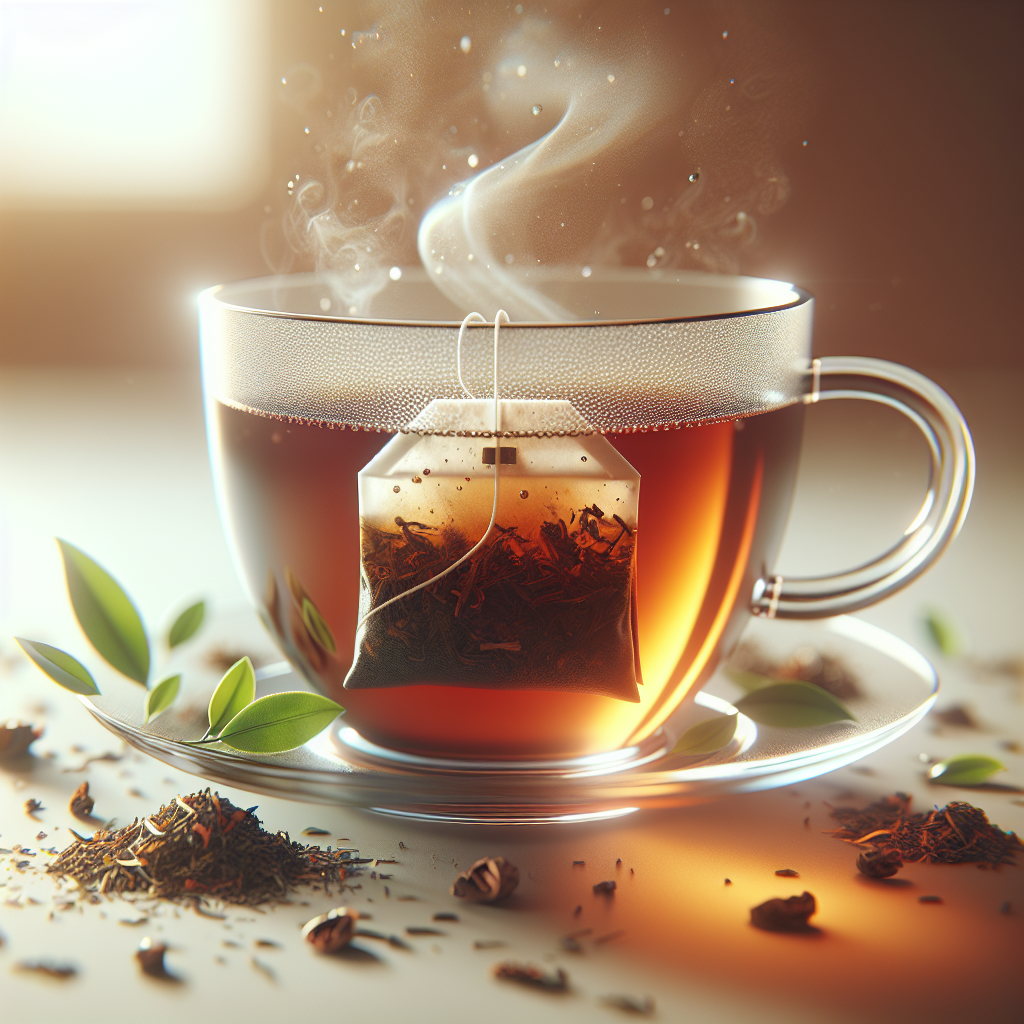
A robust cup of black tea might provide an energizing start to the day but can be one of the least beneficial teas when consumed in large amounts due to its high caffeine content.
Teas with Added Sugars and Artificial Ingredients
The addition of sugars and artificial flavorings not only diminishes the natural benefits of tea but also introduces elements that can be detrimental to health, especially when consumed frequently.
Example: Bottled Iced Teas
Many commercially available iced teas contain high levels of sugars and additives, making them more akin to soft drinks in terms of health risks.
Teas Known for Heavy Metal Contamination
Some teas, depending on where they are grown, may accumulate harmful levels of heavy metals such as lead and aluminum. Regularly consuming these teas could potentially lead to long-term health issues.
Areas Prone to Contamination
Teas grown in highly industrialized regions, for example, are more likely to contain harmful heavy metals due to environmental pollution.
Choosing Healthier Teas
Making healthier choices when it comes to tea involves more than avoiding the unhealthiest options; it also means selecting teas known for their health benefits and purity of production.
Opt for Organic
Organic teas are often less likely to contain pesticides and heavy metals, making them a safer option for regular consumption.
Benefits of Green and White Teas
Green and white teas are generally lower in caffeine and higher in antioxidants compared to black teas, positioning them as healthier choices for daily consumption.
Frequently Asked Questions
Is tea native to India?
While popular as a beverage in India, tea is originally native to China. It was brought to India by the British during the colonial period to break the Chinese monopoly on tea production.
What specific additives should be avoided in tea?
Avoid teas with artificial flavorings, colorings, and sugars. These additives can transform a healthy drink into an unhealthy one, similar to many sugary soft drinks.
Are there specific brands that offer healthier tea options?
Yes, several brands focus on organic and natural tea production without harmful additives. Researching and choosing brands committed to health and sustainability can lead to healthier tea drinking habits.
How can I recognize teas with high antioxidant levels?
Teas with deep colors and those labeled as high in catechins and theaflavins are usually good indicators of high antioxidant levels. Green tea, for instance, is renowned for its high antioxidant content.
What are the health risks of consuming too much caffeine from tea?
Excessive caffeine intake can lead to insomnia, nervousness, restlessness, stomach irritation, nausea, and an increased heart rate. Moderation is key, even with seemingly benign beverages like tea.
How does the preparation of tea impact its health aspects?
The preparation of tea greatly affects its health benefits. For example, over-brewing can increase caffeine levels while adding milk or sugar can reduce antioxidant intake.
Can herbal teas be unhealthy?
While herbal teas are generally considered safe, those containing excessive flavorings or therapeutic herbs without proper dosage control can be harmful if consumed in large quantities.
In conclusion, when asking ‘what is the unhealthiest tea to drink?’, it is crucial to consider not just the type of tea but also how it is prepared and what has been added to it. Opting for high-quality, minimally processed teas can enhance the health benefits of your daily brew.

Leave a Reply