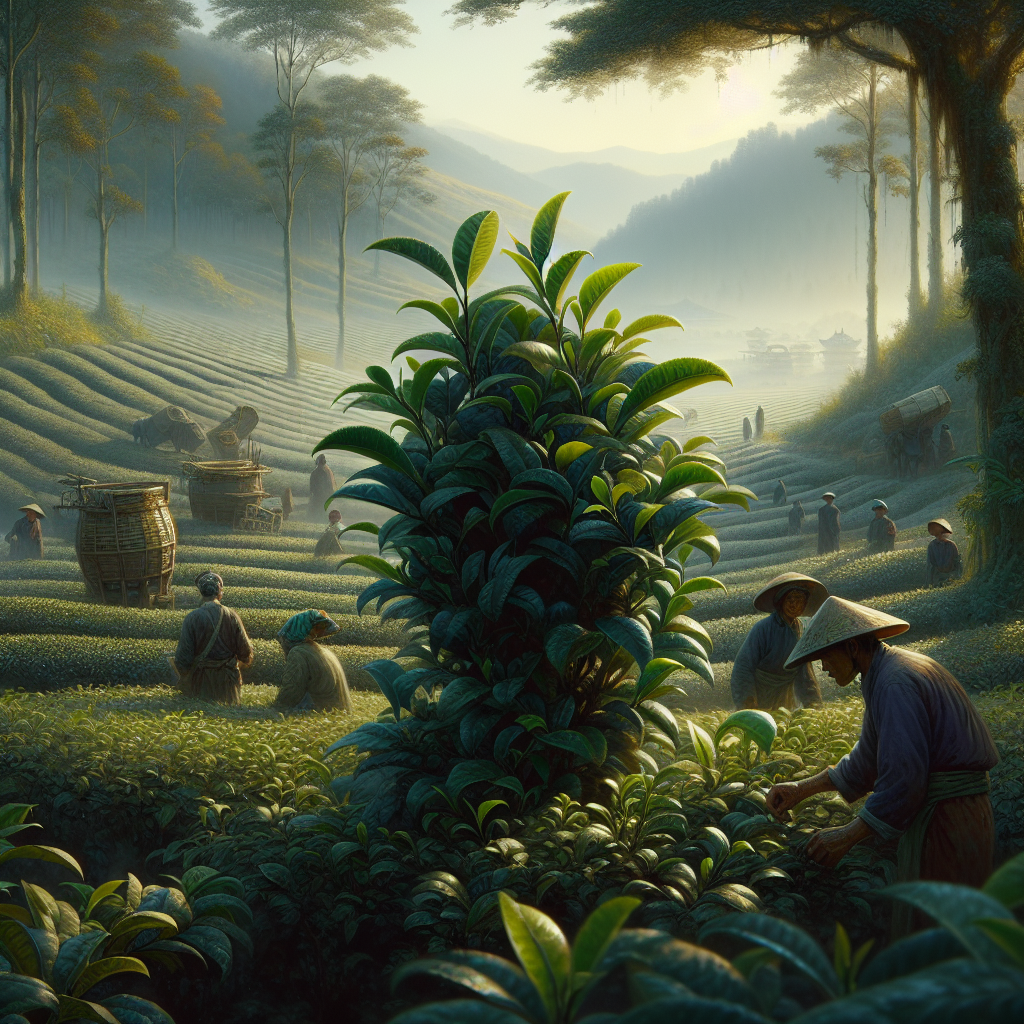
Camellia sinensis, the botanical name for what is commonly known as the tea plant, forms the bedrock of an immensely popular global beverage. Understanding why this particular plant has monopolized the tea industry not only uncovers a history rich with cultural nuances but also highlights the plant’s unique biological and chemical compositions. Delving deeper into this topic enlivens a discussion that extends beyond the plantation to the very cup of tea in our hands.
The plant’s widespread use across various types primarily stems from its flexibility and intrinsic properties, which allow it to be processed into multiple types of tea including white, green, black, and oolong. Each variety offers different flavors, appearances, and benefits, keeping the landscape of tea both diverse and engaging for connoisseurs and casual sippers alike.
Understanding Camellia Sinensis
The foundation of understanding why Camellia sinensis serves as the base plant for all traditional teas begins with its botanical characteristics and cultivation method.
Horticultural Versatility and Cultivation
Camellia sinensis thrives in a range of geographical areas, mainly within Asia but also beyond, adapting well to varying climates. This versatility is crucial for extensive cultivation. The plant’s resilience to different weather conditions and its ability to mature over many years makes it a reliable choice for long-term agriculture.
Adaptation Across Continents
From the misty hills of Darjeeling to the lush estates of Kenya, Camellia sinensis plants have adapted to local climates, yielding leaves that carry distinct flavors influenced by terroir—a term used to describe how a region’s climate, soils, and aspect impact the taste of the tea.
Biochemical Composition
The leaves of Camellia sinensis are rich with polyphenols, particularly catechins, which are responsible for the tea’s antioxidant properties. The caffeine content, although less than that found in coffee, is significant enough to provide a gentle stimulant effect, making it a preferred beverage for its mild euphoric and energizing properties.
The Processing of Camellia Sinensis
Once harvested, the processing of Camellia sinensis leaves determines the type of tea that will be produced. This phase is critical as it shapes all subsequent flavors and benefits.
Oxidation and Fermentation
The degree to which the leaves are oxidized leads to different types of tea. Green tea remains unoxidized, black tea is fully oxidized, and oolong tea is partially oxidized. Each level of oxidation impacts the color, taste, and antioxidant levels in the resulting tea, giving consumers a broad palette from which to choose.
Impact on Health Benefits
Studies have shown that the different oxidation levels in tea can affect their health benefits. Green tea is often touted for its high levels of antioxidants, whereas black tea is celebrated for its ability to enhance cardiovascular health.
Global Economic and Cultural Implications
The global tea market is immensely influential, providing employment and economic infrastructure in many developing countries.
Trade and Economy
The cultivation and export of Camellia sinensis significantly boost the economies of producing countries. Tea is among the most consumed beverages globally, second only to water, illustrating its economic importance.
Cultural Significance
Tea ceremonies, whether in China, Japan, or Britain, exhibit the cultural reverence held for this drink. These rituals highlight the societal importance of tea, brewed primarily from Camellia sinensis, transcending its role from mere consumable to a symbol of hospitality and tranquility.
Frequently Asked Questions
What differentiates Camellia sinensis from other tea plants?
Camellia sinensis is unique because it encompasses all traditional tea varieties through its processing versatility. Unlike herbal plants producing only one type of tea, its leaves can be processed into multiple forms including green, black, oolong, and white teas.
How does the cultivation environment affect the quality of tea?
The environment plays a crucial role, as terroir affects flavor profiles. Higher altitudes often yield a slower-growing plant, but one which provides leaves that are richer in flavor and aroma due to concentrated compounds developed in response to cooler temperatures and less direct sunlight.
Are there health benefits associated with drinking tea made from Camellia sinensis?
Yes, teas from Camellia sinensIs are rich in antioxidants and have a moderate caffeine content, offering potential health benefits like improved heart health, lower cholesterol levels, and enhanced mental alertness.
How is the flavor of tea influenced by the processing of Camellia sinensis leaves?
The preparation method—particularly oxidation level—directly affects taste. Unoxidized green tea retains a mild, fresh grassy flavor, while black tea offers a robust, deep taste due to full oxidation.
What is the economic impact of Camellia sinensis in tea-producing countries?
Tea production is a critical industry in many regions, providing jobs and contributing significantly to the Gross Domestic Product (GDP) through exports and local sales.
Can Camellia sinensis leaves be reused for multiple brewings?
Yes, especially in the case of premium teas. High-quality leaves can often be brewed multiple times, with each steeping releasing different nuances of flavor.
What is the significance of Camellia sinensis in traditional tea ceremonies?
It’s central to the ritual and cultural identity in many countries. The tea ceremony emphasizes respect, purity, tranquility, and harmony, which are facilitated by the deliberate and mindful preparation of Camellia sinensis-based teas.



Leave a Reply