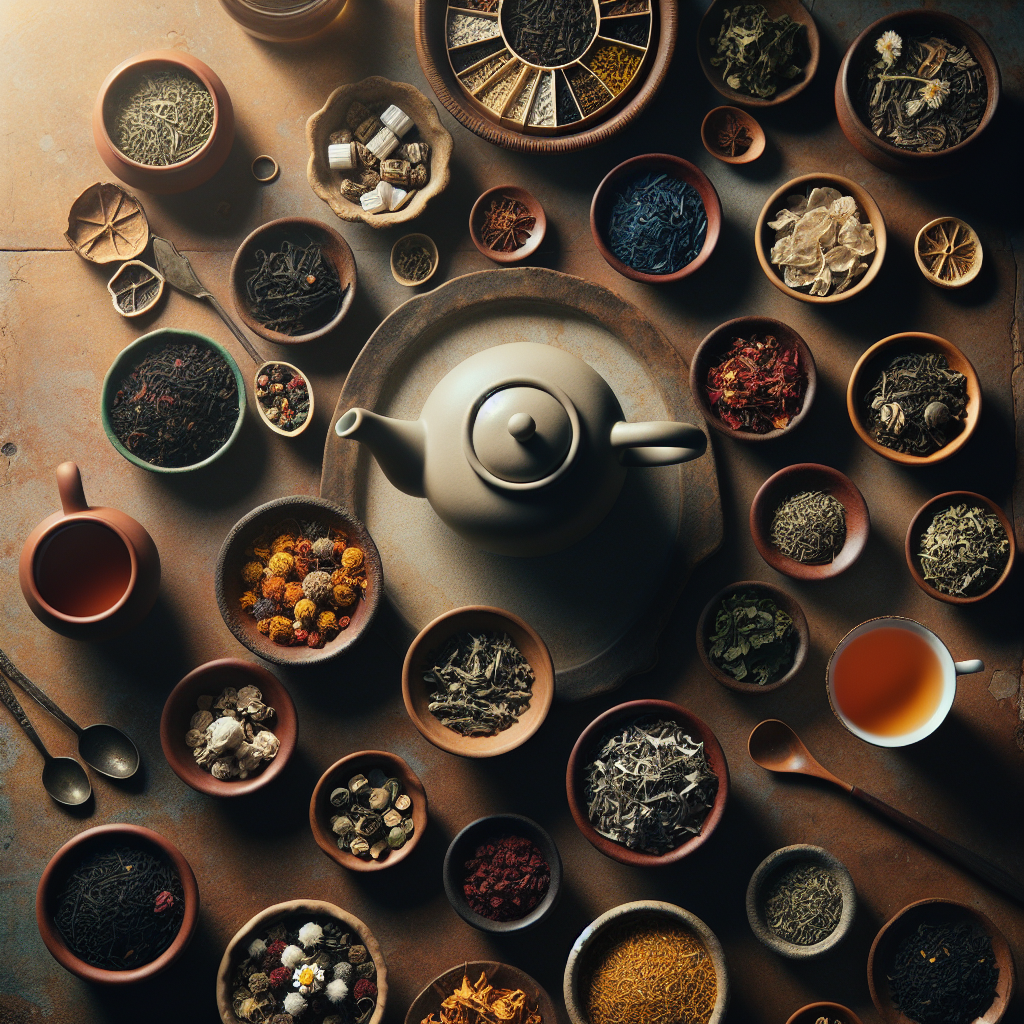
Becoming a tea totaler is not just about setting aside alcohol—it’s a conscious lifestyle choice that embraces mindfulness, wellness, and exploration through the world of tea. The modern tea totaler doesn’t live in dull restraint; instead, they open themselves to a universe of aromas, rituals, and flavors that comfort the mind and renew the body. In recent years, more people have chosen this path, not only for health reasons but also to rediscover moments of balance that daily life often steals. This guide offers an honest, experience-based perspective for anyone curious about what it truly means to be a tea totaler in the contemporary world.
Embracing the tea totaler lifestyle goes far beyond simply saying “no” to alcohol. It’s about saying “yes” to better sleep, clearer focus, improved digestion, and a gentler approach to self-care. A tea totaler learns that tea—whether it’s an aged pu-erh or a simple chamomile infusion—can carry depth, personality, and satisfaction that rivals any cocktail. This article dives deeply into the essentials of becoming a genuine tea totaler: from understanding varieties and traditions to finding ethical tea brands and forming mindful drinking habits. Whether you’re just beginning to step away from boozy nights or already an expert in teapots, there’s insight here for everyone.
Understanding the Tea Totaler Lifestyle
At its core, being a tea totaler is about mindful choice. Many adopt this approach as part of wellness or personal development. A tea totaler redirects social habits—pub gatherings, celebrations, or quiet evenings—to revolve around the calming ritual of steeping tea. The goal is not deprivation; it’s substitution with meaning and savoring life’s smaller moments with clarity.
Origins and Evolving Meaning
The term “tea totaler” dates back to the 19th century during temperance movements in England. While its early connotation leaned toward strict abstinence, today’s tea totaler embraces a gentler, more modern philosophy. Rather than moral restraint, it focuses on presence. Drinking tea becomes a practice that grounds the individual—something that soothes both nerves and conscience.
Why People Choose to Become a Tea Totaler
Modern wellness trends, mental health awareness, and the rise of functional beverages have led to the tea totaler community expanding worldwide. For many, avoiding alcohol reduces anxiety and improves mood. The replacement ritual—tea time—fills that social or emotional space beautifully. A tea totaler may start this journey out of health necessity, curiosity about Eastern cultures, or even for better skin and metabolism. The reasons differ, but the result often includes sharper focus and rejuvenated mornings.
Choosing Teas for the Tea Totaler Lifestyle
One of the pleasures of being a tea totaler lies in variety. A different leaf suits each hour and emotion. As with wines or craft spirits, teas carry distinct terroirs, tasting notes, and stories. Knowing how to navigate them enriches your experience tenfold.
Classic Selections and What They Offer
- Green Tea: Light and grassy; excellent for detox and mental alertness.
- Oolong Tea: Offers complexity with balanced oxidation—ideal for reflective sipping.
- Black Tea: Rich, robust, and often serves as a morning energizer.
- White Tea: Delicate and floral, high in antioxidants, suited for quiet moments.
- Herbal Infusions: Naturally caffeine-free; calming blends like rooibos or chamomile offer nighttime peace.
Modern Blends and Alcohol-Free Alternatives
Contemporary tea brands have embraced the tea totaler movement by crafting blends that mimic the complexity of cocktails—without fermented ingredients. Think juniper green teas reminiscent of gin botanicals, or lapsang souchong mixed with citrus notes offering smoky, whiskey-like depth. Brands such as Tea Association of the USA and TeaClass Academy share knowledge about varieties suitable for non-alcoholic adaptation.
How a Tea Totaler Curates Their Selection
A skilled tea totaler builds a collection thoughtfully: morning vitality from Japanese sencha, midday clarity from Darjeeling first flush, and evening serenity from lavender-infused rooibos. Tasting sessions replace wine flights. Friends join in tea circles instead of cocktail hours. The beauty lies in ritual—the sound of pouring, the aroma filling the room, the intentional slowness. Even artful pairings, like green tea with sushi or smoked oolong with cheese, offer sensory sophistication similar to fine dining yet devoid of hangovers.
Mindful Habits for a Sincere Tea Totaler
Mindfulness forms the emotional spine of a tea totaler’s day. The preparation, steep time, and first sip all foster presence in the moment. Many find that meditation or journaling pairs well with tea moments, creating a quiet daily pause.
Integrating Tea into Daily Routines
A practical step for a tea totaler is structuring “tea breaks” instead of “coffee breaks.” Midmorning greens provide energy without jitteriness. Afternoon whites refresh the palate. Evening herbal blends enhance relaxation and improve sleep. Over time, this rhythm forms healthier circadian patterns. A popular approach uses elegant teapots and minimalistic cups to elevate mood through design—proof that aesthetics matter in ritual.
Socializing as a Tea Totaler
Many fear social isolation when giving up alcohol. Yet the tea totaler lifestyle rebels against that assumption. Modern tea bars and tasting houses offer social alternatives to cocktail lounges. You can discuss terroirs instead of brands, enjoy seasonal matcha ceremonies, or host themed gatherings. These spaces flourish organically, keeping community alive while maintaining authenticity.
Tea Circles and Online Communities for Tea Totalers
From international forums to local meetups, tea totaler communities thrive across cultures. Virtual tastings connect enthusiasts who review teas together and share steeping techniques. Internal networks like Tea History deepen the appreciation of heritage, while sites like Tea Recipe offer culinary inspiration. For professionals exploring hospitality or wellness industries, joining these platforms opens dialogue about sustainability and modern consumption ethos.
Honest Tea Reviews for the Modern Tea Totaler
In truth, not every tea suits every palate. Sharing genuine impressions gives credibility to the tea totaler community. Below are samples of balanced and realistic reviews based on common categories of tea.
Green Tea Reviews
A Japanese sencha offers brightness yet quickly turns bitter if over-steeped. Chinese longjing presents a nutty undertone with umami depth—ideal for beginners seeking complexity. A tea totaler often prefers sencha from shaded gardens, noticing freshness akin to sea breeze. Verdict: best used as a mindfulness anchor before work.
Oolong and Black Tea Tastings
Oolong sits between green and black tea, offering range. Taiwanese jade gao shan provides floral hints that evolve with each infusion—rewarding patience. Black teas like Assam or Kenyan deliver malty richness, perfect for new tea totalers missing robust sensations from alcohol. Layering honey enhances body without over-sweetness.
Herbal Review Insights from an Active Tea Totaler
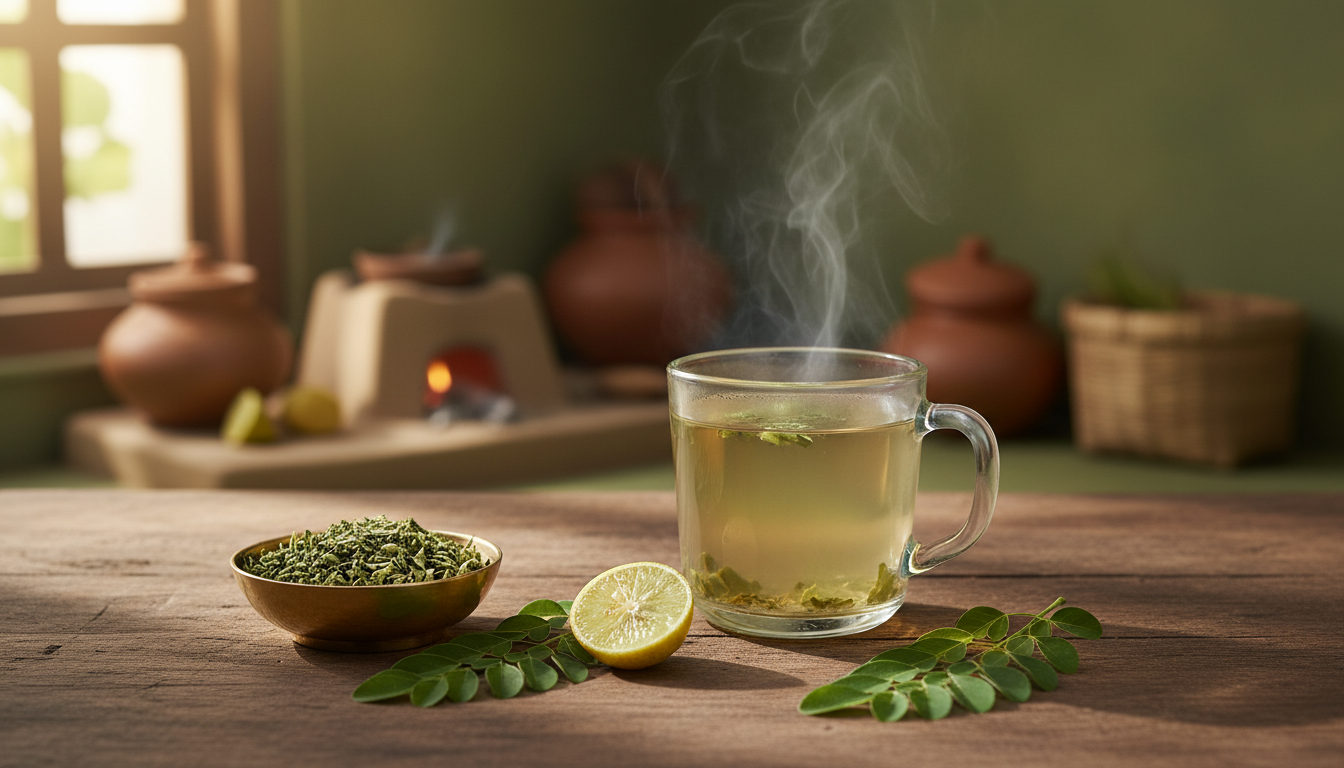
Rooibos brings earthy sweetness naturally caffeine-free, a safe night companion. Chamomile and peppermint reduce tension—beloved among wellness seekers. Some blends include adaptogenic herbs like ashwagandha, aligning the tea totaler lifestyle with holistic principles. Personal experience suggests starting simple before experimenting with complex infusions. Above all, understanding steeping temperature prevents bitterness and preserves flavor purity.
Practical Tools and Accessories for Every Tea Totaler
Enjoyment amplifies when ritual meets right equipment. The tea totaler approach appreciates craftsmanship and sustainability. Handmade clay teapots, bamboo whisks, and precision thermometers all add dimension to preparing tea the mindful way.
Essential Accessories to Get Started
- Quality teapot—glass or ceramic, depending on infusion transparency preference.
- Digital scale for accuracy in leaf measurement.
- Temperature-controlled kettle to accommodate green or white tea sensitivity.
- Tasting cups with wide brims for aroma dispersion.
- Storage tins protecting leaves from moisture and light.
Advanced Gear for Serious Tea Totalers
Seasoned tea totalers often invest in gongfu sets or cast-iron kettles for traditional brewing. These items preserve heat evenly and elevate the ceremony’s flow. Digital logs help track brewing parameters, ensuring repeatable results—every infusion becomes another layer of expertise. Some use aroma cups to compare subtle notes; others photograph their sessions for journaling. The emotion behind this gear is consistency—a recurring theme in any tea totaler’s practice.
Wellness and Health Perspective of Being a Tea Totaler
Science catches up with ancient wisdom here: polyphenols, catechins, and theanine compounds within tea improve cognitive performance and reduce chronic disease risk. Becoming a tea totaler offers tangible advantages from both physical and psychological standpoints.
Physical Health Benefits
Tea improves hydration, strengthens metabolism, and delivers antioxidants combating cellular damage. Many studies indicate that daily tea drinkers possess lower cardiovascular risk factors. Replacing alcohol with tea removes empty calories and stabilizes blood pressure. For an active tea totaler, even pre- or post-workout hydration becomes effective when using green tea-based electrolyte infusions.
Mental and Emotional Effects
The L-theanine compound fosters calm alertness, counteracting caffeine’s edge. This neurological balance epitomizes why tea totalers find serenity compared to coffee consumers. Psychologically, the commitment to a tea totaler identity often carries empowerment—it symbolizes care rather than control. The beverage becomes an ally to self-discipline without rigidity, inviting joy back into balance.
Integrating Mindfulness Practices with Tea
Tea totalers often synchronize breathing exercises with brewing. Centering breath before pouring cultivates awareness. Observing how leaves unfurl connects one with natural rhythm. Scientific research shows mindful consumption reduces stress markers, aligning perfectly with this lifestyle. Some tea totalers even incorporate affirmations or gratitude lists during morning steeps—combining psychological strength with sensory ritual.
Ethical Sourcing and Sustainability for Tea Totalers
Sustainability stands central for an ethical tea totaler. Prioritizing suppliers that honor fair trade, organic cultivation, and transparent sourcing ensures that every cup supports the planet and its farmers. Great taste must intertwine with responsible practice.
How to Identify Ethical Brands
Look for certifications from organizations like Rainforest Alliance or Fairtrade International. Authentic tea brands disclose plantation origins. For tea totalers who seek extra assurance, small-batch producers with verifiable lineage—particularly family-run estates—often provide both quality and transparency. Labels emphasizing organic processing and renewable packaging reflect the conscious ethos typical of any dedicated tea totaler.
Empowering Change Through Consumer Choices
Every tea purchase reinforces values. Supporting sustainable growers keeps ecosystems alive and diminishes chemical runoff. A tea totaler’s philosophy magnifies through mindful buying—proof that one lifestyle can ripple into environmental improvement. Sharing reviews and educating peers deepens collective awareness, expanding impact beyond the cup.
Conclusion: The Modern Identity of a Tea Totaler
To live as a tea totaler today is to seek connection, presence, and purpose. It’s an aesthetic and ethical movement wrapped in serenity. Whether you’re swapping happy hour for tea meditation or experimenting with teaware craftsmanship, this path rewards consistency and curiosity. The tea totaler identity grows stronger with shared knowledge and mindfulness—each cup symbolizing respect for self and nature. So brew consciously, sip slowly, and carry that calm into every moment.
Frequently Asked Questions
What does being a tea totaler mean in modern lifestyle terms?
In contemporary context, a tea totaler is not just someone abstaining from alcohol. It’s an individual cultivating joy through tea instead of intoxication. The tea totaler lifestyle integrates mindfulness, subtle flavor exploration, and community connection. Modern interpretations treat it as wellness-driven rather than restrictive. By focusing on teas—traditional or herbal—the tea totaler navigates a complete sensory culture. Today, even social events adapt to this culture, offering tea tastings or alcohol-free lounges that embrace sophistication without indulgence.
Can a tea totaler enjoy mocktails and tea blends together?
Absolutely. The tea totaler approach celebrates creativity without alcohol. Crafting mocktails based on jasmine green tea, hibiscus, or lapsang souchong yields layers of flavor typically found in cocktails. The balance between tart, sweet, and aromatic notes gives satisfaction minus the hangover. Many tea totalers create signature blends using cold-brew methods with herbs, citrus, or spices. Bars, too, have adapted by offering “tea mixology” sessions, combining art, health, and taste for alcohol-free enjoyment.
How can someone transition from drinking alcohol to becoming a tea totaler?
The shift to being a tea totaler starts with intentional replacement. Gradually substitute alcohol-centered routines—like dinner drinks—with calming teas. Choose full-bodied teas such as aged pu-erh or smoky lapsang for robust alternatives. Track how sleep, focus, and digestion transform. Engage in community circles or workshops that appreciate mindful rituals. Over time, physical craving subsides, replaced by the soothing satisfaction of steeping. It’s less about quitting and more about redefining comfort and connection through the tea totaler mindset.
Are there specific teas best suited for new tea totalers?
Beginners often find success with green tea due to its approachable taste and energizing clarity. Herbal infusions like chamomile or peppermint offer gentle steps into the tea totaler journey. Black tea suits those craving depth akin to wine notes. Explore single-origin teas for education—understanding terroir and oxidation. Ultimately, the best tea for any new tea totaler depends on preference, schedule, and comfort. Starting simple, with loose leaves and pure flavors, helps refine sensory awareness naturally.
How do tea totalers view caffeine consumption?
Contrary to assumption, not all tea totalers avoid caffeine entirely. The lifestyle prioritizes balanced consumption. Since tea’s caffeine interacts with theanine, it provides calm alertness, a smoother rise of energy compared to coffee or alcohol. Some tea totalers alternate between caffeinated teas like sencha and caffeine-free infusions such as rooibos. The goal is mindful stimulation without overload. Monitoring body cues helps maintain equilibrium. Essentially, the tea totaler values control rather than abstinence in caffeine management.
Is it costly to maintain a tea totaler lifestyle?
Not necessarily. Being a tea totaler can be as affordable or as premium as you want it to be. Basic loose-leaf teas cost far less per cup than wine or spirits. Teaware investments like kettles and infusers are one-time purchases enhancing long-term enjoyment. Ethical teas might cost slightly more, but their flavor longevity compensates. With storage knowledge, a tea totaler minimizes waste. Ultimately, this lifestyle rewards intention over expense, sustaining both ecological and personal economies harmoniously.
How does social life change when becoming a tea totaler?
Joining the tea totaler path typically redefines gatherings but doesn’t diminish them. Social patterns shift toward tea ceremonies, tasting sessions, or late-night discussions over herbal brews. Friends may admire your commitment and follow along. Tea bars, both physical and virtual, are blossoming into inclusive spaces. The tea totaler finds genuine interaction through shared calm rather than intoxication. Over time, new traditions replace old habits, rooted in meaningful connection and conversation along with cultural discovery through tea rituals.


Leave a Reply