The magic of an aromatic cup of Indian chai lies in its secret blend of spices. The tea masala powder recipe has been cherished for generations as the soul of masala chai. Whether you like your tea fiery, soothing, or earthy, this spice mix decides how your senses awaken each morning. When skillfully balanced, every sip becomes a comfort ritual, not just a beverage. Understanding how to craft the perfect tea masala powder recipe lets you recreate that authentic homemade warmth anywhere in the world.
In this article, we’ll explore not only the components that make up a good tea masala powder recipe, but also the traditional logic behind their combinations. You’ll learn about the shocking secret most people overlook, how proportions affect aroma, and how this aromatic blend has evolved across regions. This isn’t just a guide—it’s an invitation to discover the science and story behind one of India’s most beloved creations.
Essence of a Perfect Tea Masala Powder Recipe
At its core, a tea masala powder recipe is more than a mix of spices—it’s a carefully measured art form. Every kitchen has small variations, yet all revolve around three simple principles: freshness, proportion, and balance.
The Foundation of Flavor
A well-balanced tea masala powder recipe enhances the taste of tea leaves rather than overpowering them. Most blends start with a base of dry ginger, black pepper, cardamom, and cinnamon. These spices provide warmth, depth, and a sweet undertone that harmonizes perfectly with the bitterness of tea.
Choosing High-Quality Ingredients for Your Tea Masala Powder Recipe
Ingredients are the soul of the blend. Poor-quality or stale spices can ruin even the most accurate ratios. When selecting ingredients for your tea masala powder recipe, here’s what to prioritize:
- Cardamom pods: Always choose bright green pods; dull ones may have lost aroma.
- Cinnamon sticks: Opt for Ceylon cinnamon for a lighter, sweet profile rather than cassia’s harsh flavor.
- Cloves: Whole cloves retain more essential oils compared to powdered ones.
- Black peppercorns: Prefer freshly ground pepper for higher pungency.
- Dried ginger: Adds spicy warmth and aids in digestion.
Understanding the Role of Each Spice
Every ingredient in the tea masala powder recipe contributes a specific purpose. Cardamom lightens the texture and sweetens the aroma, while ginger wakes up your throat with fire. Cloves add strength, cinnamon provides roundness, and black pepper ties the blend together by highlighting the earthy notes of tea leaves.
Balancing Ratios in the Tea Masala Powder Recipe
Finding balance in your tea masala powder recipe takes some experimentation. Too much clove can make tea bitter, while too little ginger will flatten the body. A safe base ratio is:
- 4 parts dried ginger
- 3 parts cardamom
- 2 parts cinnamon
- 2 parts cloves
- 1 part black pepper
Mix these together, grind coarsely, and store in an airtight jar for up to two months. The blend intensifies slightly with time as the oils mingle, giving you deeper flavor layers each week.
The Shocking Secret Behind the Best Tea Masala Powder Recipe
Now to the secret most chai lovers miss—it’s not just what you add, but when you add it. The key to unlocking the best tea masala powder recipe lies in timing and heat control. When the spice powder is boiled too early or too long, volatile oils evaporate before meeting tea leaves, leading to weaker flavor.
The Heat Factor
To preserve aroma, the tea masala powder recipe should be added midway through boiling, just after milk and water come to a gentle simmer. This timing protects the essential oils and harmonizes with the tannins from the tea leaves, resulting in a deeper, rounded taste that traditionalists swear by.
How Temperature Impacts Your Tea Masala Powder Recipe
Different spices release flavor at different temperatures. Cardamom and clove prefer gentle heat, while ginger and pepper perform better at slightly higher temperatures. Once you understand this scientific harmony, you’ll control the aroma rather than letting it control you. A skillful cook adjusts the timing by sniffing the air; when the scent is strong yet fresh, it’s time to turn off the flame.
Regional Variations in India
India’s culinary diversity reflects in every tea masala powder recipe variation. Each region imparts its climate, culture, and spice philosophy into the mix. Let’s explore a few traditional examples.
Gujarati-Style Tea Masala
Gujarati blends emphasize warmth with extra black pepper and clove. It’s bold, strong, and made to pair with sweet morning snacks. Families often prepare large batches as part of weekly rituals.
Maharashtrian Blend: Zesty and Smooth
Here, dry ginger and cardamom take center stage. Maharashtrian homemakers grind their own spices freshly each month. Many even sun-dry the ingredients for several hours to remove moisture and intensify aroma—making this tea masala powder recipe incredibly fragrant.
Kashmiri and North Indian Influence
In the northern snowy regions, nutmeg and saffron sometimes join the mix. This gives the chai a luxurious twist and natural sweetness without sugar. Kashmiri families believe their version of the tea masala powder recipe helps balance body temperature through the year.
South Indian Subtleties
In the south, fresh curry leaves or bits of dry mint occasionally enhance the blend. It results in an herbal freshness that complements moderate caffeine levels in local tea leaves. These versions show how the same concept—tea masala powder recipe—can wear hundreds of cultural costumes.
Health Benefits Embedded in the Blend
One reason the tea masala powder recipe remains timeless is because it offers both pleasure and wellness. Modern studies support what tradition long knew—these spices carry anti-inflammatory, antioxidant, and digestive benefits.
Medicinal Power of Common Ingredients
- Ginger: Aids digestion and reduces nausea.
- Cloves: Contain eugenol, known for antimicrobial properties.
- Cardamom: Refreshes breath and relieves bloating.
- Cinnamon: Helps regulate blood sugar levels.
- Black Pepper: Enhances nutrient absorption in the gut.
Daily Wellness Through Tea Masala Powder Recipe
Many nutritionists suggest replacing artificial flavor teas with those brewed using a homemade tea masala powder recipe. It reduces sugar dependency since natural sweetness from spices satisfies the palate. The ritual itself—slow boiling, stirring, and aroma—acts as a form of mindful relaxation that benefits mental well-being.
How to Store and Preserve Your Blend
Proper storage defines longevity. Even the most aromatic tea masala powder recipe loses charm if exposed to humidity. Always store in a small glass container, away from sunlight and moisture. Avoid plastic jars, as they may absorb spice oils and alter fragrance over time.
Refreshing an Old Batch
If your powder has aged too long, revive it by lightly dry-roasting for 20 seconds on a low flame before adding to your tea. This trick reawakens trapped oils and gives life to your tea masala powder recipe again. The aroma will instantly prove the transformation.
Labeling and Rotation
Always label your jars with date and ingredients, especially if you make different versions throughout the year. Rotation is vital: use older mixes first to prevent wasting precious spices. Making a fresh tea masala powder recipe every two months ensures consistent strength and flavor.
Creative Uses Beyond Chai
Though created for chai, your tea masala powder recipe can enhance desserts, baking, and savory recipes. Think of it as a homemade all-season masala that rejuvenates dishes with minimal effort.
In Baking and Sweets
Add a pinch of tea masala powder recipe to cookies, muffins, or puddings. The mix pairs wonderfully with chocolate or honey-based desserts. In Indian sweets like kheer or ladoo, it can substitute traditional spice blends while offering a warm aroma.
In Savory Innovations
Surprisingly, chefs now sprinkle tea masala powder recipe on roasted nuts or mix it into marinades for creative fusion dishes. Its spice complexity adds intrigue to grilled vegetables or tofu. A small pinch in rice or lentil dishes infuses subtle warmth that lingers beautifully on the palate.
Global Tea Culture Inspiration
Globally, tea culture is evolving. The tea masala powder recipe represents India’s contribution to global tea heritage. The British, Japanese, and Middle Eastern tea ceremonies each emphasize balance and aroma, concepts mirrored in chaipatti blends.
Resources such as Tea Journey and Tea Association of the USA highlight how ancient tea practices inform modern living. Similarly, local blogs like Tea History and Tea Cultivation explore cultural stories that parallel the evolution of the tea masala powder recipe.
Modern Adaptations Around the World
Baristas globally use the tea masala powder recipe to craft chai lattes, chilled brews, and even chai-flavored cocktails. In wellness cafes, oat milk or almond milk versions highlight its versatility, proving this Indian spice mix can adapt seamlessly to global tastes.
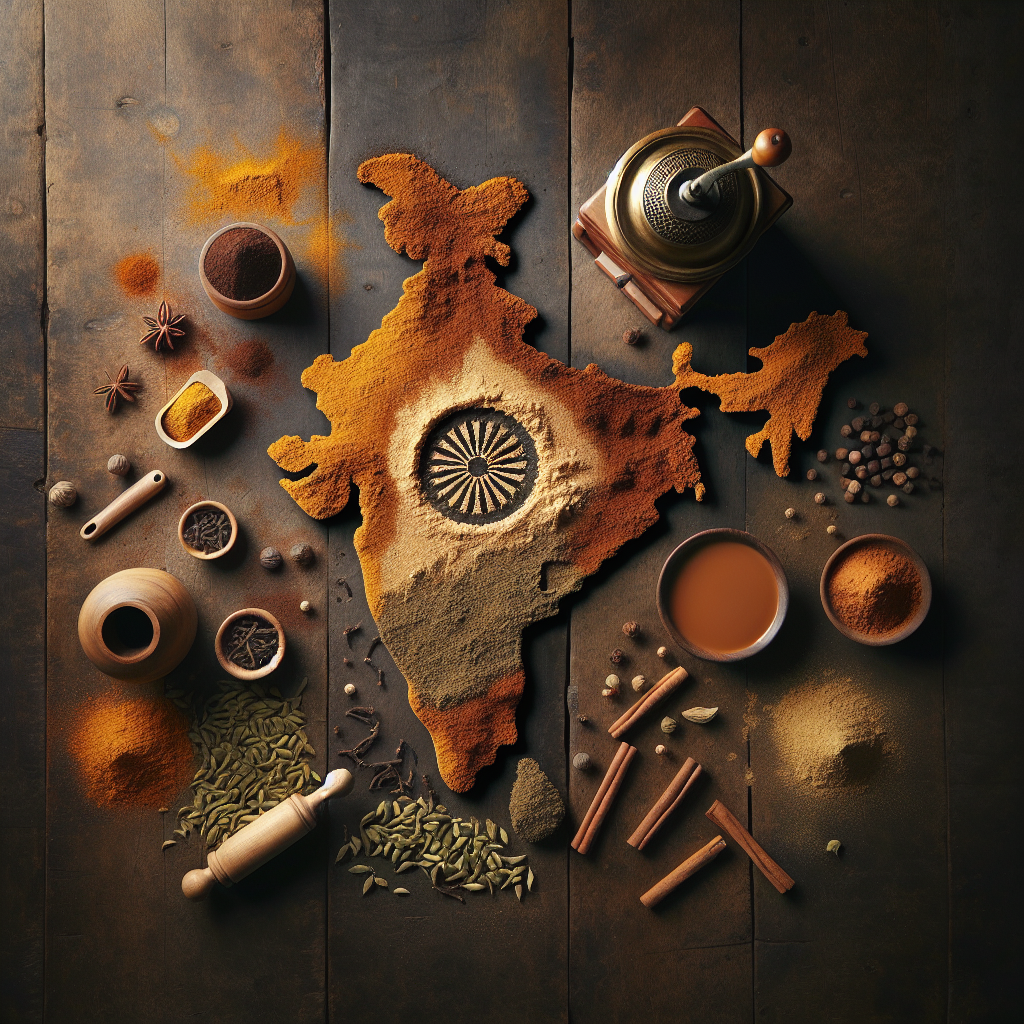
Photographic Representation

Visual presentation matters as much as taste. A colorful spice layout not only pleases the eyes but builds curiosity—why so many spices unite for one humble drink? This sight alone introduces newcomers to India’s sensory philosophy.
Expert Tips for the Ultimate Experience
Here are techniques professional tea blenders recommend for a consistent tea masala powder recipe brew:
- Warm milk before adding tea leaves—never pour cold milk into boiling tea.
- Add sweetener last; doing so mid-boil changes spice extraction.
- Stir continuously to evenly distribute spices.
- Experiment with ratios: a little fennel can balance excess heat from pepper.
- Serve freshly brewed tea immediately; reboiling diminishes flavor compounds.
Common Mistakes to Avoid
Many mistakenly believe adding more masala yields stronger tea. Overuse leads to bitterness. Precision in your tea masala powder recipe usage—around ¼ teaspoon per cup—is optimal. Another error: storing near gas stoves, where moisture variations degrade spice quality.
Personalization and Experimentation
Your perfect tea masala powder recipe depends on personality. Morning drinkers often prefer more ginger for energy, while evening sippers might favor cinnamon for calmness. Keep a tasting journal and note subtle changes in ratio. Over time, you’ll refine your personalized blend.
Frequently Asked Questions
What is a tea masala powder recipe made of?
The tea masala powder recipe is typically composed of dried ginger, cardamom, cinnamon, cloves, and black pepper. Some households also add nutmeg, fennel, or saffron for variation. The aim is to create a perfectly balanced spice mix that enhances chai without overpowering tea leaves. Each ingredient serves a purpose—aroma, body, and warmth—making it both flavorful and beneficial for digestion and immunity.
How do I make a quick tea masala powder recipe at home?
To make a quick tea masala powder recipe, dry-roast equal parts cinnamon, cardamom, and cloves for a minute, then grind with ginger powder and pepper. This shortcut method preserves essential oils and delivers freshness instantly. Store the blend in a tightly sealed glass jar and use ¼ teaspoon per cup of tea. The simplicity of this approach ensures consistent flavor even when made in small batches.
What is the shelf life of a tea masala powder recipe?
Properly stored, your tea masala powder recipe lasts for two to three months. The trick is to keep it in a cool, dry place away from direct sunlight. Avoid frequent opening of the container, as air introduces moisture and speeds aroma loss. If you notice dullness in fragrance, simply dry roast for ten seconds to reactivate the spices before using again.
Can I customize the strength of my tea masala powder recipe?
Yes, customizing your tea masala powder recipe allows you to reflect personal taste. Add extra cardamom for sweetness or more black pepper for intensity. For a cooling undertone, blend in a hint of fennel powder. Each variation maintains the essence of the tradition while adapting to your preference, making it a truly personalized masala experience.
How much tea masala powder recipe should I add per cup of tea?
Typically, add about ¼ teaspoon of the tea masala powder recipe for every cup of tea. For stronger versions, you may slightly increase it, but excess spice can overwhelm subtle flavors. Always taste midway through brewing to ensure the balance. The goal is harmony between milk, tea leaf bitterness, and spicy warmth—not dominance of any single note.
Is the tea masala powder recipe healthy?
Absolutely. The tea masala powder recipe contains natural polyphenols, antioxidants, and digestive stimulants. Ginger eases inflammation, cinnamon regulates sugar, and cardamom improves metabolism. Regular consumption in moderate amounts contributes to better digestion, circulation, and even mental alertness. However, avoid overuse as concentrated spices can sometimes irritate sensitive stomachs.
Can I use tea masala powder recipe in desserts or foods?
Yes, your tea masala powder recipe can enhance cakes, pastries, pancakes, and even yogurt-based dishes. Mixing a pinch into whipped cream or coffee adds warm, exotic undertones. Many chefs clone chai latte flavors this way. This flexibility makes your homemade spice mix not just for chai lovers, but for adventurous cooks exploring cross-cultural recipes.
What is the surprising twist that makes the best tea masala powder recipe?
The shocking secret in every exceptional tea masala powder recipe is not an ingredient but timing. Adding the blend once milk begins to simmer locks in fragrant oils without burning them. It’s this precise moment that amplifies aroma and yields silky texture. Professionals guard this small detail as their signature difference between ordinary chai and unforgettable chai.



Leave a Reply