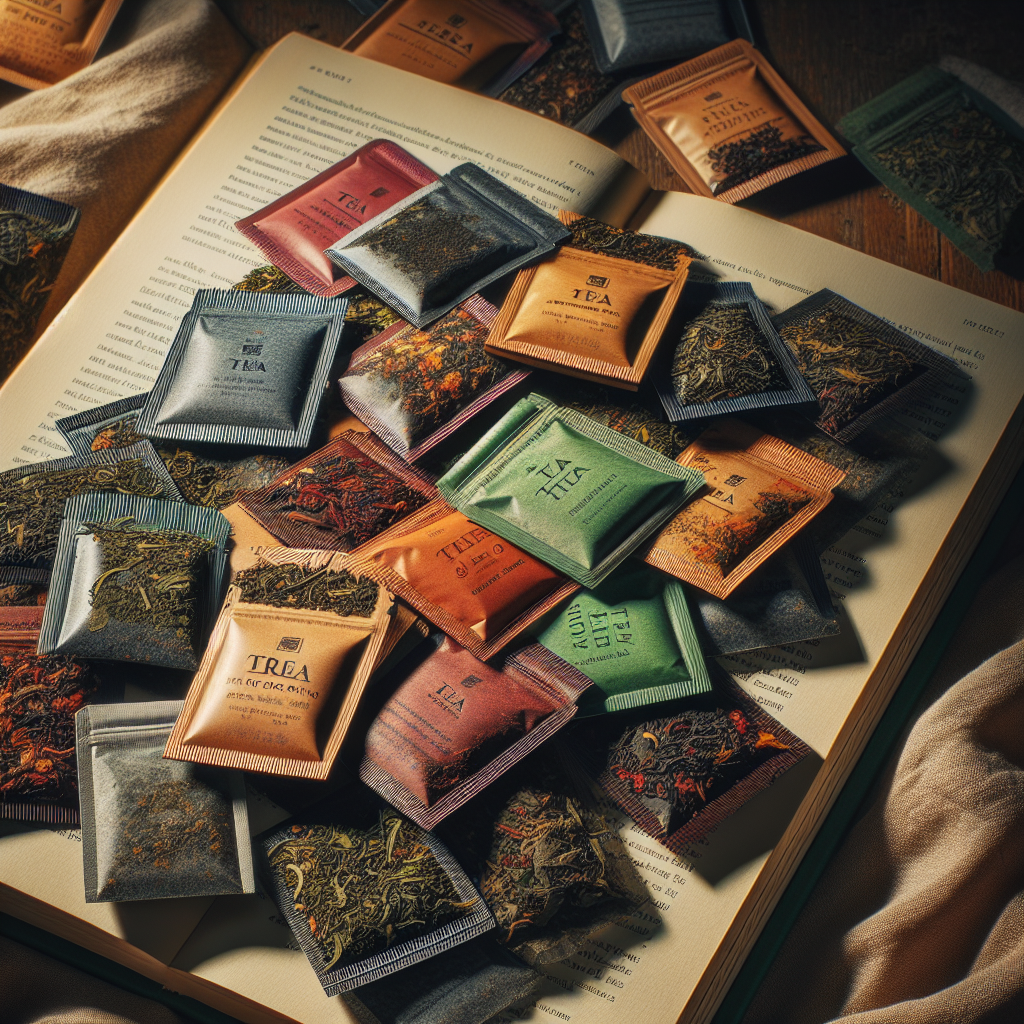
Drinking tea is a ritual that connects cultures, warms hearts, and rejuvenates minds. And at the center of this global habit lies something often overlooked—the humble tea packet. From its design to its contents, every part of a tea packet reflects craftsmanship, convenience, and culture. Whether you’re sipping on a classic black tea or exploring an herbal infusion, understanding the nuances of the tea packet helps you make better choices for taste, health, and sustainability. This guide explores the benefits, materials, varieties, and quick facts that define today’s tea packet culture.
As consumers become more conscious about what they consume, the way tea is packaged—its format, freshness protection, and environmental impact—has gained serious attention. A tea packet is no longer just a container; it’s part of the tea experience. It carries aromas, preserves antioxidant content, and even influences purchasing decisions through design and labeling. For tea enthusiasts and casual drinkers alike, knowing how to read and select the right tea packet leads to fresher flavor, healthier habits, and less waste.
Understanding the Modern Tea Packet
The modern tea packet has evolved far beyond simple storage. It merges technology, design, and sustainability, forming a bridge between farmers and consumers. A tea packet ensures that delicate leaves, herbs, or blends remain intact until they reach the cup. The goal is not only to protect but also to delight the senses the moment it’s opened.
Key Components of a Tea Packet
Each tea packet has multiple layers, both literal and conceptual, contributing to the overall tea-drinking experience. These components vary depending on whether the packet contains loose-leaf tea, pyramid bags, or powdered blends.
- Outer Wrap: Typically made of moisture-resistant paper or recyclable foil to preserve aroma and freshness.
- Inner Sachet: Holds the actual tea; may be biodegradable or compostable in eco-conscious designs.
- Labeling Area: Displays variety, origin, brewing instructions, and expiration date.
- Seal Design: Controls freshness through pressure sealing or vacuum technology.
Why the Tea Packet Design Matters
Beyond its practical purpose, a tea packet communicates a brand’s philosophy. Minimalist designs with sustainable materials signal transparency and eco-awareness. Luxurious foil-prints, on the other hand, convey premium quality and heritage. The tactile experience of unwrapping a tea packet can even influence perception of flavor—showing how design extends beyond visuals.
Benefits of Using a Quality Tea Packet
Choosing a high-quality tea packet means preserving flavor, maintaining nutritional value, and promoting responsible consumption. Over the past decade, packaging technology has contributed significantly to reducing waste, improving shelf life, and preserving antioxidants.
Freshness Retention and Aroma Protection
Most tea leaves are sensitive to oxygen, light, and moisture. A sealed tea packet prevents oxidation and keeps volatile compounds intact. Once breached, however, the clock starts ticking—flavor compounds can degrade quickly if the storage environment is not cool and dry.
How Material Choice Affects Flavor
Material is critical. Foil-lined tea packets block light and air effectively, while compostable paper packets breathe more but offer eco-friendliness. Premium brands now test hybrid materials that balance both. For instance, vacuum-sealed metalized packets are common in Japan for high-end green teas—a method that maintains freshness for months.
Health and Nutrient Preservation
The nutrients in tea—especially catechins, flavonoids, and amino acids—are fragile. A well-packed tea packet creates a microenvironment protecting these bioactive elements. Overexposure to air can strip antioxidants, while moisture can encourage mold. Therefore, packaging directly influences the health value of your brew.
Testing for Quality in a Tea Packet
Experts recommend checking whether the tea packet looks tightly sealed, features a recent packing date, and includes details about the source region. For example, a Darjeeling tea packet often lists elevation and estate details, which serve as authenticity markers. Quality inspection agencies, such as the Tea Board of India, define labeling norms for certification transparency.
Types of Tea Packet Formats
Different consumers seek different experiences, and understanding tea packet formats helps navigate the wide market—from everyday convenience to immersive, slow-brew rituals.
Single-Serve Tea Packet
Perfect for portability, these are individual sachets found in offices, hotels, and travel kits. Each packet delivers a standardized amount of tea without the need for measuring or storage management. It’s a small design detail that fits modern lifestyles without sacrificing flavor.
Loose-Leaf Tea Packet
Loose-leaf varieties appeal to purists who value aroma and control over brewing strength. These tea packets generally come with resealable tops or lined pouches to protect against dampness. For example, artisanal brands use kraft paper pouches with inner foil lining to combine rustic charm and effective preservation.
Pyramid and Mesh Tea Packet
These allow sufficient water circulation around the tea leaves, ensuring a richer infusion. The pyramid tea packet often uses biodegradable cornstarch mesh and is ideal for whole-leaf teas. In sustainable packaging research, such packets have been recognized for maintaining integrity while reducing plastic waste.
Gift-Grade and Premium Tea Packet Options
Tea lovers often gift curated selections wrapped in decorative boxes. Such tea packets emphasize visual aesthetics, with luxurious textures, embossed logos, and origin storytelling. For example, a limited-edition oolong tea packet from Taiwan might feature regional art prints to signify craftsmanship.
Collectibility of Artistic Tea Packets
In some cultures, consumers even collect and trade empty tea packets. These mini artworks preserve memories of unique blends, places, and tasting experiences—illustrating that packaging holds emotional as well as functional value.
Environmental Dimensions of the Tea Packet
Eco-friendliness in packaging is no longer optional. Conscious consumers evaluate how each tea packet affects the environment, pushing brands toward biodegradable, compostable, or recyclable solutions.
Biodegradable and Compostable Materials
Recent innovations include plant-based films and re-sealable cellulose wraps. Bioplastic-free tea packet lines, such as those made with cornstarch or PLA, represent measurable steps toward sustainability. When combined with reusable tins, waste recyclability improves drastically.
Recyclability Practices for the Home Consumer
While not every type of tea packet is recyclable curbside, separating components can make a big difference. Remove foil linings from paper exteriors and check for recycling codes. Compostable inner bags can be added to organic waste bins, reducing landfill impact.
Brand Examples Leading in Eco Packaging
Brands like Pukka and Clipper have pioneered the use of biodegradable tea packets with soy-based inks and plastic-free adhesive. Such efforts set industry benchmarks. For a holistic understanding of tea sustainability, explore resources at Tea USA Association.
Global Perspectives on the Tea Packet
The design and usage of a tea packet differ globally. Cultural variations determine aroma preservation methods, labeling styles, and perceived value. Where luxury packaging dominates Western markets, Asian producers focus on purity and storage innovation.
Asian Innovations
Japan and China lead in refining hermetic sealing for premium teas. The Japanese tea packet, for example, often includes an internal oxygen absorber and precision zip-lock for freshness. Chinese Pu-erh tea seldom uses small packets but increasingly adopts eco wrappers for export markets.
European and North American Packaging Trends
Western consumers navigate between minimalism and storytelling. Organic certifications, fair-trade badges, and compostable credentials signify trust. Premium assortments come in refillable tins while everyday consumers opt for economical single tea packet designs with clear labeling.
Growing Niche: Artisanal and Local Tea Makers
Independent blenders create short-run tea packets with hand-printed labels, small-batch authenticity, and traceable ingredients. Through websites and social media, such packaging personalizes the product experience, merging craft and digital marketing insightfully.
How to Choose the Right Tea Packet
Selecting a quality tea packet goes beyond brand preference. It requires paying attention to type, aroma, packaging date, and storage instructions.
- Check freshness seals – Avoid torn, puffed, or partially unsealed packets.
- Read the packaging date – Always favor recent production dates; tea ages rapidly once packaged.
- Match tea to your needs – A green tea packet suits short, light infusions; a black one handles milk additions better.
- Prefer informative labeling – Origin, processing method, and brewing tips build trust and transparency.
Storage Tips Post-Opening
Once opened, store tea packets in airtight tins or opaque containers away from sunlight. Even top-shelf blends degrade quickly if exposed. A resealable feature in modern tea packet designs enhances convenience and preservation.
Comparing Store-Bought vs. Artisanal Packaging
Mass-market tea packets emphasize shelf life and cost efficiency, often using mixed materials. Artisanal brands opt for small-scale, recyclable packaging that prioritizes flavor fidelity and authenticity. Understanding the difference encourages more mindful consumption habits.
Quick Facts About the Tea Packet
Every tea enthusiast should know a few key facts before picking their next packet. These points anchor practical decision-making with sound knowledge.
- Average shelf life: 18 to 24 months when sealed properly.
- Best temperature for storage: 20°C in low humidity environments.
- Vacuum-sealed teas retain more polyphenols than loosely packed ones.
- Colored printing can affect recyclability—minimal inks are more eco-friendly.
- Foil-backed paper is the most commonly used material worldwide for tea packet sealing.
- Regional origin and altitude influence both flavor intensity and required packaging barriers.
Tea Packet Aesthetics and Storytelling
Packaging is an integral aspect of marketing psychology. A tea packet that narrates its journey from garden to cup helps consumers form emotional bonds with the brand.
Design Narratives and Cultural Identity
Some brands use calligraphy or landscape imagery to reflect origin stories—like Himalayan motifs for Nepalese black tea. When design matches philosophy, the tea packet becomes a canvas for storytelling rather than mere utility.
Integrating QR Codes and Digital Experiences
Modern tea packets incorporate scannable QR codes linking to origin videos or brewing tutorials. This trend enhances transparency and guides user engagement. Sites like Tea History explain how packaging evolved alongside trade routes and consumer expectations.
Innovations Shaping Future Tea Packet Design
As technology advances, brands explore smart packaging systems capable of monitoring freshness or transmitting origin data. In near future, eco-sensors within a tea packet may indicate ideal consumption time or freshness loss.
Aroma-Lock and Nano-Seal Technologies
High-end producers in Japan and Korea have begun adopting nanotechnology to ensure zero oxidation within the tea packet. These solutions, though costly, are being scaled through research grants for global adoption.
Consumer-driven Customization
Customers can now personalize labels, flavor notes, and even artwork when ordering limited-edition batches online. By blending authenticity with interactivity, tea packaging is becoming as expressive as the drink itself. Explore packaging insights further at Tea Products.
Conclusion: The Evolving Role of the Tea Packet
Once a simple wrapper, the tea packet now embodies innovation, sustainability, and identity. Every sealed packet represents a controlled environment preserving aroma, taste, and health value. Understanding the technical and aesthetic aspects empowers consumers to choose consciously—selecting packets that align with their values and flavor preferences. As global demand shifts toward eco-conscious tea packet varieties, one small design choice can create a big difference in wellness and environmental harmony.
Frequently Asked Questions
What makes a good tea packet design?
A good tea packet design is both functional and meaningful. It preserves freshness, provides transparency about origin, and represents brand philosophy. Bonus points go to recyclable materials, biodegradable linings, and readable labeling. The tactile feel also matters—smooth finishes and sturdy seals indicate care. A thoughtfully crafted tea packet is not just packaging; it’s the first impression of quality and sustainability.
How long does a tea packet keep tea fresh?
Most unopened tea packets maintain peak freshness for up to 24 months when stored in a cool, dry place. Light, air, and humidity shorten lifespan, so avoid glass jars without UV protection. Once opened, reseal tightly or transfer to airtight tins. Sealed foil or vacuum variants outperform paper in longevity, making them ideal for premium loose-leaf teas. Always check expiration and packaging dates before purchase.
Are biodegradable tea packet materials reliable?
Yes, biodegradable materials can effectively preserve tea if engineered correctly. Compostable papers, plant-based films, and PLA mesh balance eco values with adequate protection from moisture. Some brands test oxygen-barrier coatings to ensure longevity without chemical additives. These modern, plastic-free tea packet solutions suit short shelf-life blends and reflect growing consumer demand for greener packaging alternatives.
How does the tea packet affect flavor retention?
The tea packet directly impacts how much aroma and flavor remain intact. Oxygen and light degrade essential oils, so airtight seals are vital. Foil or multi-layer packets block oxidation effectively, while breathable paper versions can result in milder aromas. Proper sealing, storage in shade, and low ambient humidity maintain the original taste profile best. Flavor protection starts right at packaging design.
Can I recycle used tea packets?
Many tea packets are partially recyclable, depending on materials used. Separate paper exteriors from foil linings before disposal. Compostable tea bags can go into organic bins. Local recycling regulations differ, so always check codes printed on the packet. Consumers should favor brands with transparent disposal instructions. As innovations continue, fully recyclable or reusable tea packet models are becoming more common globally.
Why do premium brands vacuum seal their tea packets?
Vacuum sealing removes air that accelerates oxidation and flavor loss. By eliminating oxygen, volatile compounds remain stable longer. For example, matcha producers in Japan rely on vacuum-packed or nitrogen-flushed tea packets to preserve chlorophyll and aroma. It’s a mark of quality and freshness. While costlier, this method significantly boosts shelf life and taste consistency across batches.
What trends will shape the future of tea packet innovation?
Expect continued growth in sustainable materials and digital integration. Smart labels, aroma sensors, and refill systems will redefine how consumers interact with tea. Personalization—custom prints, local sourcing, and immersive stories—strengthens connections. The tea packet of tomorrow won’t just hold leaves; it will deliver traceability, sustainability, and experience in one compact form.





Leave a Reply