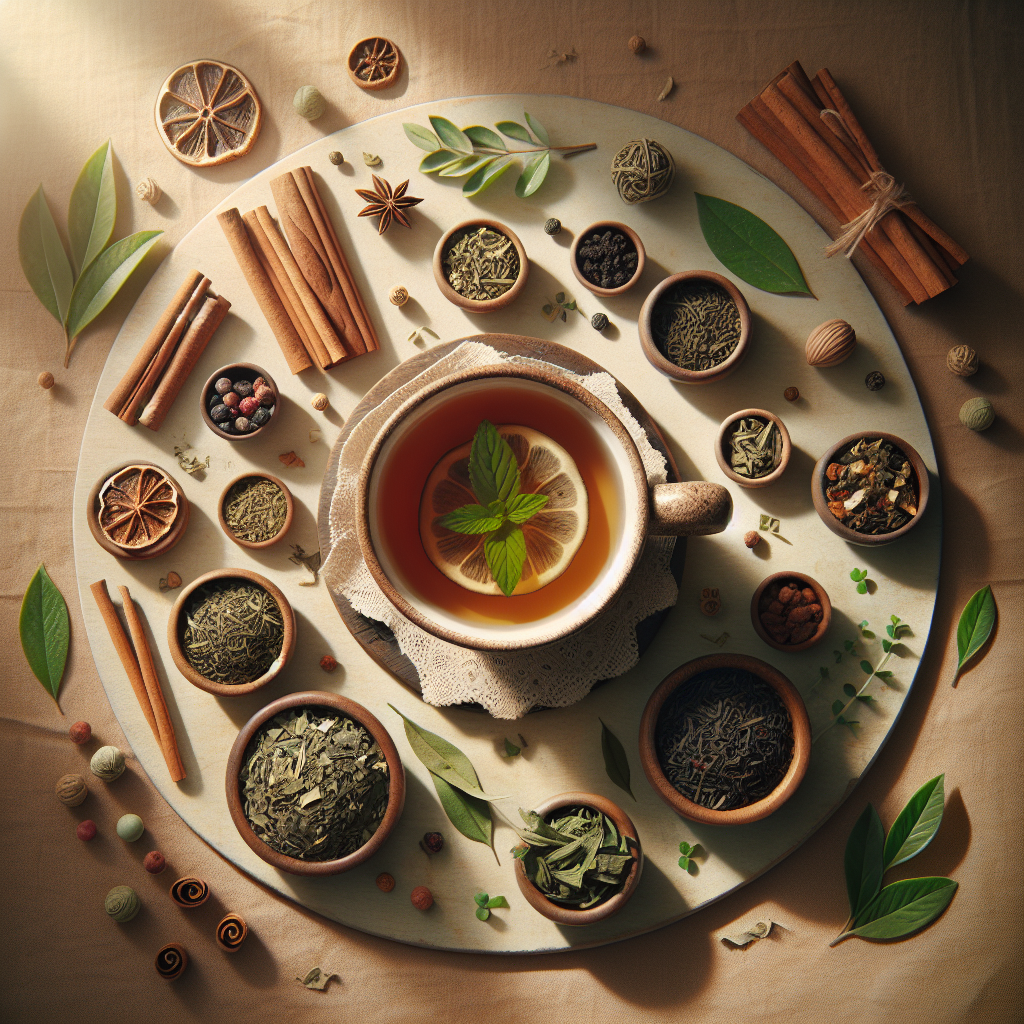
For many women, finding natural ways to manage Polycystic Ovary Syndrome can be complex. That’s where pcos tea blends come in as part of a holistic lifestyle approach. When crafted thoughtfully, herbal teas can help support hormone balance, improve energy, and promote a sense of calm without the side effects of synthetic supplements. Whether you’re exploring herbal infusions for the first time or refining your wellness routine, understanding the science and traditions behind pcos tea can help you make healthier, more empowered choices.
As increasing numbers of individuals focus on diet, mindfulness, and sustainable self-care, the role of herbal remedies continues to grow. Among these, pcos tea stands out for its versatility and gentle effectiveness. These specialized teas are not simply trendy beverages—they’re an intentional way to restore natural balance. This article explores everything you need to know about pcos tea: the benefits, key ingredients, science-backed facts, and practical tips to make it work in your daily life.
Understanding the Purpose of pcos tea
Before diving deeper into ingredients or brewing methods, it’s helpful to understand why drinking pcos tea can matter. The idea isn’t that tea cures PCOS, but that certain herbs and plant compounds support the metabolic, hormonal, and digestive processes affected by the condition. Common formulations combine herbs known to ease insulin resistance, reduce stress, balance blood sugar, and regulate menstrual cycles.
How pcos tea Integrates Into Hormonal Health
The herbs used in pcos tea—such as spearmint, cinnamon, chasteberry, and green tea—each play distinct roles in helping the body regain equilibrium. For instance, spearmint has been studied for its anti-androgenic properties, potentially lowering excess testosterone levels. Green tea, rich in catechins, contributes to improved insulin sensitivity and weight management. Cinnamon helps stabilize blood sugar. When combined, these ingredients act synergistically to provide a supportive environment for hormone harmony.
Scientific Insight Behind pcos tea Benefits
Clinical research continues to explore the efficacy of herbal teas on hormonal and metabolic health. Some studies indicate that regular consumption of ingredients commonly found in pcos tea can improve insulin response, promote better ovulation cycles, and minimize acne and hair thinning associated with androgen imbalance. While these effects may vary individually, it offers encouragement that plant-based interventions can align with medical care plans.
Core Ingredients Commonly Found in pcos tea
Good tea blends for PCOS do not depend on one magic herb. Instead, they embrace a mix of ingredients that work collectively. Here are some of the most powerful plants used to formulate authentic pcos tea blends worldwide.
Spearmint Leaf
Spearmint is one of the most studied herbs for hormonal balance. It can modestly reduce excess androgen levels, which may help lessen hair growth and acne. In addition to these benefits, spearmint tea has a naturally refreshing flavor that makes it enjoyable daily, even without sweeteners.
Cinnamon Bark
Cinnamon supports blood sugar balance—one of the main metabolic concerns for women with PCOS. Regular intake through pcos tea can help reduce insulin resistance and cravings for sweets. It adds a warm aroma and grounding energy to herbal tea combinations.
Green Tea
Loaded with antioxidants known as catechins, green tea aids metabolism and may boost fat oxidation. In the context of pcos tea, its inclusion is two-fold: promoting metabolic efficiency and supporting overall wellness. Studies show it may also aid in reducing LDL cholesterol levels.
Chaste Tree Berry (Vitex)
Vitex, called the “female herb,” is valued for its potential to normalize menstrual cycles and alleviate PMS symptoms by influencing dopamine and prolactin levels. Though effects develop over weeks, consistent intake through pcos tea blends can support reproductive hormone regulation naturally.
Other Supportive Ingredients
Common add-ins include ginger for inflammation control, licorice root for adrenal support, and nettle leaf for detoxification. This harmonious mix makes pcos tea both functional and flavorful.
Health and Wellness Benefits of Drinking pcos tea
While outcomes vary, many people report tangible improvements in energy, skin, and mood after consistently drinking these blends. Research and anecdotal experience combine to highlight these primary benefits.
Improves Hormone Balance
Regular consumption of pcos tea may assist in regulating hormones by supporting liver detox and hormonal rhythm. This can translate to improved menstrual regularity and fewer mood swings.
Supports Weight Management and Metabolic Health
Herbs like green tea and cinnamon work synergistically to improve insulin sensitivity. When paired with mindful eating and movement, pcos tea acts as a supplementary tool for steady metabolism and sustained energy.
Enhances Skin and Hair Health
Reduced androgen levels from spearmint and chasteberry may help minimize unwanted hair growth and hormonal acne. As hormonal activity evens out, the skin may appear clearer and less oily.
Reduces Anxiety and Improves Sleep
Some pcos tea varieties include adaptogenic herbs such as ashwagandha or chamomile. These plants ease the body’s stress response, which can reduce cortisol-driven issues like sleeplessness and anxiety—a critical aspect for women impacted by PCOS.
How to Prepare and Enjoy pcos tea
Brewing your own pcos tea doesn’t need complicated techniques. It’s about using fresh ingredients, correct steeping times, and mindful intake. The preparation itself becomes a ritual—a pause to care for your body.
DIY pcos tea Recipe at Home
To make a simple and effective pcos tea blend, mix equal parts dried spearmint leaf, cinnamon bark pieces, and green tea leaves. For hormone regulation, add a teaspoon of dried chaste berries per cup. Steep one spoonful of this mixture in hot water (not boiling) for about 5–7 minutes. Strain and sip slowly, allowing the aroma to relax the senses. You can sweeten it naturally with a touch of raw honey if you desire.
Advanced pcos tea Brewing Options
Experimentation is key. Some people prefer using cold-brew pcos tea infusions overnight, which highlight delicate flavors and maintain antioxidants. To prepare: place the herbs in filtered water, refrigerate for 8–12 hours, strain in the morning, and enjoy. You can combine this routine with mindful journaling or meditation. The consistency turns your wellness path into a grounded daily habit.
Integrating pcos tea Into Your Daily Routine
Consistency matters more than quantity. The most effective way to use pcos tea is to weave it into your existing habits naturally. Avoid consuming on an empty stomach if you’re sensitive to caffeine. The best times are mid-morning or mid-afternoon when insulin levels need support. Hydration plays a major role: pair tea with adequate water throughout the day to maximize its benefits.
Real-Life Success Examples
Consider Leah, a 28-year-old nutrition student who began drinking pcos tea twice a day alongside regular exercise. After three months, she noticed improved cycle regularity and fewer sugar cravings. Another example, Aliza, experienced better focus at work and less bloating. These testimonials reflect the supportive—not curative—nature of herbal routines when combined with balanced nutrition and lifestyle shifts.
Pairing With Other Holistic Practices
pcos tea performs best when integrated with whole-food eating, sleep hygiene, yoga, and stress management. Simple breathing exercises before each sip reinforce your body’s relaxation response. It’s a holistic loop of nourishment, mind-body alignment, and gentle detox.
Top Myths About pcos tea
Because of its growing popularity, many myths circulate around pcos tea. Clarifying these misconceptions helps consumers make more informed choices.
Myth 1: pcos tea Works Instantly
In reality, like most natural remedies, pcos tea works gradually. Benefits often appear after consistent use for weeks or even months. Short-term changes may include better mood and digestion, while long-term outcomes may involve improved hormonal balance.
Myth 2: All pcos tea Blends Are Equal
Quality varies widely between brands. Some commercial versions contain added sugars or artificial flavorings. Always check ingredient sourcing and choose organic, pesticide-free herbs. Certification labels can indicate transparency and ethical sourcing practices.
Myth 3: pcos tea Replaces Medical Treatment
Herbal teas are supportive, not substitutes for individualized care. They complement medical guidance. Always consult healthcare providers before integrating new herbs, especially if already on hormonal medication or insulin controls.
Quick Facts About pcos tea
Here’s a rounded look at what defines and distinguishes high-quality blends.
- Average brewing time: 5–7 minutes for hot, 8–12 hours for cold infusions.
- Flavor profiles range from sweet-minty to earthy-spicy, depending on herbs.
- Store dried herbs in airtight jars away from sunlight for potency.
- Pairing pcos tea with light snacks like nuts stabilizes blood sugar further.
- Consuming 2–3 cups daily delivers steady results without overconsumption.
Safety Considerations and Side Note
While herbal tea is largely safe, certain ingredients may cause interactions. Licorice, for instance, should be moderated by individuals with high blood pressure. Pregnant or lactating women should avoid strong hormone-modulating herbs like chasteberry unless cleared by a physician. Always purchase from reputable tea brands with transparent labeling standards.
External Expert Resources
For further insight, explore these reputable sources on tea research and health:
Internal Tea References
Frequently Asked Questions
What makes pcos tea different from regular herbal blends?
pcos tea formulations target hormonal and metabolic support more precisely than regular herbal teas. They often combine ingredients like spearmint, chasteberry, and cinnamon that influence insulin function and hormone balance. While many herbal drinks are excellent for general wellness, pcos tea emphasizes balance in reproductive and endocrine systems, not just detox or relaxation. Drinking it regularly complements your nutritional strategies and stress management for more consistent hormonal function.
How long should I drink pcos tea before seeing benefits?
Benefits generally appear after 4–8 weeks of consistent use, varying with individual health conditions and overall lifestyle. pcos tea functions cumulatively, rather than giving quick results. The timeline depends on diet, sleep, exercise, and stress levels. Since the herbs involved gently influence internal systems, patience is key. Continued daily use often results in greater menstrual regularity and improved energy resilience over time.
Can I consume pcos tea along with medications?
In most cases, yes, but consult your healthcare provider first. Some herbs in pcos tea—such as licorice or chasteberry—can interact with pharmaceutical treatments like birth control or hormonal therapy. It’s best to keep your doctor informed about all supplements, including herbal teas, to ensure synergy rather than interference. If approved, you can safely combine tea consumption with prescribed medicines while monitoring for mild reactions.
Is caffeine-free pcos tea available?
Yes, many pcos tea varieties are formulated without caffeine. Spearmint, cinnamon, chamomile, and licorice root versions are naturally caffeine-free and ideal for evening consumption. Caffeine-free blends support hormonal wellness without stimulating cortisol production, making them suitable for sensitive individuals. Choose organic caffeine-free pcos tea blends when managing sleep or stress-related PCOS symptoms for best results.
Should I drink pcos tea hot or cold?
Temperature choice depends on preference. A hot brew soothes cramps and promotes relaxation, while a cold brew of pcos tea is refreshing and great for summer days. The active compounds remain potent in both. If you’re targeting hormonal or circulation support, hot preparations may yield slightly faster absorption; for antioxidant retention and hydration, cold infusions may feel gentler and lighter.
Which is the best time of day to drink pcos tea?
Mid-morning and mid-afternoon are ideal, aligning with blood sugar fluctuations. Avoid drinking pcos tea right after heavy meals, as some tannins may affect nutrient absorption. Taking it between meals sustains energy and controls cravings. Evening sips can also improve relaxation if caffeine-free blends are used. Consistency and timing alignment with your daily routine significantly enhance the therapeutic potential.
Can men or non-PCOS individuals drink pcos tea?
Absolutely. The ingredients in pcos tea support balance and metabolism beneficial to most people. Men can enjoy antioxidant and anti-inflammatory advantages, though hormone-related effects might be subtle. These tea blends are safe for general wellness, detox, and digestion but should be consumed moderately. It’s simply a balanced herbal infusion rather than gender-exclusive medicine. Everyone can benefit from healthful hydrating rituals founded on natural plants.
Is it okay to mix pcos tea with other herbal drinks?
Yes, with mindful selection. Combining mild herbal varieties like nettle or lemon balm can enhance flavor and support without reducing pcos tea potency. Avoid mixing with stimulants like strong black tea if sensitive to caffeine or adrenal imbalance. Keep a rotation schedule—alternate between different blends weekly to offer the body diverse nutrients. It’s about balance, not excess. Listen to your internal response and adapt accordingly.
How should pcos tea be stored for freshness?
To preserve full aroma and potency, store pcos tea blends in air-tight containers away from sunlight and moisture. Glass jars or tin canisters lined with paper are perfect. Label your teas with purchase dates, so you know when to renew stock. Dried herbs typically stay fresh for six to eight months. Proper storage enhances both the healing qualities and the sensory experience every time you brew your daily cup.
Can I use pcos tea during pregnancy or breastfeeding?
It’s advisable to seek medical advice first. Certain herbs used in pcos tea, such as chasteberry or licorice, may not be suitable during pregnancy or lactation because of their hormonal activity. If cleared by your healthcare professional, you may switch to milder formulations focusing on chamomile or rooibos. Always prioritize both your safety and your baby’s development when choosing herbal remedies during these sensitive stages.



Leave a Reply