
Among the world’s most cherished morning beverages, english breakfast tea holds a timeless place. Known for its robust flavor, malty aroma, and rich undertones, this blend symbolizes both tradition and comfort. Whether served with milk and sugar or enjoyed on its own, english breakfast tea offers a grounding start to the day. It’s more than just a beverage—it’s a cultural marker and a ritual of calm in households and cafés across the globe. Understanding how this tea originated, what benefits it brings, and how best to brew it can deepen everyday enjoyment and appreciation.
Originally designed as a hearty tea to accompany a traditional English breakfast, english breakfast tea quickly became popular worldwide. Its flavor, typically strong and full-bodied, pairs well with a variety of morning meals. Over time, regional variations and personal preferences have shaped its evolution—from brisk Assam foundations to smoother Kenyan or Ceylon notes. Today, english breakfast tea remains a symbol of British hospitality, vitality, and ritual comfort, enjoyed by millions across time zones and cultures.
What Makes English Breakfast Tea Unique
The uniqueness of english breakfast tea stems from its blend and processing. Rather than being a single-origin tea, it’s a curated combination of black teas, often sourced from India, Sri Lanka, and sometimes Africa or China. This careful balancing achieves a consistent flavor profile despite seasonal differences in crop quality. A defining feature of the tea is its robustness—it’s designed to stand up to milk without losing character.
Origins and Blend Composition
Historically, english breakfast tea evolved during Britain’s booming tea trade of the 19th century. Blenders sought a morning cup strong enough to complement the rich foods typical of an English breakfast: eggs, bacon, toast, and beans. Early records attribute the name to a Scottish tea merchant, though others point to American tea importers promoting the “breakfast blend” concept. The composition often includes three main components:
- Assam: Adds malty, bold depth and color.
- Ceylon: Provides brightness and a citrus edge.
- Kenyan or Chinese teas: Contribute body and smoothness.
This harmony of flavor has remained consistent even as regional producers refine leaf selection, oxidation, and blending methods. English breakfast tea continues to evolve while staying rooted in its strong taste identity.
The Flavor Profile and Aroma
The sensory experience of english breakfast tea is robust yet accessible. Its aroma often recalls malt, toast, and caramel edges. Once brewed, it delivers a coppery hue with rounded tannins and medium-to-high astringency. Well-prepared tea leaves yield balanced strength—neither bitter nor overly earthy. Adding milk softens the tannins, creating a silky body that appeals to traditional drinkers. For those preferring a brisk edge, brewing plain highlights its crispness and faint sweetness.
Health Benefits of English Breakfast Tea
While english breakfast tea may be enjoyed for comfort, it also provides several health benefits. Packed with antioxidants known as polyphenols, it supports cardiovascular wellness and may enhance mental alertness. The caffeine content—around 40–70 mg per cup—offers a gentler boost than coffee without causing sharp crashes. Additionally, black tea’s natural compounds can aid digestion, stress management, and skin vitality.
Rich in Antioxidants
English breakfast tea contains flavonoids and catechins that help counteract oxidative stress. These antioxidants can:
- Support heart health by maintaining healthy blood vessel function.
- Enhance metabolic efficiency and reduce certain inflammation markers.
- Contribute to improved skin tone and reduced aging indicators.
Regular tea consumption has been linked to lower risks of chronic diseases. Still, moderation is key—two to three cups daily often bring these advantages without excess caffeine.
Promoting Mental Alertness and Focus
The caffeine and L-theanine combination in english breakfast tea stimulates alertness while supporting relaxation. Unlike coffee, which often produces jitteriness, the amino acids in tea promote steadier mental clarity. Many morning tea drinkers find it easier to concentrate after a cup, particularly when combined with consistent hydration. Students and professionals alike favor english breakfast tea for its energy-sustaining qualities during demanding days.
Digestive and Immune Support
The tannins found in black tea varieties contribute to mild digestive benefits. They encourage smoother bowel regularity, reduce bloating, and nurture gut bacteria balance. Moreover, the polyphenols in english breakfast tea may strengthen immune responses, protecting against common colds and minor infections. Complementing it with citrus or honey further enhances immune support naturally.
How to Brew the Perfect English Breakfast Tea
Preparing english breakfast tea well requires attention to subtle details, from water temperature to steeping time. Each variable influences the flavor outcome, so precision ensures the blend’s intended richness is captured.
Choosing the Right Leaves or Bags
Loose leaf tea generally offers greater depth than bagged counterparts due to leaf size and freshness. Opt for whole or broken leaves stored in airtight containers. Bagged tea remains convenient for quick mornings but may yield lighter flavors. Experimentation helps determine which suits your schedule and palette best.
Brewing Technique and Timing
To capture the best characteristics of english breakfast tea, follow these steps:
- Use freshly boiled water at around 95–100°C.
- Add one teaspoon (2 grams) of tea per cup.
- Steep for 3–5 minutes depending on desired strength.
- Strain immediately to prevent over-extraction and bitterness.
Those who prefer creaminess should add milk after brewing rather than before. It preserves optimal infusion temperature and clarifies flavor layers.
Serving Ideas and Pairings
Serve english breakfast tea with milk, oat milk, or lemon depending on mood. It pairs beautifully with both sweet and savory dishes: toast, scones, fruit preserves, or eggs. For an elevated experience, enjoy it with smoked salmon or croissants. During colder months, a pinch of cinnamon introduces warming spice without overwhelming its classic integrity.
Cultural Importance and Modern Adaptations
English breakfast tea is more than a morning beverage—it represents social connection, hospitality, and ritual calm. In offices, homes, and cafés, it’s often the drink people share during conversations or reflective pauses. The globalization of this tea has inspired numerous reinterpretations, from iced variations to fusion blends incorporating vanilla or rose petals.
Tradition Meets Innovation
Contemporary tea artisans have reimagined the familiar profile. Specialty cafés now feature iced english breakfast tea, combining its boldness with citrus syrup or cold foam. Others infuse it with botanical notes—lavender, cardamom, or bergamot—to satisfy evolving palates. Despite these modern twists, the essence remains the same: warmth, balance, and comfort in every sip.
English Breakfast Tea Around the World
In the United Kingdom, breakfast tea remains a centerpiece of daily life. Meanwhile, in the United States, it’s often chosen as a coffee alternative. In Japan and continental Europe, its appeal lies in its versatility—fitting alongside both Western and Asian cuisines. This adaptability explains the enduring presence of english breakfast tea across international breakfast tables and tea lounges alike.
Regional Sourcing and Sustainability
Modern consumers increasingly prioritize sustainability in tea production. Plantation practices in Assam, Kenya, and Sri Lanka now emphasize ethical sourcing and regenerative agriculture. Choosing fair-trade certified english breakfast tea helps ensure equitable wages for farmers and environmental conservation. Transparent labeling and organic certifications are guiding a global shift toward responsible tea consumption. For more insights on the evolution of tea farming, see our post on Tea Cultivation.
Quick Facts About English Breakfast Tea
Below are fast, memorable facts useful for enthusiasts and curious beginners alike:
- Blend Origin: Traditionally from India, Sri Lanka, and Kenya.
- Caffeine Level: Moderate to high compared to green teas.
- Common Pairings: Milk, sugar, honey, or lemon.
- Steeping Time: 3–5 minutes.
- Color: Deep amber to reddish-brown.
- Flavor Strength: Full-bodied and malty.
- Storage Tip: Airtight, cool, and dry environment.
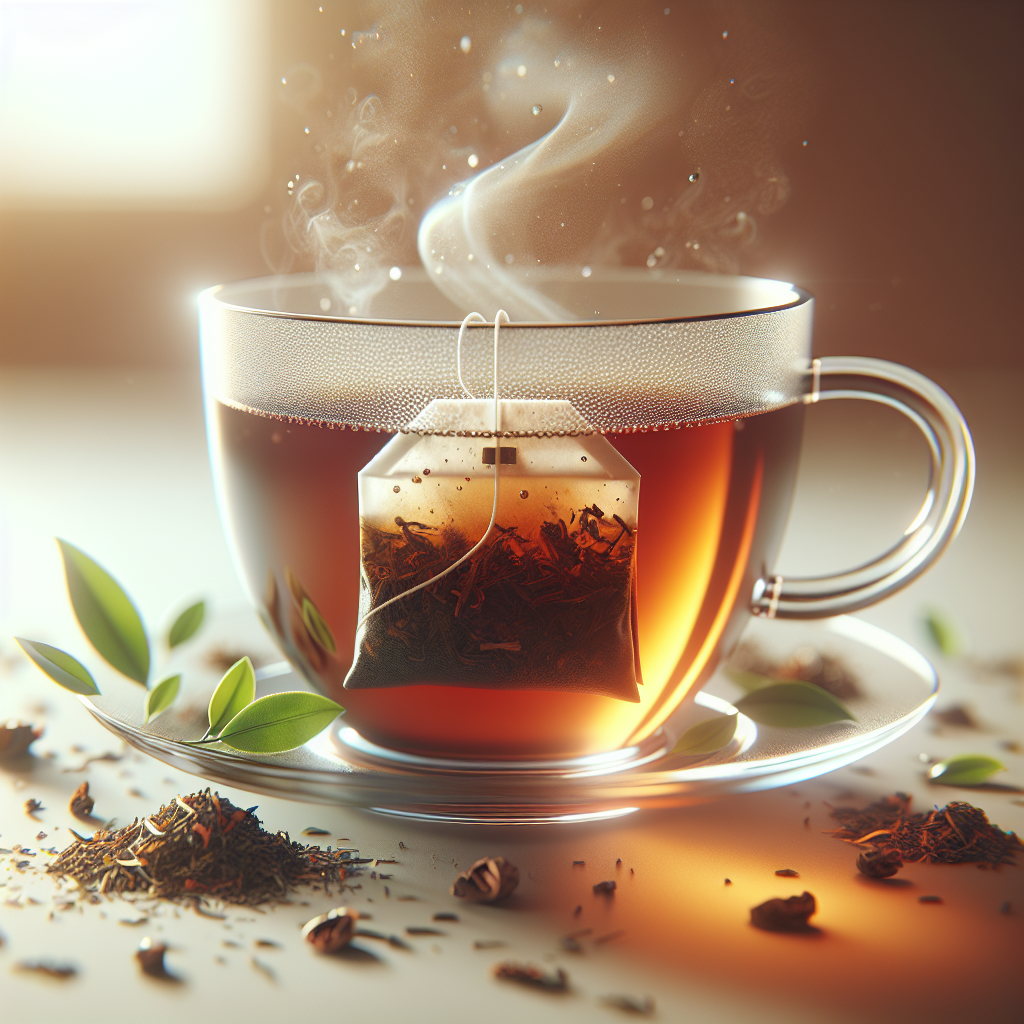
- Image Example:

Comparing English Breakfast Tea With Other Black Teas
English breakfast tea shares space with Earl Grey, Irish breakfast tea, and Ceylon-specific blends. However, it retains its unique utility as the most balanced and adaptable option among them. While Earl Grey tea receives its distinct profile from bergamot oil, english breakfast tea derives character purely from blend ratios and oxidation.
English vs. Irish Breakfast Tea
Irish breakfast tea generally includes a heavier proportion of Assam leaves, resulting in a darker, more malty brew. English breakfast tea, by comparison, balances that strength with gentle Ceylon brightness. For those who prefer a rich but not overpowering morning drink, the English variation suits every palate.
English Breakfast Tea vs. Earl Grey
Earl Grey’s defining aroma comes from citrusy bergamot oil, which gives floral sharpness. English breakfast tea, however, maintains malty warmth without added flavoring. This makes it more versatile for pairing with varied foods. Some tea drinkers blend small amounts of both to create an aromatic yet grounded hybrid cup.
Storage, Shelf Life, and Preservation Tips
Ensuring freshness directly impacts taste quality. English breakfast tea’s aroma and potency fade if exposed to moisture, sunlight, or strong odors. Proper care keeps its bold flavor stable for months after purchase.
Storage Guidelines
- Keep tea in opaque, airtight tins or jars.
- Avoid refrigerating, as condensation dulls the flavor.
- Label containers with purchase dates for rotation.
Whole-leaf tea typically lasts up to two years, while finer cuts or bagged tea maintain best flavor within nine months.
Creative Uses Beyond Drinking
Did you know english breakfast tea can also serve as a cooking ingredient? Its tannins and malty tones enhance baked goods, marinades, and even cocktails. For dessert experimentation, steep cream or milk with loose tea leaves for puddings or custards. Food artisans worldwide use brewed tea to glaze meats or enrich sauces. Explore more recipe ideas from Tea Recipe.
Conclusion: The Everlasting Allure of English Breakfast Tea
Few beverages balance comfort and vitality as well as english breakfast tea. Its deep, malty aroma and smooth finish have made it a morning essential for centuries. Whether brewed strong, served chilled, or infused in desserts, its essence connects heritage with modern lifestyle. Choosing sustainably sourced blends ensures every cup uplifts not only taste but also global tea farming communities. As trends evolve, the simple harmony of english breakfast tea remains a constant—a reminder of how ritual, mindfulness, and flavor can intersect in something as everyday as a cup of tea.
Frequently Asked Questions
What is english breakfast tea made of?
English breakfast tea is typically a blend of black teas sourced from Assam, Ceylon, and Kenya. The specific proportions vary by brand, but the main goal is a bold, malty taste that stands up well to milk. Artisan blenders may also include Chinese Keemun for added depth. Because it’s a blend rather than a single-origin tea, consistency remains high across seasons. Its recipe has evolved since Victorian times, ensuring drinkers still experience a smooth, reliable energy lift each morning without bitterness.
How much caffeine does english breakfast tea contain?
On average, a standard 8-ounce cup of english breakfast tea contains between 40 and 70 milligrams of caffeine. This moderate level provides enough stimulation to enhance alertness without the uneasy buzz often caused by coffee. The exact caffeine content can vary depending on steeping time and tea variety within the blend. Extending steeping time strengthens both taste and caffeine extraction. Those seeking less caffeine may opt for shorter infusions or blend decaffeinated versions while maintaining comparable flavor.
Is english breakfast tea healthier than coffee?
Comparing english breakfast tea and coffee depends on personal preference and caffeine tolerance. Tea offers a gentler source of energy and significant antioxidant benefits. The L-theanine compound found in tea helps counteract stimulant effects, supporting calm focus. Coffee contains more caffeine but fewer antioxidants relative to tea. Regular tea drinkers often experience steadier energy, improved hydration, and reduced stress markers. Ultimately, choosing tea may create a smoother morning balance that complements rather than spikes energy levels.
Can you drink english breakfast tea without milk?
Yes, english breakfast tea can be enjoyed plain without milk or sweeteners. When brewed properly, it provides a naturally smooth texture and faint caramel undertones. Skipping milk accentuates its crispness and aromatic balance. To soften any astringency, reduce brew time by 30 seconds or use slightly cooler water. Many tea lovers enjoy discovering flavor subtleties this way. Serving it black is also common in gourmet tasting sessions, allowing true origin nuances, from Assam malt to Ceylon brightness, to shine through.
Does english breakfast tea aid in digestion?
Yes, certain compounds in english breakfast tea can support digestion. The tannins have mild astringent effects that soothe the stomach and aid nutrient absorption. It also helps reduce bloating and provides hydration that benefits overall gut function. Drinking it after meals can promote smoother metabolism. However, those with caffeine sensitivity should moderate intake, as high amounts might irritate the stomach. Opting for mid-strength brewing is a sensible choice to retain digestive benefits without overstimulation.
What’s the difference between english breakfast tea and Earl Grey?
While both are black teas, their flavor origins differ. English breakfast tea is a blend of robust black teas offering depth and maltiness. Earl Grey, by contrast, is infused with natural bergamot oil, adding floral citrus notes. The former suits milk mixing, while the latter often shines plain or with lemon. Choosing between them depends on mood—classic comfort versus aromatic sophistication. Some blenders craft crossover versions, combining both for drinkers who appreciate layered tastes balancing robustness and fragrance.
How should english breakfast tea be stored for freshness?
To maintain english breakfast tea’s freshness, store it in airtight, opaque containers away from light, heat, and moisture. Avoid glass jars placed in sunlight, as exposure accelerates flavor degradation. Keep the container in a cool, dry cupboard rather than a refrigerator. Labeling jars with purchase dates ensures timely rotation. Whole-leaf varieties last longer than finely cut ones. Following these simple measures guarantees that every cup retains its intended malty aroma and vibrant color even months after purchase.
Where can I learn more about global tea culture?
To explore global tea traditions beyond english breakfast tea, reliable resources like the Tea Association of the U.S.A. and TeaClass provide deep education about preparation, culture, and tasting. They illustrate how each region influences tea artistry—from British morning customs to Asian ceremonies. Exploring these sources expands understanding and appreciation of how everyday blends connect history, cultivation, and community around the world.




Leave a Reply