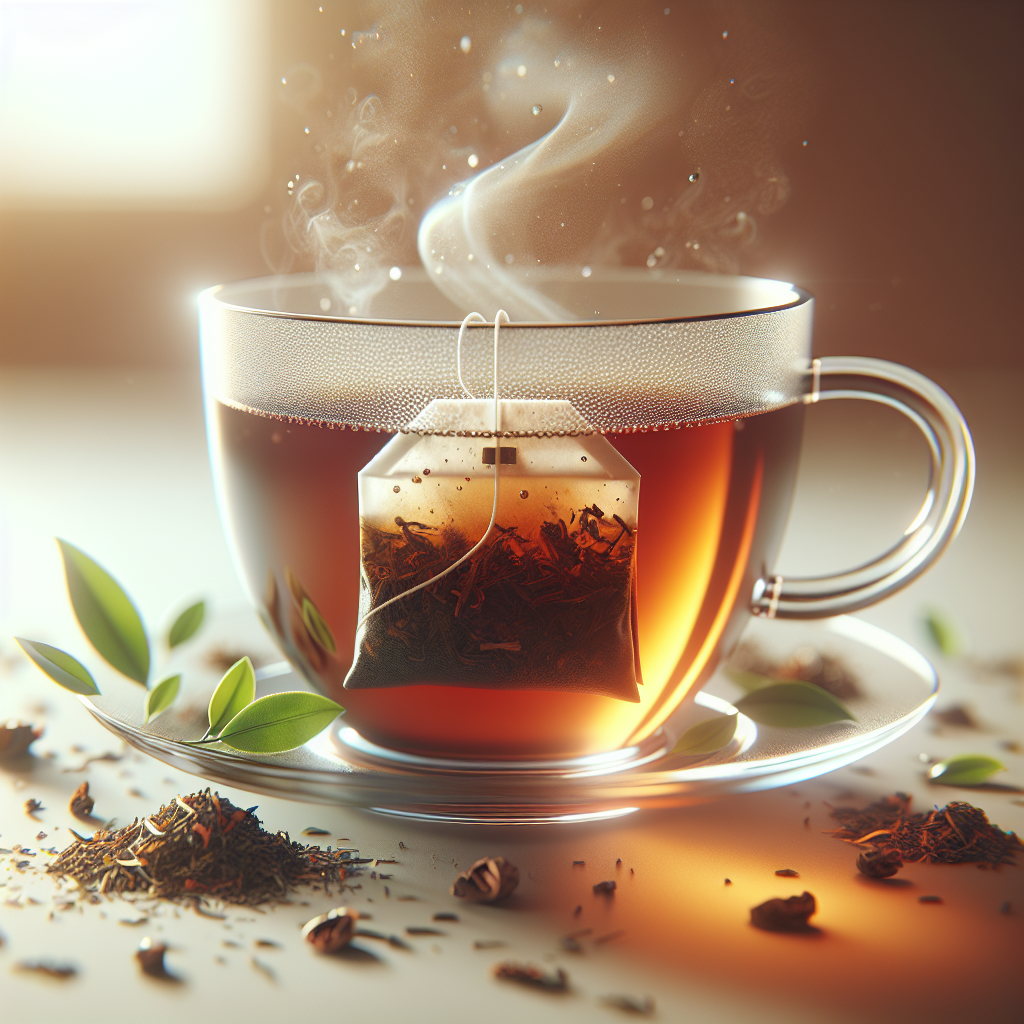
If you’re a tea enthusiast or even an occasional tea drinker, understanding how long does loose leaf tea last is crucial for maintaining the freshness and flavor of your brew. Beyond just a delightful beverage, tea is an experience, influenced heavily by its freshness. This piece will guide you through the longevity of loose leaf tea, the factors that affect its shelf life, and practical tips to ensure you always get the best out of your tea leaves.
Understanding the Shelf Life of Loose Leaf Tea
Loose leaf tea, unlike its bagged counterparts, usually offers a richer flavor and greater depth with each cup. However, the longevity and preservation of these qualities depend significantly on several factors.
Storage Factors Influencing Loose Leaf Tea Freshness
One might wonder, exactly how long does loose leaf tea last when considering proper storage? The answer isn’t straightforward as it depends on several variables:
- Air Exposure: Air can degrade the quality of loose leaf tea by oxidizing its natural oils, diminishing its flavor and aroma over time.
- Moisture: Tea leaves must be kept dry to avoid mold growth and to maintain potency.
- Light: Direct sunlight or bright indoor lights can accelerate the degradation process of the delicate leaves.
- Temperature: Warm environments can promote the breakdown of the leaves, leading to stale flavors.
Optimal Storage Solutions for Longevity
To maximize how long loose leaf tea lasts, consider the following storage practices:
- Airtight Containers: Store your tea in containers that block air flow and are opaque to shield from light.
- Cool, Dark Place: A cabinet or pantry away from heat sources and sunlight is ideal for storage.
Examples of Correct Storage in Real Life
Imagine you’ve just received a variety of loose leaf teas: a delicate White Peony and a robust Assam. Storing them in separate, sealed tins in a cool, dark pantry shelf ensures that each retains its unique flavors and aromas, often extending the freshness beyond what many might expect.
Loose Leaf Tea Lifespan: What to Expect
Generally, high-quality loose leaf tea can last quite a long time when stored properly. The type of tea, however, plays a critical role in its shelf life.
Expiry Dynamics by Tea Type
Different teas deteriorate at different rates:
- Green and White Teas: These teas are more delicate and generally last up to a year.
- Black and Oolong Teas: With a sturdier oxidization process, these can maintain quality for about two years.
- Herbal Teas: Being varied, their lifespan can also vary, often between one to three years depending on the ingredients.
Impact of Processing on Shelf Life
Teas that undergo minimal processing, like green and white teas, retain more of their natural oils, which while enriching flavor, can also make them more susceptible to degradation. In comparison, fully oxidized teas like black teas have a longer shelf life due to their robust nature.
Frequently Asked Questions
What is the usual lifespan of loose leaf herbal tea?
Loose leaf herbal tea can last from one to three years when stored correctly in airtight containers and kept away from moisture and light.
How often should I replace my stock of loose leaf green tea?
It is advisable to replace green tea annually to ensure maximum freshness and to enjoy its delicate flavors fully.
Can improper storage affect the health benefits of loose leaf tea?
Yes, factors like excessive light, air, and moisture can degrade not just the flavor but also the nutritional content of the tea, impacting its health benefits.
Is it safe to drink loose leaf tea after its expiration date?
While it might not pose a health risk, the flavor and aroma of the tea will likely not be as potent or pleasant past the recommended storage period.
Does freezing extend the shelf life of loose leaf tea?
Freezing is not generally recommended as it can introduce moisture to the leaves. Instead, focus on airtight and cool storage solutions.
Does the fineness of tea leaves alter its freshness period?
Finer tea cuts, often found in dust and fannings used in tea bags, tend to lose their freshness faster than whole loose leaf varieties.
What signs indicate that loose leaf tea has gone bad?
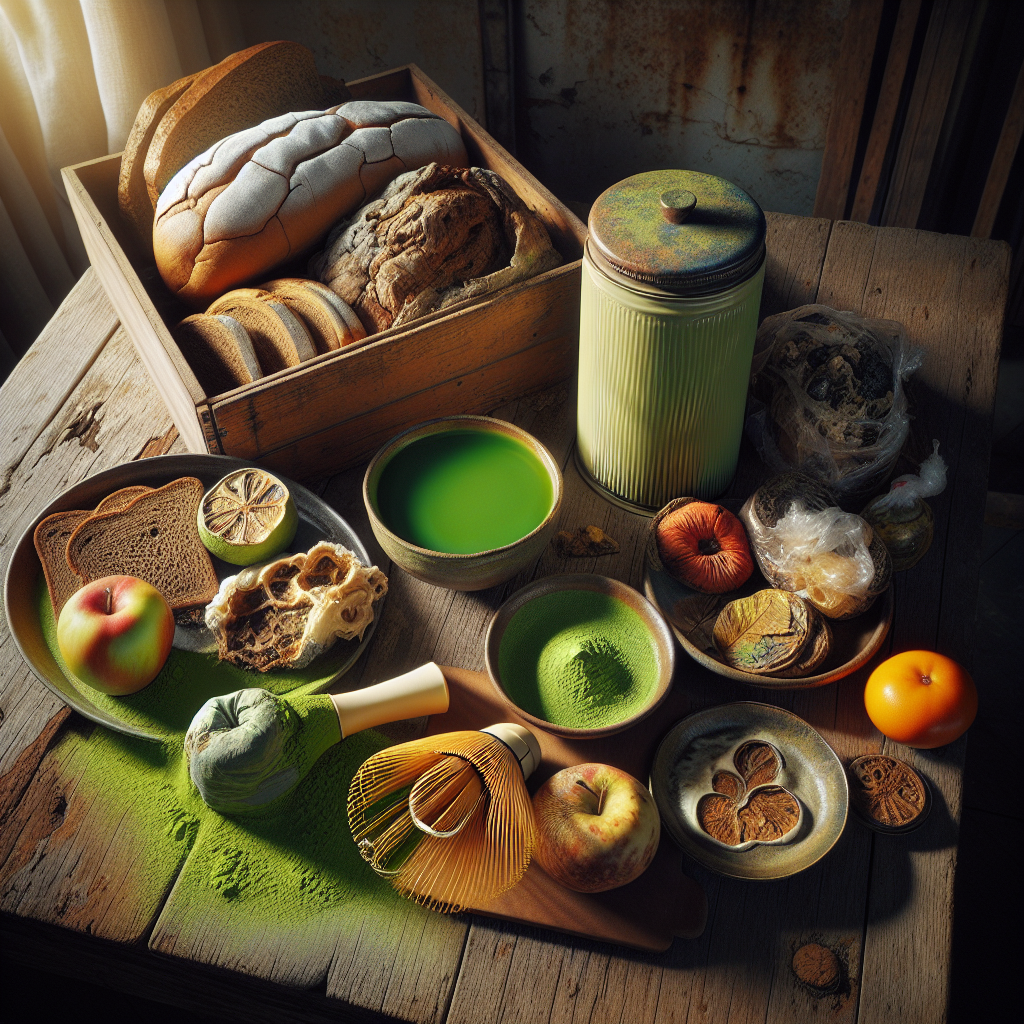
Look for signs like a musty smell, dull color, or if the tea leaves have become unusually brittle. Any mold presence means the tea should be discarded immediately.
Knowing how long does loose leaf tea last and applying optimal storage practices can profoundly impact your tea’s quality and longevity. Enjoy the nuanced flavors of your tea by keeping them as fresh as possible, ensuring every cup is as satisfying as it’s meant to be.

Leave a Reply