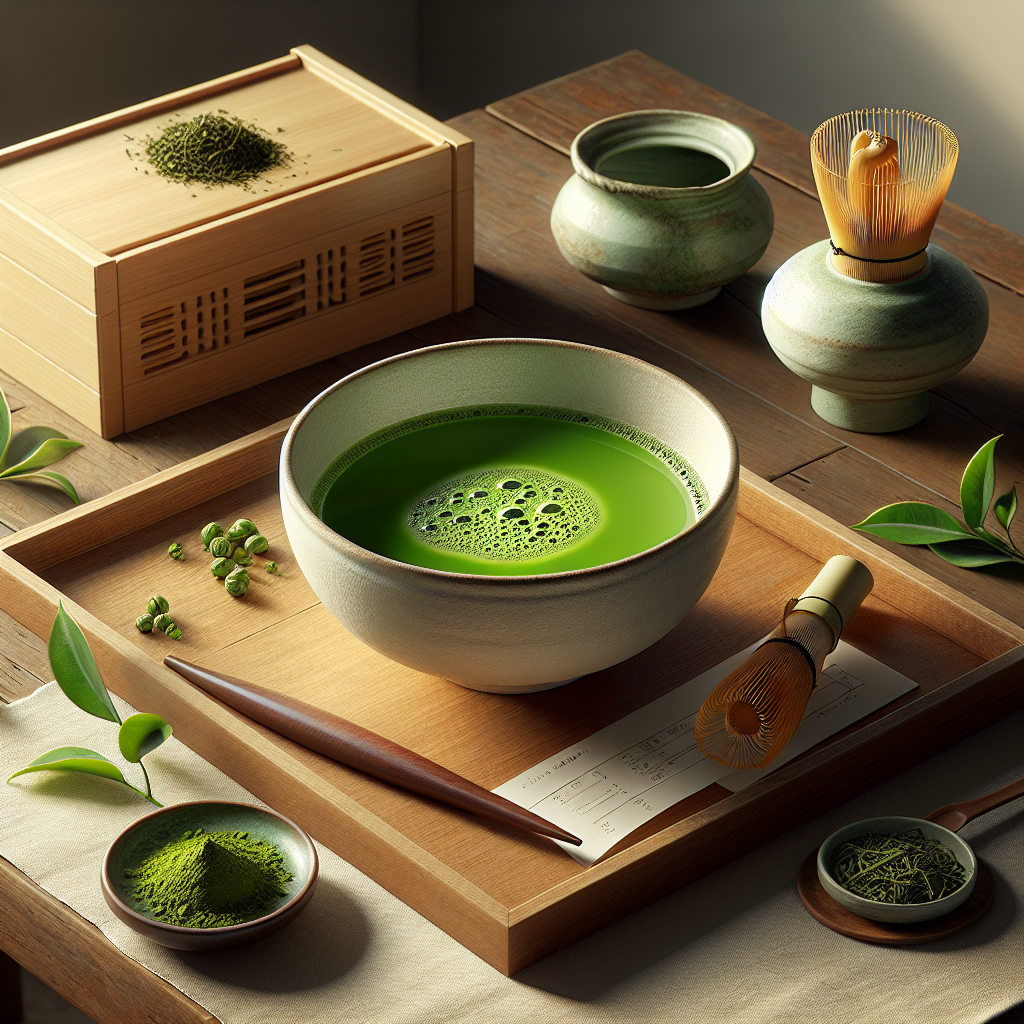
There is something timeless and deeply calming about enjoying a warm bowl of japanese matcha tea. Its emerald hue, velvety texture, and distinct umami notes embody centuries of craftsmanship and culture. Beyond its captivating flavor, japanese matcha tea represents a mindful ritual that balances energy and serenity. Its appeal stretches beyond traditional tea ceremonies into modern kitchens, cafes, and wellness lifestyles worldwide. Whether whisked in a ceremonial bowl or crafted into creative beverages, the experience of savoring authentic japanese matcha tea reveals layers of history, science, and sensory delight.
This article explores how to enjoy japanese matcha tea with expert flavor notes. From understanding authenticity to discovering pairing ideas, preparation methods, and cultural context, we’ll explore how this powdered green tea transforms daily mindfulness into an art form. With every whisk, you’ll appreciate how soil, shade, and careful hands produce a beverage that reflects purity and balance. Let’s examine what makes japanese matcha tea both a traditional art and a modern global favorite worth savoring.
The Essence of Authentic Japanese Matcha Tea
The defining characteristic of japanese matcha tea lies in its meticulous cultivation and careful preparation. Unlike conventional green teas, matcha uses shade-grown leaves known as tencha, which are hand-picked, steamed, dried, and finely stone-ground into a vibrant green powder. This process enhances chlorophyll levels, resulting in a rich green color and smooth texture. When prepared correctly, the tea offers a balanced combination of bitterness, sweetness, and umami.
Authentic japanese matcha tea originates primarily from regions such as Uji in Kyoto, Nishio in Aichi, and Shizuoka Prefecture. These areas possess ideal conditions for tea plants—humid climates, fertile soils, and generations of expertise passed from farm to farm. A bowl of true japanese matcha tea is therefore not merely a drink but a representation of geography, craftsmanship, and cultural continuity.
Flavor Characteristics of Japanese Matcha Tea
Each variety of japanese matcha tea features a distinctive flavor profile influenced by the terroir, shade period, and grinding methods. High-quality ceremonial-grade matcha delivers a natural sweetness and a deep umami tone reminiscent of seaweed or fresh greens. Culinary-grade matcha, while bolder, carries an energizing bitterness ideal for recipes. The finest expressions taste creamy, earthy, and slightly vegetal with lingering smoothness that coats the palate.
- Sweetness: Derived from amino acids developed during shading.
- Umami: Naturally rich in L-theanine, giving a savory note and calming effect.
- Bitterness: A marker of tannins, balanced through proper whisking and water temperature.
- Texture: Smooth, frothy microbubbles contribute to its velvety mouthfeel.
The Cultural Story Behind Japanese Matcha Tea
The history of japanese matcha tea dates back to the 12th century when Zen monks introduced powdered tea to Japan from China. Over time, Japanese tea masters refined both cultivation and ceremony, turning matcha drinking into a meditative practice. This tradition evolved into the renowned chanoyu, or Japanese tea ceremony, where every gesture—pouring, scooping, whisking—reflects harmony and respect.
In ancient temples, monks consumed japanese matcha tea before long meditative sessions to remain alert and centered. The balanced caffeine and amino acid synergy prevent energy crashes, encouraging focus and calm awareness. Today, both monks and modern wellness seekers value japanese matcha tea as a bridge between mindfulness and vitality.
Philosophy of Balance
At the heart of japanese matcha tea culture lies the concept of wabi-sabi—the beauty found in imperfection and transience. Tea gatherings highlight this philosophy through simple utensils, rustic textures, and an appreciation of nature’s cycles. Sharing japanese matcha tea is not just about tasting but about participating in an unfolding aesthetic moment that connects host, guest, and environment.
How to Prepare Japanese Matcha Tea Like an Expert
Preparation transforms powdered tea into an elegant experience. The traditional tools include a bamboo whisk (chasen), ladle (hishaku), and bowl (chawan). Each tool supports the process of bringing out harmony between water and powder, texture, and taste.
Choosing the Right Tools and Matcha
Use a fine sieve to break clumps, ensuring smooth consistency. Warm the bowl with hot water and dry it before adding matcha. Place 1 to 2 grams of japanese matcha tea in the bowl, pour about 70ml of water at roughly 80°C, and whisk using quick zigzag motions until a fine foam forms. The resulting tea should appear vibrant green with a delicate aroma.
When selecting your matcha, look for features like bright green color and a slightly sweet scent. Dull or yellowish powder indicates oxidation or lower quality. Trusted producers from Uji or Nishio often ensure superior ceremonial grades. For everyday uses such as lattes or baking, culinary-grade japanese matcha tea offers a practical yet flavorful option.
Tips for Enhancing Flavor and Experience of Japanese Matcha Tea
Small adjustments can enhance the sensory experience:
- Opt for filtered water to avoid mineral interference with flavor.
- Pre-sift the powder to produce smoother froth.
- Use calm whisking gestures to express mindfulness during preparation.
- Pair your tea with simple sweets, like wagashi, for balance.
- Serve in a handcrafted bowl to appreciate tactile beauty.
The elegance of japanese matcha tea lies in its ritual simplicity. Respecting each step deepens appreciation for its lineage and the craft behind its creation.
Health Benefits and Science of Japanese Matcha Tea
Science affirms what centuries of tradition knew: japanese matcha tea offers abundant health advantages. Because entire leaves are consumed, it delivers more nutrients than steeped teas. It’s rich in antioxidants, particularly catechins known for combating oxidative stress. Among them, EGCG (epigallocatechin gallate) has been associated with heart health and metabolic support.
- Antioxidant Support: Helps neutralize free radicals for cellular protection.
- L-theanine: Promotes relaxation without drowsiness.
- Natural Caffeine: Provides sustained energy without jitters.
- Chlorophyll: Supports detoxification and vibrant coloration.
Regular consumption of japanese matcha tea has also been linked to improved focus, reduced stress markers, and increased metabolism. Its balance between stimulation and relaxation makes it a beverage of choice for both meditation and productivity.
Scientific Studies Supporting Japanese Matcha Tea
Recent research published in nutritional journals highlights the biochemical effects of compounds found in japanese matcha tea. Studies from Kyoto University emphasize that L-theanine modulates neural activity, producing alpha brain waves linked to calm concentration. Meanwhile, international studies suggest matcha supports cardiovascular function and cognitive longevity. For readers interested in health-oriented discussions, further information can be found on Healthline and TeaClass, both of which offer comprehensive resources on tea science and benefits.
Modern Culinary Uses of Japanese Matcha Tea
While traditional preparation stays central, japanese matcha tea has extended into modern cuisine. Its earthy flavor and vivid pigment enhance both sweet and savory recipes. Matcha pairs beautifully with dairy, nuts, white chocolate, and even citrus, adding complexity to desserts, sauces, or breakfast bowls.
Popular Culinary Innovations
Today, chefs worldwide experiment with japanese matcha tea in creative dishes. You might find matcha-infused tiramisu, butter cookies, ice cream, or pasta dough. The tea’s fine powder ensures even distribution, adding not just color but a velvety bitterness balancing sweetness. Even mixologists use it in cocktails for an elegant twist with natural sophistication.
You can explore matcha-based recipes on Tea Recipe, where culinary enthusiasts share new pairings inspired by traditional flavors.
Pairing Japanese Matcha Tea with Everyday Foods
Pairing matcha with the right foods enhances its subtlety:
- Sweets: Complement your bowl of japanese matcha tea with red bean mochi or simple butter cookies.
- Savory: It pairs elegantly with mild cheeses and umami-rich vegetables like asparagus or mushrooms.
- Beverages: Cold brew versions balance tart fruit juices or almond milk beautifully.
The culinary flexibility of japanese matcha tea demonstrates its ability to evolve while preserving traditional identity.
Mindfulness and Ritual: The Soul of Japanese Matcha Tea
Beyond physical benefits and flavor, japanese matcha tea encourages mindful awareness. Each step becomes meditative—scooping powder, pouring water, whisking foam. The rhythm of preparation reflects intentional living, creating small pauses in daily life. People often find these moments restorative, grounding, and essential for balance amid modern routines.
In mindfulness practice, drinking japanese matcha tea reinforces gratitude. You become aware of texture, aroma, and temperature, fostering sensory appreciation. Over time, these mindful rituals invite serenity that lingers beyond the cup. Related insights about cultural traditions and mindfulness can be explored at Tea History, a valuable internal reference for heritage enthusiasts.
Integrating Matcha Mindfulness into Daily Life
You don’t need a full ceremony to adopt its spirit. Ritual can mean simply whisking your morning matcha slowly or sharing it with a friend. By pausing to notice the color or inhale its aroma, you build presence. The philosophy that guides japanese matcha tea—respect for each ingredient and action—translates into daily gratitude practices.
How to Choose Quality Japanese Matcha Tea
When searching for top-quality japanese matcha tea, provenance matters deeply. Authenticity is signaled by both region and craftsmanship. Look for labeling that specifies “ceremonial grade” and origin, ideally from Uji or Nishio. Packaging should protect from light and air to preserve freshness.
- Color: Bright, fresh green indicates high chlorophyll content.
- Smell: Fresh, slightly sweet aroma denotes care in processing.
- Texture: Finer powder disperses smoothly in water.
- Taste: A balance of umami and mild sweetness defines premium quality.
Many specialty stores now provide tasting sessions or small trial tins, allowing buyers to compare flavors. Over time, your palate will recognize subtle grades—another rewarding step in fully appreciating japanese matcha tea.
Frequently Asked Questions
What makes japanese matcha tea different from regular green tea?
Unlike standard green tea where leaves are steeped and discarded, japanese matcha tea is stone-ground from entire shade-grown leaves, meaning you consume all the nutrients directly. This method amplifies flavor intensity, color vibrancy, and health benefits. Additionally, matcha cultivation involves shielding plants from sunlight for up to three weeks before harvest, boosting chlorophyll and amino acid levels. The result is a smoother, richer, and more balanced taste experience, often described as earthy and creamy. Regular green tea offers freshness, but japanese matcha tea transforms that flavor into a full-bodied, concentrated form of healthy indulgence.
How should I store japanese matcha tea for freshness?
To maintain freshness, store japanese matcha tea in an airtight, opaque container away from light, heat, and moisture. Refrigeration can help extend its color and aroma, but it’s important to let it return to room temperature before opening to avoid condensation. Once opened, try to consume it within 30 to 60 days for optimal flavor. Exposure to air quickly diminishes its brilliant green hue and crisp umami profile. Keeping it sealed in a cool cabinet or refrigerator ensures its distinctive taste remains pure. Think of storage as an act of preserving both artistry and vitality within your bowl.
Can I use japanese matcha tea in lattes or smoothies?
Absolutely. Japanese matcha tea blends brilliantly with milk, plant-based alternatives, or fruits for smoothies. Its fine powder dissolves evenly, creating vibrant color and mild bitterness that balances sweetness. To make a latte, mix one teaspoon of matcha with hot water before adding frothed milk or oat milk. For smoothies, blend matcha with bananas, almond milk, and honey. The combination yields energy without crashes, ideal for morning routines. Since you’re consuming the entire leaf, nutrients like antioxidants and L-theanine remain potent, offering endurance and clarity alongside flavor. Experiment and discover how versatile this ancient powder can be today.
Is there caffeine in japanese matcha tea?
Yes, japanese matcha tea naturally contains caffeine, approximately 60–70 mg per serving, depending on quantity and grade. However, unlike coffee, the presence of L-theanine moderates caffeine absorption, providing steady vitality without jittery spikes. This unique synergy explains why monks historically used matcha during meditation to stay alert yet calm. Many drinkers appreciate its ability to energize concentration while maintaining composure. For those sensitive to caffeine, try smaller servings or ceremonial grades renowned for delicate flavor and balanced stimulation. Japanese matcha tea thus offers mindful invigoration, uniting alertness and tranquility—a benefit unmatched by most caffeinated beverages.
How do I identify high-quality japanese matcha tea when buying online?
Focus on color, origin, and certifications. Premium japanese matcha tea appears a rich, vivid jade green, sourced from reputable regions like Uji or Nishio. Check for ceremonial-grade labeling and vacuum-sealed packaging. Read provider transparency—farms that explain shading and grinding processes often maintain quality control. Avoid dull or yellowish powders with grainy texture. Reviews mentioning smooth taste, umami, and fine froth consistency are positive indicators. Authentic producers also specify freshness dates and storage advice. Remember that high-grade matcha commands slightly higher prices because shade-growing and handpicking demand labor-intensive precision essential for delivering exceptional tea moments.
What are some traditional sweets to serve with japanese matcha tea?
Traditional Japanese sweets or wagashi complement japanese matcha tea beautifully. Common choices include dorayaki (red bean pancakes), mochi, and yokan (sweet bean jelly). Their mild sweetness highlights the tea’s earthy, umami profile, creating harmony on the palate. These confections are often shaped and colored seasonally, enhancing the ceremonial atmosphere. Serving wagashi isn’t only about flavor but about aesthetic appreciation—balance of texture, beauty, and symbolism. Even simple butter cookies or rice crackers can work when prepared with mindfulness. The gentle pairing underscores hospitality and mirrors the philosophy of simplicity central to authentic tea enjoyment.
Where can I learn more about preparing authentic japanese matcha tea?
You can deepen your knowledge through workshops, books, or reputable guides from Japanese tea associations. Dedicated websites detail ceremonial practices step-by-step, from whisking technique to etiquette. Watching masters demonstrate preparation provides insight into motion and mindfulness. Authentic sources like Kyoto tea schools or national tea associations share comprehensive techniques for both beginners and advanced learners. Online, explore resources at Japanese Tea Association for credible instruction. Replicating authentic japanese matcha tea involves practice—embracing each whisk as art. Over time, personal ritual replaces imitation, turning each serving into a mindful performance of culture and calm.
Does japanese matcha tea lose nutrients when cooked or baked?
Heating can reduce some antioxidant potency, especially EGCG compounds, yet japanese matcha tea retains substantial benefits in recipes. Its caffeine, chlorophyll, and L-theanine remain mostly stable, particularly when used in gentle baking or cold preparations. To preserve the most nutrients, add matcha near the end of cooking or as a finishing dust over desserts. Even in baked goods, it provides color, aroma, and a subtle upgrade in focus and alertness. Chefs use this quality intentionally, crafting pastries that offer both flavor depth and functional energy. Moderation and smart methods keep Japanese matcha nutrition alive in creative cuisine.
Every sip of japanese matcha tea is a tribute to centuries of refinement, respect, and sensory artistry. Whether enjoyed ceremonially, stirred into a latte, or integrated into culinary creations, its vivid color and profound calm energize both mind and body. Cultivating familiarity with its nuances—flavor, texture, and preparation—enriches appreciation for its timeless significance. Exploring expert flavor notes allows you to engage every sense through one bowl of elegant, enduring tranquility.



Leave a Reply