
There’s something inherently calming about a cup tea. Whether it’s your morning ritual, your mid-afternoon escape, or a moment of mindfulness shared with friends, discovering the right cup tea can open a new world of flavor, health, and cultural appreciation. From the type of leaves you choose to the way you brew and serve it, each detail contributes to a deeply personal experience. In this guide, we’ll explore how to discover the perfect cup tea along with essential tips and well-researched benefits that can enrich body and mind.
Tea has been consumed for centuries across diverse cultures, playing roles in health, hospitality, and meditation. Today, many are rediscovering tea not only as a beverage but as a purposeful lifestyle practice. A cup tea can energize, relax, or heal, depending upon what you seek and how it’s prepared. Let’s delve into how a simple cup tea can embody art, science, and tradition while offering harmony between flavor and well-being.
Why Discovering the Right Cup Tea Matters
At first glance, a cup tea might seem ordinary, yet each sip can tell a story. Discovering your ideal tea means connecting with your senses—taste, aroma, and texture. Different teas ignite unique emotional and physical responses. Understanding what makes a cup tea special helps create a more fulfilling tea experience aligned with your needs and lifestyle.
The Emotional Connection with a Cup Tea
Many tea drinkers find ritual and reflection in their daily habits. The gestures involved—pouring hot water, watching colors bloom, inhaling the steam—form an emotional bond. A cup tea becomes a meditative object. Just five quiet minutes over tea can anchor your day, reduce stress, and reinforce self-awareness.
The Science Behind a Cup Tea Experience
Tea leaves contain bioactive compounds such as catechins, polyphenols, and amino acids. The process of steeping extracts these compounds, revealing flavor and wellness benefits. A well-prepared cup tea can support hydration, boost metabolism, strengthen immunity, and deliver antioxidants that protect cells from oxidative stress. Understanding this chemistry allows you to adjust your brewing to maximize flavor and benefit.
How to Choose the Perfect Cup Tea
With dozens of varieties, choosing a tea can feel overwhelming. However, selecting a cup tea suited to your mood, health, and taste preference becomes easier once you recognize the basic categories and their traits.
Understanding Tea Categories
Most teas originate from the same plant, *Camellia sinensis*, with differences in processing creating unique types:
- Green tea: Mildly processed, green teas like Sencha or matcha yield grassy, vibrant notes.
- Black tea: Fully oxidized, offering depth and body; popular varieties include Assam and Earl Grey.
- Oolong tea: Semi-oxidized, balancing green freshness with black richness.
- White tea: Minimally processed, delicate, and rich in antioxidants.
- Herbal infusions: Not always true teas but flavorful blends with soothing therapeutic effects.
The Role of Origin and Terroir in a Cup Tea
Just like wine, tea reflects its terroir—the environmental conditions where it’s grown. A cup tea from Darjeeling will differ dramatically from one from Fujian, due to soil composition, altitude, and climate. Exploring origins deepens your appreciation. Consider experimenting with small tasting sessions where you sample the same variety grown in different regions.
Practical Tips to Select Your Ideal Cup Tea
To truly enjoy a cup tea, pay attention to freshness, form, and intention:
- Source from reputable tea merchants with transparent origin details.
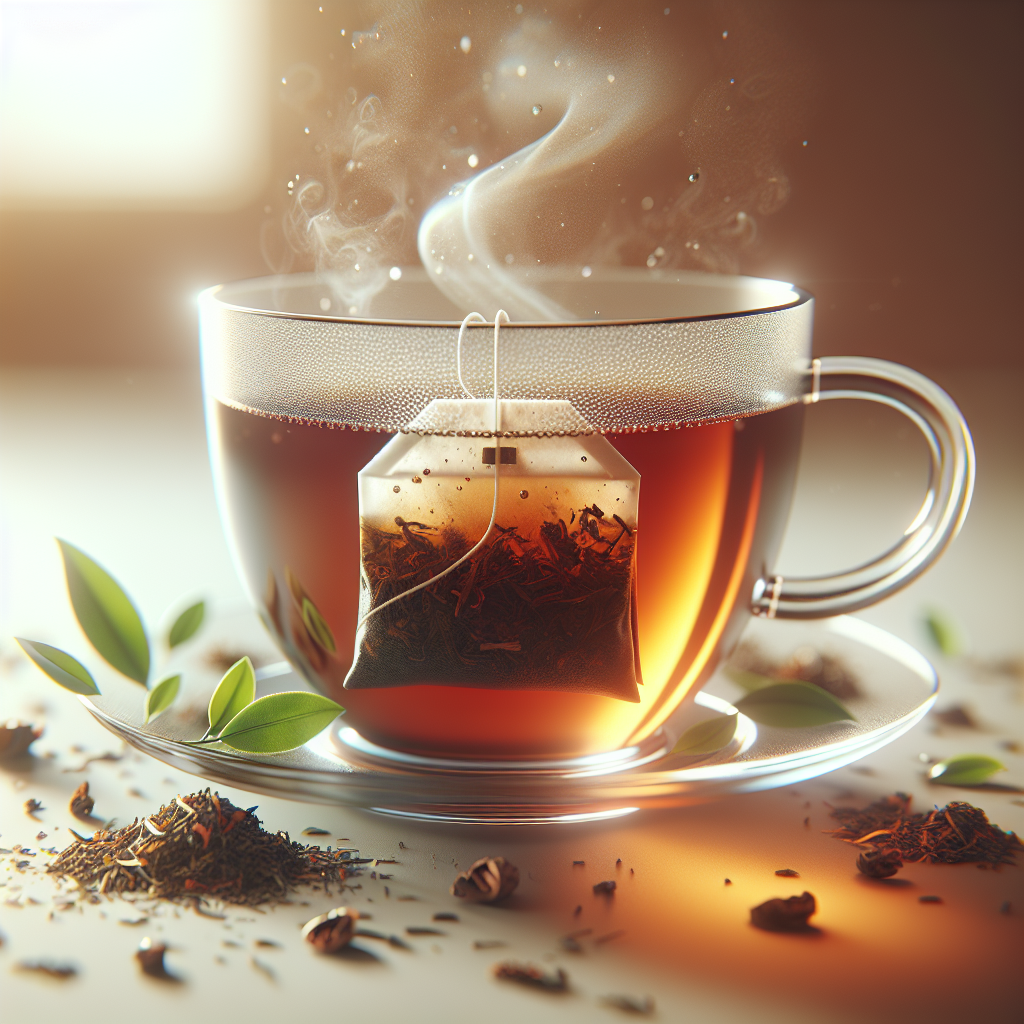
- Choose loose-leaf tea over tea bags for higher quality and full flavor release.
- Consider what effect you desire—energizing, calming, detoxifying—and select accordingly.
- Experiment with small portions before committing to larger quantities.
The Art of Brewing a Cup Tea
Brewing transforms dry leaves into an aromatic experience. Even the finest leaves require proper attention to time, temperature, and water quality to reveal their best. Every step contributes to crafting a memorable cup tea.
Water Quality and Temperature
Water carries tea’s flavor. Filtered or spring water free of chlorine allows delicate aromas to flourish. As a general rule, boiled water cools slightly before steeping delicate teas. Black teas handle heat well, while green and white types benefit from lower temperatures to avoid bitterness. Perfecting your cup tea starts with mastering this subtle control of temperature.
Timing and Steeping Techniques
Over-steeping can make tea astringent. Under-steeping leaves it weak. Balance is the goal. Use a timer to track infusion length. For example, a green cup tea often requires just two minutes, while black tea may need three to five minutes. Adjust steeping duration depending on personal preference and leaf density.
Tools That Enhance Your Brewing Ritual
Modern tea lovers enjoy using traditional and contemporary tools alike:
- Teapots: Yixing clay or porcelain retain purity of taste.
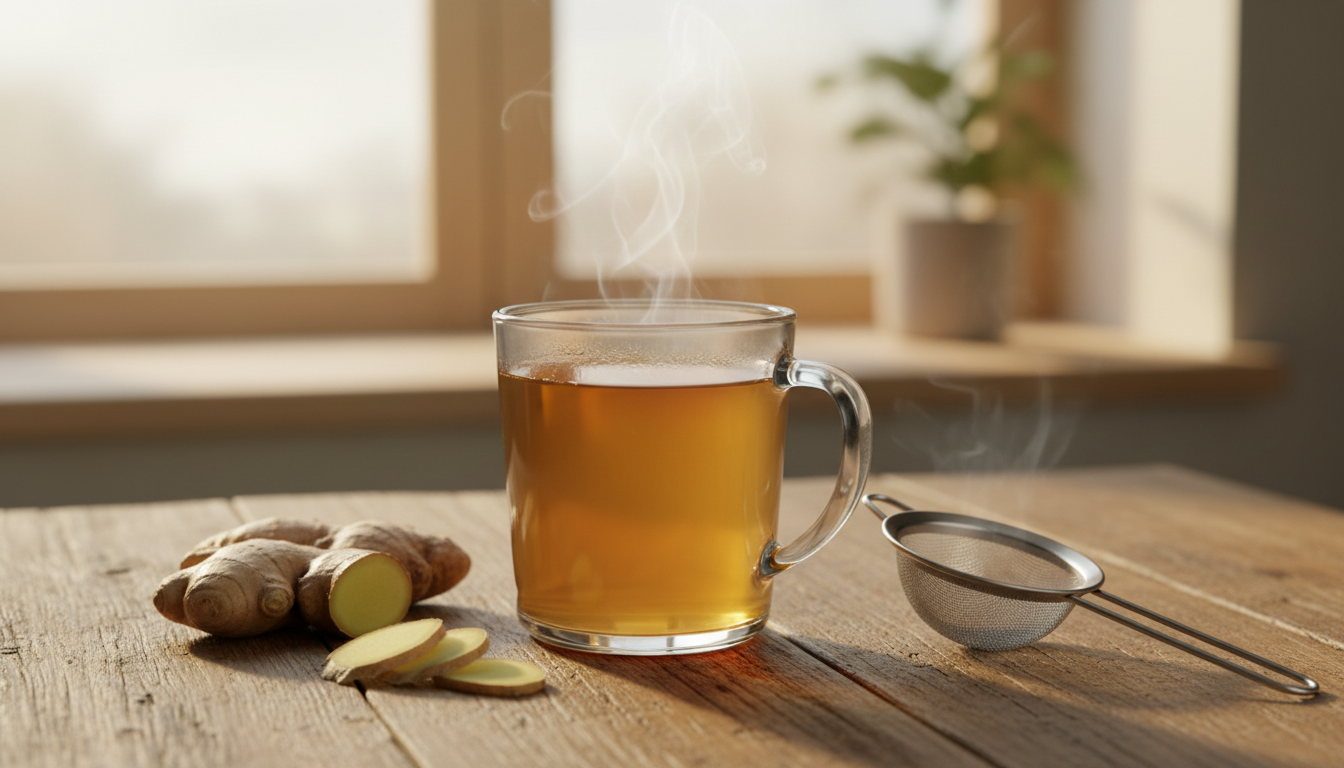
- Infusers: Use stainless-steel mesh or reusable cloth filters for convenience.
- Kettles: Temperature-controlled kettles ensure accuracy.
- Cups: Thin-rimmed cups highlight aroma and texture in every cup tea.
Health Benefits of a Cup Tea
Tea’s reputation as a health elixir is well-earned. Each chemical compound inside a cup tea plays a functional role. Understanding those roles motivates mindful consumption.
Antioxidant Power and Longevity
Polyphenols protect against free radical damage that accelerates aging and cellular wear. Studies suggest lifelong tea drinkers may experience improved cardiovascular resiliency. A balanced intake of green or oolong cup tea can support lower blood pressure and cholesterol regulation.
Mental Clarity and Relaxation
Theanine, an amino acid unique to tea, promotes a calm, alert state. It reduces mental fatigue while sustaining focus—ideal for work sessions or study time. Many find that beginning and ending the day with a cup tea cultivates emotional balance. Pair it with mindful breathing for greater tranquility.
Digestive and Metabolic Support
Tea assists digestion by facilitating enzyme activity. Herbal variants like peppermint or ginger blends relieve bloating. Research indicates that regular intake of green cup tea can modestly influence fat oxidation, supporting healthy metabolism.
Immune System Support
Tea’s catechins and micronutrients such as zinc and vitamin C boost defense mechanisms. During seasonal shifts, resilient immunity often correlates with daily inclusion of antioxidant-rich beverages like cup tea in your diet.
Integrating a Cup Tea into Daily Life
Beyond nutrition, tea encourages mindfulness and connection. Integrate your cup tea rituals into various contexts—work, leisure, and social gatherings—to reap holistic benefits.
Morning Rituals
Start the day slowly with intentional sips. Replace hurried coffee with a measured green or herbal cup tea. Allow its aroma to awaken your senses and set a calm pace for productivity.
Workplace Breaks
Midday fatigue calls for moments of stillness. Keeping a thermos of lightly brewed oolong refreshes clarity. Encourage co-workers to join for short tea breaks—collective mindfulness can enhance collaboration and reduce stress levels.
Evening Wind-down
Chamomile, lavender, or rooibos cup tea can prepare mind and body for rest. Avoid caffeinated options past late afternoon. Pairing soft lighting with gentle music completes an ideal bedtime tea atmosphere.
Connecting Through Tea Ceremonies
In many cultures, preparing and serving tea is spiritual. Japanese, Chinese, and British traditions highlight service, respect, and connection. Try arranging your own weekend ceremony where each participant prepares their personalized cup tea while reflecting on gratitude.
Common Mistakes to Avoid When Preparing a Cup Tea
Even seasoned drinkers can overlook small factors that affect taste and quality. Awareness of these mistakes will help guarantee each cup tea reaches its fullest potential flavor.
- Boiling delicate tea leaves directly, leading to bitterness.
- Using unfiltered water containing minerals that distort aroma.
- Overloading infusers, preventing proper leaf expansion.
- Neglecting appropriate steeping time or temperature control.
- Storing tea near spices or moisture sources, causing flavor contamination.
Best Serving Practices for a Cup Tea
The presentation of tea can heighten the overall enjoyment. From glassware to garnish, every small detail shows respect for the beverage and those who share it.
Serving Temperature and Presentation
Maintain consistent warmth using insulated pots if serving multiple guests. Include optional sweeteners like honey or lemon on the side. When serving iced versions of your cup tea, consider clear glass tumblers to showcase its color clarity and freshness.
Pairing Food with a Cup Tea
Different teas complement specific flavors:
- Green teas pair well with sushi or salads.
- Black teas complement pastries and rich desserts.
- Herbal blends match light snacks or cheese boards.
Through thoughtful pairing, every cup tea highlights culinary experiences without overwhelming palates.
Exploring Culture and Sustainability Through a Cup Tea
Tea culture embodies centuries of artistry. Respect begins not only at the table but also at the source. Understanding how your cup tea is produced fosters ethical awareness and sustainability choices.
Traditional Practices Around the World
From the British afternoon ritual to the Moroccan mint performance and Chinese gongfu ceremonies, the meaning of a cup tea changes geographically but shares harmony and hospitality. Participating in diverse traditions reminds us that tea transcends nationality, uniting across generations.
Eco-Conscious Sourcing and Certification
Look for fair-trade or organic labeling to ensure workers and environments are respected. Supporting small farms protects biodiversity. Choose brands promoting recyclable packaging. Sustainability ensures every future cup tea remains pure and meaningful for generations to come.
Continuing Education in Tea Culture
For deeper exploration, consider reading [Tea History and Cultural Evolution](https://teastory.blog/tea-history) and [Tea Ceremonies Across Asia](https://teastory.blog/tea-ceremonies). Learning stories behind each cup tea enriches the experience, transforming everyday moments into appreciation for heritage and craft.
Health Research and Expert Opinions
Modern studies underscore tea’s protective influence. Institutions such as Healthline and Tea Association of the U.S.A. furnish ongoing evidence linking tea consumption to cardiovascular, cognitive, and emotional wellness. Their insights affirm that a mindful routine built around a cup tea contributes to holistic health beyond transient trends.
Conclusion: Redefine Everyday Wellness Through a Cup Tea
Mindfully engaging with a cup tea connects us to nature, culture, and self. Each stage—from selecting origin leaves to savoring aroma—reveals insight about patience and appreciation. Let your daily brew be a reminder to pause and refocus. With consistency, your cup tea becomes both nourishment and insight—a simple path to sustained well-being and harmony.
Frequently Asked Questions
How can I find my ideal cup tea variety?
Begin by understanding your taste preferences—do you enjoy earthy, floral, or citrus tones? Then experiment with small batches of black, green, and herbal options. Each cup tea expresses unique depth and texture. Over time, tracking reactions to aroma and flavor helps you pinpoint your personal favorite. Remember freshness and ethical sourcing strongly influence overall quality.
What temperature should I use to brew a cup tea correctly?
Temperature matters for flavor extraction. For green teas, keep water around 75–85°C; black teas thrive closer to 95°C, and herbal infusions tolerate boiling temperatures. The key is balance—too hot scorches leaves, while too cool under-releases flavor. Adjust these guidelines according to your chosen cup tea and your desired intensity.
Is it healthy to drink multiple cup tea servings per day?
Moderation is best. Two to four servings daily provide beneficial antioxidants and hydration without adverse caffeine effects. Herbal blends are safer for frequent consumption. However, listen to your body, as sensitivities differ. Balanced hydration and variety ensure the best outcome from each cup tea in your day.
Should I use loose leaves or tea bags for a better cup tea?
Loose leaves usually yield more authentic flavor because they expand fully during infusion, releasing complexity and aroma. Tea bags often contain finely ground fragments that lose nuance faster. If convenience is vital, choose high-quality sachets using whole leaves. Either method can deliver a satisfying cup tea if treated with correct timing and temperature.
Does a cup tea help with stress relief?
Absolutely. Components like L-theanine in real teas promote alpha brain waves linked with relaxation. Combined with mindful sipping, each cup tea encourages calm focus. The aroma and tactile warmth engage multiple senses, lowering tension naturally. Creating regular tea pauses becomes an easy, science-backed method for stress management.
How can I store tea properly to maintain flavor for my cup tea?
Keep tea in airtight, opaque containers away from light, moisture, and strong smells. Store at room temperature, never refrigerated unless sealed tightly. Proper storage preserves the subtle oils and aromas vital for a flavorful cup tea, extending shelf life up to a year for most types when handled carefully.
Can I add milk or lemon to enhance my cup tea?
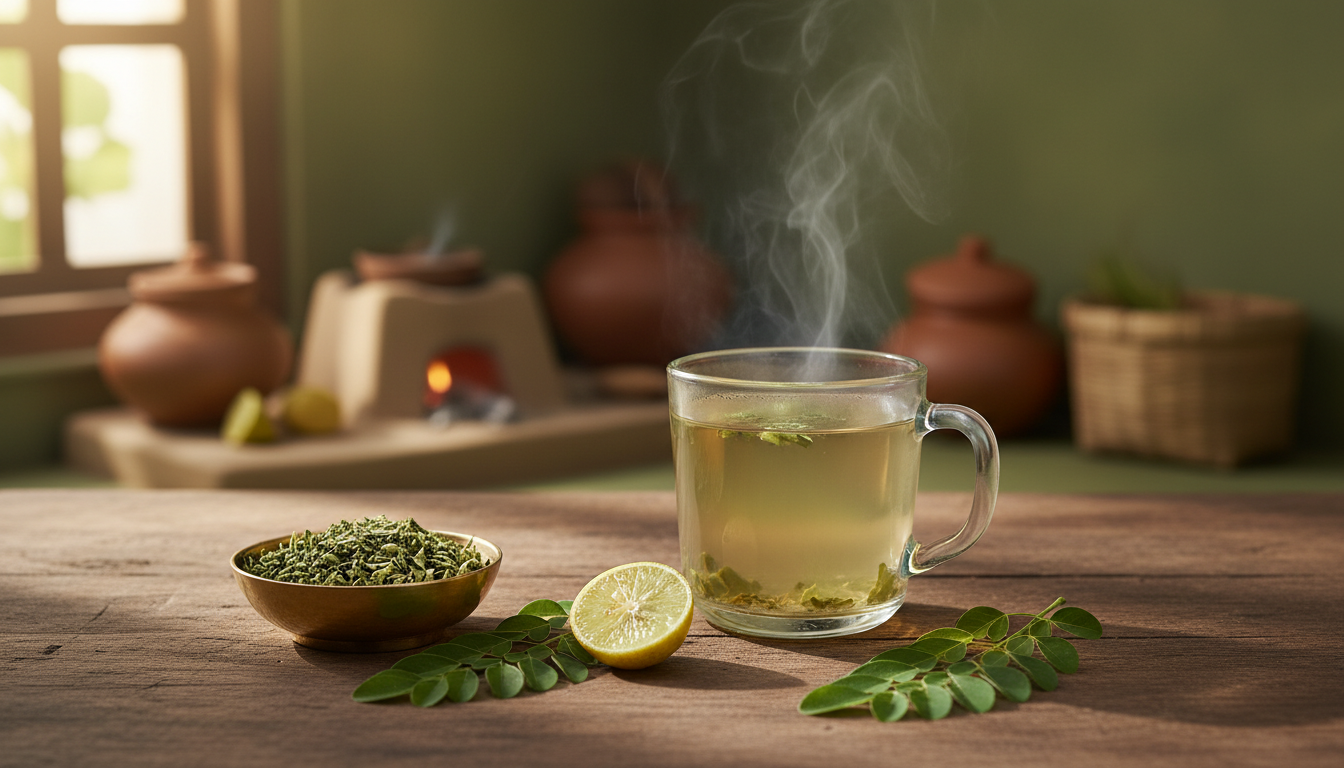
Yes, though it depends on the tea type and your taste. Black teas pair beautifully with milk, mellowing bitterness. Lemon suits green or herbal blends, boosting brightness and vitamin C. The goal is harmony—add accompaniments sparingly at first to appreciate the natural notes that each pure cup tea offers.

Leave a Reply