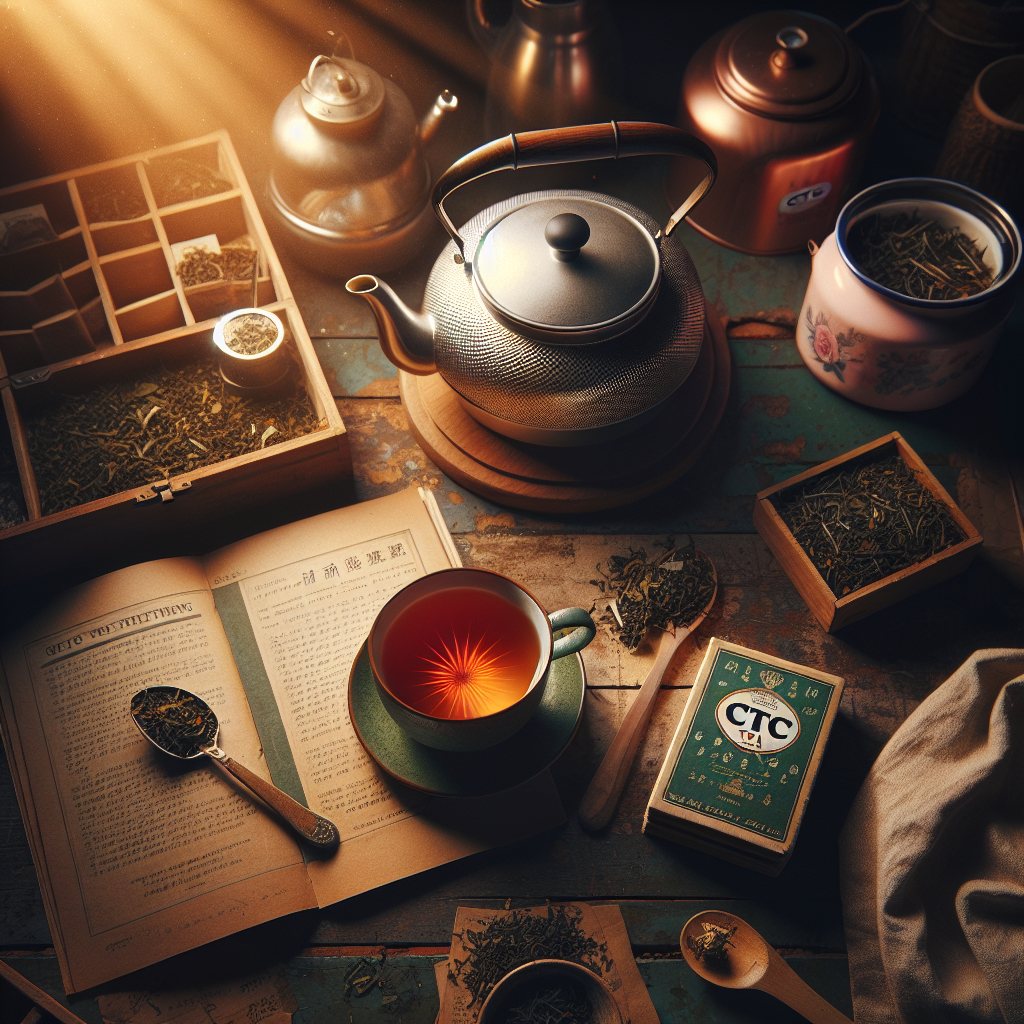
Tea has always occupied a special corner in the hearts of millions across the globe. Among its many varieties, the term ctc tea full form often sparks curiosity, especially among those eager to understand what sets it apart in terms of processing, taste, and health benefits. This article dives deep into the meaning of CTC, unpacks its unique production process, explores its cultural and commercial significance, and provides practical guidance for selecting and enjoying the best CTC tea in your daily routine. Whether you’re a seasoned tea drinker or a curious learner, you’ll discover how this form of tea influences our sensory and cultural experience.
CTC tea, known for its bold flavor and quick brewing quality, stands as a major choice for mass tea consumption across South Asia, Africa, and beyond. Understanding the ctc tea full form not only enhances appreciation for its craftsmanship but also connects consumers to a tradition that has reshaped the tea industry since the early 20th century. The following sections unveil this beverage’s essence, from its origin story to practical brewing insights and health-focused benefits.
Understanding the ctc tea full form
The ctc tea full form stands for “Crush, Tear, Curl.” This defines the manufacturing process that gives this tea its distinct granular appearance and strong, brisk character. Each of the three steps is essential in ensuring consistent quality and flavor across large-scale production. The process was developed to meet the demand for a more efficient method of tea making that could deliver uniformly robust brews suitable for the global market.
The origin story of Crush, Tear, Curl tea
The birth of the ctc tea full form can be traced back to tea estates in Assam, India. Around the 1930s, British planters sought innovative ways to process tea leaves that would meet standardized commercial expectations while retaining the strong taste Indian consumers favored. The result was the development of specialized rollers that would crush, tear, and curl tea leaves, enabling an efficient oxidation process. This proved revolutionary, as it drastically shortened production time and ensured consistency in color and flavor in brewed tea. From India, the method spread to Kenya, Sri Lanka, and other major tea-producing regions.
How the ctc method transforms flavor and texture
One of the unique aspects of the ctc tea full form process is its ability to bring out a deep, brisk taste in every brew. Because the leaves are broken into uniform pellets, they infuse faster and release stronger color and flavor within a short steeping time. This feature makes CTC tea perfect for preparing strong milk teas, flavored blends, or quick morning brews that retain depth without bitterness.
CTC vs orthodox tea processing
Traditional orthodox tea leaves are rolled whole, preserving subtle flavor notes and aromas. In contrast, the ctc tea full form emphasizes uniformity and brisk strength. The resulting tea tends to be more assertive and less nuanced than orthodox variants, yet it delivers a satisfying punch that caters to the modern palate. While tea connoisseurs may prefer the delicacy of orthodox teas, the mass market appreciates CTC for its reliable flavor and affordability.
Detailed steps in the ctc tea full form production
The ctc tea full form represents a mechanized journey involving:
- Withering: Freshly plucked tea leaves are laid out in troughs to reduce moisture levels.
- Crushing: Roller machines crush the leaves to break down cell walls, releasing natural juices.
- Tearing: The tea is further torn into smaller fragments, aiding better oxidation.
- Curling: The leaf fragments are curled into small, tight pellets that dry evenly and brew quickly.
- Fermentation and drying: Controlled exposure to oxygen gives the tea its color and robust flavor.
Nutritional values and health benefits of ctc tea full form
The ctc tea full form process retains many bioactive compounds, especially catechins, theaflavins, and polyphenols. These antioxidants support cardiovascular health, boost immunity, and offer digestive advantages. CTC teas, despite being processed, are rich in minerals like manganese and potassium and contribute to hydration and mental alertness when consumed moderately.
Daily health impact and lifestyle integration
Drinking CTC tea can be a refreshing way to start the day. It enhances metabolism, supports stress management, and provides a balanced caffeine intake compared to coffee. The antioxidants in CTC consumed with lemon or milk can further improve absorption and taste experience. Understanding the ctc tea full form also allows drinkers to make informed choices, tailoring brewing style and blend selection based on desired health outcomes.
Selecting quality CTC tea and brewing like a pro
The art of selecting high-quality CTC tea lies in identifying freshness, aroma, and pellet consistency. When exploring the ctc tea full form in practice, focus on tea that displays an even, uniform texture and releases a bright amber hue when brewed. Avoid dull or dusty blends, as they suggest over-processing or poor storage conditions.
Practical brewing tips for optimal taste
To maximize flavor, use one teaspoon of CTC tea per cup and steep it for 3–4 minutes in freshly boiled water. Over-brewing may introduce bitterness, while under-brewing weakens the experience. For milk tea lovers, boil the tea directly with milk and sugar to unlock caramel notes. When learning the ctc tea full form brewing practice, consistency in steep time and temperature ensures reliable flavor across each batch.
CTC pairing ideas for every palette
CTC tea pairs beautifully with spicy Indian snacks, biscuits, or even light sandwiches. Its robust structure complements strong flavors and enhances the aroma of spices. Some creative pairings include:
- Masala chai blends prepared with cardamom or ginger.
- Breakfast teas combined with honey and lemon.
- Fusion experiments with cocoa or cinnamon powders.
Environmental and economic relevance of the ctc tea full form
The ctc tea full form has played a pivotal role in stabilizing tea economies worldwide. This method allows higher yields and consistent quality, supporting millions of small-scale farmers. Its widespread adoption in countries like India and Kenya has also encouraged innovations in tea sustainability, labor welfare, and community development projects linked with global tea exports.
Sustainability and fair-trade considerations
When choosing brands or estates that produce CTC tea, look for certifications such as Rainforest Alliance or Fair Trade. These ensure ethical sourcing and environmentally responsible farming. The ctc tea full form industry is increasingly moving towards solar drying, natural fertilizers, and eco-friendly packaging—steps that reduce its carbon impact while preserving local biodiversity.
Different forms of CTC blends and regional characteristics
Several areas produce distinct variants of CTC tea. Understanding the ctc tea full form in combination with region-specific features helps in appreciating its diversity. For instance, Assam’s strong-bodied CTC is ideal for milk teas, while Kenyan CTC provides a bright, malty character paired perfectly with lemon or honey. Sri Lankan CTCs often possess a crisp finish appealing to Western markets. Each region’s soil chemistry, climate, and harvesting technique subtly modify the flavor output.
Premium-grade vs regular CTC
Premium-grade CTC teas often undergo enhanced sorting, improving leaf uniformity and removing excess dust. This results in a cleaner cup profile. While understanding the ctc tea full form, consumers should check for packaging transparency, harvest date, and estate origin. Small differences in leaf cut precision can drastically affect taste consistency.
Storage and handling tips
To preserve freshness, store CTC tea in airtight containers away from moisture and direct sunlight. Even the best ctc tea full form processed leaves lose aroma if exposed to air. Metal tins or opaque glass jars maintain potency for months. Rotate inventory frequently if you’re a frequent drinker or retailer to maintain peak quality.
Practical applications and creative uses
The versatility of the ctc tea full form goes beyond traditional consumption. Apart from being a beverage, strong CTC decoctions work effectively in skin and hair routines, due to their antibacterial properties. In culinary arts, chefs use brewed tea in marinades, desserts, and cocktails for a sophisticated earthiness. Experimentation allows one to appreciate the full potential of this humble yet dynamic ingredient.
DIY recipe inspiration
Why not try crafting your own flavored CTC blend at home? Combine CTC tea leaves with crushed spices or herbs like basil, lemongrass, or cloves. Understanding the ctc tea full form empowers creativity—each blend tells a story of culture and comfort. Explore a simple recipe on Tea Recipe for homemade chai inspirations that blend wellness and warmth.
Learning from its heritage
Those interested in deeper historical roots can discover how the ctc tea full form intersects with colonial trade routes and industrialization through articles like Tea History. These connections highlight how a mechanical innovation evolved into an enduring global phenomenon.
Industry insights and market trends
The global demand for CTC tea continues rising, driven by consumer preference for strong, quick-brew beverages. Recognizing the ctc tea full form equips retailers and entrepreneurs with an understanding of supply dynamics. Regions like Assam, Kenya, and Tanzania dominate exports, yet artisan micro-lots are emerging for niche buyers seeking ethical sourcing and flavor diversity.
Comparative analysis with green and herbal teas
Unlike green or white teas, which undergo minimal oxidation, CTC teas are fully oxidized, hence their darker color and potent aroma. They generally contain higher caffeine. While green teas are lauded for subtlety, the ctc tea full form delivers impact and accessibility, qualities that have helped sustain its popularity across both rural and urban populations.
Future outlook for CTC innovation
With advancements in mechanization, digital monitoring of oxidation, and improved drying technologies, the quality consistency of the ctc tea full form will continue improving. Blending artistry alongside technology promises new sensory experiences without compromising the essence that makes CTC stand out.
Global appreciation of the ctc tea full form
From bustling Indian chai stalls to African highlands, the ctc tea full form represents shared cultural moments. Each cup tells of resilience, craftsmanship, and community. Tourism linked to tea plantations also highlights its role in shaping livelihoods, promoting awareness around ethical trade, and introducing visitors to the nuances of tea-making traditions.
Cultural symbolism and rituals
In many parts of Asia, tea symbolizes hospitality. Understanding the ctc tea full form deepens that connection: it’s not merely a beverage but a conversation catalyst. Whether poured in clay cups or porcelain, the act of sharing CTC tea continues to bridge cultures and generations.
Artisanal revival and local innovations
Some modern tea crafters are reinterpreting the ctc tea full form by combining traditional crushing techniques with natural aging methods. This gives rise to hybrid brews with distinct fragrance profiles. These micro-batch creations reaffirm that even industrial processes can adapt meaningfully to artisanal expression.
External references and learning resources
To deepen your knowledge about tea diversity and manufacturing standards, you may explore resources from Tea Board of India or visit World Tea News for timely updates on trade insights, climate impacts, and market developments related to the ctc tea full form.
Frequently Asked Questions
What does the ctc tea full form mean?
The ctc tea full form stands for Crush, Tear, Curl. It represents a mechanized processing method that breaks down tea leaves into uniform granules. This style ensures consistent flavor, dark color, and quick brewing. It became popular thanks to its efficiency and ability to produce strong tea suitable for both domestic and commercial demands. The three actions—crushing, tearing, and curling—allow rapid oxidation while preserving the tea’s inherent character, making CTC ideal for daily consumption and export markets worldwide.
How does the ctc tea full form differ from orthodox tea?
The ctc tea full form differs significantly from orthodox methods, where leaves are gently rolled to preserve shape and flavor diversity. CTC prioritizes uniform pellets and produces a strong, brisk cup. While orthodox teas often have floral or fruity undertones, CTC offers reliable boldness and quick infusion. This makes it popular with milk-based teas like Indian chai. Both hold distinct places in the market, appealing to different preferences for flavor depth, convenience, and cultural brewing styles.
Is ctc tea full form better for health compared to green tea?
While the ctc tea full form involves full oxidation and generally higher caffeine than green tea, it still provides health benefits due to theaflavins and polyphenols. These compounds aid in digestion, cardiovascular balance, and antioxidant protection. Green tea remains milder but CTC’s rich taste motivates consistent intake, which can indirectly promote hydration and focus. Personal tolerance and lifestyle should guide choices rather than assuming one is universally better than the other.
How can I choose the right brand that follows the ctc tea full form correctly?
When evaluating brands, look for transparency around source estates, harvesting season, and packaging date. Authentic producers who adhere to the ctc tea full form standard often highlight regional identity such as Assam or Kenyan origin. Check for certifications like Fair Trade or organic labels. Observing pellet uniformity and aroma quality also ensures better purchase decisions. Avoid opaque packaging without freshness details. Trusted vendors often share steeping recommendations that align with the inherent strength and aroma profile.
Can I make flavored blends using ctc tea full form leaves?
Yes, using the ctc tea full form leaves is perfect for creating robust flavored blends. The tea’s granular texture absorbs spices and herbs beautifully, allowing ingredients like cinnamon, cardamom, or mint to integrate smoothly. You can infuse citrus peel or ginger for freshness, or mix it with rose petals for mild floral notes. Since CTC brews strongly, balancing ratios ensures flavor harmony. This versatility makes CTC an excellent base for innovative home or café-style beverage experimentation.
What are common mistakes when brewing according to the ctc tea full form?
One common mistake is over-boiling, which can make CTC tea overly tannic. The ctc tea full form ensures fast infusion, so timing is essential. Use fresh water and avoid reheating previously boiled water. Maintain a balance between leaf quantity and steep time—roughly one teaspoon per cup for three to four minutes. Additionally, improper storage in humid environments dulls flavor. Mindful brewing practices guarantee the intended briskness and full-bodied aroma that define quality CTC tea experiences.
How is the global market responding to the ctc tea full form innovations?
The tea industry continues to expand its embrace of the ctc tea full form innovations due to automation, sustainability practices, and new flavor integrations. Markets in Asia and Africa are introducing higher-grade CTC lines for export, appealing to health-conscious millennials. Rapid brewing qualities make it suitable for tea bags and instant blends. Meanwhile, small-scale specialty producers infuse creative techniques, ensuring CTC remains relevant and competitive amid changing global consumption trends emphasizing heritage and quality assurance.
Are there environmental impacts tied to ctc tea full form production?
Like many agricultural systems, the ctc tea full form production influences the environment through energy use and land management. However, modern estates are adopting eco-friendly methods like solar drying, organic fertilizers, and waste recycling. Sustainable water management and biodiversity conservation have improved conditions compared to earlier decades. Choosing tea from certified sustainable producers contributes to reducing carbon footprints. Consumers play a vital role in supporting greener initiatives that secure both tea quality and ecological health for generations ahead.





Leave a Reply