
When you first sip kahwa green tea, the warmth of saffron, crushed spices, and delicate green leaves unfold gently, bringing stories of old Kashmiri winters and mountain gatherings. This exquisite brew is far more than a beverage—it’s a sensory moment of calm and ritual. As a tea enthusiast or a new explorer into wellness blends, discovering the essence and expert flavor notes of kahwa green tea opens a refreshing world of taste, aroma, and mindful living. Whether you prepare it traditionally or craft a modern twist, this tea encourages balance, restoration, and cultural appreciation in every cup.
The charm of kahwa green tea lies in its heritage and the craft behind its preparation. Blending fine green tea with almond slivers, spices, and threads of pure saffron creates a flavor that is both comforting and celebratory. Unlike typical herbal teas, kahwa engages multiple senses and symbolizes hospitality across Himalayan culture. As we delve deeper, we’ll uncover how to enjoy its complex flavor notes, choose authentic blends, and even pair it with certain foods for enhanced depth. Let’s explore how kahwa green tea becomes a daily luxury for the mindful drinker.
The Origins and Significance of Kahwa Green Tea
Kahwa green tea traces its roots back to Kashmir, though similar spiced teas have been enjoyed in Persia and Central Asia for centuries. The name “kahwa” itself has Arabic origins, once referring to a variety of stimulating beverages. The Kashmiri adaptation, however, shines through its use of local ingredients such as saffron, cardamom, and long-leaf green tea cultivated in high-altitude valleys. When prepared well, this infusion glimmers in amber hues and releases an aroma reminiscent of early morning in mountain villages.
Beyond taste, kahwa green tea symbolizes hospitality and grace. Offering a cup to guests expresses affection and respect. Families often brew it during festivals or gatherings, adding crushed nuts for texture and potency. Over generations, this drink evolved into both a cultural signature and a wellness tonic packed with subtle medicinal properties.
Traditional Brewing and Rituals of Kahwa Green Tea
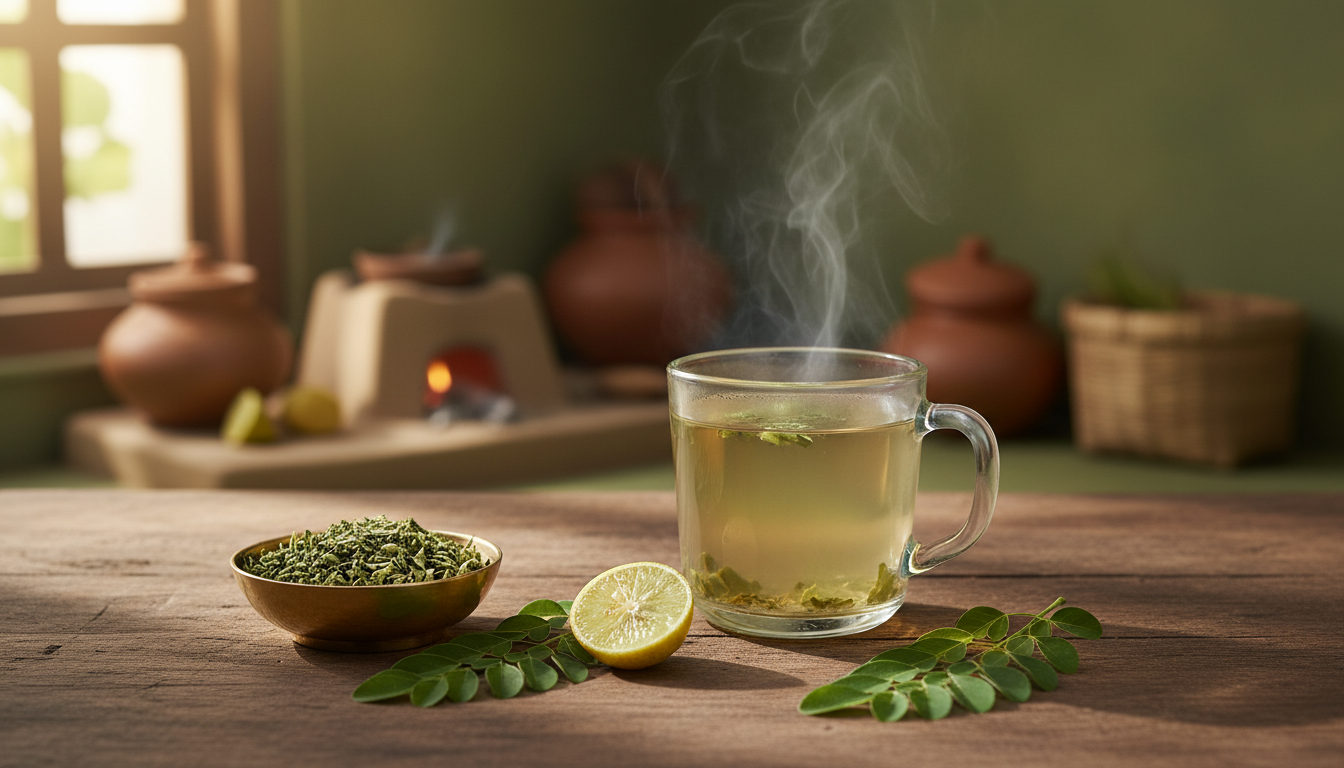
In traditional Kashmiri households, kahwa green tea is brewed in a brass or copper vessel called a “samovar.” Water is gently heated with cinnamon sticks, cardamom, and cloves before green tea leaves and saffron strands enter the blend. The ritual is unhurried—careful stirring, quiet anticipation, and finally, small porcelain cups filled with golden liquid handed around a cozy gathering. That detail in process preserves authenticity and delivers unmatched flavor depth.
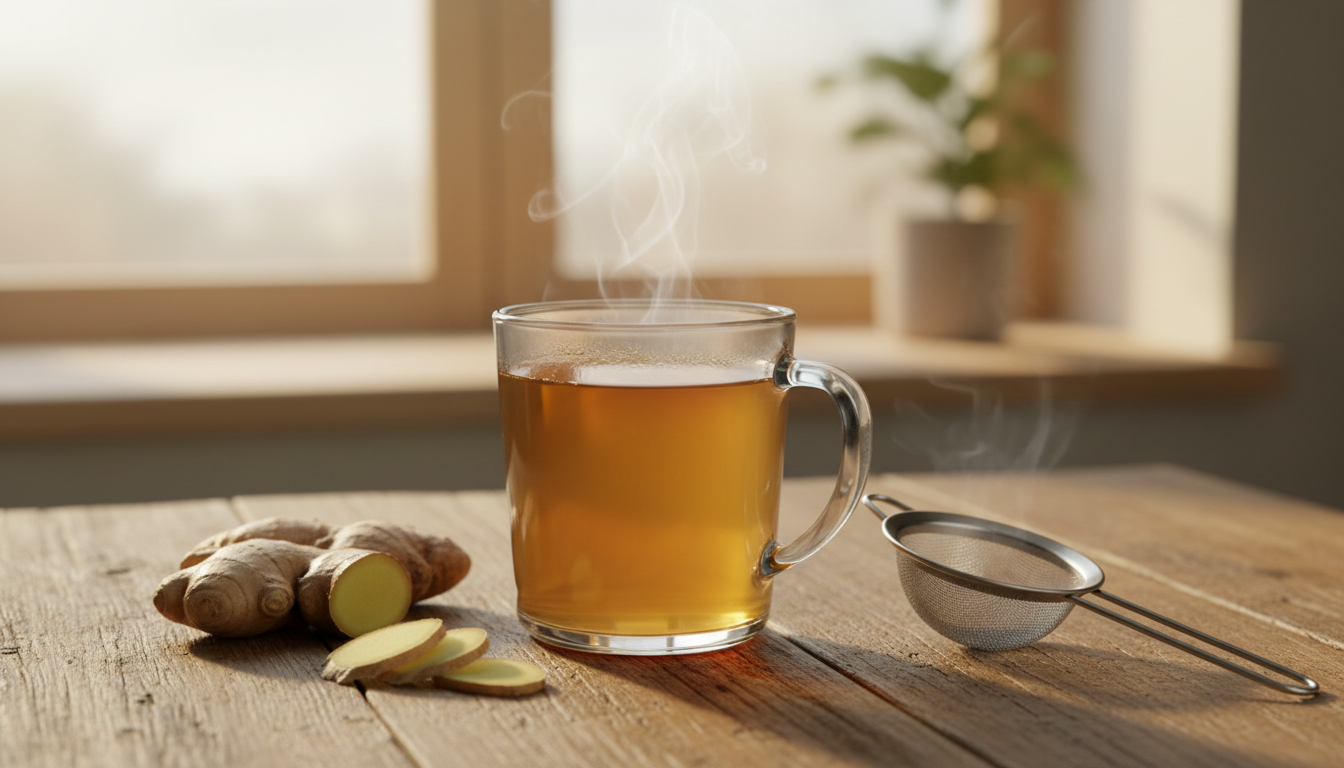
To recreate this tradition at home, use loose leaf kahwa green tea rather than pre-packed sachets. Boil water between 80°C–85°C, never scalding. Let the blend steep for three to four minutes, then strain and serve with slivered almonds or honey if you prefer mild sweetness. The result should be clear, aromatic, slightly spicy, and comforting.
Flavor Complexity and Sensory Notes
Understanding kahwa green tea requires appreciating its multi-layered flavor matrix. Expert tasters highlight its balance between the slight bitterness of green tea and the sweetness of saffron, rounded by warming spice. When sipped slowly, flavors evolve from grassy first notes to nutty, resinous finishes.
Primary Flavor Tones in Kahwa Green Tea
Here’s how the different components shape the sensory experience:
- Green Tea Base: Contributes mild astringency and vegetal sweetness, forming a smooth canvas.
- Saffron: Adds floral, honeyed perfume with a luxurious lingering finish.
- Cardamom and Cinnamon: Bring gentle heat, complexity, and aromatic warmth that stimulate the palate.
- Almonds: Introduce richness and body, mellowing sharper tones.
Together, these create an almost orchestral profile. Professionals often say kahwa green tea has “layered echoes” rather than singular notes—the kind of brew that deepens as it cools slightly.
How to Identify High-Quality Kahwa Green Tea
To truly enjoy kahwa green tea, quality sourcing matters. Seek tea leaves that appear full, slightly curled, and dry yet shimmering with visible saffron threads. Authentic saffron imparts brightness; dull orange coloring usually means older or artificial ingredients. Fragrance should strike you before flavor—spicy, not overpowering. Always store the blend away from light and moisture, ideally in opaque tins.

Health Benefits and Wellness Potential
Beyond pleasure, kahwa green tea carries genuine health benefits supported by both traditional knowledge and emerging research. This blend can gently support metabolism, strengthen immunity, and calm the nervous system, making it an elegant ritual for wellness seekers.
Immunity, Digestion, and Antioxidant Actions
Kahwa green tea contains green tea catechins, notable antioxidants that counter oxidative stress. Traditional recipe spices—especially clove and cinnamon—contribute antibacterial and anti-inflammatory actions. The combination has often been used post-meal to aid digestion and ward off seasonal colds. Its mild caffeine content provides subtle alertness without the intensity of strong coffee.
To optimize effects, drink one to two cups daily and avoid over-brewing which can turn it bitter. Regular, moderate consumption typically results in improved digestion and focus. Few beverages merge luxury, simplicity, and health as seamlessly as kahwa green tea.
Role in Balanced Nutrition
Kahwa green tea harmonizes beautifully with light nourishment. Consuming it alongside healthy fats—like almonds or walnuts—ensures that fat-soluble antioxidants absorb effectively. Some nutritionists recommend morning use because of its mild energetic lift. Combined with meditation or quiet reflection, it complements holistic living beautifully.
Kahwa Green Tea in Modern Culinary Uses
Chefs and home cooks are increasingly experimenting with kahwa green tea beyond drinking. Its aromatic essence works well as a poaching liquid, dessert infusion, or even a creative base for iced tea cocktails. For example, steep a strong cup and incorporate it into a chilled panna cotta mixture; the safranic aroma pairs delightfully with cream or honey.
Pairings That Elevate Kahwa Green Tea
Pairing kahwa green tea correctly can heighten meals. Consider these combinations:
- With fresh fruits rich in vitamin C, as antioxidants complement each other.
- Alongside light desserts—almond biscotti, honey cake, or rose-flavored kheer.
- With savory dishes using mild spices like cumin or fennel that echo kahwa’s underlying tones.
Experimentation remains vital. Cold-brewed kahwa green tea brings out subtler sweetness, ideal for warm afternoons, while hot infusions create cozy, full-bodied warmth for winter evenings.
Barista Tips for Crafting Kahwa Green Tea Drinks
Many modern cafés now feature kahwa variations alongside matcha and chai. To mix a café-style latte, prepare concentrated kahwa green tea and blend with steamed oat milk and a drizzle of rose syrup. The outcome merges Kashmiri spirit with urban flair. For home brewing, keep a jar of sweetened saffron syrup—one spoonful per cup accentuates color and taste elegantly.
Buying, Storing, and Evaluating Kahwa Green Tea
Authenticity varies widely across markets. Genuine kahwa green tea typically comes from suppliers who respect Kashmiri methods. Look for transparent sourcing, ingredient lists, and company ethics. Reputable global tea brands now collaborate with valley farmers to preserve tradition while maintaining safety standards.
How to Store Kahwa Green Tea
Store your blend away from strong odors. Spices are highly aromatic and absorb nearby smells. Choose airtight containers, preferably ceramic or stainless steel. Avoid storing it in a refrigerator due to humidity fluctuations. Properly kept, kahwa green tea retains peak freshness for up to six months.
Evaluating Brand Integrity
Before purchasing, research the brand. Ethical tea production supports small growers, ensures fair trade practices, and sustains biodiversity. Reading reviews and exploring transparency reports can be insightful. The Tea Association of the USA provides credible resources for understanding labeling standards. Reliable producers mention origin elevation, harvest dates, and ingredient ratios clearly.
Mindful Enjoyment: The Experience Around Kahwa Green Tea
Savoring kahwa green tea is as much about mindset as it is about taste. Its brewing invites a slow ritual—boil, wait, steep, and inhale deeply. This structured calm makes it a perfect accompaniment to self-care or creative reflection. Some describe it as “drinkable meditation.”
Creating a Personal Kahwa Moment
Choose a peaceful spot, perhaps near a window. Let your senses register the temperature, aroma, and golden color. Observe how the taste shifts from the first sip to the last. Adding intention—like gratitude or quiet breathing—enhances satisfaction. As this routine becomes familiar, the aroma of kahwa green tea alone may trigger a sense of stillness and joy.
Integrating into Daily Life
Unlike coffee rituals centered on stimulation, kahwa green tea embodies thoughtful pacing. Morning preparation sets a gentle tone for the day, while evening cups aid decompression. Even at work, a mid-afternoon pause with kahwa helps recalibrate focus. It promotes wellness culture built on patience rather than rush.
Exploring Related Tea Traditions
While kahwa green tea stands apart for its spice profile, it also sits beautifully within broader tea heritages. From Japanese matcha ceremonies emphasizing mindfulness to Moroccan mint rituals blending herbs and hospitality, teas worldwide tell stories of connection and culture. Learning other traditions enriches appreciation for kahwa’s uniqueness.
Comparing Kahwa with Other Green Teas
Most green teas—from Sencha to Dragon Well—highlight grassy freshness. Kahwa differs through its use of fragrance and spices. While standard green teas focus on vegetal clarity, kahwa leans into sensory warmth. Yet both share catechin-driven health support and refined simplicity. Switching between them over a week diversifies both taste and nutrient intake.
Learning Through Tea Culture Resources
Enhance your understanding by exploring stories on teastory.blog/tea-history or experimenting with recipes from teastory.blog/tea-recipe. Each offers fresh context about brewing artistry and tea’s place in world heritage—useful when refining personal practice around kahwa green tea.
Conclusion: Celebrate Each Cup of Kahwa Green Tea
Ultimately, enjoying kahwa green tea isn’t about rigid procedure—it’s about presence. Through its saffron color, soft spice, and layered sweetness, the drink carries quiet stories of craftsmanship and community. By learning expert flavor notes and embracing mindful brewing, anyone can transform an ordinary tea break into a sensory retreat. Keep exploring origins, experiment with pairings, and most importantly, let every sip remind you of warmth shared across generations and landscapes.
Frequently Asked Questions
What makes kahwa green tea different from other herbal teas?
Kahwa green tea differs through its unique balance of high-grade green tea leaves blended with saffron and spices rather than purely herbs. It delivers aroma, light caffeine, and an amber hue unmatched by standard tisanes. While herbal infusions lack tea leaves altogether, kahwa retains antioxidants associated with true green tea. Its historical link to Kashmiri culture and ceremonial brewing also sets it apart as both a social and sensory tradition rather than a mere remedy or casual beverage.
Can I drink kahwa green tea every day?
Yes, daily consumption is generally safe for most adults. Two cups of kahwa green tea per day supports metabolism and calm focus. It contains mild caffeine, making it gentle compared to coffee or black tea. To maintain nutritional diversity, alternate it with other tea types or herbal infusions occasionally. If you have low blood pressure or are pregnant, moderate intake is advisable since spices like saffron may influence sensitivity. Always brew freshly rather than reheating to preserve antioxidant quality and taste nuance.
Does kahwa green tea help with weight management?
Kahwa green tea can complement weight management goals thanks to its metabolism-supporting properties. Green tea catechins increase mild thermogenesis, helping the body manage fat oxidation efficiently. At the same time, saffron’s natural compounds curb snacking tendencies by uplifting mood. While it is not a magic solution, consistent use alongside balanced nutrition and movement can aid gradual improvements. Skip sugar; instead, use pure honey or drink it unsweetened to retain the authentic aroma and calorie-friendly benefit that kahwa green tea offers.
What are the ideal water temperature and steeping time for kahwa green tea?
The perfect brew depends on patience and precision. Heat water to 80°C–85°C—just below boiling—to preserve delicate compounds. Pour over the kahwa green tea blend, let steep for three to four minutes, and strain. Over-steeping gives bitter notes, and water that’s too hot burns saffron aroma. Using a glass teapot allows you to observe color changes—the golden hue signals readiness. For iced kahwa green tea, double the leaves, brew shorter, then chill immediately to lock freshness and balance intensity.
How can I recognize authentic kahwa green tea?
Authentic kahwa green tea features long, slightly twisted green leaves mixed with visible saffron strands and fragments of cardamom or clove. The fragrance is warm and natural, not perfumed. Upon brewing, it should yield clear golden liquor, not cloudy or dark. Reading labels for origin details, such as Kashmiri or Himalayan sourcing, also helps verify authenticity. Avoid products using artificial colorants or “essence.” Supporting artisan tea makers safeguards traditional recipes and ensures you experience genuine kahwa green tea flavor integrity.
Can I add milk to kahwa green tea?
Traditionally, kahwa green tea is served without milk to honor its bright clarity and spice aroma. Milk may mute saffron notes and overwhelm subtleties of green leaves. However, modern creative cafés occasionally adapt it into lattes. If you enjoy that creamier texture, use lightly frothed nut milk like almond or oat. Add small amounts to avoid cloudiness. The result resembles a spiced saffron latte rather than conventional kahwa. Ultimately, preference dictates approach—the essence remains about mindful enjoyment.
What is the difference between kahwa green tea and Kashmiri pink chai?
Kahwa green tea derives from green leaves brewed with saffron, almonds, and spices, forming a golden infusion, while Kashmiri pink chai uses gunpowder tea, baking soda, and milk to yield rosy color and creamy texture. The two share heritage but vary in preparation and flavor. Pink chai is rich, heavier, often served in winters; kahwa remains light and aromatic, perfect for conversation or after-meal relaxation. Both symbolize hospitality, yet kahwa green tea highlights freshness and spice balance rather than dairy richness.
How long can brewed kahwa green tea be stored?
Freshly brewed kahwa green tea is best enjoyed immediately to appreciate aroma and vitality. If needed, refrigerate in a sealed glass container up to 24 hours. Reheating gently below boiling can refresh taste. Beyond a day, oxidation dulls saffron fragrance and may reduce antioxidant content. To save time for morning routines, some brew concentrated portions, storing short-term in the fridge, then diluting with hot water before serving. Nonetheless, freshly prepared kahwa green tea consistently offers the finest sensory experience.



Leave a Reply