
In the fast-paced modern life, people are often caught up in endless trivialities and pressures, and they long for a quiet place in their hearts. Incense and tea ceremony are like two bright lights, which fully display the elegant and quiet life aesthetics in the traditional oriental culture. They are not only simple skills, but also a life art that contains profound philosophical thoughts and spiritual pursuits. They carry the ancients’ yearning and exploration for a better life, and they are everlasting in the long river of time.
Thousand Years Inheritance: The Historical Origin Of Incense and Tea Ceremony

The history of incense is long. As early as the Spring and Autumn Period and the Warring States Period, spices appeared in people’s lives and were used for sacrifices, fumigation, etc. At that time, people used natural spices such as grass and orchids. Although simple and rustic, they opened the precedent of using incense. During the Qin and Han Dynasties, with the opening of the Silk Road, overseas spices such as frankincense and benzoin were introduced into China. The types of spices became increasingly rich, and the ways of using incense gradually diversified. The trend of burning incense in the palace prevailed, highlighting the dignity and luxury of the royal family. In the Tang and Song Dynasties, the incense art developed to its peak. Literati integrated incense into their daily lives and creations. Tasting incense and competing in incense became important contents of elegant gatherings. The incense art culture blended with poetry, painting and other art forms, forming a unique cultural atmosphere.
The origin of the tea ceremony can also be traced back to ancient times. Legend has it that Shennong tasted hundreds of herbs and encountered 72 poisons every day. He got tea to solve them. The “tea” here is the ancient name of tea. At first, tea was mainly used as medicine, and later gradually became a beverage. The “Tea Classic” written by Lu Yu in the Tang Dynasty is the world’s first tea monograph. It systematically expounds the knowledge of the origin, planting, picking, production, and brewing of tea, marking the formal formation of the tea ceremony. In the Song Dynasty, tea culture flourished further, and the trend of making tea and fighting tea became popular throughout the country. From the court nobles to the common people, everyone was keen to participate in various tea activities, and the tea ceremony culture penetrated into all aspects of social life.
The Beauty Of Ritual: Use Electric Incense Burner To Taste Incense

The incense ceremony has a rigorous and exquisite process. In the traditional incense ceremony, incense burners, incense seals, incense shovels, incense spoons and other incense utensils need to be prepared, each of which has a unique use and aesthetic value. With the development of the times, electronic incense burners have gradually come into people’s vision, injecting new vitality into the incense culture.
Lucky electric incense burner can accurately adjust the heating temperature through temperature control technology to simulate the volatilization effect of spices at different temperatures during traditional incense burning. It not only avoids the problems of choking smoke and mixed aroma caused by open flames, but also completely retains the original flavor of spices. It is easy to operate. You only need to set the temperature and time to allow the spices to slowly release their aroma. Some high-end electric incense burners are also equipped with intelligent APP control functions, and users can remotely control, adjust the temperature curve, and customize their own fragrance experience.
When using an electric incense burner to taste incense, first put the incense material into the heating plate and set the appropriate temperature. For example, when fumigating agarwood, 120 – 150 degree can stimulate the elegant top notes, and as the temperature gradually rises to 180 – 200 degree, the mellow middle and back notes are slowly released.
In the midst of the fragrance, the incense taster can still calm down and concentrate, watch the unique scene of smokeless but fragrant, and feel the physical and mental pleasure and spiritual enlightenment brought by the incense. Whether it is a short break at home or an office break, the electric incense burner allows people to enjoy the fun of tasting incense in a convenient way, making the ancient art of incense more in line with the modern fast-paced lifestyle.

In the traditional incense ceremony, the incense ash is carefully pressed flat in the Lucky incense burner, and then the incense seal is used to press out a beautiful pattern. After the incense powder is put in and ignited, the incense seal is removed. The process of the smoke rising is full of ritual. The incense taster needs to feel the physical and mental pleasure and spiritual enlightenment brought by the incense by observing the shape of the smoke, smelling the fragrance, and understanding the fragrance. In different occasions and moods, the selected spices and ways of tasting incense are also different.
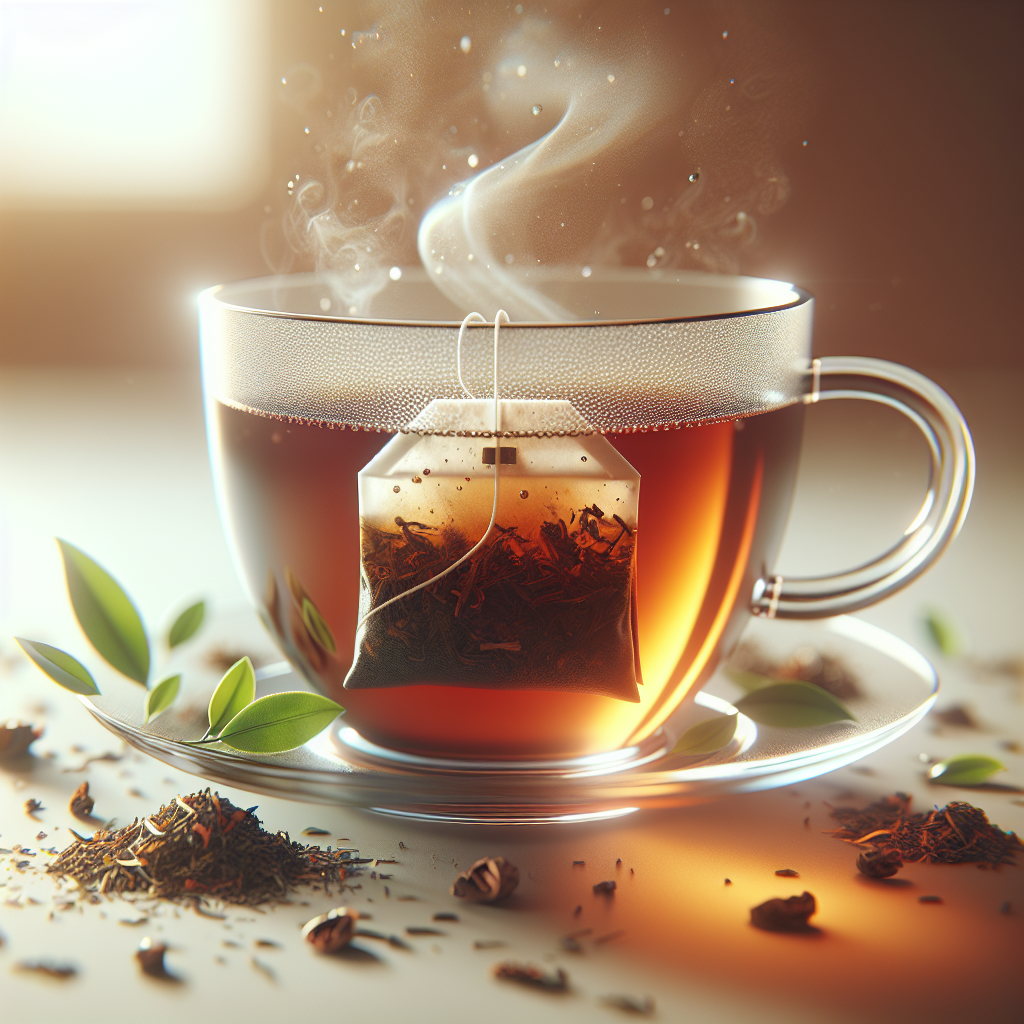
The process of tea ceremony is also full of ritual sense. Taking the traditional Chinese way of making tea as an example, the first step is to warm the cup and clean the utensils. Rinse the tea utensils with hot water, which can not only remove impurities, but also increase the temperature of the tea utensils, which helps to better stimulate the tea fragrance. Then it is time to pour tea, and control the amount of tea according to the type of tea and personal taste.
When pouring water, pay attention to the speed and angle of the water flow to ensure that the tea leaves are fully stretched in the water. The time of brewing tea is also very critical. Different teas require different brewing times to show the best taste and aroma. When tasting tea, first look at the color of the soup, then smell the tea fragrance, and finally sip it in small sips, feel the taste changes of the tea soup in your mouth, and experience the charm and artistic conception contained in the tea. From preparing utensils, pouring tea, pouring water to tasting, every link contains respect and love for tea.
Cultural Implications: Philosophical Thoughts In Incense And Tea Ceremony
The incense is rich in philosophical thoughts. The burning process of incense is like a microcosm of life, from the heat when it is lit, to the quiet release of fragrance during burning, to the silence after burning out, which implies the ups and downs and impermanence of life. In the process of tasting incense, people pursue a kind of inner tranquility and peace, abandon the noise and distractions of the outside world, and return to the true self.
The art of incense emphasizes “harmony, tranquility, purity, and silence”, which coincides with the Taoist’s compliance with nature, tranquility and far-reaching, and the Buddhist Zen practice. Through tasting incense, people can feel the true meaning of life in the lingering fragrance and achieve the harmonious unity of body and mind.
The philosophical thoughts embodied in the tea ceremony are even more profound. The tea ceremony emphasizes “harmony, respect, purity, and silence”. “Harmony” embodies the harmonious coexistence between man and nature, and between people; “respect” expresses respect for tea, others and life; “purity” symbolizes the purity and innocence of the heart; “silence” pursues a quiet and ethereal state.
The tea ceremony combines the Confucian doctrine of the mean, the Taoist view of nature and the Buddhist philosophy. In the process of brewing and tasting tea, people can comprehend the wisdom and philosophy of life, learn to let go of impetuousness, and face everything in life with a peaceful and calm attitude.
Elegant And Harmonious: The Integration And Complementarity Of Incense And Tea

Incense and tea are integrated and complement each other in many aspects. In terms of space creation, both the incense room and the tea room pay attention to the layout of the environment and the creation of the atmosphere. The elegant decoration, simple furniture, and quiet calligraphy and painting together create a quiet and elegant space, so that people can feel the relaxation and tranquility of the soul as soon as they enter it. In the process of appreciation, incense and tea often go together.
First, use the electronic incense burner or traditional methods to taste the incense, so that the fragrance can soothe the body and mind and open the senses; then taste the tea, so that the tea fragrance and the fragrance complement each other, bringing a richer sensory experience. At the same time, the spiritual realm pursued by the incense and tea ceremonies is also interconnected. They both guide people to find inner peace and balance in the tedious life, and pursue a higher level of life quality and spiritual enjoyment.
As the treasures of traditional oriental culture, the incense and tea ceremonies carry thousands of years of history and wisdom. With their unique rituals, rich cultural connotations and interconnected spiritual pursuits, they provide people with a platform to feel, experience and comprehend beauty. In contemporary society, we should inherit and promote the culture of incense and tea ceremonies, so that more people can understand and love these two arts of life, find inner peace and authenticity in the fragrance of incense and tea, feel the unique charm of oriental elegance, and let traditional culture glow with new vitality in the new era.

Leave a Reply