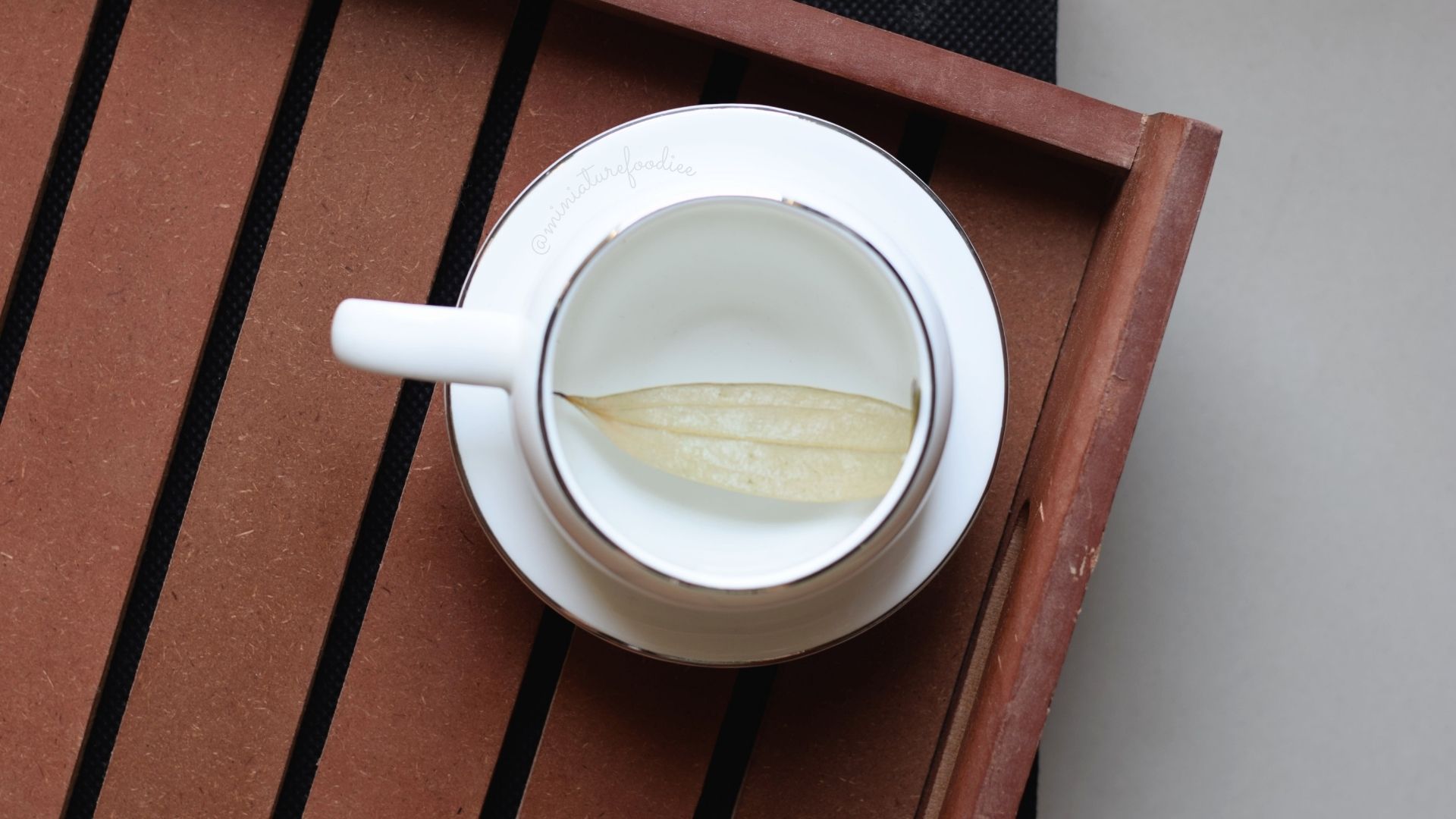
Have you ever wondered if the fragrant leaves that add depth to your favourite dishes can also be enjoyed as a soothing tea? Bay leaf tea is gaining popularity, and for good reasons.
Ranging from its intriguing history to its potential health benefits, this article dives deep into the world of bay leaf tea. However, it’s not just about health; it’s also about the experience of brewing and sipping this unique beverage.
A Look at Bay Leaf and Bay Leaf Tea
Bay leaves come from a tree called the laurel tree. This tree has been around for a very long time and has a special history. In ancient Greece, people used to give laurel wreaths to winners as a way to show honour and achievement. These wreaths were made from laurel leaves.
Bay leaves are also used in cooking. People have been using them in recipes for hundreds of years. When you add bay leaves to broths, stews or marinades, they give a unique smell and flavour. But here’s something interesting: bay leaves aren’t only for savoury dishes! Recently, people have started making bay leaf tea. To make this tea, you steep dried bay leaves in hot water. It doesn’t have any caffeine, and it has a mild, slightly peppery taste. You can enjoy it plain or add a little honey or lemon for extra flavour.
Bay Leaf Tea: A Symphony of Health Benefits
Studies suggest that bay leaf tea might offer a range of health advantages. Here are a few:
Aiding Digestion: People have been using bay leaf tea to help with digestion. Some think it can make your digestive system work better, reduce bloating and even ease constipation.
Blood Sugar Management: Early research shows that bay leaf tea might help control blood sugar levels. This could be good news for folks managing diabetes or pre-diabetes.
Sleep Support: Feeling stressed or unable to relax? Bay leaf tea could be your secret weapon! Some studies suggest it has calming properties that promote relaxation and improve sleep quality.
Kidney Stone Relief: Bay leaf tea acts as a natural diuretic, which means it can increase urination. This might help flush out toxins and kidney stones.
Antioxidant Power: Bay leaves are like little warriors—they’re packed with antioxidants. These molecules fight against free radicals in your body and may protect your cells from damage.
It’s important to note that more research is needed to confirm these potential benefits. If you have any underlying health conditions, be sure to consult with your doctor before adding bay leaf tea to your routine.
How to Brew Bay Leaf Tea
Ingredients: 2-3 dried bay leaves, 1 cup boiling water, honey or lemon (optional)
Instructions: Place the bay leaves in your favourite mug or teapot. Pour the boiling water over the leaves and let them steep for 5-10 minutes, depending on desired strength. Strain the tea and enjoy! For a touch of sweetness, add a drizzle of honey or a squeeze of lemon.
Ingredients: 4-5 fresh bay leaves, 1 cup boiling water, honey or lemon (optional)
Instructions: Wash the fresh bay leaves thoroughly. Place the leaves in your mug or teapot. Pour the boiling water over the leaves and steep for 5-10 minutes. Strain the tea and enjoy! Fresh bay leaves can have a stronger flavour, so adjust the steeping time to your preference.
Remember, these are just starting points! Feel free to experiment with different steeping times, sweeteners, and even add a sprig of fresh rosemary or thyme for a unique twist.
FAQs: How Much Bay Leaf Tea is Safe to Drink?
There isn’t a one-size-fits-all answer, but most experts recommend limiting yourself to 2-3 cups of bay leaf tea per day.
Are there any side effects to bay leaf tea?
Bay leaf tea is generally safe for most people, but some may experience mild digestive upset. If you experience any discomfort, discontinue drinking the tea.
Bay Leaf Tea Tips: From My Kitchen to Yours
Freshness is key! For the most potent flavour and potential health benefits, use high-quality bay leaves, whether dried or fresh.
Variety is the spice of life! Experiment with different types of honey or lemon to find your perfect flavour combination.
Sustainability matters! If you are using fresh bay leaves, consider growing your own laurel tree. It’s a beautiful and low-maintenance addition to any garden.
Bay leaf tea offers a delightful journey through history and potential health benefits. From its use in ancient Greece to its modern-day applications in the kitchen, bay leaves have been a versatile ingredient.
By integrating bay leaf tea into your routine, you not only enjoy a rich, aromatic beverage but also the possibility of various health advantages. Whether you are seeking digestive aid, better sleep, or simply a new flavour experience, bay leaf tea is a simple yet enriching choice.
Source: Ashitaagrawal



Leave a Reply