
Herbal teas entice with their comforting aromas, soothing warmth, and a broad range of wellness associations. Many people wonder about two connected topics: is there caffeine in herbal tea blends, and can i drink herbal tea while fasting? These questions arise when someone wants both calm focus and fasting benefits. Understanding the role of ingredients, caffeine content, and fasting’s physiological response helps you enjoy tea wisely, whether during sunrise meditation or a midday pick-me-up.
When people practice intermittent fasting, religious fasts, or simple digestive breaks, the fine print often lies in the details of what’s allowed. A common query—can i drink herbal tea while fasting—links directly to whether these blends contain caffeine or natural compounds that might disrupt your fasting state. Herbal infusions vary dramatically depending on origin, preparation, and purpose. A holistic look reveals when and how they fit into fasting without derailing your goals.
Is There Caffeine in Herbal Tea Blends?
Unlike traditional teas from the Camellia sinensis plant—such as black, green, or oolong teas—herbal teas typically do not naturally contain caffeine. They are infusions or tisanes created using dried herbs, fruits, flowers, roots, or spices. Still, not all blends are caffeine-free. Some commercial “herbal” mixes include stimulating ingredients like yerba mate or guayusa, straddling the line between herbal and caffeinated categories.
For individuals wondering can i drink herbal tea while fasting, caffeine content matters. Caffeine may influence appetite hormones, energy metabolism, and perceived hunger. A truly caffeine-free herbal blend can keep you hydrated and engaged during fasting windows without triggering metabolic repercussions associated with calories or stimulants.
Decoding Labels of Herbal Tea Blends
Many “herbal tea blends” can be misleading because of branding. A chamomile-lavender infusion is caffeine-free, but a “morning energy” blend containing green tea powder isn’t. When you analyze whether there’s caffeine in herbal blends, scan the ingredient list carefully. Botanical names, natural flavors, or even roasted elements can change caffeine exposure levels.
If your fasting period focuses on sustaining autophagy or digestive rest, ingredients like peppermint, chamomile, rooibos, and hibiscus are usually safe. On the other hand, blends with pu-erh or matcha additions might be better consumed after you break your fast.
Understanding Herbal Tea Components During Fasting
Herbal tea’s effect during fasting depends not only on caffeine but also on its plant chemistry—flavonoids, essential oils, tannins, and polysaccharides. The body reacts uniquely to these compounds. Fasting is a metabolically sensitive time, meaning even natural molecules can signal responses that affect fat utilization, gut secretion, or mood.
Non-Caloric vs. Caloric Additives in Herbal Teas
While plain herbal infusions contribute nearly zero calories, added honey crystals, dried fruits, or artificial flavor carriers may contribute measurable energy intake. If your goal is maintaining a strict fast, verify that your tea leaves behind nothing visible after steeping. A pure leaf or flower infusion, strained cleanly, is ideal.
Can I Drink Herbal Tea While Fasting Without Any Calories?
Yes—if your herbal tea is free of additives and sweeteners. A high-quality dried herb steep releases flavor compounds without calories. Practitioners of time-restricted eating often rely on rosehip or ginger infusions to alleviate fatigue during long fasting hours. But beware of blends labeled “flavored,” as they may contain maltodextrin or citric acid derived from sugars—technically breaking a pure fast.
The Role of Caffeine and Stimulants in Fasting States
Though caffeine itself has near-zero calories, it can stimulate insulin responsiveness in some individuals. Therefore, the question can i drink herbal tea while fasting hinges on your objective. If you fast mainly to control calories, caffeine poses little issue; if you fast to deepen metabolic or spiritual discipline, you may wish to avoid caffeine-containing herbs altogether.
Stimulant Herbs to Watch
- Yerba mate — Contains caffeine, theobromine, and theophylline, giving a mild but noticeable energy lift.
- Guayusa — A close relative of holly plants, rich in natural caffeine.
- Kola nut — Sometimes found in “energy” herbal blends, adding both caffeine and bitter flavor compounds.
These are best reserved for post-fast consumption when your digestive system is fully active.
Herbal Teas Compatible With Fasting
For most fasting individuals, the best approach is to choose true herbal infusions that stay completely non-stimulating. Selecting herbs wisely lets you maximize hydration and comfort while preserving fasting benefits.
Fasting-Friendly Herbal Teas
- Chamomile Tea: Naturally calming, supports digestion, and refreshes the palate.
- Peppermint Leaf Tea: Encourages focus, reduces bloating, helps stave off hunger.
- Rooibos Tea: Caffeine-free, mineral-rich, subtly sweet.
- Hibiscus Tea: Offers tart antioxidants; consider drinking slightly warm to avoid acid upset on an empty stomach.
- Ginger Infusion: Aids metabolism, good before breaking a fast for gentle gut stimulation.
These illustrate how choosing caffeine-free herbs lets you answer yes when you ask, can i drink herbal tea while fasting, without compromising your progress.
Why Some Herbal Teas Might Disrupt Fasting
Herbal teas are food-derived substances; while most contain negligible calories, hidden ingredients can blur the line. Small differences—like a trace of fruit sugar—matter if your fast’s discipline is strict. Beyond added calories, certain herbs encourage digestive enzyme release, which can end the “rested” phase your fast aims to maintain.
Examples of Borderline Herbal Teas
- Licorice Root Tea: Naturally sweet and can influence cortisol levels.
- Dandelion Root Tea: Mildly bitter; stimulates bile flow, thus “activating” digestion.
- Fruit Blend Infusions: Contains dried fruit sugars that might break fasting in its strictest form.
Can I Drink Herbal Tea While Fasting for Autophagy?
Autophagy—the cellular “cleanup” process promoted during fasting—thrives on reduced nutrient signals. Most pure herbal teas, devoid of proteins or sugar, maintain autophagy-friendly conditions. Still, if a tea stimulates insulin through sweetness perception or amino traces, its autophagy impact diminishes. Stick to minimally processed herbs for optimal benefit.
Herbal Tea Timing During Fasting Windows
How and when you sip tea matters. Herbal infusions can either support your body’s rhythm or conflict with your fasting cycle, depending on timing. Early morning teas with mint calm caffeine withdrawal if you’re skipping coffee. Mid-fast teas such as rooibos ease thirst without breaking ketosis. Evening herbs like valerian prepare your body for rest, assisting overnight fasting adherence.
Strategic Use for Intermittent Fasting Lifestyles
People practicing 16:8 or 18:6 fasts often face late-morning fatigue. Drinking herbal tea can fill gaps between hydration and sensory satisfaction. Consider ginger or fennel infusions to refresh concentration. By structuring your herbal tea moments intentionally, you maintain control over hunger waves, thus making fasting sustainable both physically and emotionally.
Scientific Viewpoint: Herbal Infusions and Caffeine-Free Advantages
According to research cited by the National Center for Complementary and Integrative Health (NCCIH), many herbal teas contribute beneficial phytochemicals without caffeine’s stimulation. These botanicals can complement fasting by supporting antioxidants while letting insulin remain low. From a physiological viewpoint, they do not “feed” your system in conventional ways.
Also, as shared by MedlinePlus.gov, some traditional herbs show promise in aiding digestion and reducing stress during restricted diets. However, human responses vary; long fasting periods, especially exceeding 24 hours, may require professional evaluation before introducing any herbal supplement, even in watery infusion form.
Examples from Everyday Life
Tea practitioners who fast for wellness often rotate blends: ginger during morning hours, chamomile through the evening, mint mid-afternoon. Experiences show that people who drink only caffeine-free herbal tea sustain fast adherence easier due to reduced jitteriness. As one nutrition coach explains, using botanical meditation time “trains” the palate to enjoy subtle flavor differences—improving mindfulness while observing the fast.
Can I Drink Herbal Tea While Fasting If I’m Sensitive to Caffeine?
Those prone to insomnia or palpitations should be cautious, even with blends labeled decaffeinated. Micro traces of caffeine sometimes remain due to shared drying equipment. Test brewing each batch early in your eating window. This ensures any stimulant effect doesn’t disrupt fasting’s natural restorative sleep alignment.
Regional Views on Fasting and Herbal Tea
Different fasting traditions treat herbal infusions differently. In Mediterranean and Middle Eastern cultures, mint or sage infusions during Ramadan nights are customary. Though technically post-fast beverages, they emphasize digestive rest. In East Asian fasting or cleansing customs, chrysanthemum or barley teas—naturally caffeine-free—accompany meditative fasts to promote mental clarity.
Western Intermittent Fasting Perspectives
In modern intermittent fasting movements, people often use caffeine strategically for productivity. Still, increasing numbers prefer caffeine-free herbs to avoid sleep cycle disruption. The question can i drink herbal tea while fasting arises as consumers shift from coffee to floral or spice infusions, seeking balance between energy and calm focus throughout fasting periods.
Common Misconceptions About Herbal Tea and Fasting
Misinformation abounds online, blurring clarity around fasting etiquette. Many assume all teas qualify as zero-calorie; others claim herbal teas “activate metabolism,” making fasting easier, which is only partially true. The real answer depends on ingredients. Correcting misconceptions ensures that when you ask can i drink herbal tea while fasting, you make informed choices.
Myth vs. Reality
- Myth: All herbal teas are automatically caffeine-free.
Reality: Yerba mate and guayusa include caffeine, even though derived from different plants. - Myth: Herbal teas always keep you in ketosis.
Reality: Fruit-based infusions may contain enough sugar to disrupt ketosis temporarily. - Myth: Sweet flavors trick your brain into breaking fasts.
Reality: Unsweetened herbal teas rarely trigger metabolic changes, though taste perception can vary individually.
Pairing Herbal Tea With Nutrition After Fasting
Breaking a fast thoughtfully reinforces digestive and hormonal balance. Herbal tea plays an essential bridging role. Gentle herbs like chamomile or fennel ease your stomach’s transition to food. Hibiscus tea rehydrates electrolytes thanks to mild mineral content. A caffeine-free drink 10–20 minutes before eating signals your body to resume digestive enzyme production naturally.
Integrating Herbal Teas in Everyday Wellness
Beyond fasting, these same teas help support hydration, mental calm, and balanced energy. They also offer an elegant caffeine-free substitute in workplaces or evening routines. Whether managing blood sugar or exploring meditative fasting, knowing how tea blends interact with your metabolism grants confidence and serenity in your daily ritual choices.
Practical Tips for Selecting Fasting-Safe Herbal Teas
- Check ingredient lists—avoid hidden sweeteners or fruit pulp.
- Opt for single-herb teas; simpler blends minimize calorie risk.
- Steep for shorter durations when on an empty stomach to reduce bitterness.
- Choose organic, high-quality herbs to limit pesticide residues.
- Alternate between mild herbs to prevent flavor fatigue during long fasting regimens.
Can I Drink Herbal Tea While Fasting on a Detox Plan?
Most detox-style fasts welcome caffeine-free herbal teas, especially those promoting liver detoxification—such as dandelion or burdock-root infusions. Just ensure you recognize the difference between “detox blend” marketing and true fasting safety. Read labels carefully and consult trusted educational resources like this cleanse guide with herbal teas for balanced insights.
Modern Perspectives: The Psychology of Sipping During Fasts
Fasting tests both physical and mental resilience. A warm herbal tea cup provides comfort cues, reducing stress hormones that might otherwise shorten fast duration. The mindful act of brewing transforms fasting from deprivation into self-nourishment. Answering yes to can i drink herbal tea while fasting symbolizes an empowered, rather than restrictive, approach to wellness.
Creating a Ritual Around your Fasting Beverages
Combine intentional breathing or journaling with your tea session. Selecting calming herbs like lemon balm elevates your mood during fasting lulls. This link between sensory enjoyment and self-discipline supports adherence without calorie intake, embodying the spirit of holistic fasting.
Conclusion
Returning to our central question—can i drink herbal tea while fasting—the answer is yes, provided you choose truly caffeine-free, additive-free blends. Herbal teas can become allies, offering hydration, relaxation, and flavor during fasting. At the same time, verify ingredient lists for hidden caffeine sources when exploring whether there’s caffeine in herbal tea blends. Awareness turns a simple beverage into a conscious health practice.
When fasting or exploring tea traditions, individuality matters. Observe how your body responds, experiment gently, and rely on credible sources or expert advisors. Through this mindful approach, your cup of caffeine-free herbal tea becomes not only a comfort but a symbol of balance between science, habit, and inner calm. For further knowledge on blending methods and effects, see this detailed exploration of caffeine-free herbs.
Frequently Asked Questions
Can I drink herbal tea while fasting for weight loss?
Yes, herbal teas can support weight-loss fasting by curbing appetite, improving hydration, and adding subtle flavor without calories. Choose caffeine-free teas like peppermint or ginger to avoid irritability. Avoid versions with flavor syrups or fruit inclusions, as these can alter insulin responses slightly, depending on individual sensitivity and fasting duration.
Will caffeine in herbal tea blends affect my fast?
If a herbal tea includes caffeine, it can influence energy metabolism and alertness during fasting. While it rarely breaks the fast calorically, caffeine may raise cortisol or affect insulin in sensitive individuals. Always read labels carefully when asking if there’s caffeine in herbal tea blends to ensure alignment with your fasting goals.
Can I drink herbal tea while fasting intermittently every day?
Absolutely. Intermittent fasting benefits from herbal teas as non-caloric hydration sources. Select mild infusions like chamomile or rooibos to maintain rest and focus throughout fasting hours. Avoid overbrewing strong herbs; gentler flavors reduce the risk of stomach irritation when consumed repeatedly during fasting schedules.
How much herbal tea is safe to drink while fasting?
There are no strict maximums, but moderation helps. Two to four cups of unsweetened herbal tea daily balances hydration without digestive stress. Excessive intake of diuretic herbs like dandelion can deplete minerals. Listen to your body and use caffeine-free options to maintain fasting discipline comfortably and safely.
Can I drink herbal tea while fasting for spiritual reasons?
Many spiritual fasts allow plain herbal teas, especially those derived from calming herbs like rose or sage. The key principle is purity—no sweeteners or artificial additions. Consulting specific religious guidelines ensures full respect for tradition while maintaining the meditative balance herbal infusions can offer during fasting.
Are there specific herbal teas better for morning fasts?
In morning fasts, refreshing herbs like lemon balm, peppermint, or ginger support awakening body rhythms without calories. They also promote hydration after nightly rest. Choosing caffeine-free teas keeps insulin responses stable, preventing early-hunger triggers in restricted eating schedules or sunrise-to-noon fasting routines.
Does herbal tea help control hunger during fasting?
Yes, warm caffeine-free herbal teas create satiety cues and distract from hunger. Peppermint and cinnamon infusions are especially effective for appetite management. The warmth soothes the stomach, giving an illusion of fullness while remaining calorie-free, making them ideal companions for both short and prolonged fasts.
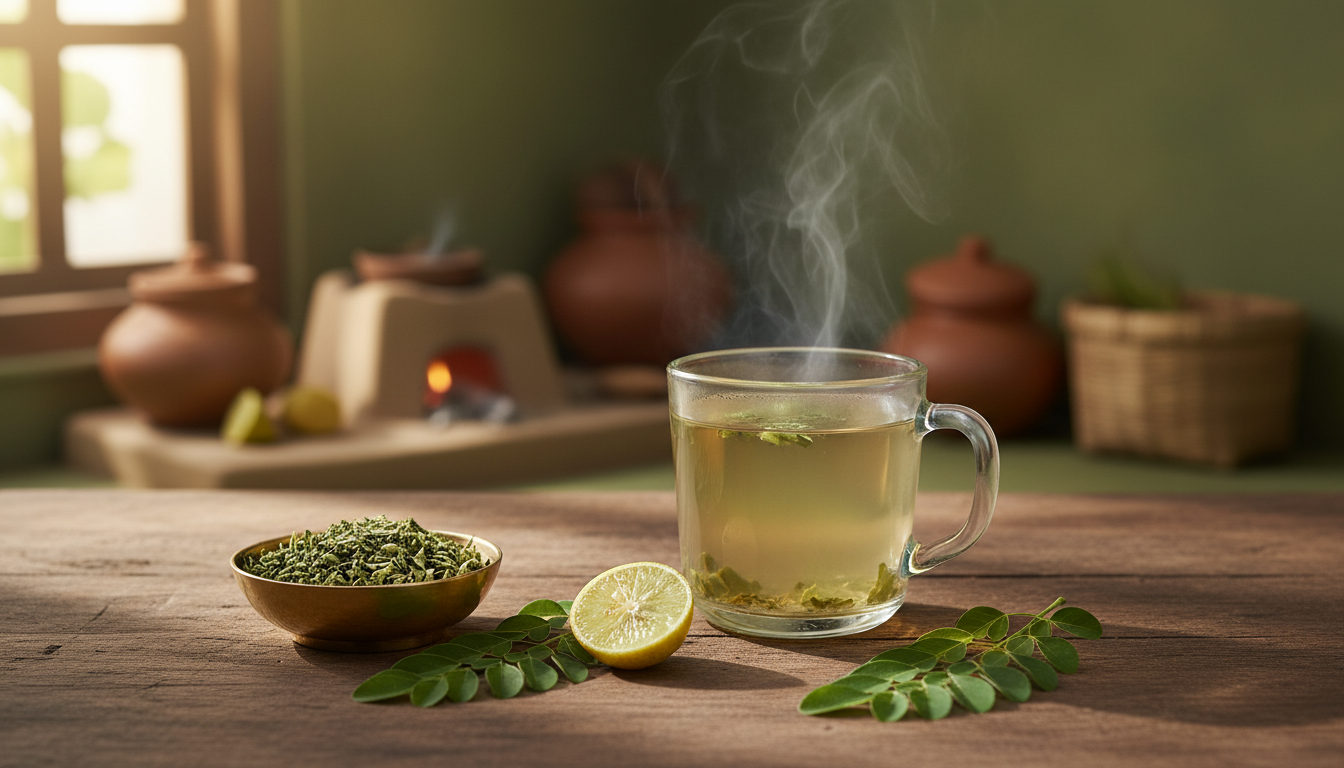
Can I drink herbal tea while fasting if I add lemon?
A squeeze of lemon adds minimal calories but does introduce citric acid and trace carbohydrates. For strict fasting, keep lemon minimal or omit it. If your fasting goal emphasizes hydration and mindfulness rather than autophagy, a few drops generally won’t break the fast while adding invigorating flavor.

Leave a Reply