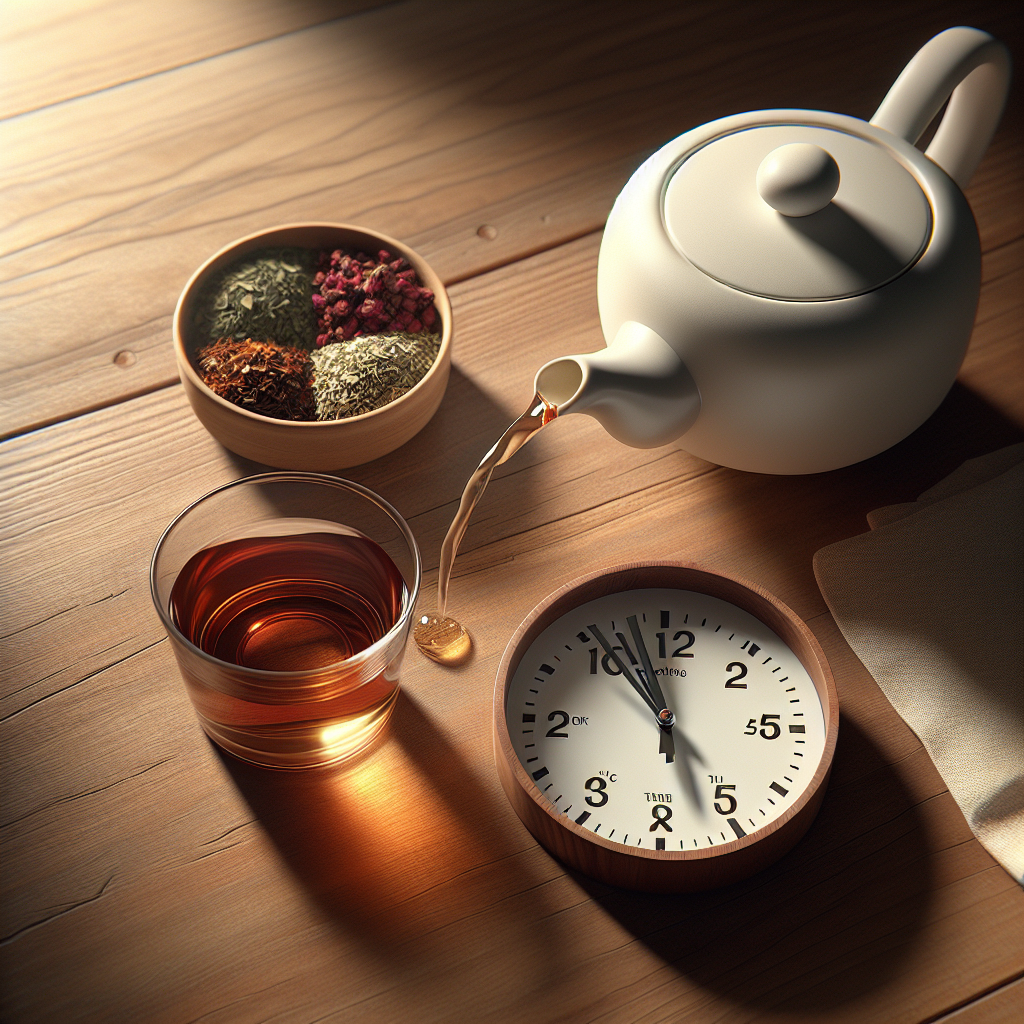
Many people who practice intermittent fasting wonder what beverages can be enjoyed without breaking their fast. Among the most debated questions is: is there caffeine in herbal tea, and does that matter for fasting? Since herbal teas come in many varieties—from chamomile and peppermint to hibiscus and rooibos—understanding how each affects your fasting window can help you make informed and mindful choices. Let’s explore the complex relationship between herbal tea, caffeine, and fasting physiology.
Fasting is not merely refraining from food; it’s a period that triggers several physiological processes, such as improved insulin sensitivity, cell repair, and fat metabolism. Choosing the right drinks during a fast can either enhance or disrupt these benefits. Herbal teas occupy a unique place because they’re often caffeine-free, low in calories, and rich in plant compounds that support wellness. But not all herbal teas behave the same way, and the small details can influence whether they truly maintain a fasted state.
Understanding Fasting and Beverage Choices
When fasting, any beverage that contains calories, sugars, or amino acids can potentially break the fast. However, herbal tea is generally regarded as an exception, provided it’s pure and unsweetened. To decide responsibly, it’s wise to look at both composition and intended fasting outcomes. The central question—does herbal tea break a fast—intersects directly with the inquiry of is there caffeine in herbal tea and how that caffeine, if present, interacts with the body’s fasting mechanisms.
Why Caffeine Content Matters During Fasting
Caffeine influences metabolism, alertness, and appetite. Some people use caffeinated drinks like coffee or black tea to suppress hunger, but excessive caffeine may increase cortisol levels, disturb sleep, or trigger stomach acidity. Therefore, knowing the answer to “is there caffeine in herbal tea” is valuable for maintaining hormonal balance during fasting hours.
The Basics of Herbal Tea Composition
Herbal teas, also known as tisanes, aren’t made from Camellia sinensis—the tea plant responsible for green, black, white, and oolong teas—but from herbs, flowers, spices, and fruits. This makes them naturally diverse. Many are free of caffeine, though certain blends include ingredients that introduce mild stimulants. When exploring the question of is there caffeine in herbal tea, understanding each plant’s origin offers clarity.
Pure Herbal Teas with No Caffeine
Most single-ingredient herbal teas contain no caffeine. Examples include:
- Chamomile – Known for relaxation and aiding sleep, completely caffeine-free.
- Peppermint – Refreshing and energizing through menthol, not caffeine.
- Rooibos – A South African tea alternative rich in antioxidants but devoid of caffeine.
- Hibiscus – Vibrant in flavor, supporting heart health, zero caffeine content.
- Lemongrass – Invigorating yet gentle on the system, naturally caffeine-free.
These teas won’t interrupt your fasting state since they contribute negligible calories and no physiological load that prompts insulin release.
Blended or Flavored “Herbal” Teas Containing Caffeine
Some commercial “herbal” blends may mix true tea leaves, such as green or black tea, with herbs or dried fruit. In such cases, the caffeine content depends on the ratio of actual tea leaves. If you’re uncertain, refer to the packaging or ask, is there caffeine in herbal tea of this brand? Ingredients like yerba mate and guayusa are botanical exceptions—they are not Camellia sinensis, yet naturally contain caffeine.
Is There Caffeine in Herbal Tea and How It Affects Fasting?
Minor traces of caffeine, usually a few milligrams per cup, are generally not enough to break a fast. However, caffeine’s stimulatory effects can enhance fat oxidation and increase alertness. For those who fast for metabolic health, such as improving insulin efficiency, low amounts of caffeine from certain herbal blends might even be beneficial. But if your focus is on giving your digestive system a full rest or practicing fasting for autophagy, minimal-to-zero caffeine intake is preferable.
Does Herbal Tea Break a Fast?
The short answer: pure herbal tea, brewed plain without sweeteners or cream, does not break a fast. It contains virtually no calories, carbohydrates, or proteins. Yet, the nuances matter. Some fasting goals—spiritual, metabolic, or longevity-related—have differing thresholds for what constitutes a “break.”
When Herbal Tea Might Break a Fast
- **Added Ingredients:** Any form of milk, honey, or sugar ends a fast since those provide calories.
- **Pre-Packaged Tea Blends:** Some pre-flavored sachets contain maltodextrin, natural flavors, or fruit pieces affecting calorie count.
- **Medicinal Herbal Blends:** Adaptogenic ingredients like licorice or ginseng may trigger metabolic responses.
Thus, before deciding, always consider not just “does herbal tea break a fast” but also “is there caffeine in herbal tea” you’re planning to drink, since caffeine’s presence can subtly influence how your body processes the fasting period.
Scientific View on Herbal Tea and Fasting
Research on fasting-friendly beverages consistently confirms the safety of pure herbal teas. Caffeine-free variants like rooibos and chamomile have been shown to assist relaxation, which may make fasting smoother. A study discussed by National Institutes of Health (NIH) mentions that plant polyphenols can enhance metabolic resilience without affecting caloric intake.
How Polyphenols Behave During Fasting
Polyphenols—antioxidants found in teas and herbs—support detoxification and reduce oxidative stress. They don’t contain macronutrients that break a fast. Interestingly, caffeine itself is a polyphenol-like molecule that activates certain pathways. Evaluating “is there caffeine in herbal tea” helps identify which pathways you’re engaging: stimulating or calming ones.
Caffeine, Cortisol, and Autophagy
Autophagy, the body’s cellular cleanup process, is optimized during fasting. Excess caffeine might temporarily raise cortisol, potentially interfering with this delicate balance. Therefore, depending on your fasting type and sensitivity, you may prefer caffeine-free herbal teas like chamomile for an uninterrupted fasting cycle.
Different Fasting Goals and Herbal Tea Selection
People fast for diverse motivations. The suitability of herbal tea hinges on intention. Intermittent fasters seeking weight management can tolerate minor caffeine, while strict fasting for spiritual reasons might require absolute absence of stimulants.
Weight Loss and Satiety Support
Herbal teas act as appetite suppressants. Mint, cinnamon, and ginger help reduce cravings during prolonged fasting windows. When comparing these, ask yourself: is there caffeine in herbal tea I’m drinking? If yes, a mild dose might help sustain energy, but too much can lead to jitters or dehydration.
Detox and Longevity Fasting
Those prioritizing autophagy generally favor caffeine-free infusions. Hibiscus and lemongrass are top picks for detoxifying purposes. Minimal caloric impact ensures that your liver continues its regenerative processes without interruption. Hence, both caffeine content and purity determine if the beverage aligns with your fasting goals.
Practical Examples of Herbal Teas and Fasting Outcomes
Below are real-world examples that illustrate how herbal teas interact with different fasting strategies:
- Morning Fast with Mint Tea: Peppermint tea, caffeine-free, curbs appetite, supports digestion, and sustains hydration.
- 16:8 Intermittent Fast with Yerba Mate: Contains natural caffeine—answering the question “is there caffeine in herbal tea” affirmatively. Gives a gentle energy lift without sugar.
- 24-hour Cleanse with Hibiscus Tea: Pure, tangy, calorie-free, enhances antioxidant levels while preserving fasting state.
- Spiritual Fast with Chamomile: A calming option preventing digestive stimulation, ideal for prayerful fasting windows.
Safety and Side Effects
Although herbal teas are generally safe, it’s critical to be informed about potential reactions. Strong herbs like senna may induce laxative effects and discomfort. Likewise, even caffeine-free teas can trigger allergies in sensitive individuals. If uncertain, consult a healthcare provider before prolonged fasting combined with herbal consumption. Institutions such as Harvard School of Public Health offer reliable guidance on beverage safety and metabolism.
How to Choose the Right Herbal Tea During a Fast
Select teas based on your fasting objectives:
- For energy support: choose mild-caffeine herbs like guayusa.
- For relaxation: opt for caffeine-free infusions like chamomile or lavender.
- For digestion: ginger and peppermint provide soothing effects without calories.
- For hydration: fruit-based tisanes deliver electrolytes naturally without breaking the fast.
Consistency matters more than variety. Switching excessively between caffeinated and non-caffeinated teas during a fast can confuse your body’s signaling system. Knowing continually is there caffeine in herbal tea you prefer safeguards your fasting integrity and enhances comfort.
Interpreting Labels and Ingredient Lists
Reading labels correctly can save your fast. Certain teas labeled “herbal infusion” may include black or oolong tea fractions. Steps to identify hidden caffeine:
- Scan ingredients for “tea leaves” or “Camellia sinensis.”
- Avoid additives like chicory blends unless verified as caffeine-free.
- Seek “naturally caffeine-free” statements on the packaging.
Be mindful that herbal teas marketed for focus or energy likely include mild stimulants. Check whether they mention yerba mate, guayusa, or kola nut—plants that contribute natural caffeine.
Personalization and Body Response
Each individual metabolizes caffeine differently. Genetics influence how long caffeine lingers in your system. Some people may tolerate small doses of caffeine during fasting without adverse effects; others experience restlessness or hunger pangs. Tracking how you feel after drinking herbal tea—particularly asking yourself “is there caffeine in herbal tea that affects me this way?”—enhances personal insight.
Combining Herbal Teas for Fasting Synergy
You can also blend teas to optimize fasting. For example, pairing ginger (metabolism booster) with rooibos (caffeine-free antioxidant) creates a balanced drink supporting both energy and calmness. This method allows you to explore variety without sacrificing fasting benefits or exceeding caffeine tolerance.
Conclusion: Sustainable Fasting with Herbal Tea
In conclusion, the key to combining herbal tea and fasting lies in awareness and moderation. Herbal teas serve as companions rather than disruptors of your fasting journey, provided they remain free from caloric additives. When in doubt, revisit the core question— is there caffeine in herbal tea —for every blend you consume. Caffeine content determines whether it aligns better with energy-focused or restorative fasting goals. Ultimately, sipping the right kind of herbal infusion can amplify your fasting comfort and amplify wellness outcomes.
Frequently Asked Questions
Does herbal tea break a fast completely?
No, plain herbal teas without sweeteners or milk generally don’t break a fast. They contain negligible calories and minimal metabolic triggers, ensuring that fasting processes such as fat oxidation and autophagy continue smoothly.
Is there caffeine in herbal tea that affects my hunger levels?
Most pure herbal teas have no caffeine, but blends with yerba mate or guayusa do contain small amounts. Caffeine can suppress appetite for some people but may also cause restlessness if consumed in excess during fasting.
If I drink herbal tea at night, will caffeine in it disturb sleep?
Ask yourself “is there caffeine in herbal tea I’m drinking at night?” If it contains stimulants like yerba mate, it might interfere with sleep. Chamomile, rooibos, and lavender teas, on the other hand, are naturally caffeine-free and excellent evening choices.
Can I add lemon to herbal tea while fasting?
A dash of lemon juice contributes minimal calories and is unlikely to disrupt a fast. However, adding sugar or honey does break fasting benefits. Keep your infusion simple for best results.
Is there caffeine in herbal tea labeled as detox blend?
Some detox teas contain stimulating herbs that include caffeine. Always read labels carefully. While many detox herbs like dandelion and hibiscus are caffeine-free, others combine green tea for accelerated metabolism, introducing mild caffeine into the mix.
How can I know is there caffeine in herbal tea purchased online?
Review the ingredient list provided by reputable sellers. If unclear, contact customer service directly. Reliable brands disclose caffeine content, noting whether a blend is fully caffeine-free or contains stimulants from specific herbs.
Do herbal teas help maintain hydration during extended fasting?
Yes. Caffeine-free herbal teas like peppermint, chamomile, and hibiscus aid hydration because they’re mostly water. These drinks replenish fluids without calories, maintaining electrolyte balance throughout long fasting hours.
Where can I learn more about tea varieties for fasting?
Explore in-depth guides such as best teas for intermittent fasting and understanding tea and metabolism on TeaStory Blog, offering detailed comparisons of caffeine-free and caffeinated infusions suitable for varied fasting goals.

Leave a Reply